


Physics News



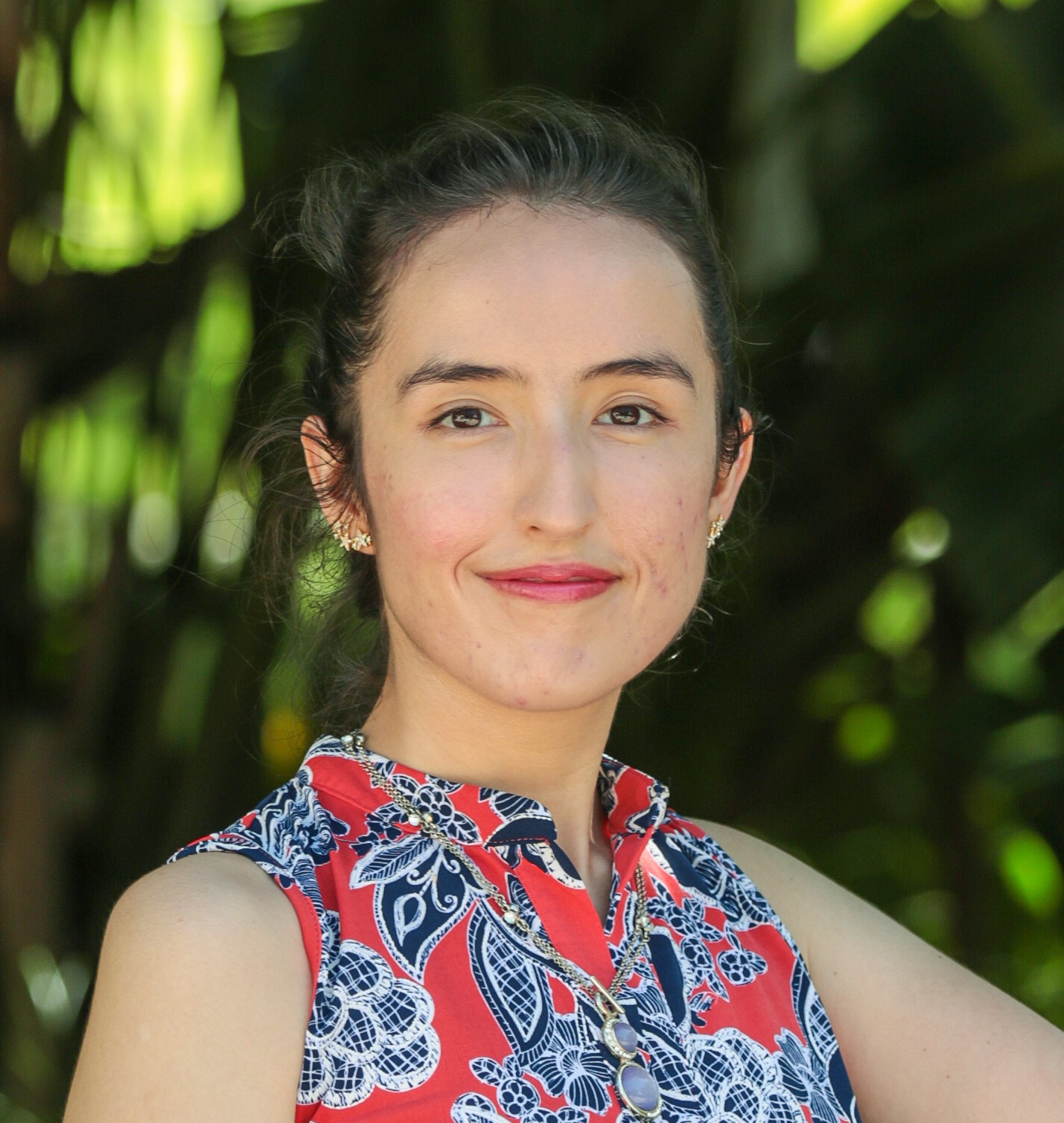
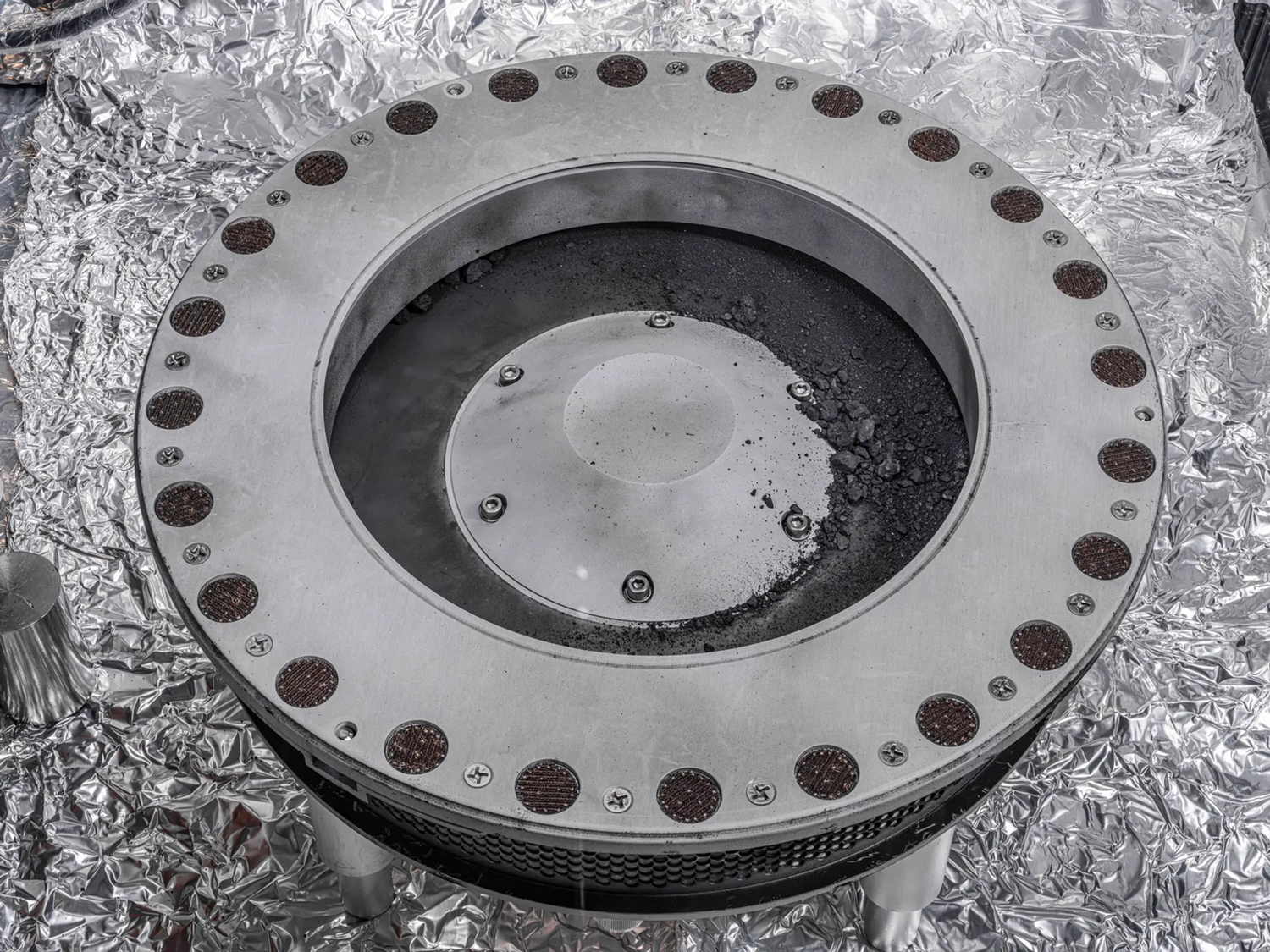
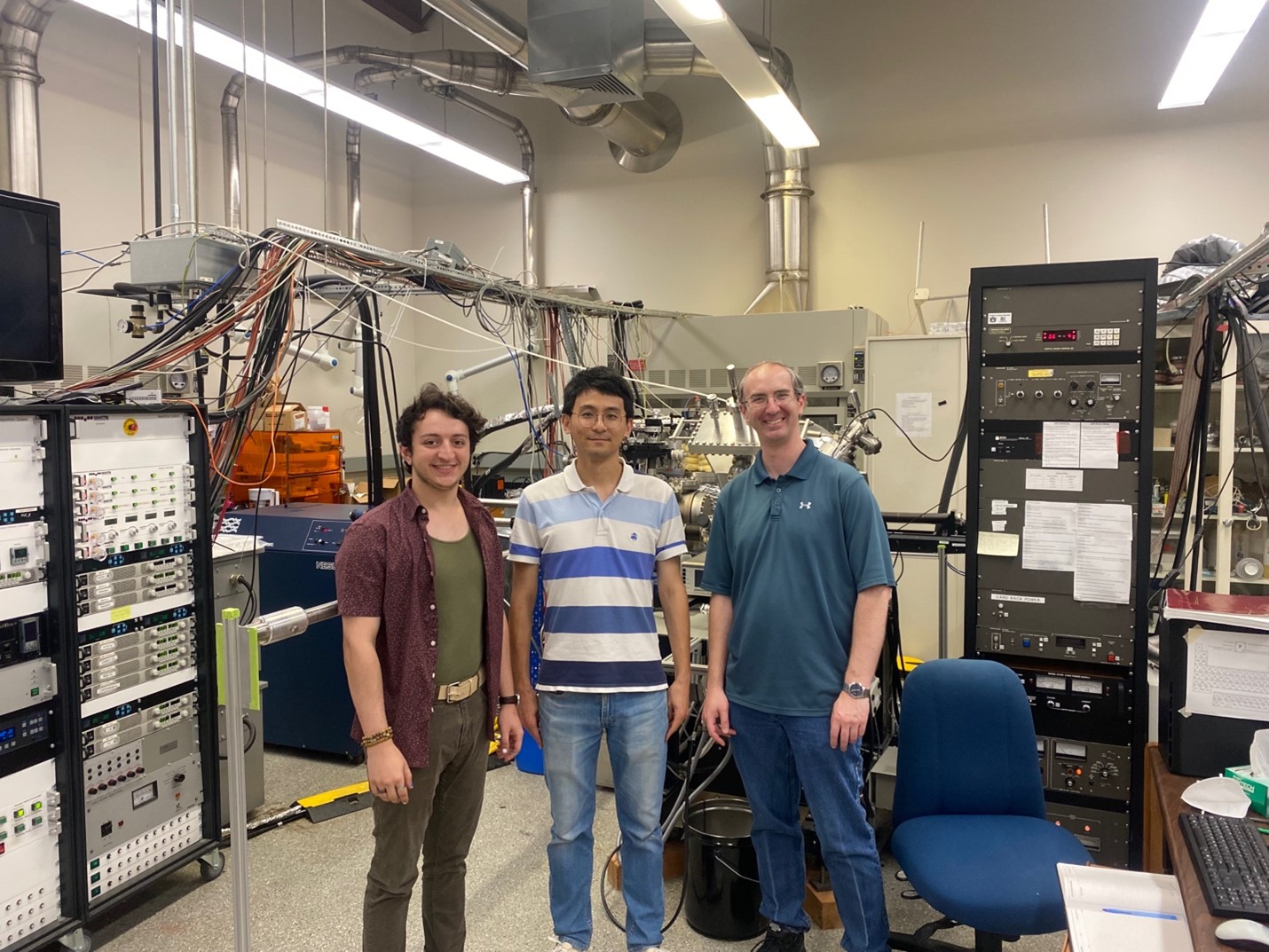
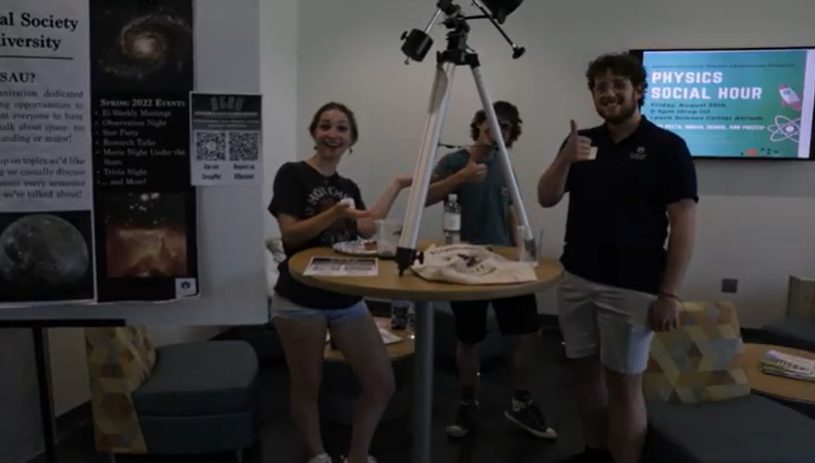
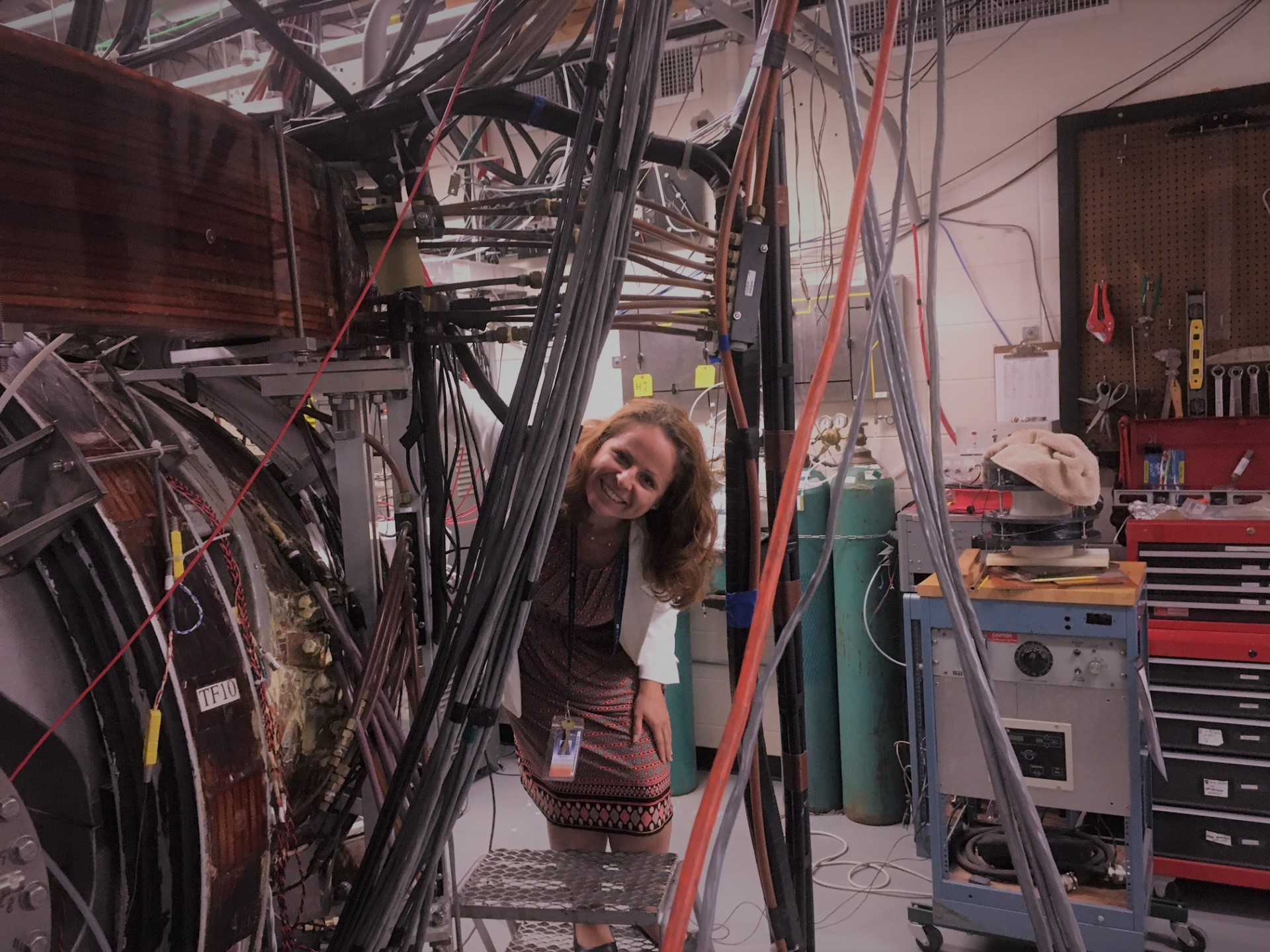
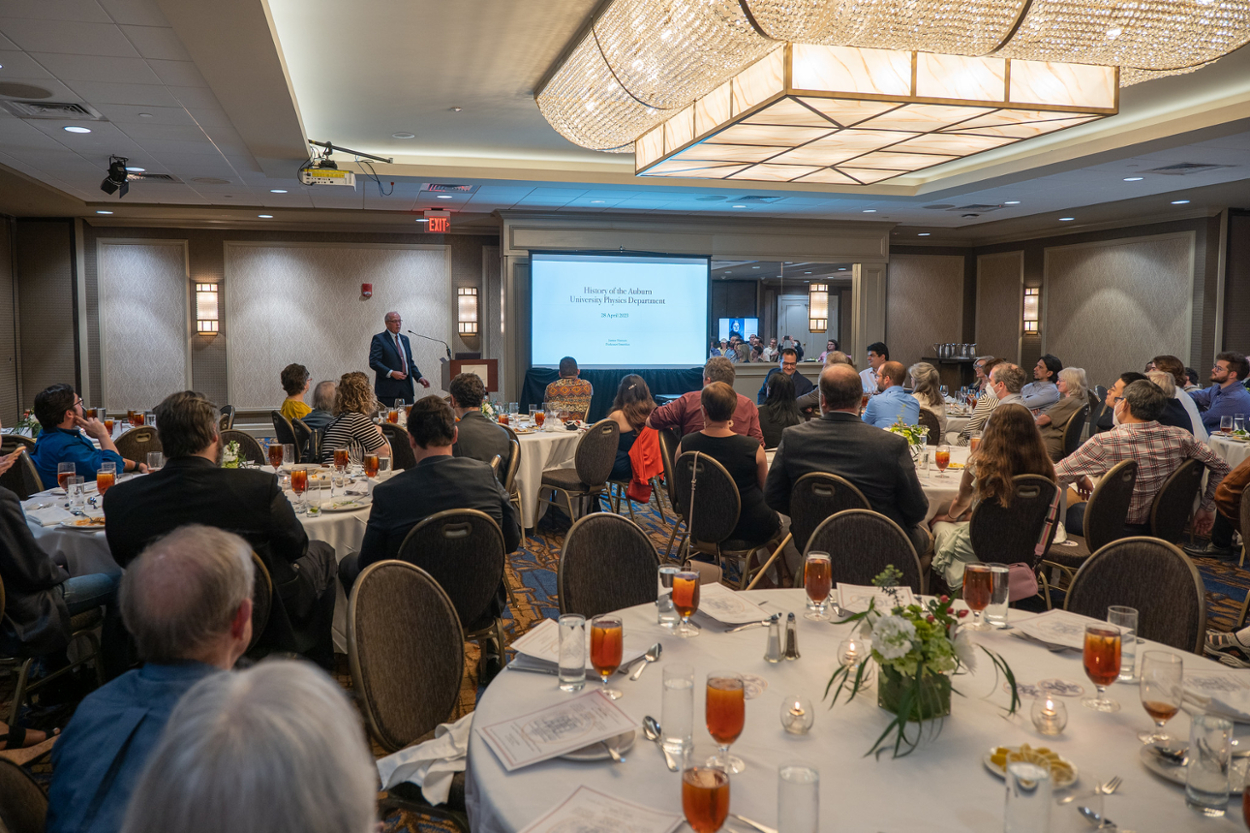
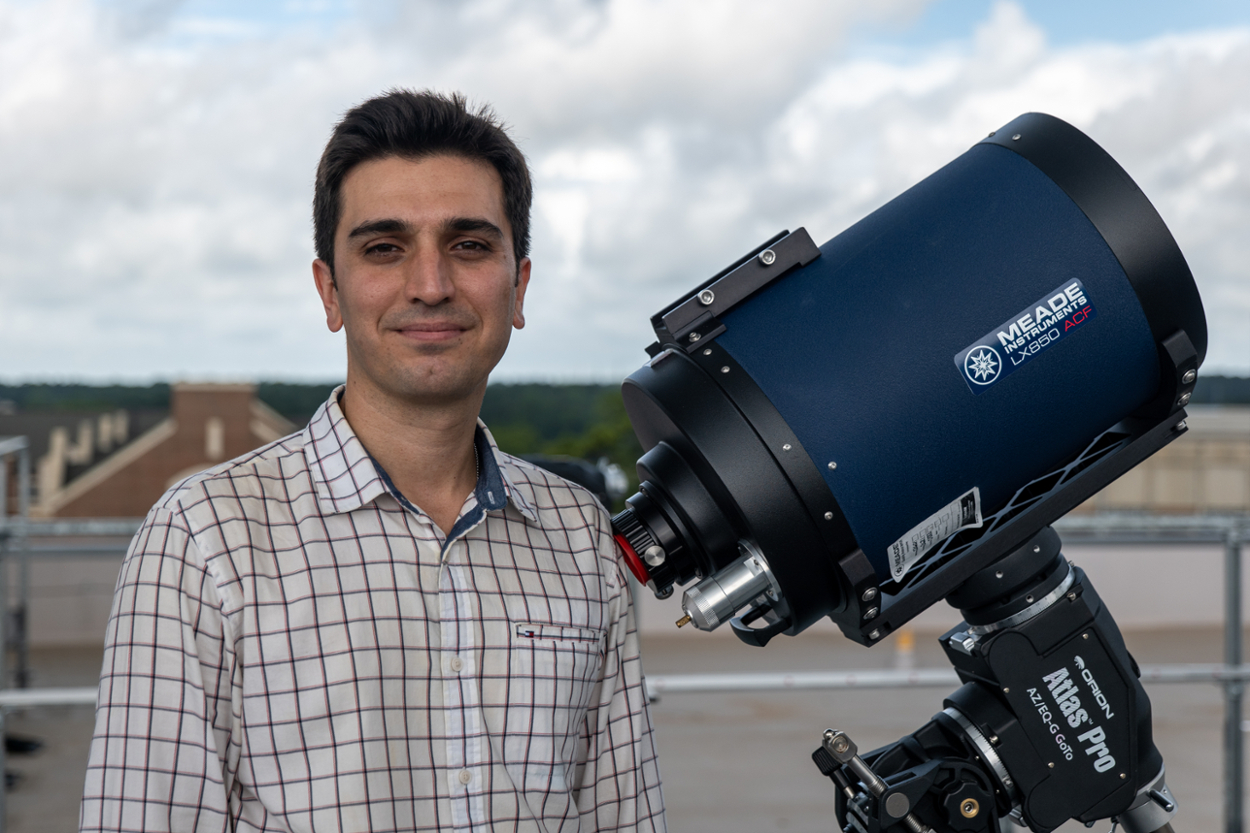
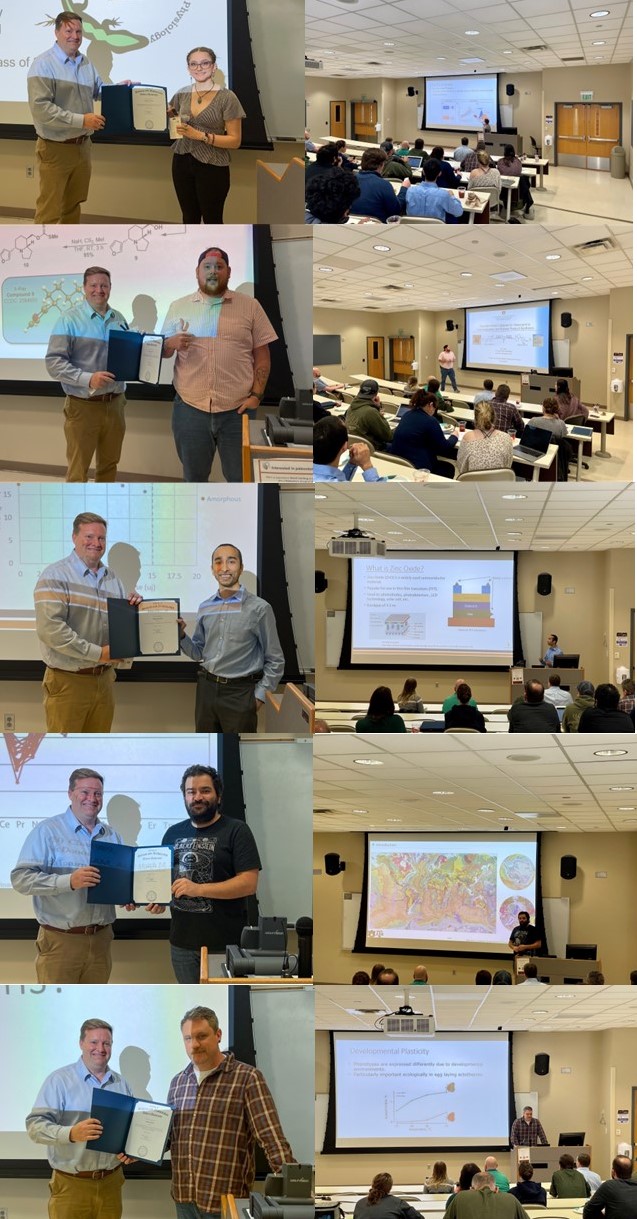
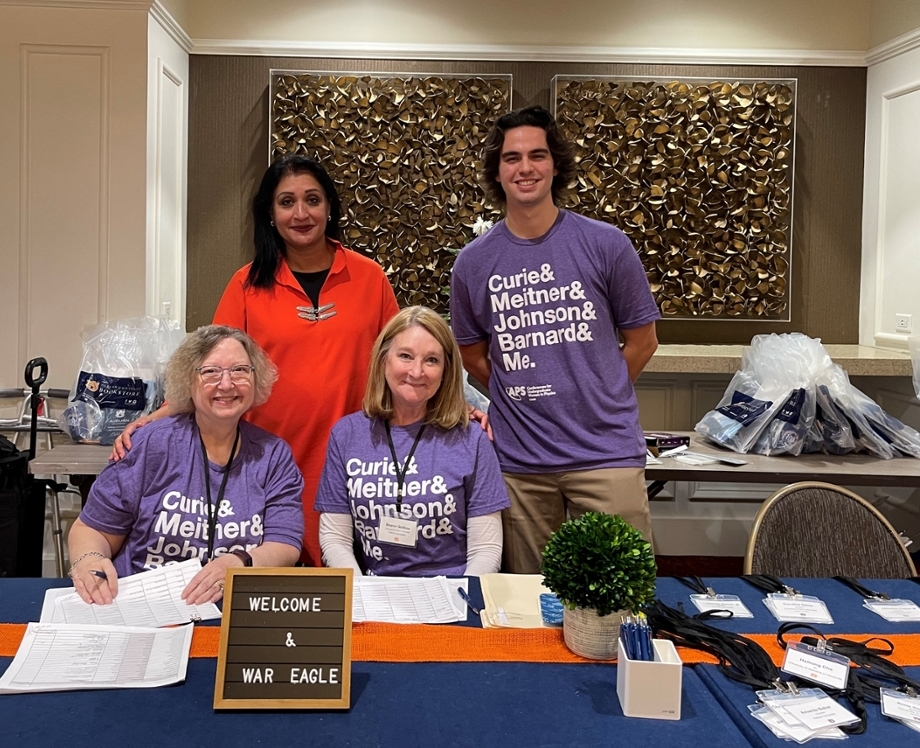
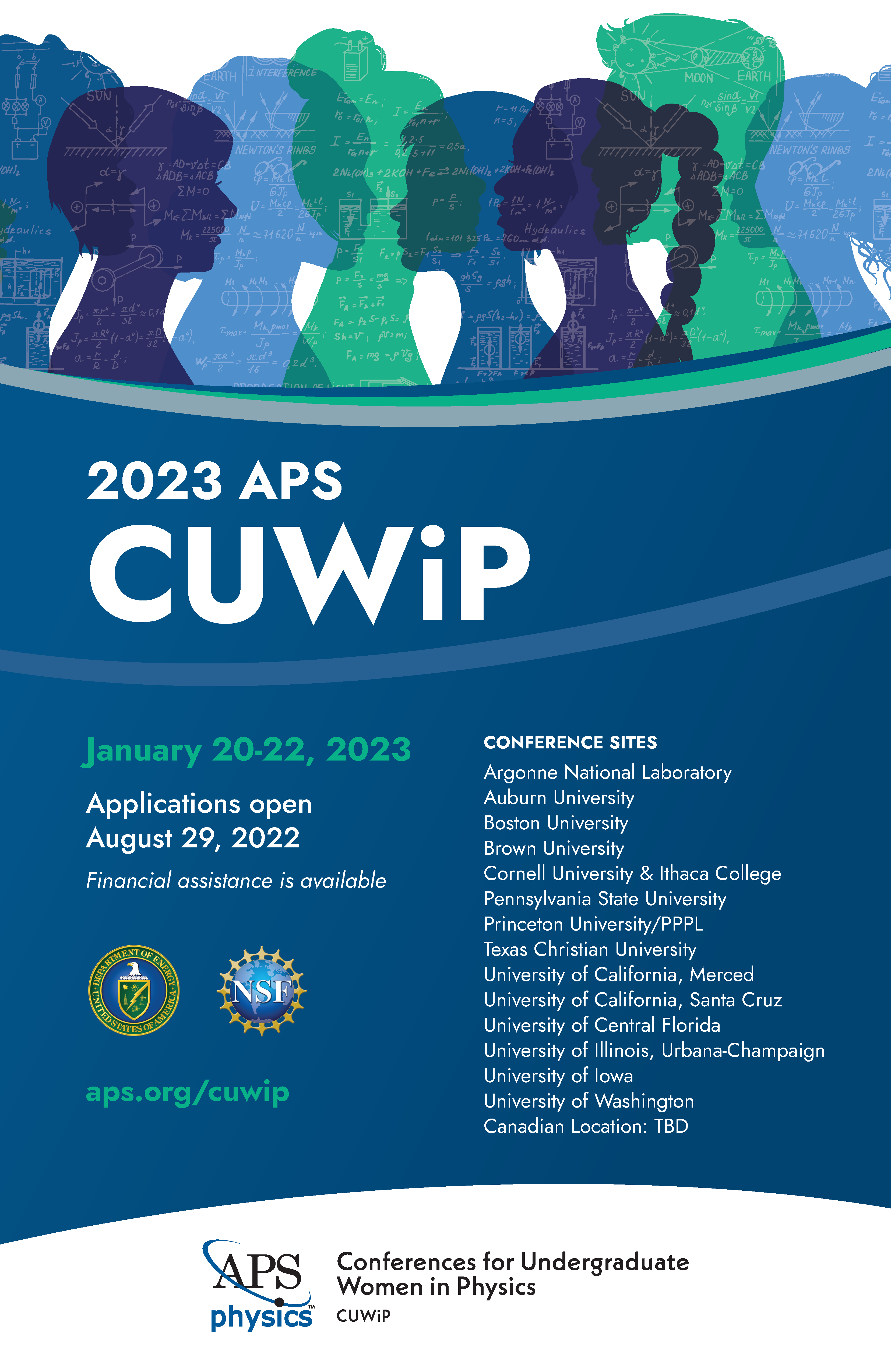
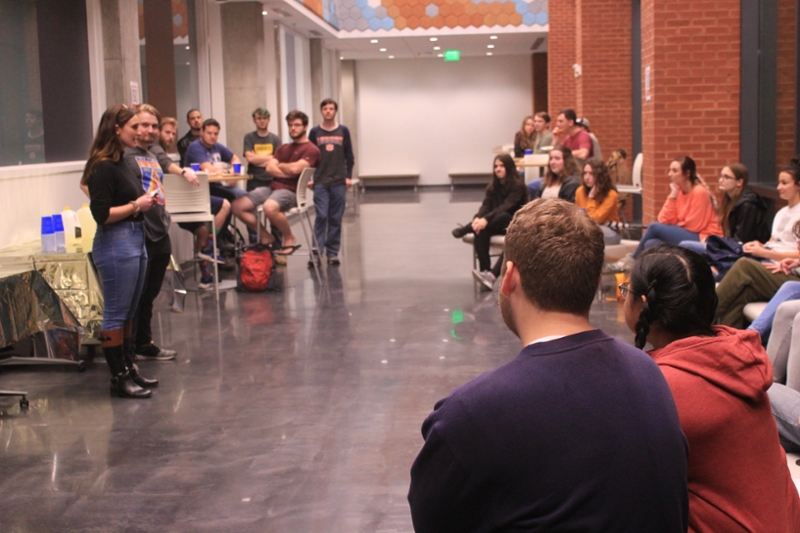
The opening session of the Conference for Undergraduate Women in Physics, or CUWiP, welcomed several speakers, including Vini Nathan, provost and vice president for academic affairs. “Throughout my career, I have worked to foster a work environment that uplifts others and helps them to realize their own capacity for success. By participating in conferences like this, you are doing the same for yourselves and one another,” said Nathan.
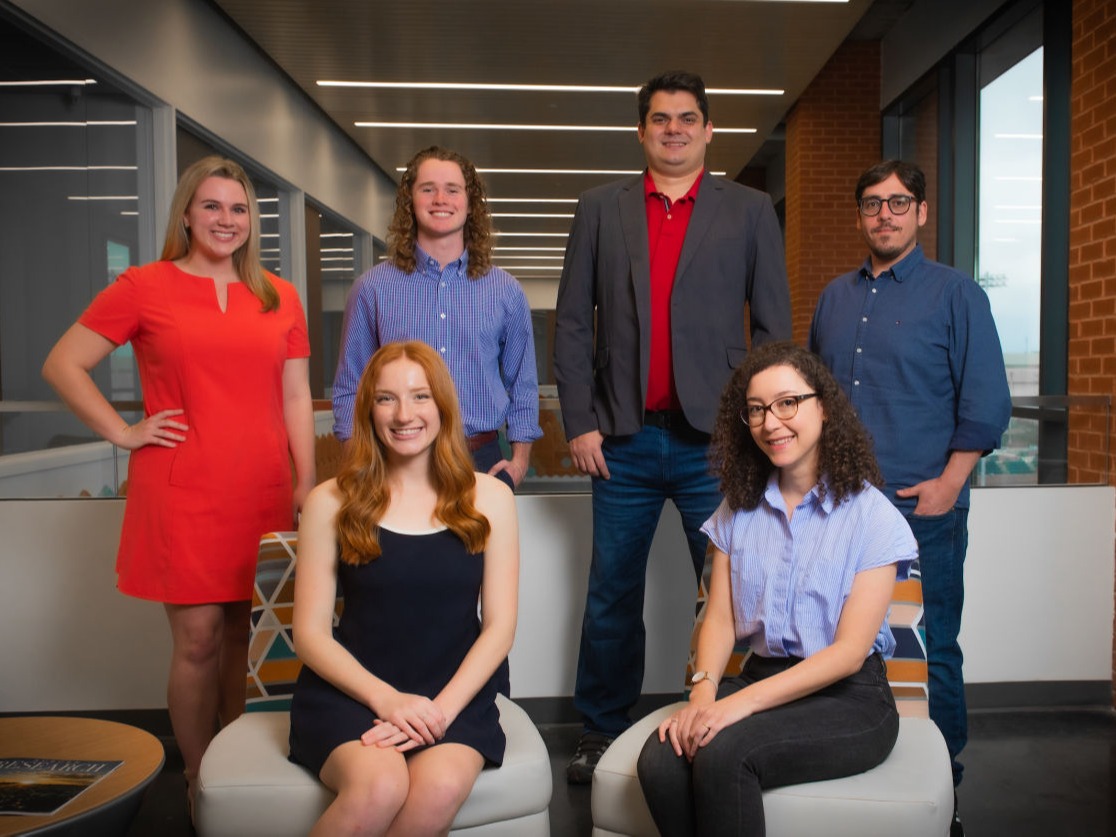
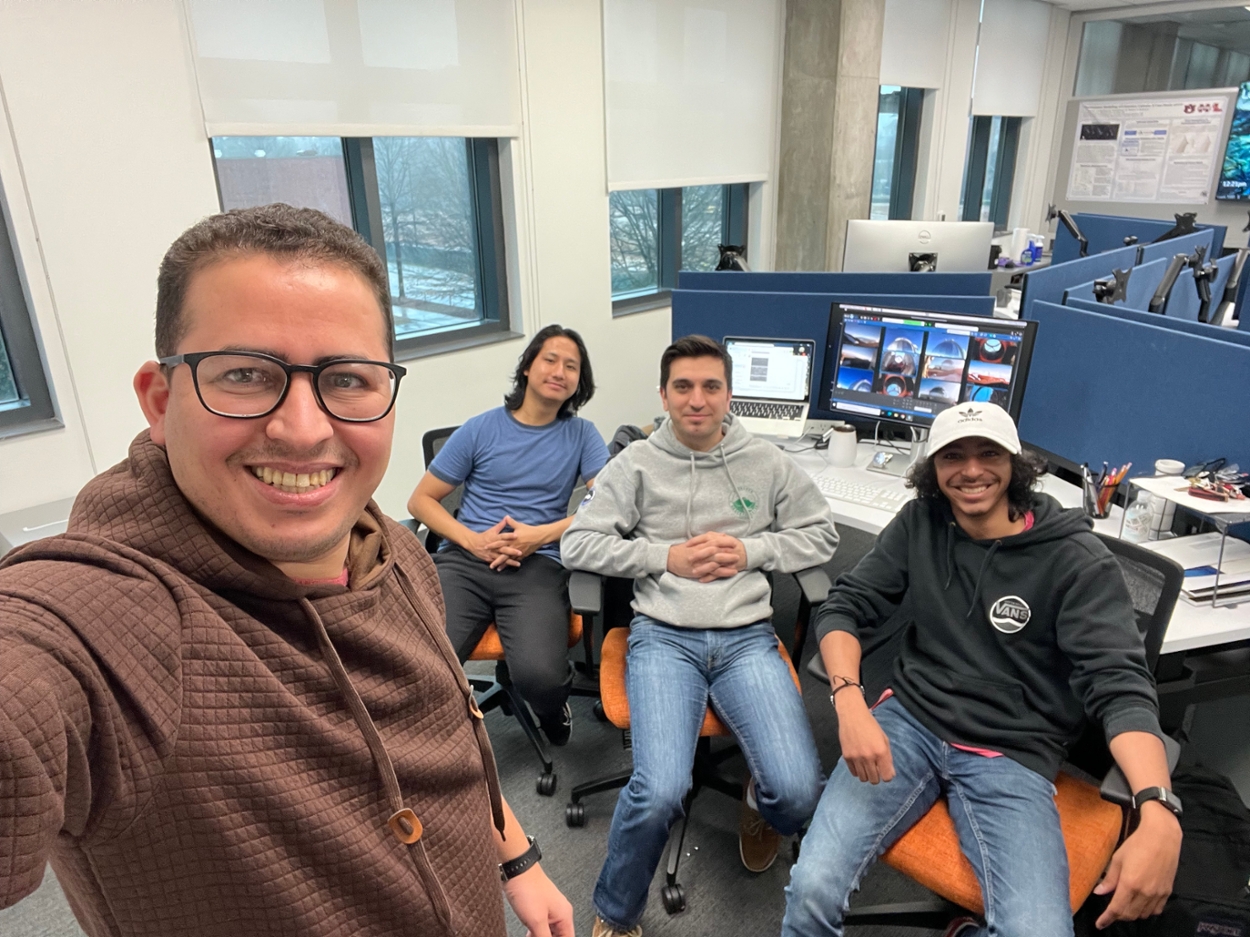
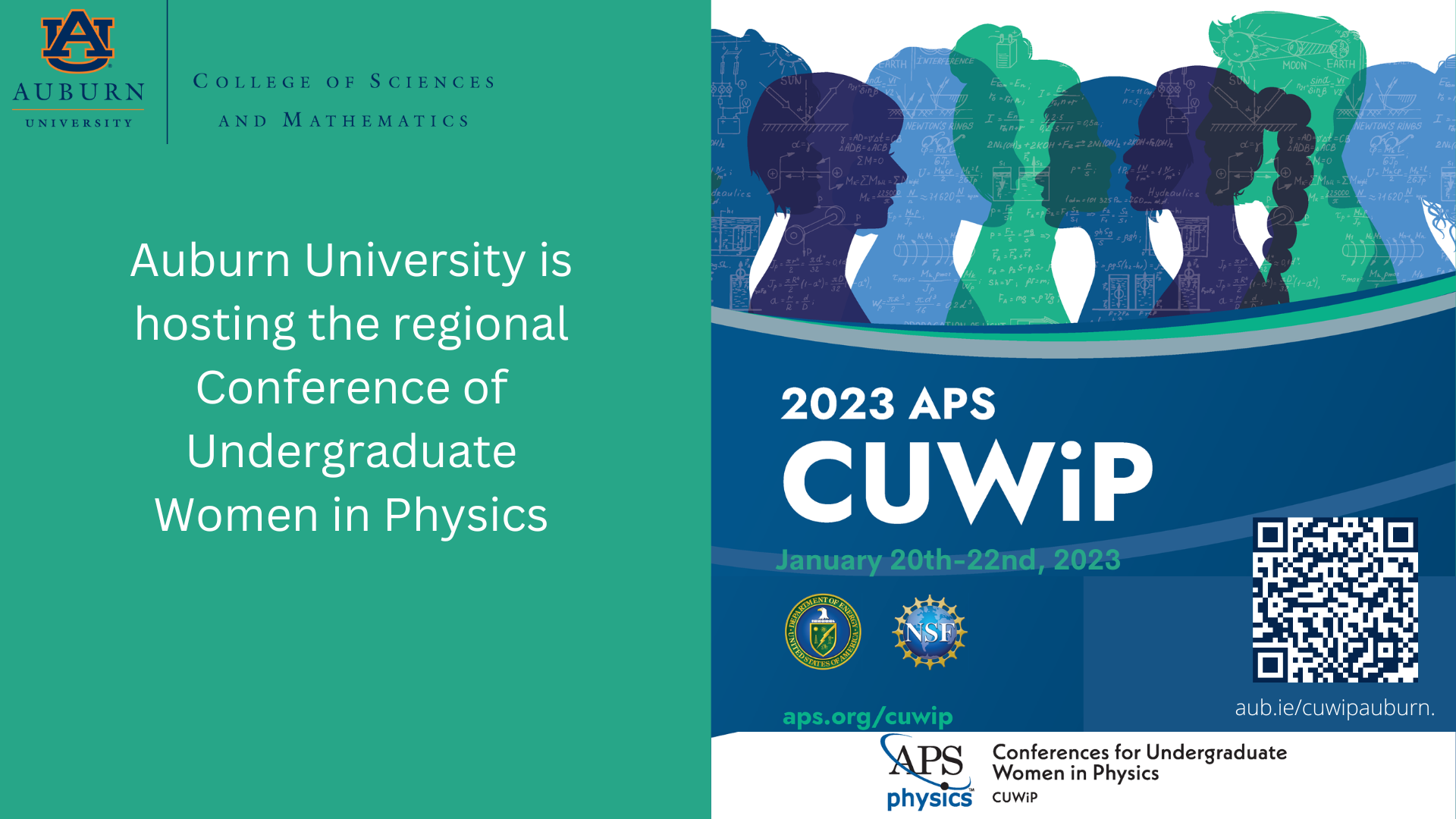
Auburn University is hosting the regional Conference of Undergraduate Women in Physics January 20 - 22, 2023.
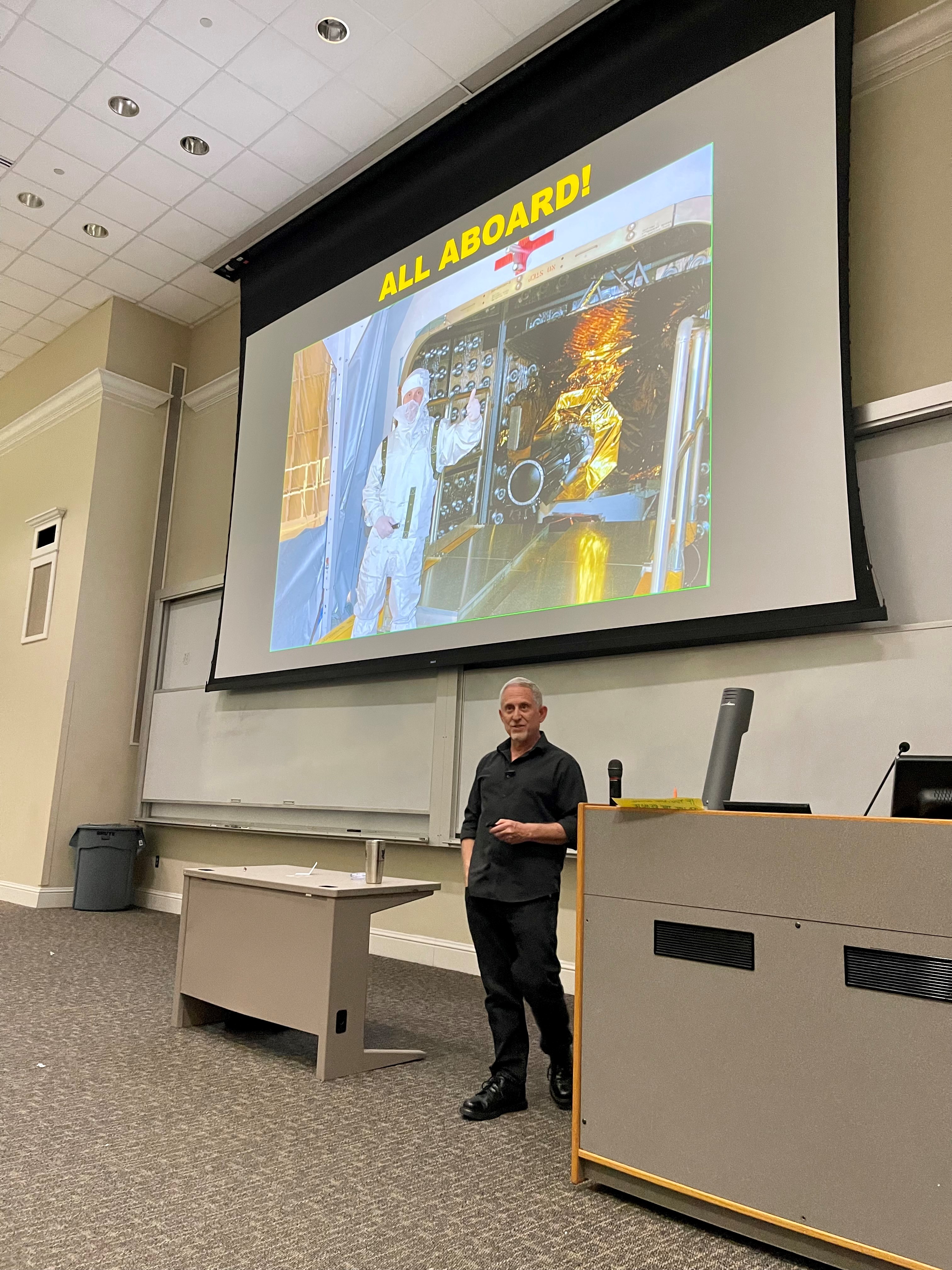
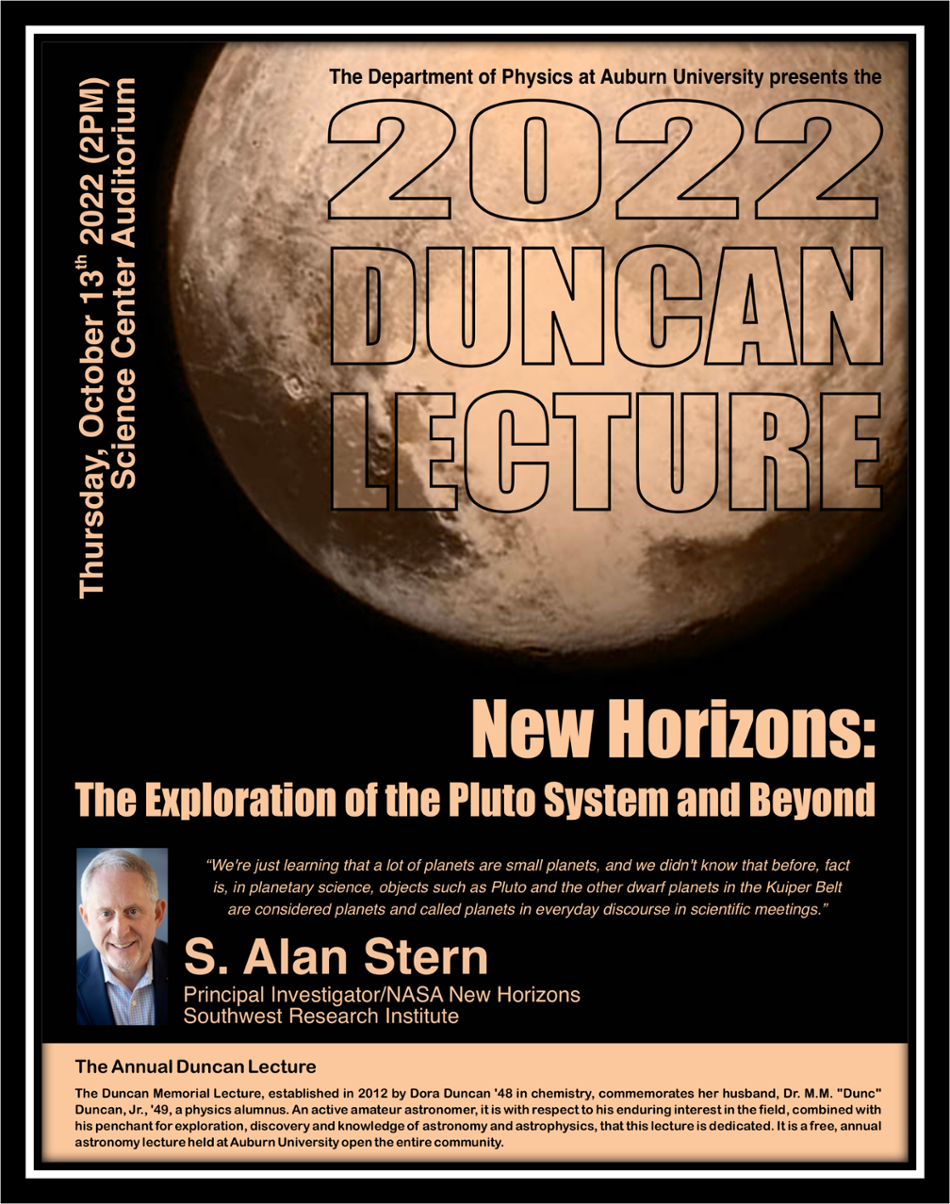
More than 160 people attended this year’s Duncan Lecture on Oct. 4 to hear from Alan Stern, who has participated in 29 NASA and European Space Agency missions. He is the primary investigator of the New Horizons mission which launched in 2006 and completed the first flyby of Pluto in 2015. The New Horizons mission has provided images of Pluto and its moons that had never been possible to capture before.
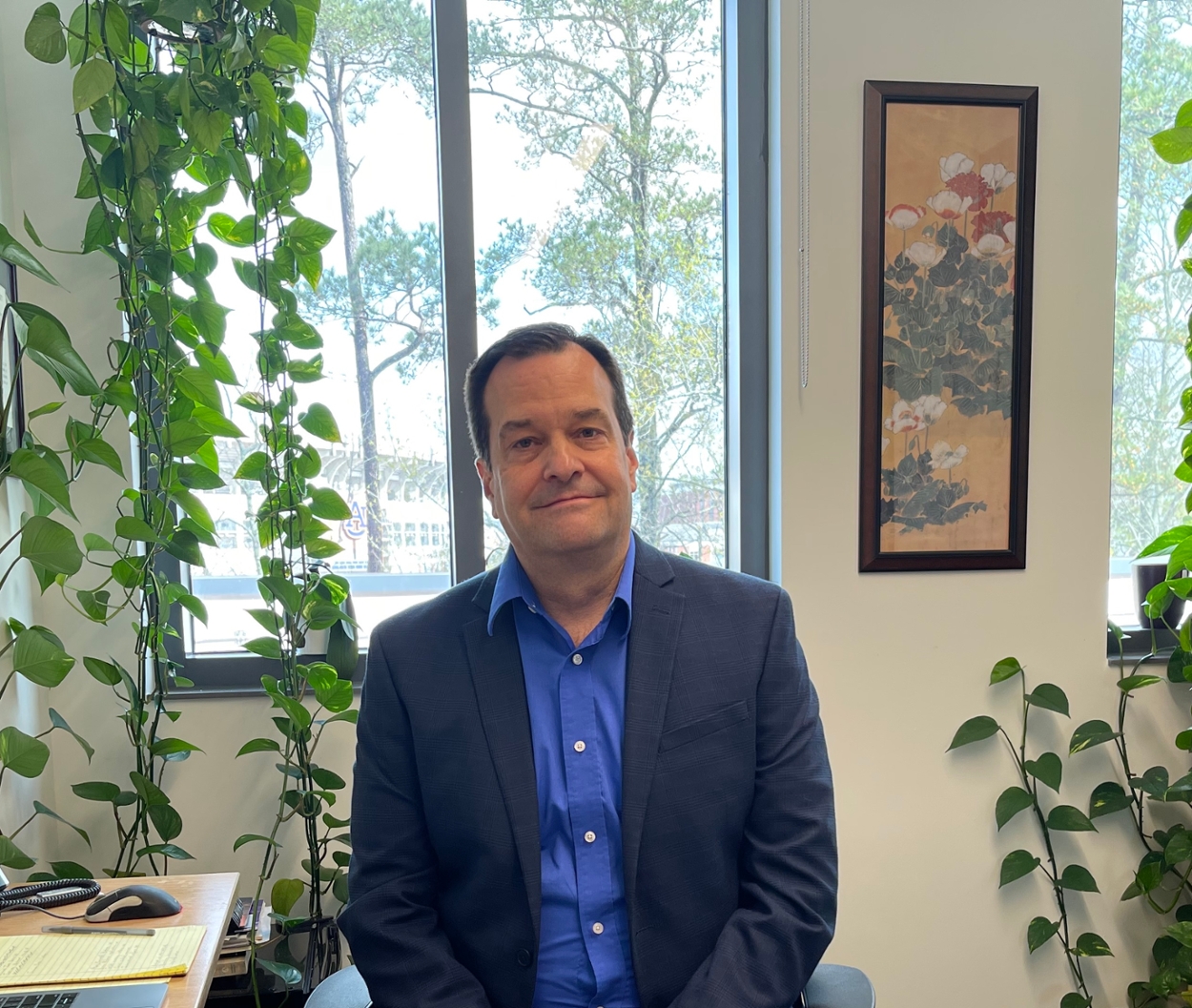
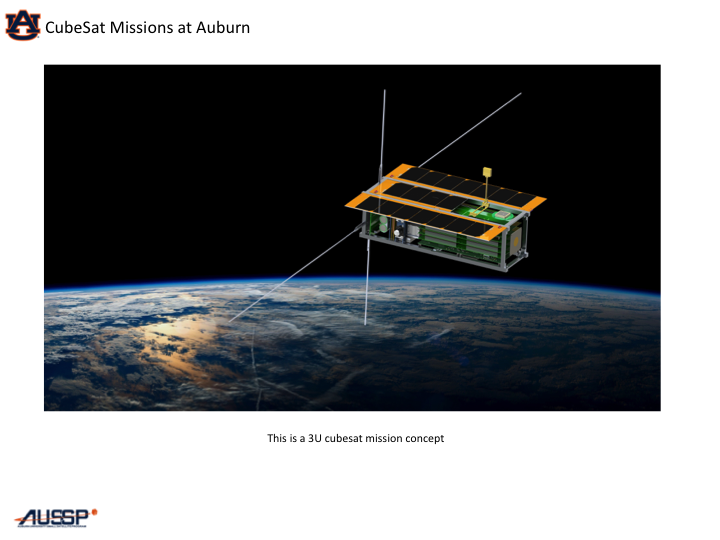
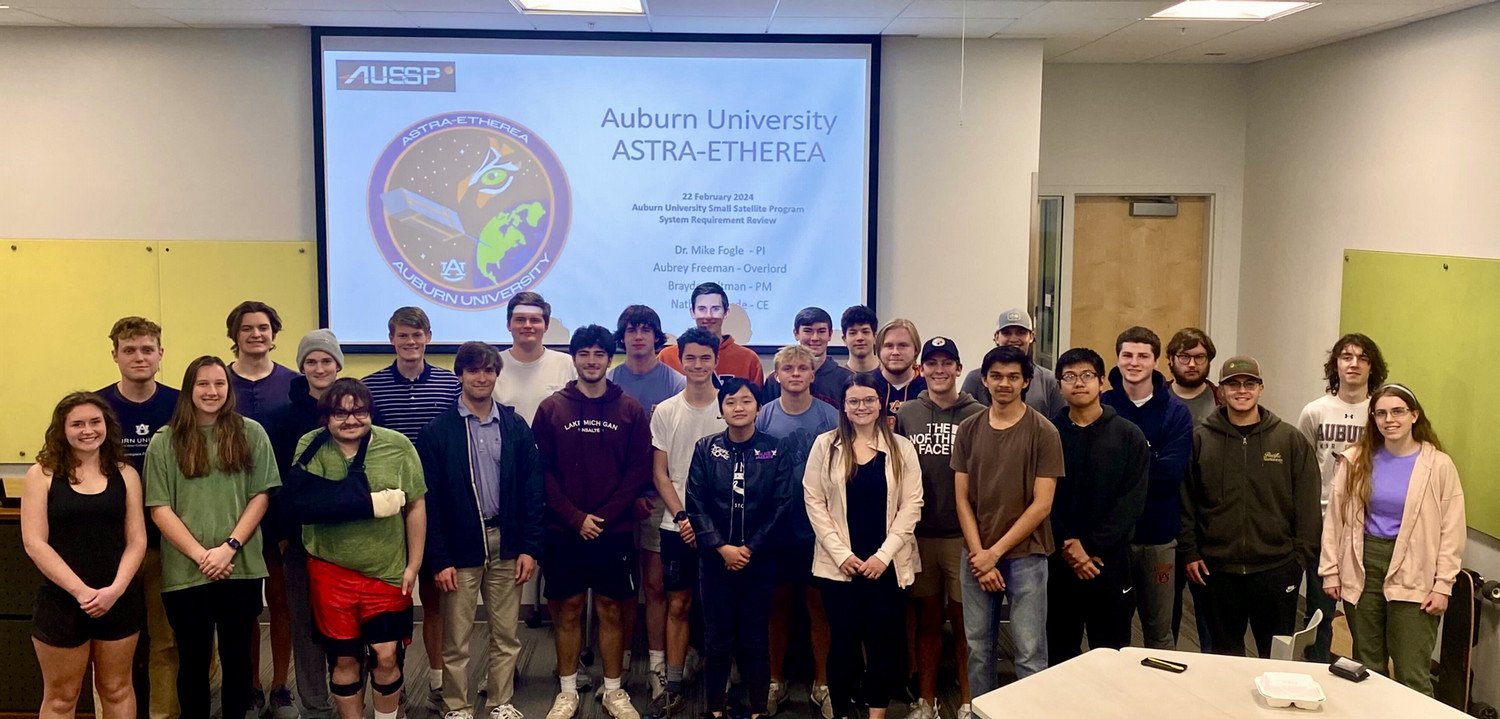
Imagine, as a student, having a once in a lifetime opportunity to build a satellite and launch it into space while on campus at Auburn University. One such opportunity does exist within COSAM, and it’s recruiting new students for future space missions! The Auburn University Small Satellite Program (AUSSP) is both a workforce development program and a space science and technology research program. In AUSSP, students get to design, build, test, and operate CubeSats - small, cube-shaped satellites - that are launched into orbit around Earth where they perform science missions.
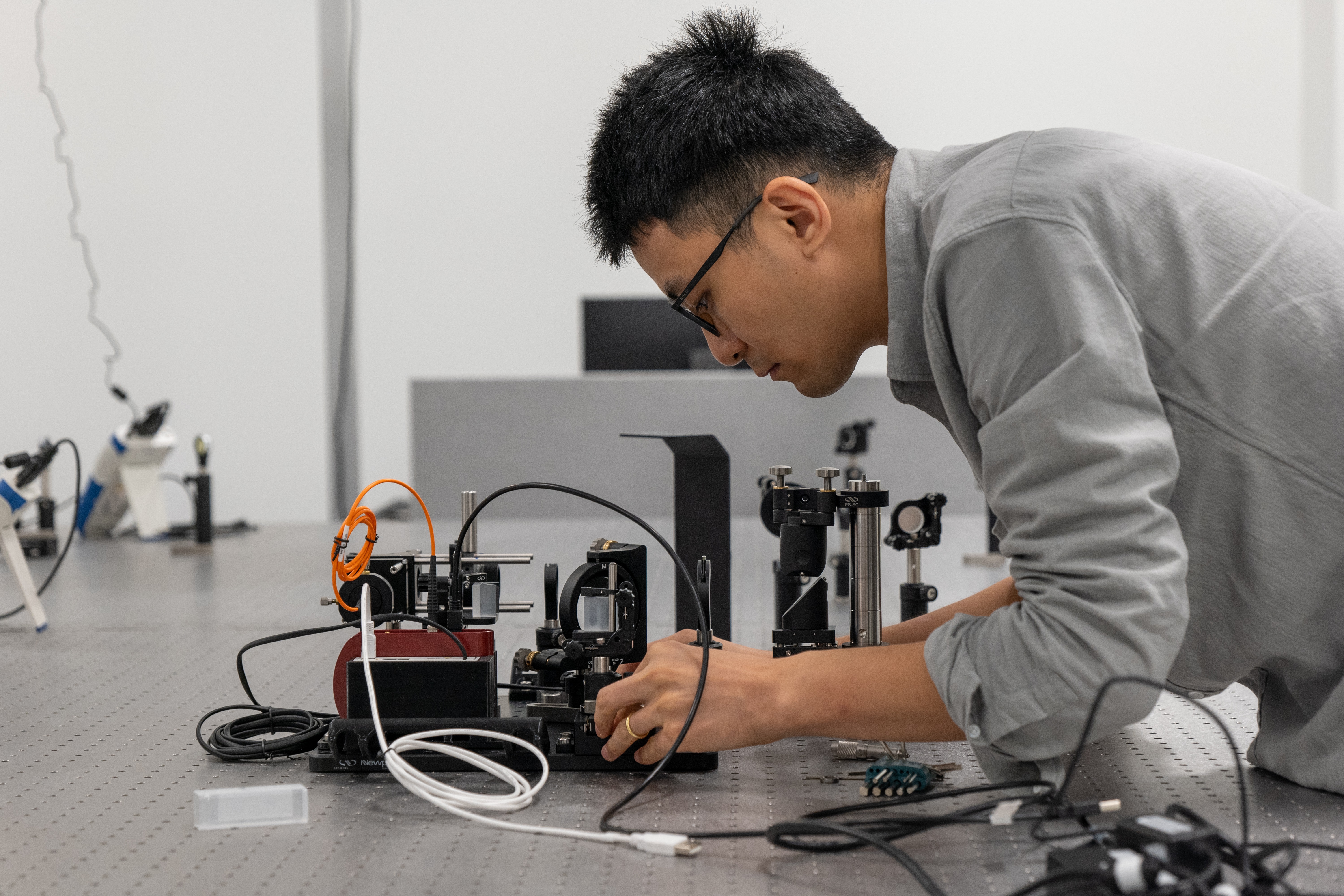
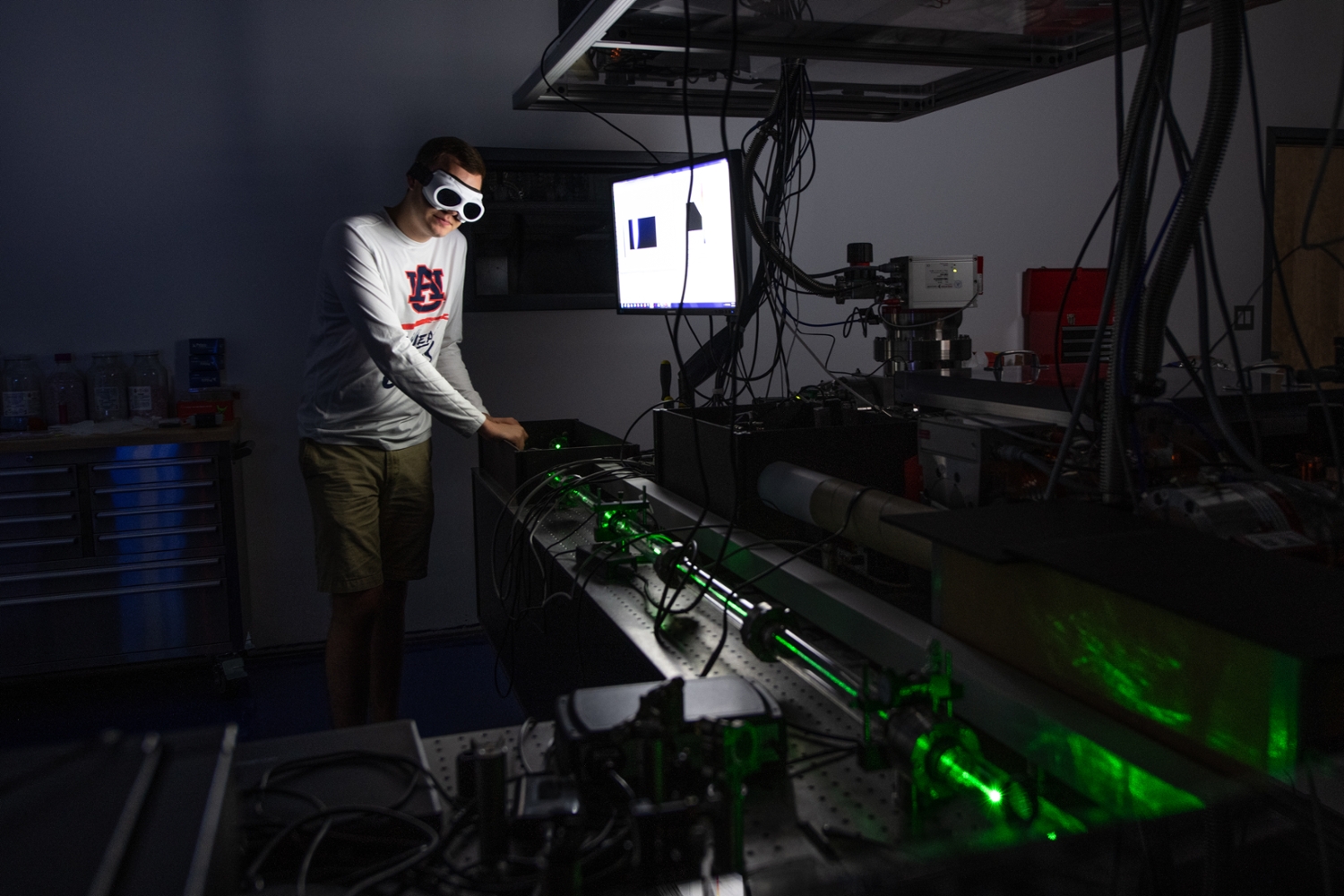
Impactful Instrumentation: Wencan Jin uses his ultrafast laser lab in the Department of Physics to conduct 2D magnetic materials research with a $523,200 National Science Foundation (NSF) award.
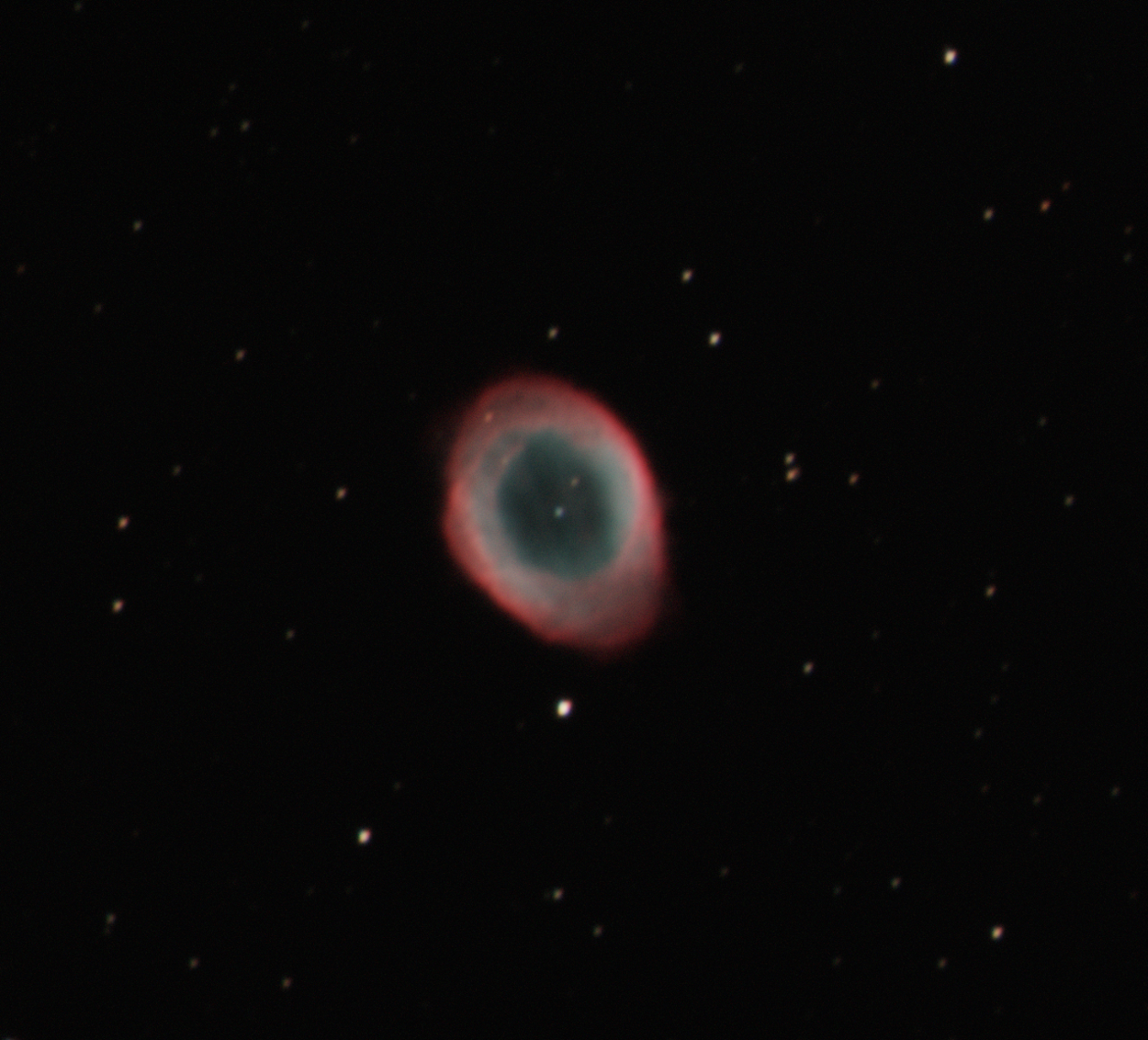
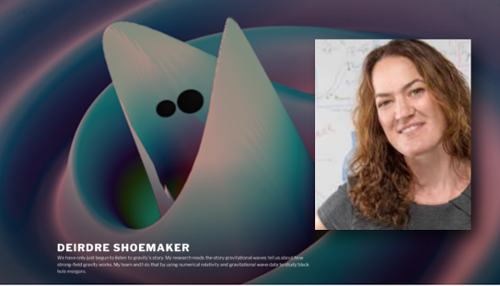
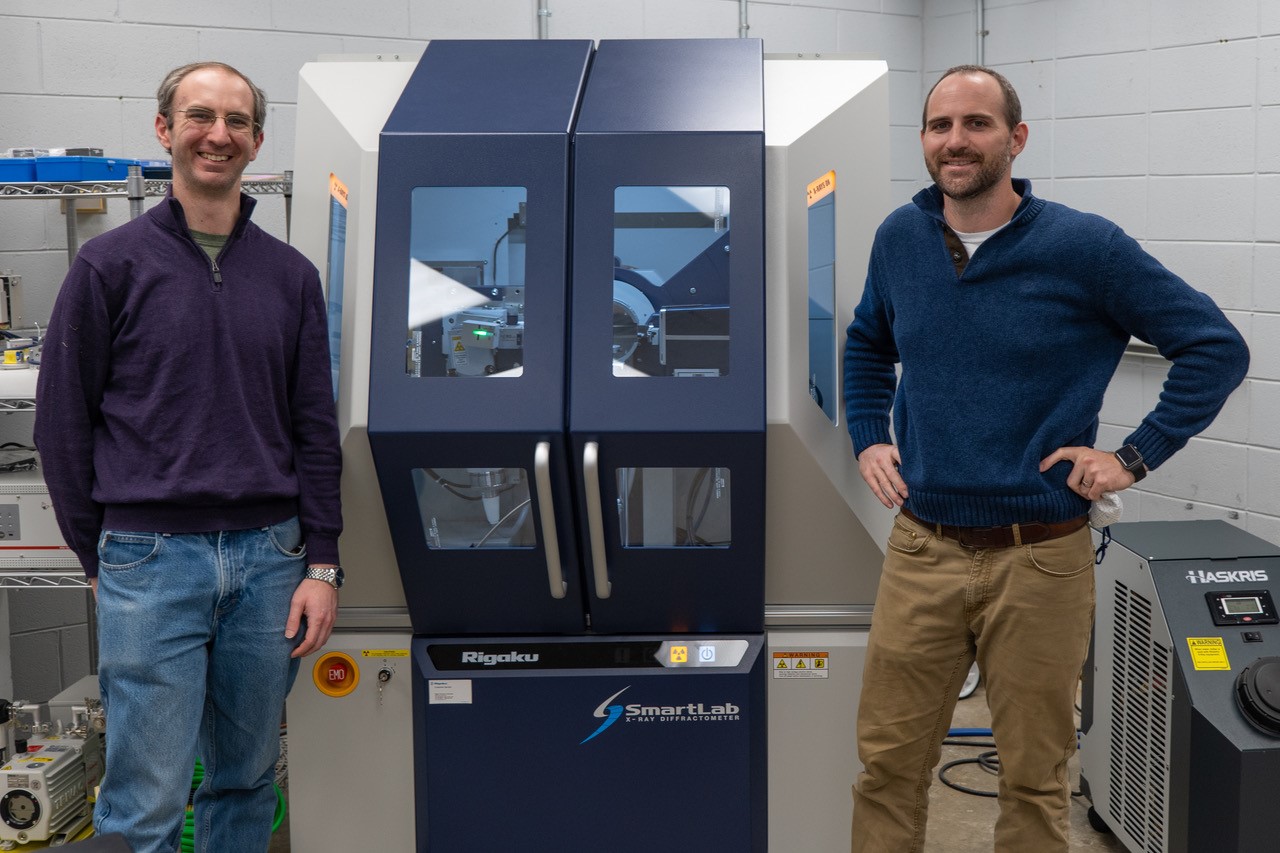
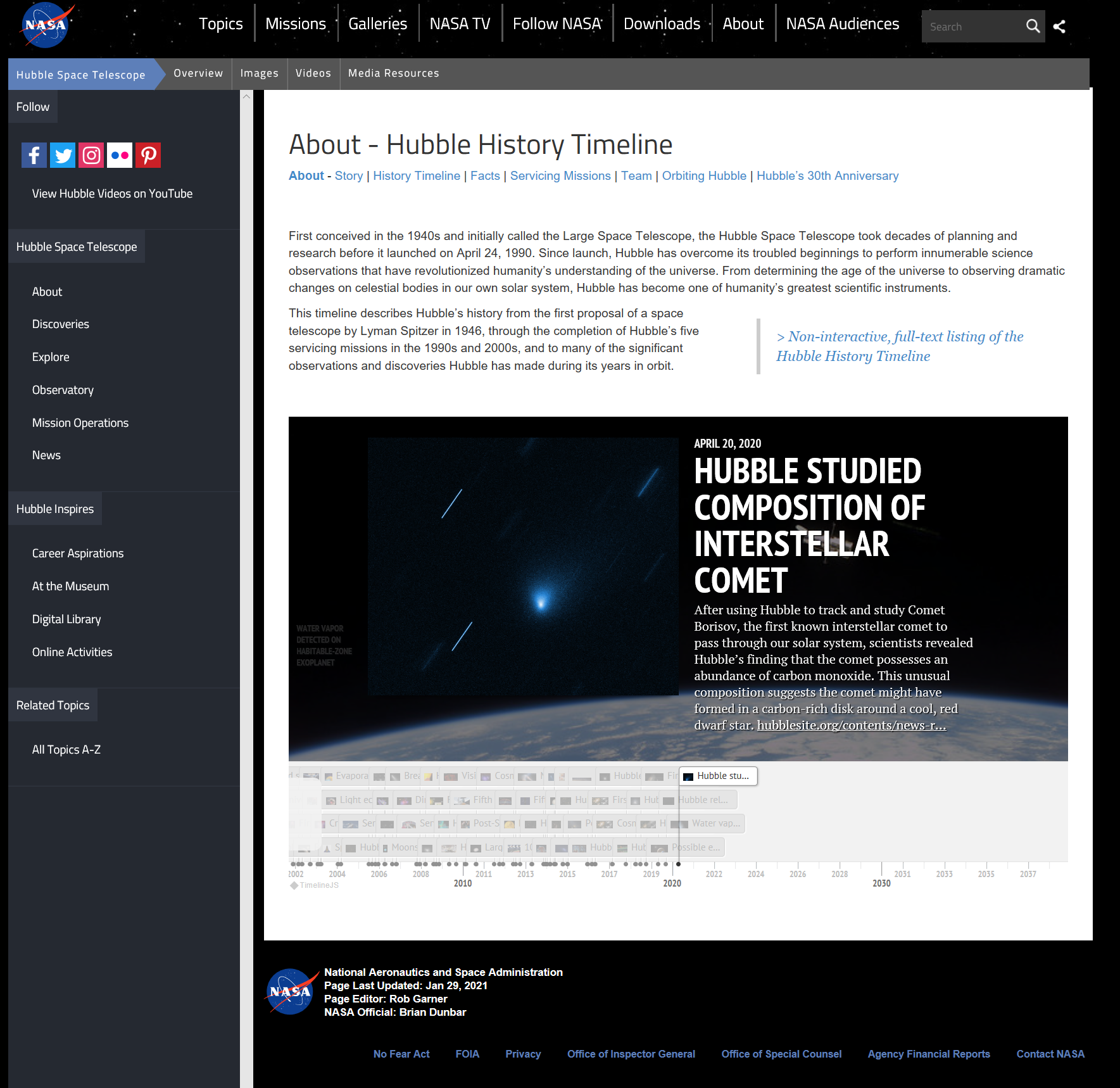
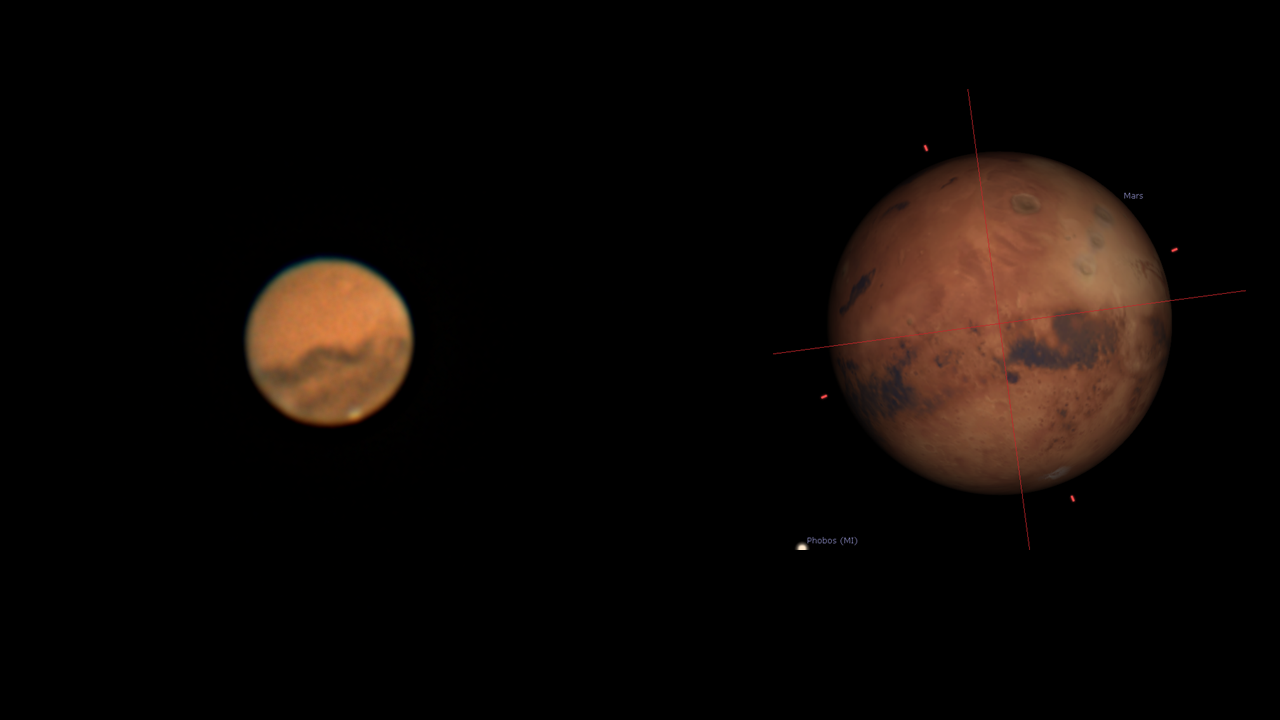
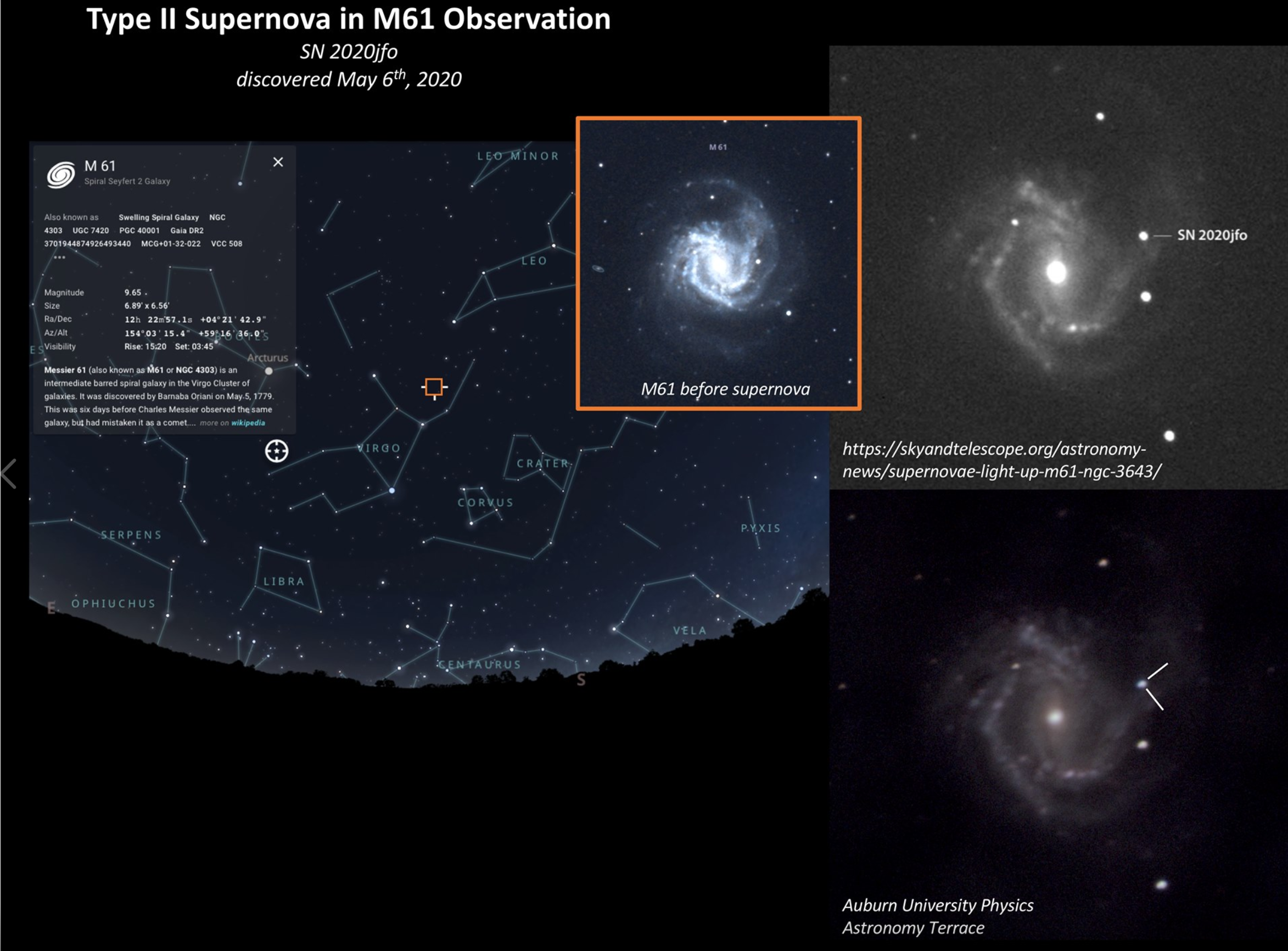
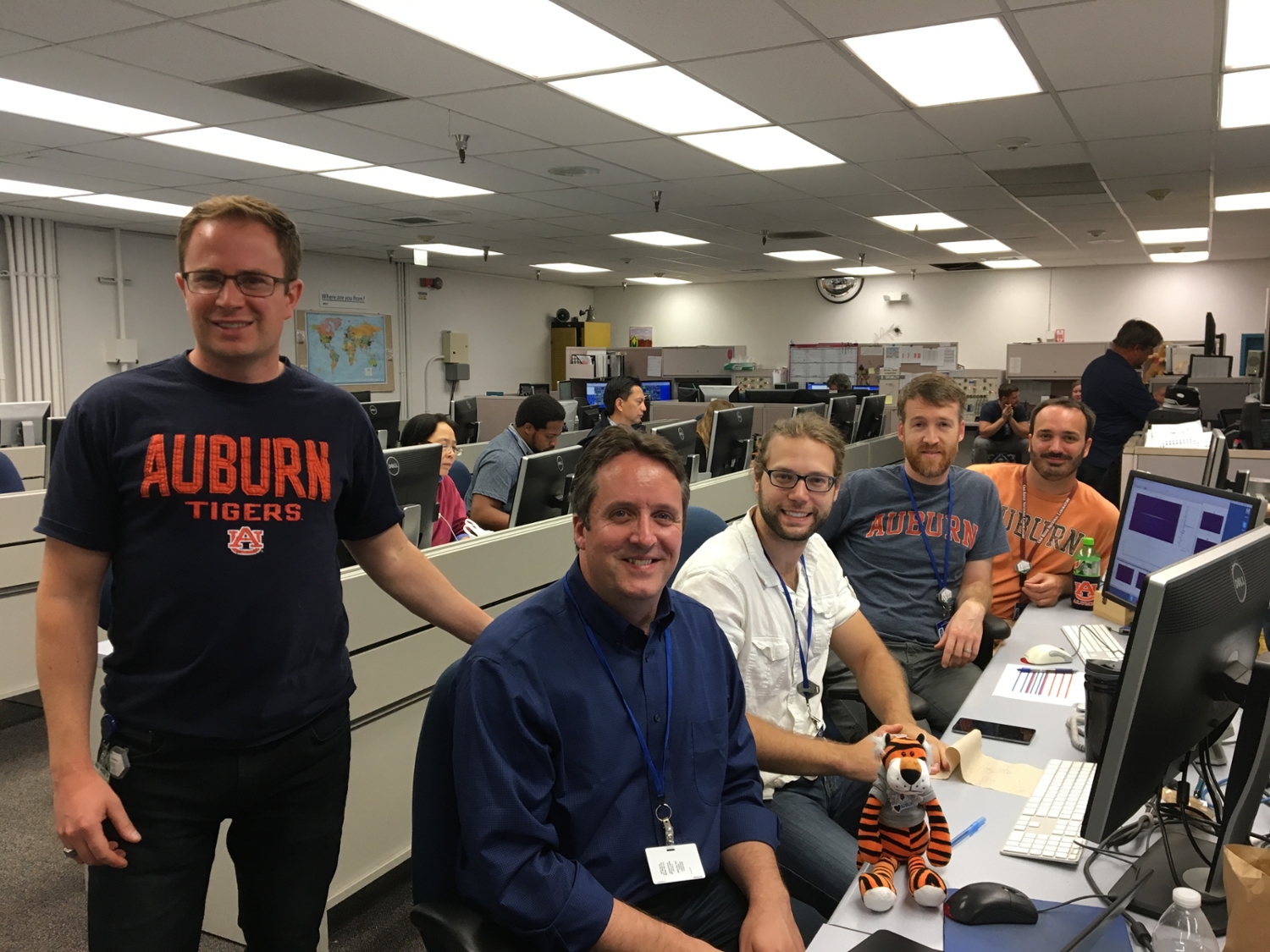
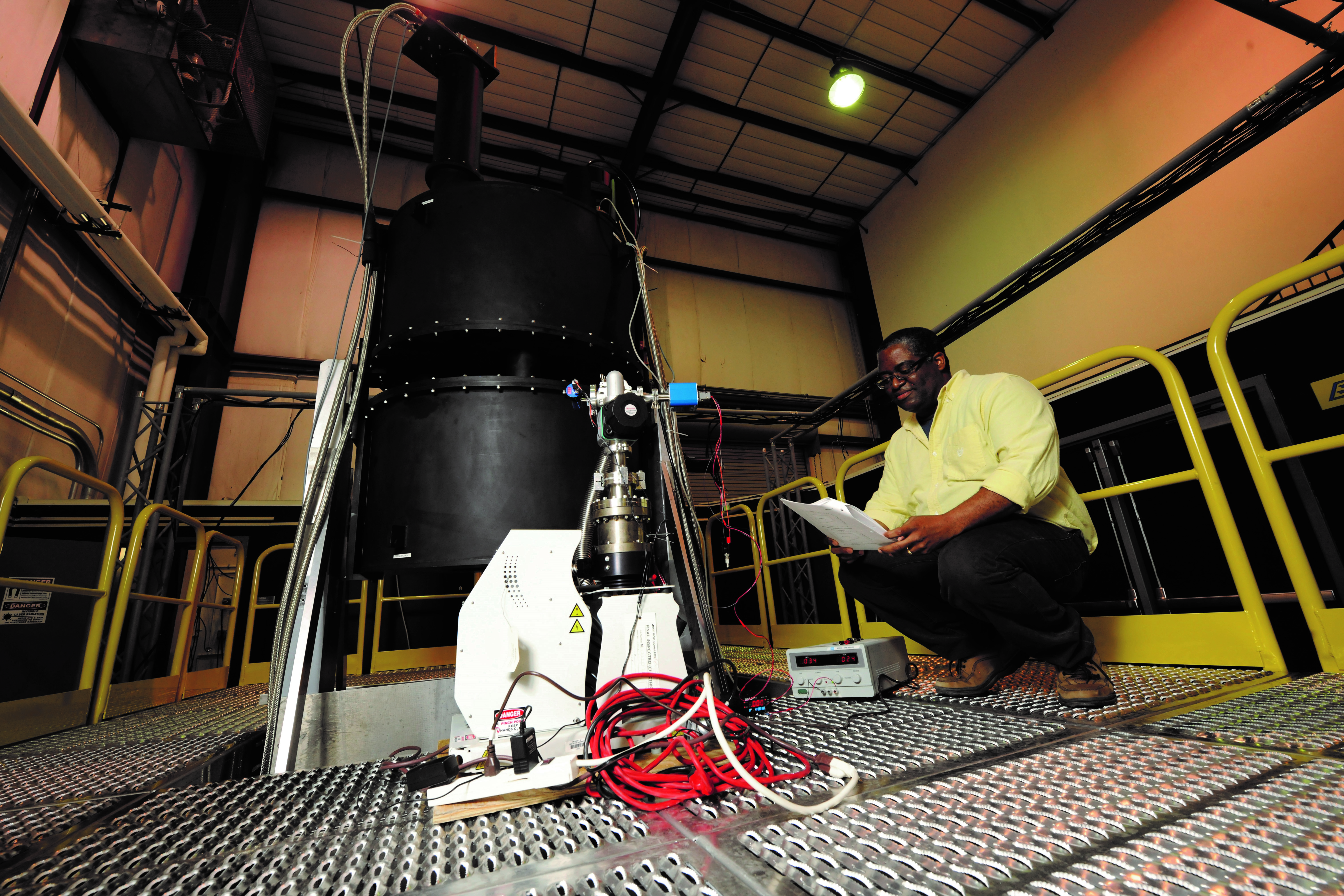
NASA, Nature Astronomy and Array of Publications Showcase Research of Auburn Astrophysicist and Team
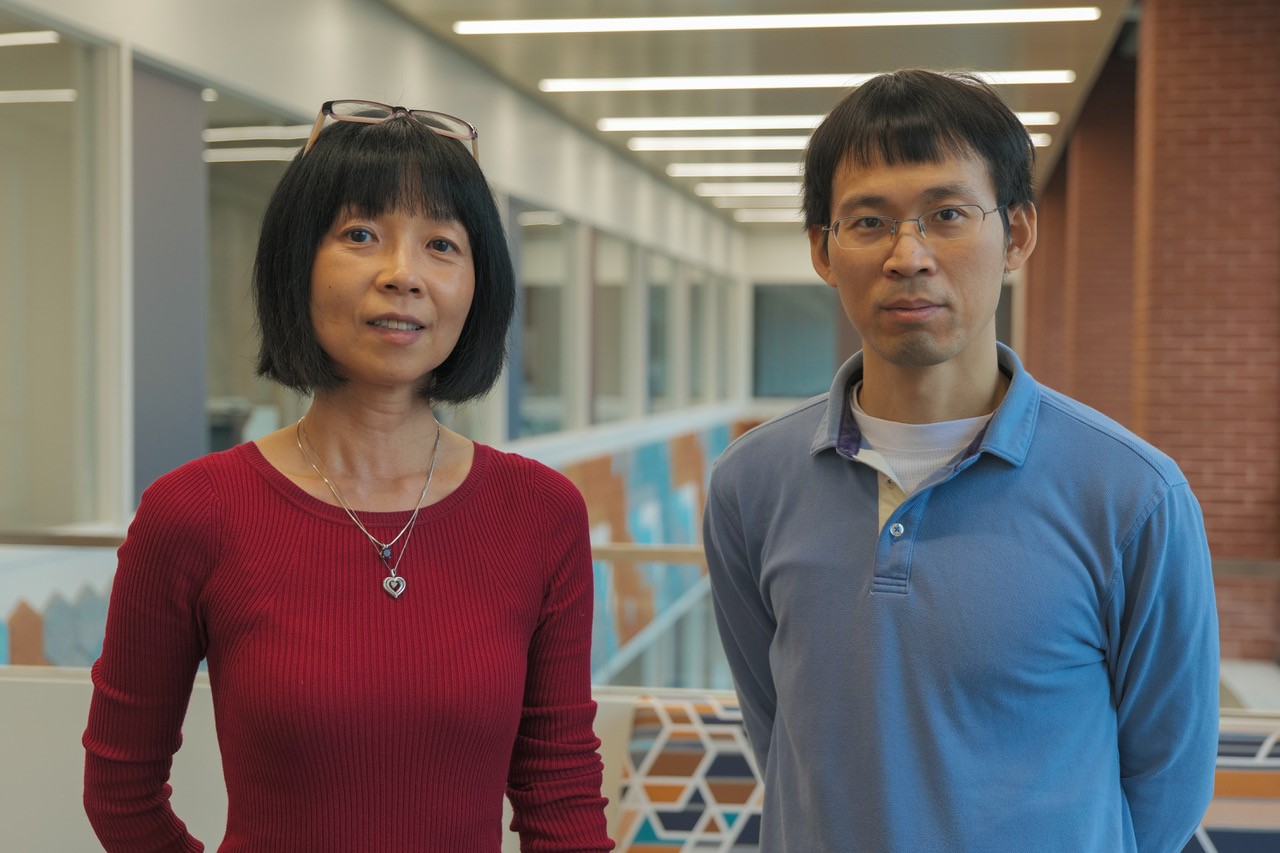
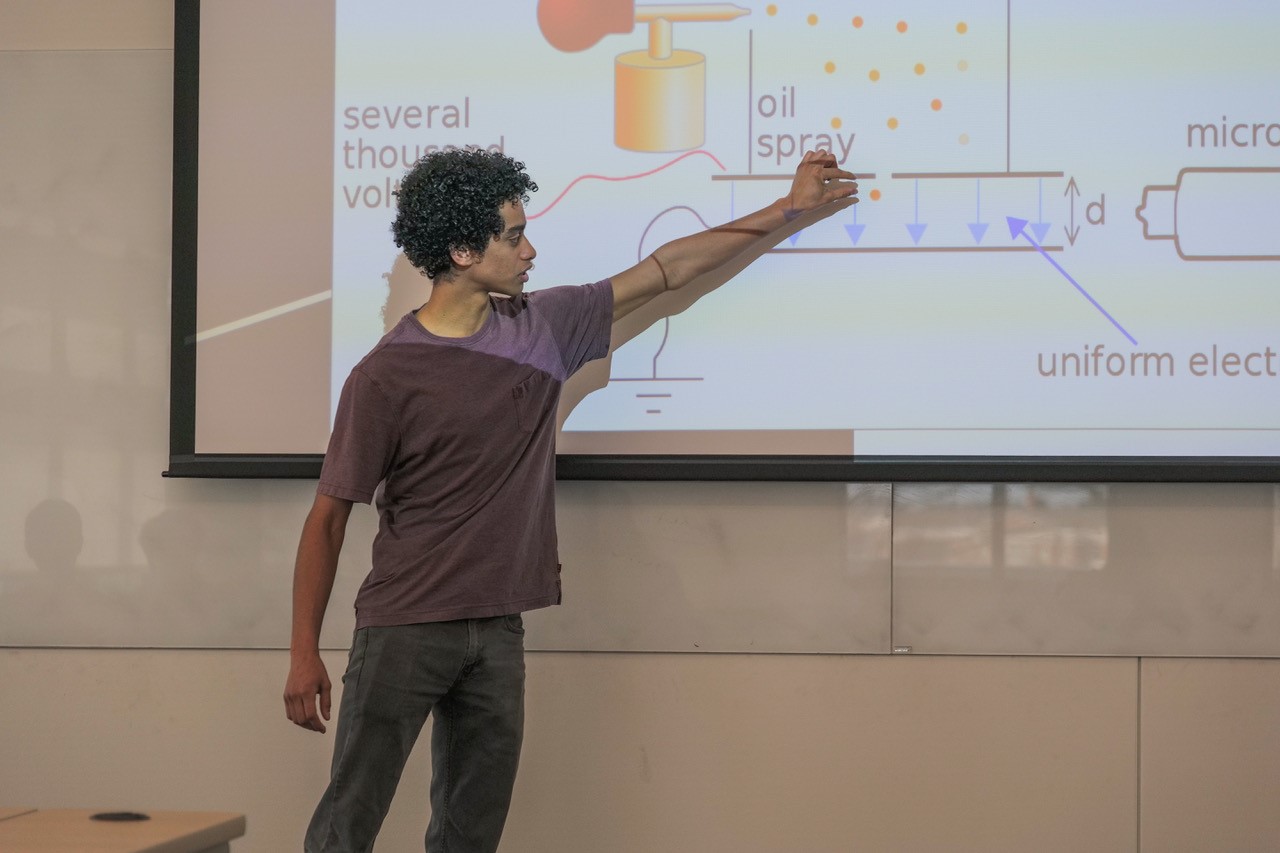
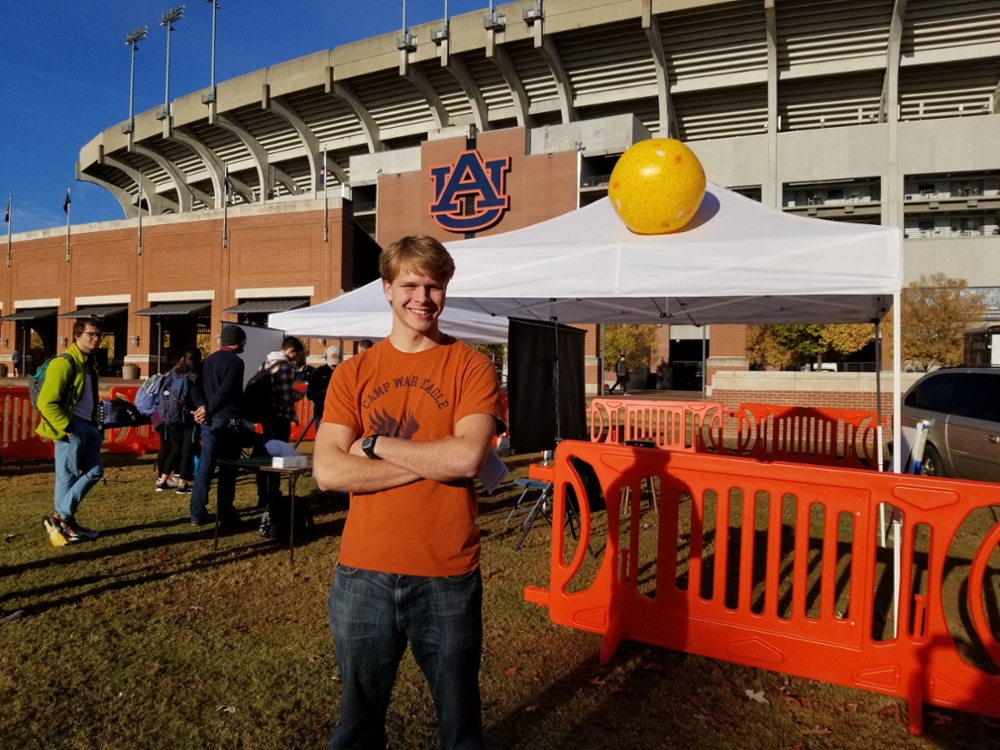
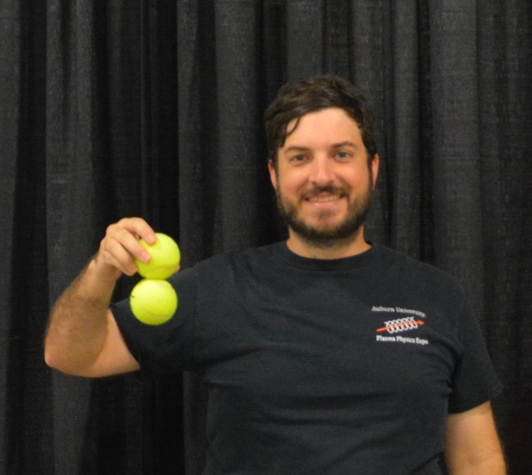
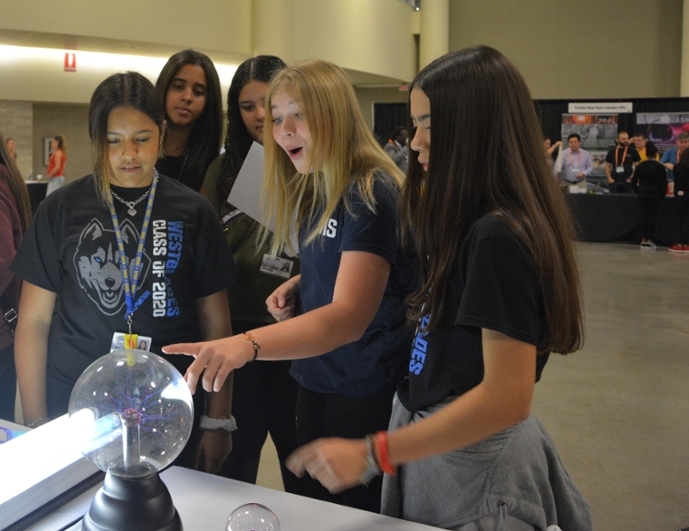
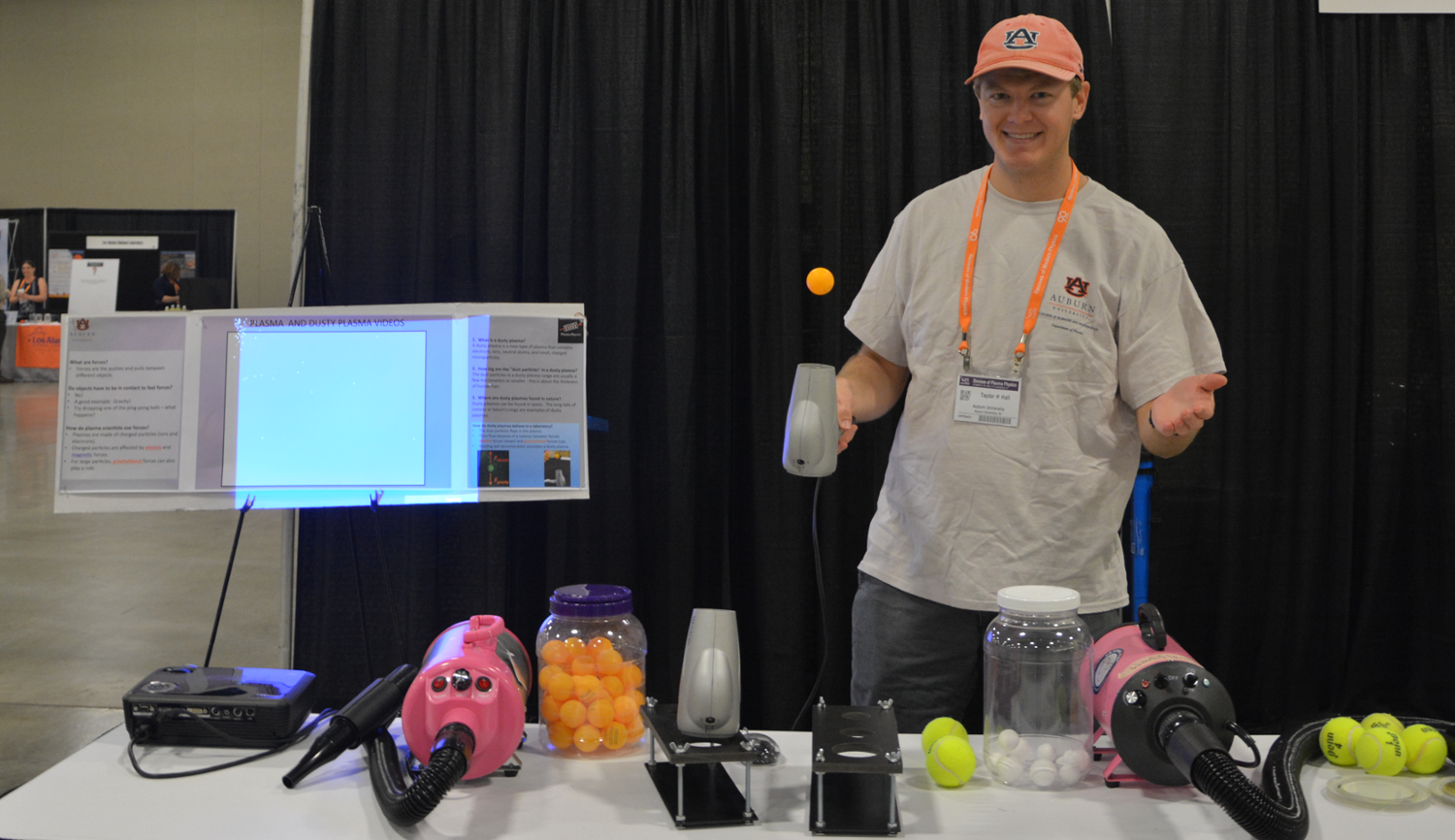
“I am now going to think of magnets in a totally different way because of science,” explained Valencia Merllien, a seventh grade at Olsen Middle School in Dania Beach, Florida. Faculty and graduate students from the Department of Physics at Auburn University made a lasting impact on more than 1,500 students at the 61st Annual Meeting of the APS Division of Plasma Physics held in Fort Lauderdale, Florida.
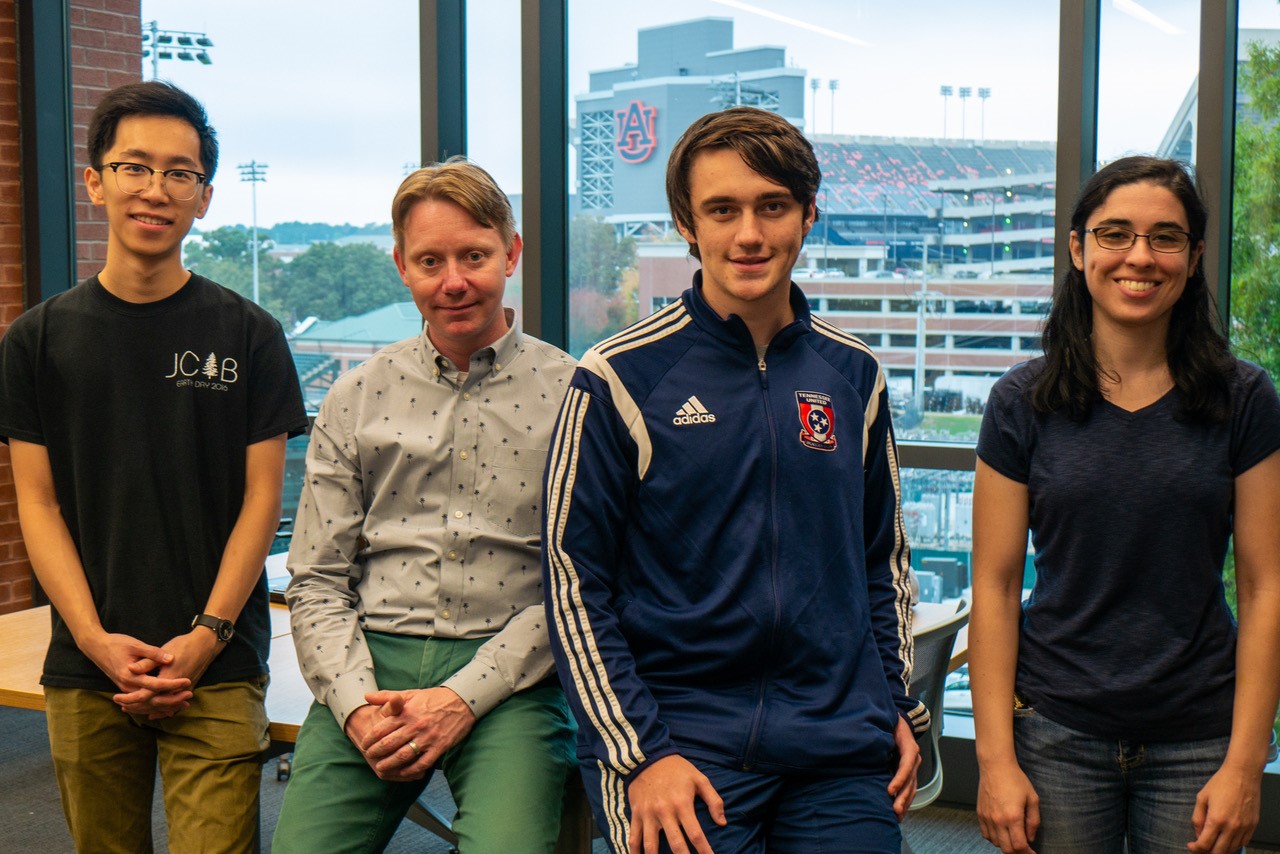
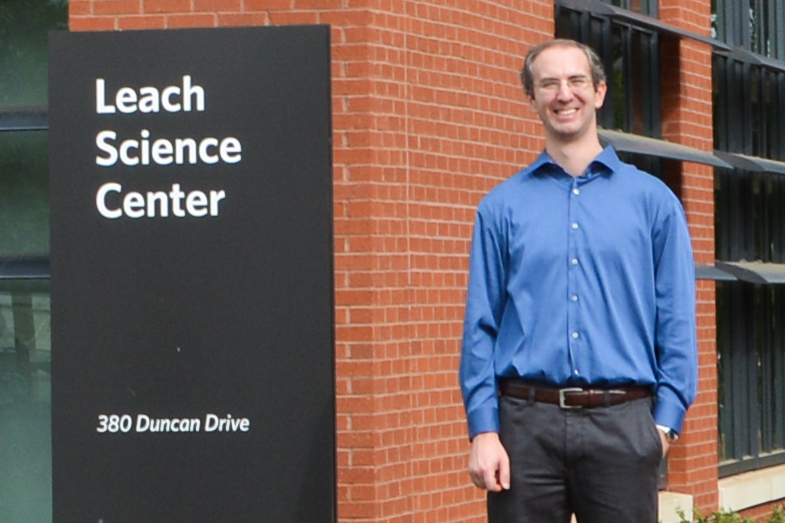
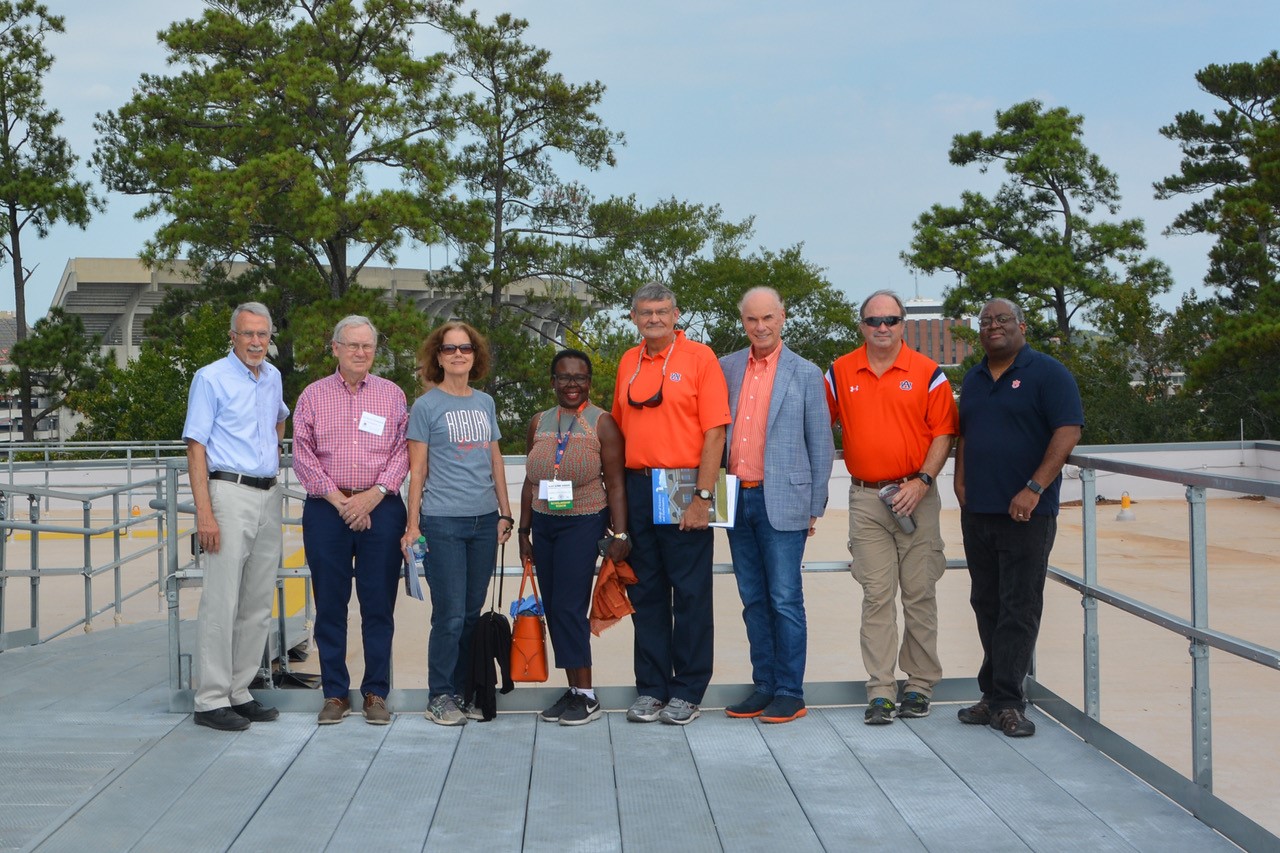
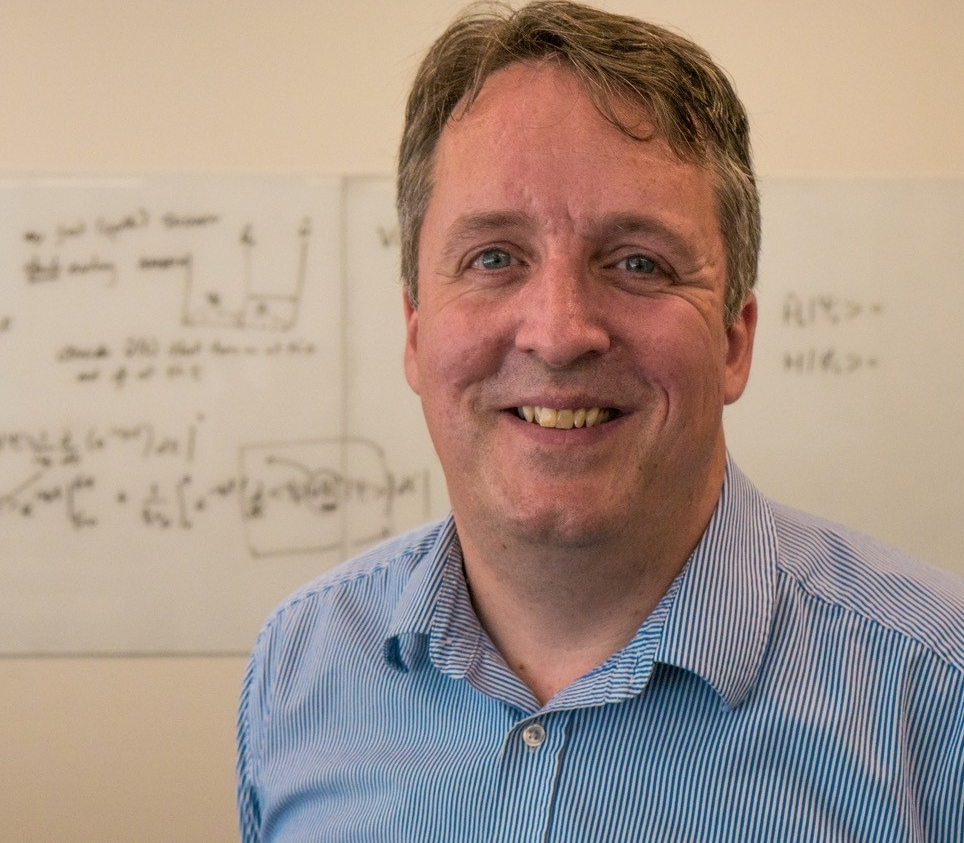
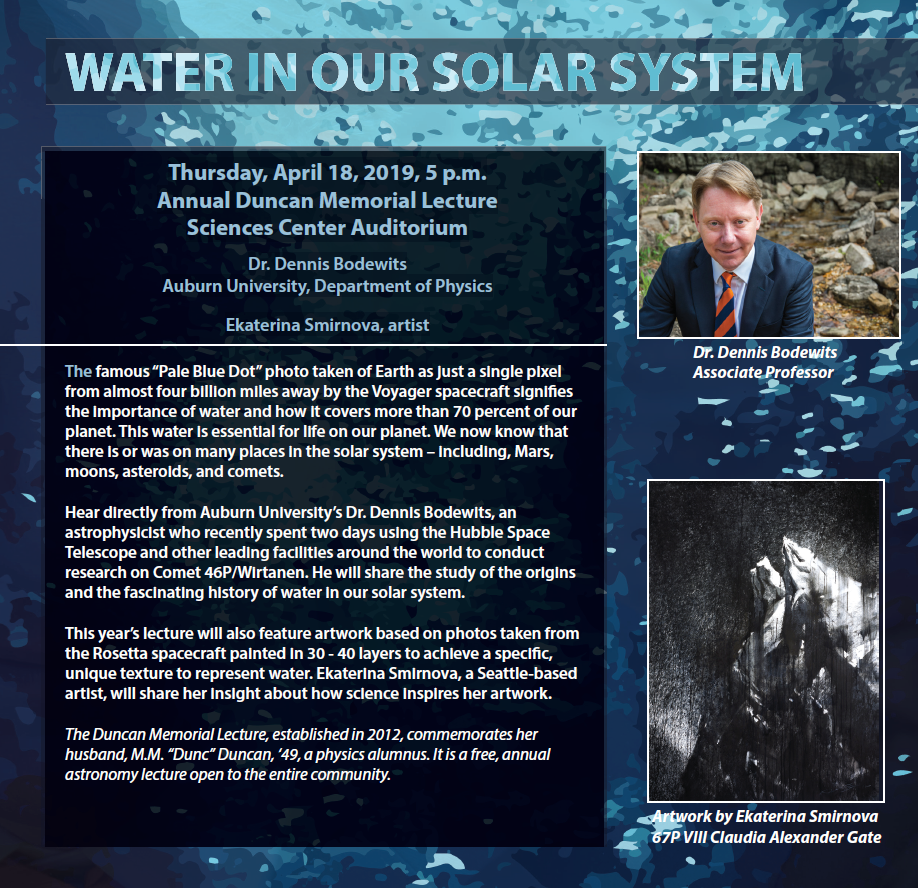
Dr. Dennis Bodewits, associate professor in the Department of Physics, spoke at the Discover Auburn Lecture Series. Hosted by the Auburn Libraries, these public events showcase the university and its land-grant mission of teaching, research and extension/outreach. Dr. Bodewits, whose research focuses on water in the solar system, spoke on the topic of “From the Microscope to the Hubble Space Telescope: Laboratory Astrophysics at Auburn University” on Thursday, September 5, in the Caroline Marshall Draughon Auditorium in the Ralph Brown Draughon Library.
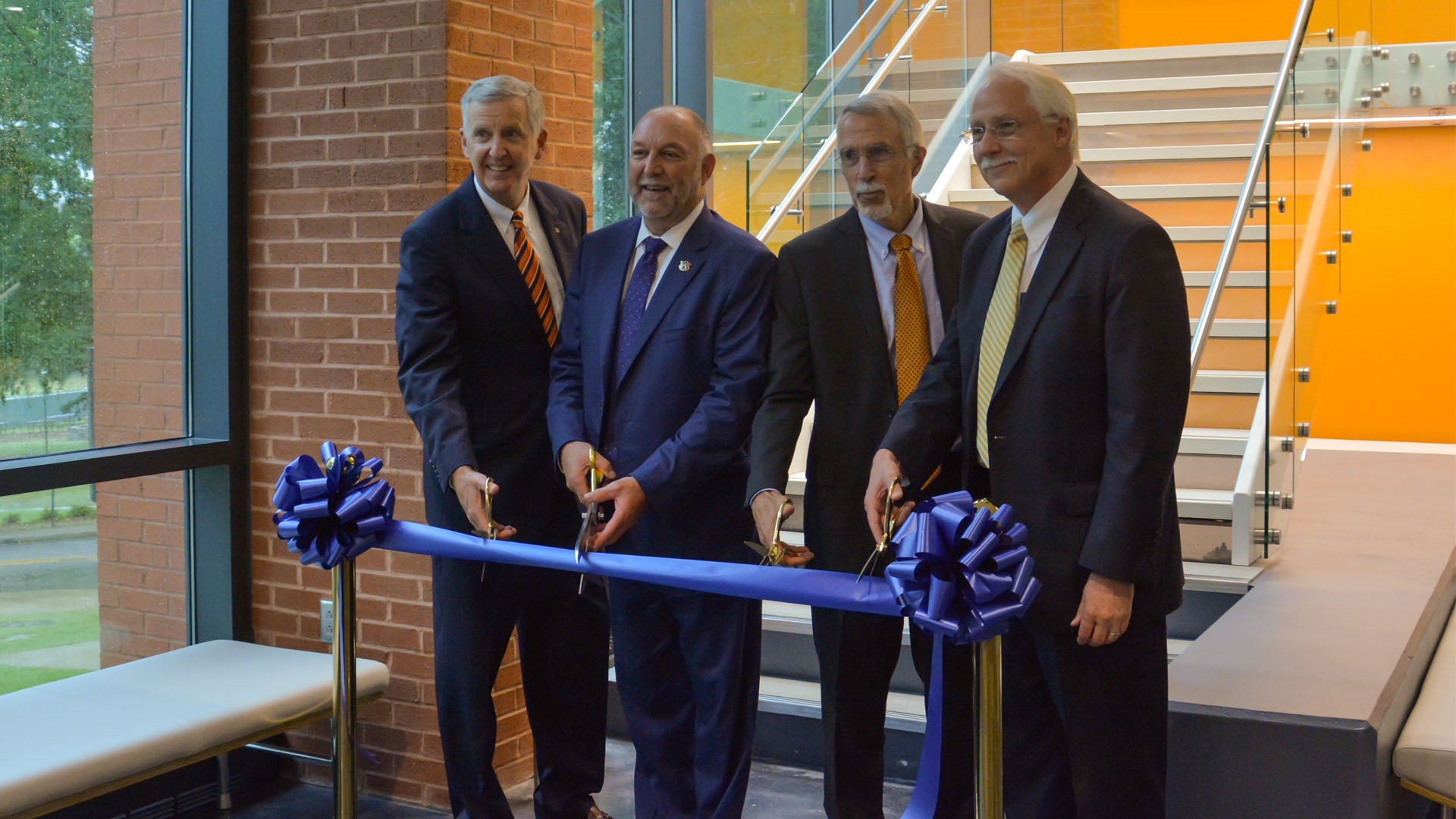
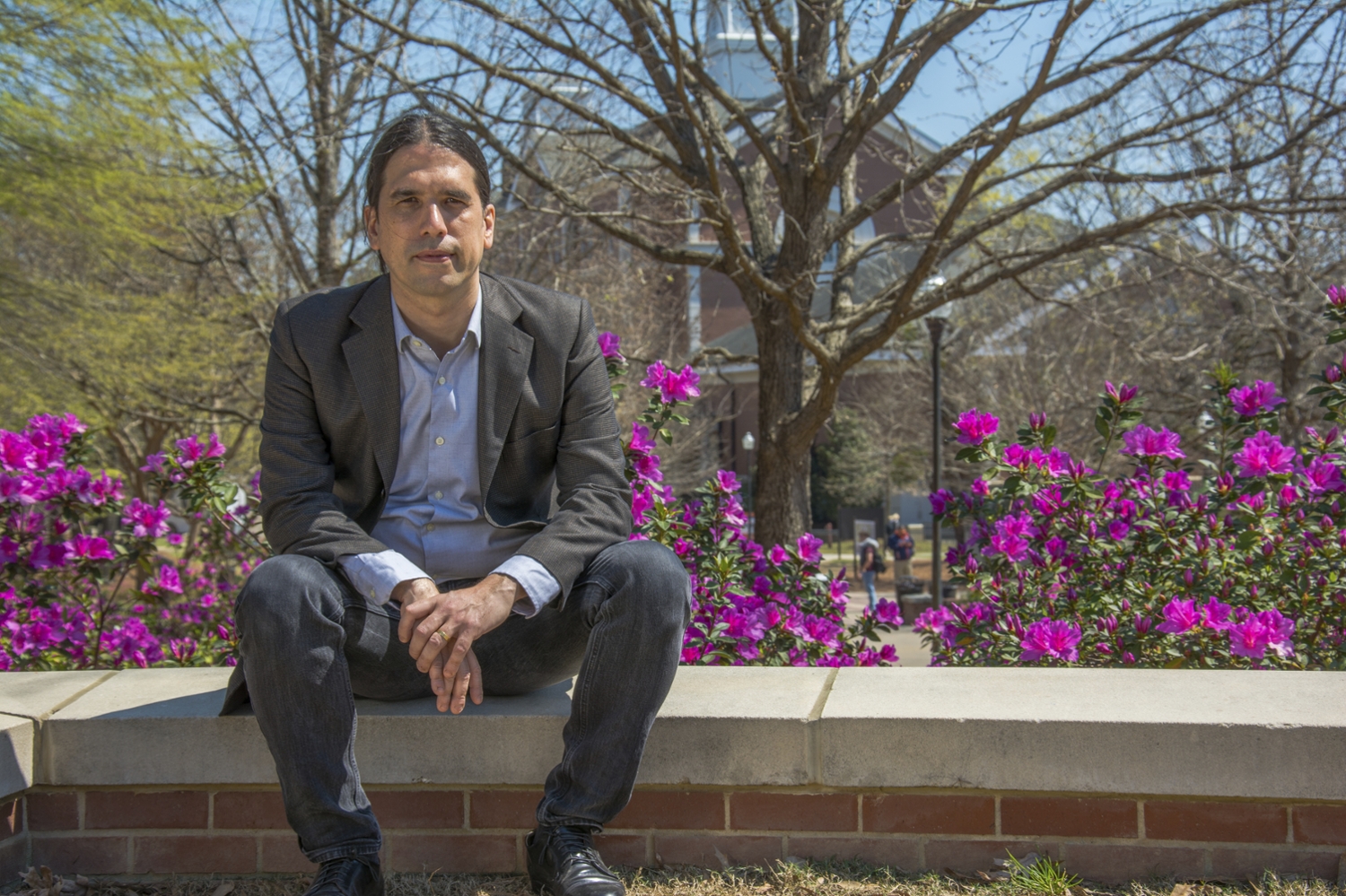
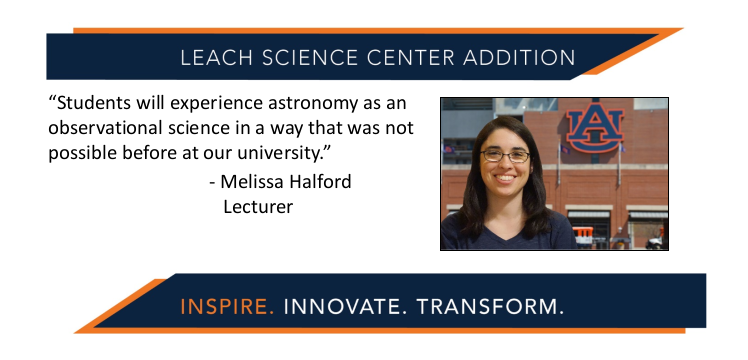
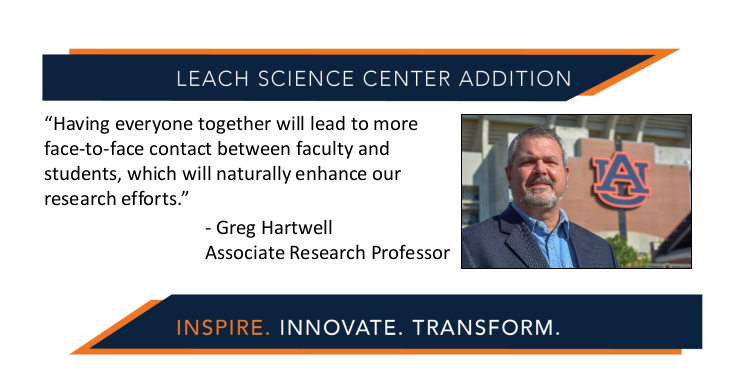
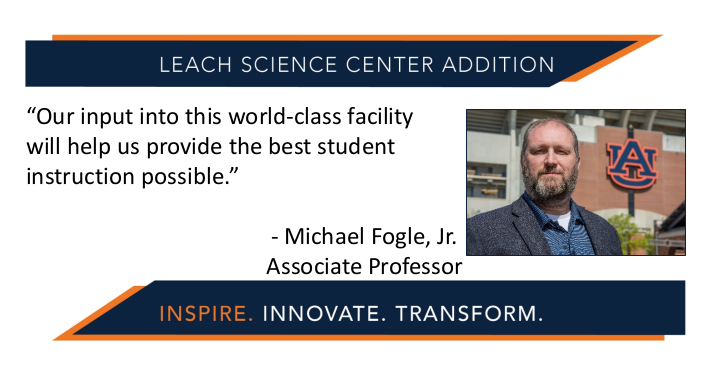
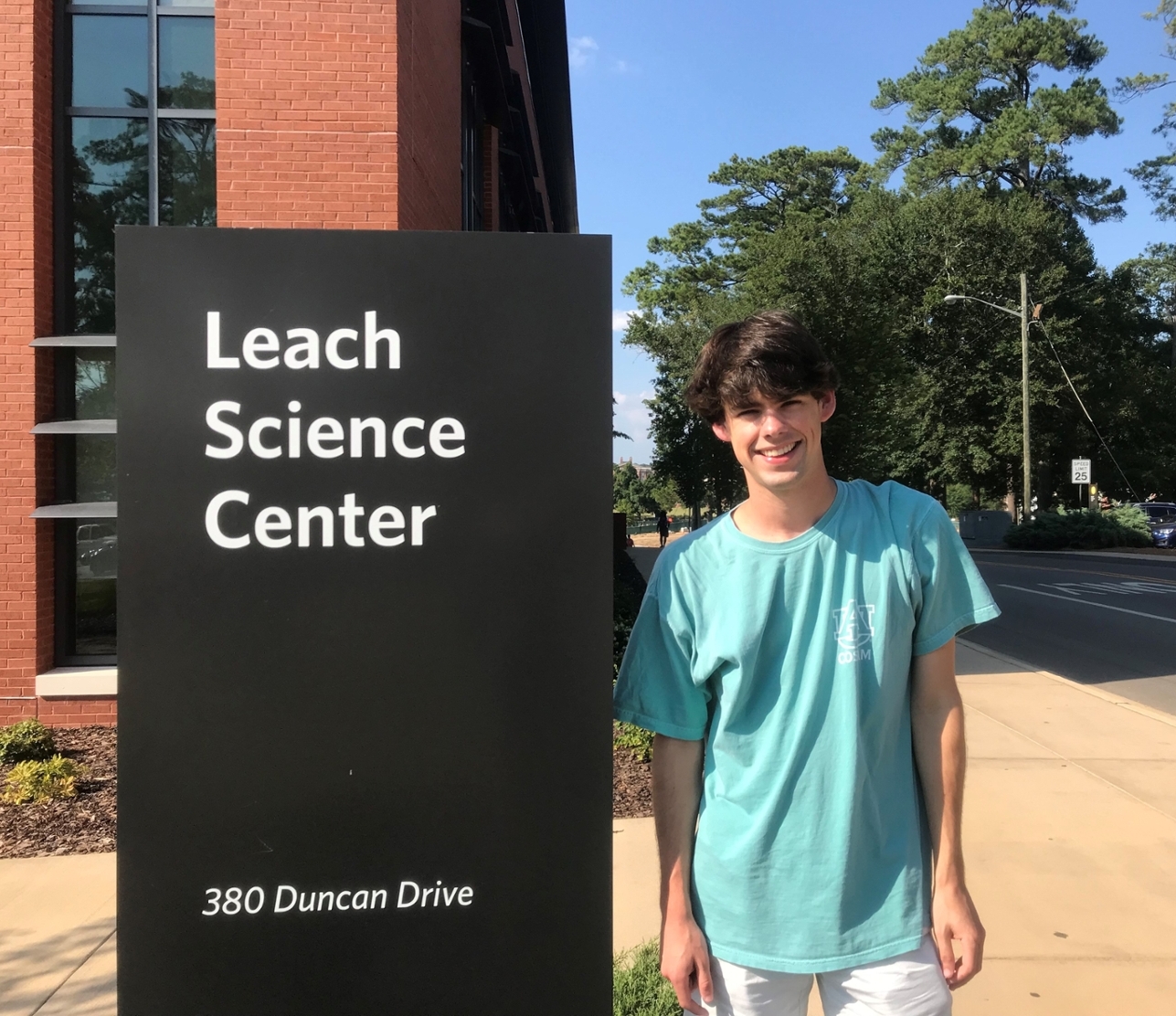
The Leach Science Center Addition is an excellent example of collaboration among the architects, construction team and faculty. Throughout the course of this project, faculty feedback was directly implemented in teaching labs, common spaces and classrooms. “Our input into this world-class facility will help us provide the best student instruction possible,” said Dr. Michael Fogle, Jr., associate professor in the Department of Physics. The new class setups enable a more engaging and developed curriculum for all students. “Thoughtful planning went into every aspect of the Leach Science Center Addition,” he added.
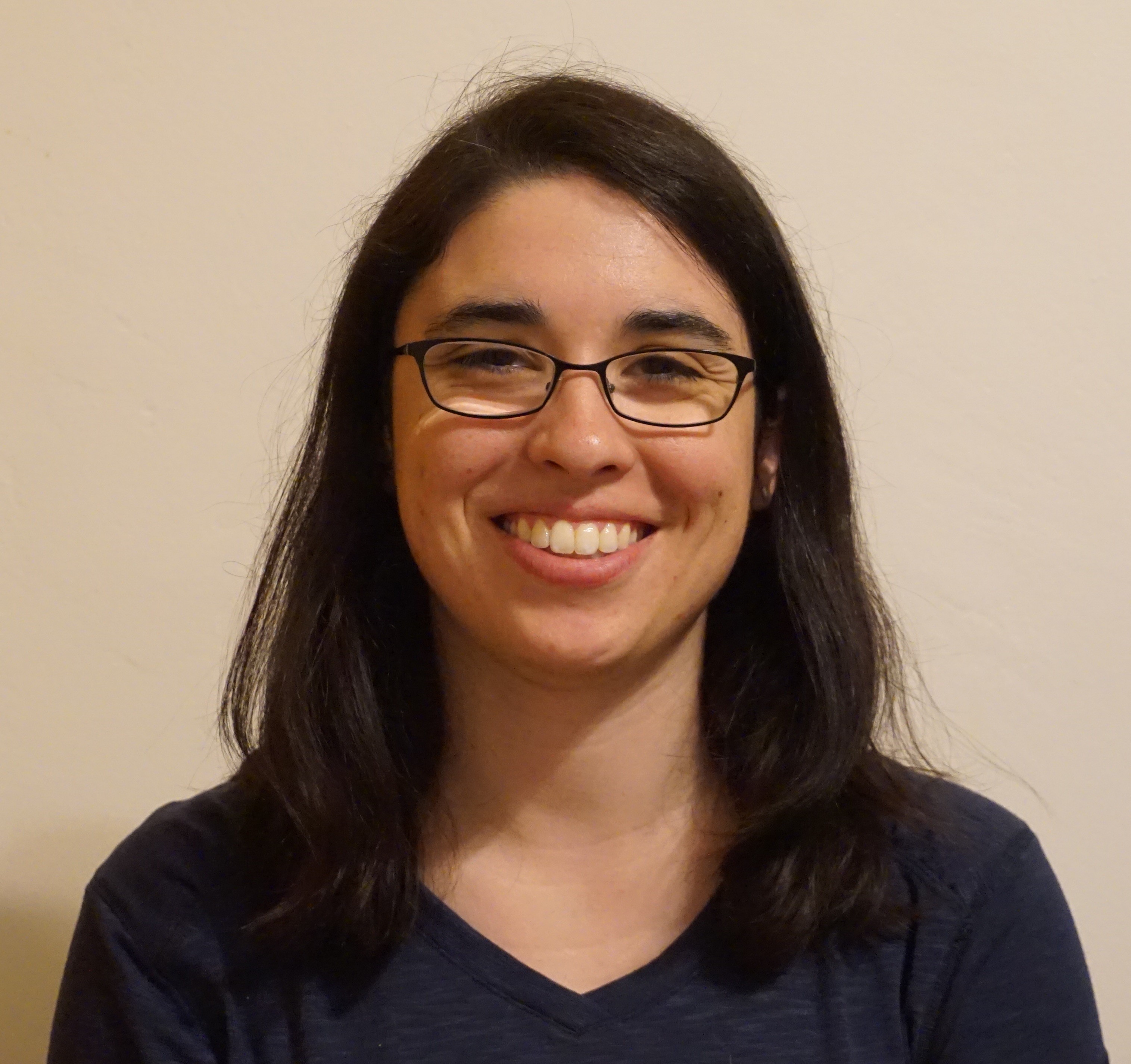
Growing up in the Bay Area of California, Melissa Halford knew she wanted to pursue a career in astronomy since her freshman year in high school. “I like to be able to explain how things work,” explained Halford. “Physics gives you an incredible opportunity to apply familiar techniques to solve complex problems. The same tools we use here on Earth also help us understand the very different conditions that exist in space.” Halford majored in astronomy at Cornell University and then earned her Ph.D. at the University of Arizona. She made the transition from Arizona to Auburn. “I was excited to come to Auburn because of how much the faculty in the Department of Physics care about the quality of teaching here,” Halford shared. “The norm in the department is collaboration and sharing of ideas to improve everyone’s teaching.” Halford, a lecturer in the Department of Physics in the College of Sciences and Mathematics (COSAM), always knew she would be in the classroom. She has taught in one form or another since middle school, when she tutored her peers in mathematics. When she’s not in the classroom, Halford enjoys being outdoors. Halford taught rock climbing to students as an undergraduate at Cornell and still enjoys climbing today. She loves to take hikes and rides her bike to campus. Halford also has a crafty side. She has been quilting since middle school and is currently working on a quilt that incorporates the entire solar system. Planets are to scale, but their sizes and distances are scaled differently so that all of the planets are visible. She is even adding moons to the design. Halford’s sage advice to students is based on her approach to teaching. She shares with students her perspective that everyone in the classroom supports each other to succeed together. “I was told when I gave my first lecture to a large class to remember that the students are rooting for me. I try to let them know that I’m rooting for them, too.” Halford said.
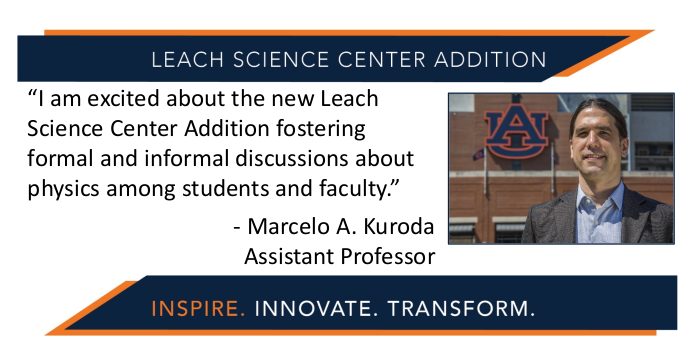
Dr. Marcelo A. Kuroda is inspired by the open spaces in the new Leach Science Center Addition. “The design of the classrooms and areas for informal meetings will help foster further discussions for both faculty and students in the Department of Physics,” he explained. “I think the new facility’s design will offer an ideal environment for incubation of new ideas in collaborative research and the two-way talk discussions between students and faculty in their physics instruction.” Dr. Kuroda currently teaches solid state physics to students at Auburn University. He is also looking forward to the technology in the new Leach Sciences Center Addition. “The technology in the classroom is not only a formidable tool to help students get the most out our classes but also an indispensable skill to join the competitive STEM (science, technology and mathematics) workforce in this day and age,” he added.
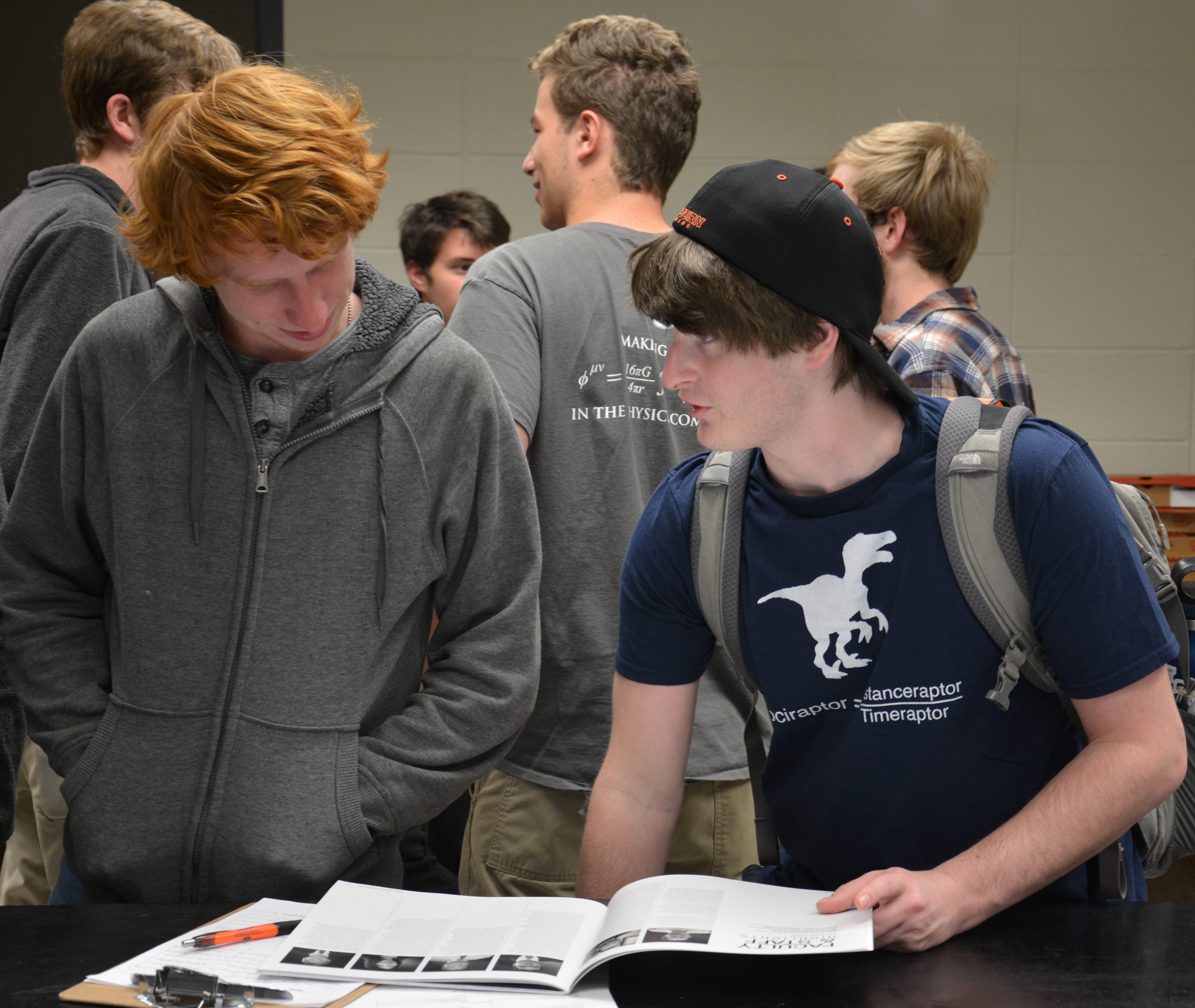
“A degree in physics is a gateway that gives you so many opportunities in life,” said Pierce Jackson, vice president of the Society of Physics Students (SPS). On March 21, students with an interest in physics had an opportunity to connect with faculty, learn about research opportunities and see updates about the New Leach Science Center Addition. “Student Advisor Katie Cooper created this physics social hour where students can easily talk with faculty from the Department of Physics and network with other students,” said Will Pennington, physics major and SPS member. “It really is a great opportunity for us.” In addition to speaking with faculty, students could look at renderings of the new facility and see photos from the latest walk-through. “I am excited the new Leach Science Center Addition is designed for collaboration,” explained Will Bowers, president of SPS. “It will be convenient for students to have a new group study area that also provides us to work together after classes and interact directly with faculty whose offices are right there.” Valerie Green, a volleyball student athlete is looking forward to taking astronomy classes in 2020 in the new facility. “I want to be an astrophysicist and the new Leach Science Center Addition will have a telescope terrace with the chance to study the solar system like never before,” Valerie said. Any student at Auburn University who is interested in physics or astronomy can join SPS. “SPS is a group that offers friendship, support and encouragement to everyone,” shared Will Burdett, SPS member. SPS has no GPA requirement and is free to join. Meetings are held every other Tuesday on campus. Members share an interest in physics and enjoy opportunities to talk about their current class projects, research interests and much more. Students can learn about research opportunities including hands-on experience in labs, annual scholarship opportunities and events for students to participate in educational outreach. “I enjoy learning the fundamental building blocks of physics,” said Lydia Mitchell. Lydia, who is a new member of SPS, highly recommends other students to join. “You can network with other students and have fun with people who have a passion for physics,” Lydia added. Conner Robinson, treasurer of SPS, is thrilled to have a new meeting room in the facility where students will be able to gather. He enjoys the challenge that physics offers. “I am a physics major because I enjoy the chance to solve problems and take on more complex material,” Conner said. Students have options to pursue learning about physics with a double major or minor. “I am interested in a minor in physics to help me succeed in my medical career,” said Khendra Lucas, a Biomedical Sciences major. “Physics can enhance my degree and help any student who wants to become a physician with a long-term advantage.” Any student interest in finding out how to earn a double major or minor in physics should contact COSAM Student Advisor Katie Cooper for more information. Students who would like to be part of SPS can check out the AUInvolve page searching for Society of Physics Students or email sps@auburn.edu. To watch a live webcam of the Leach Science Center and learn more about the project, view the construction webcam page.
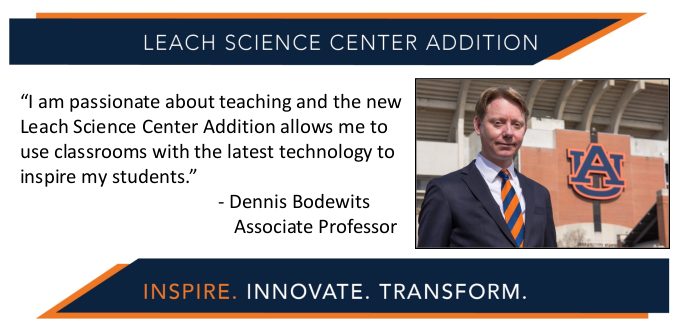
The new Leach Science Center Addition is inspiring faculty in the College of Sciences and Mathematics (COSAM). Dr. Dennis Bodewits, an astrophysicist in the Department of Physics, currently teaches quantum physics and looks forward to teach astronomy classes in the new facility this fall. “I am passionate about teaching Auburn students about physics and the new Leach Sciences Center Addition allows me to engage and inspire my students with the latest classroom technology,” said Dr. Bodewits. With this new facility, he will be able to make astronomy come to life for students. The new audiovisual features make it much easier to use high quality images in class to visually tell the story of planets and galaxies. “I am also excited about the astronomy terrace,” he explained. “This new innovative, roof-top terrace with over a dozen of state-of-the-art telescopes will allow students to take their own photos of the solar system through and then provide hands-on research experience in analyzing these photos.” View the webcam of the construction of this new facility and find out more about the Leach Sciences Center.
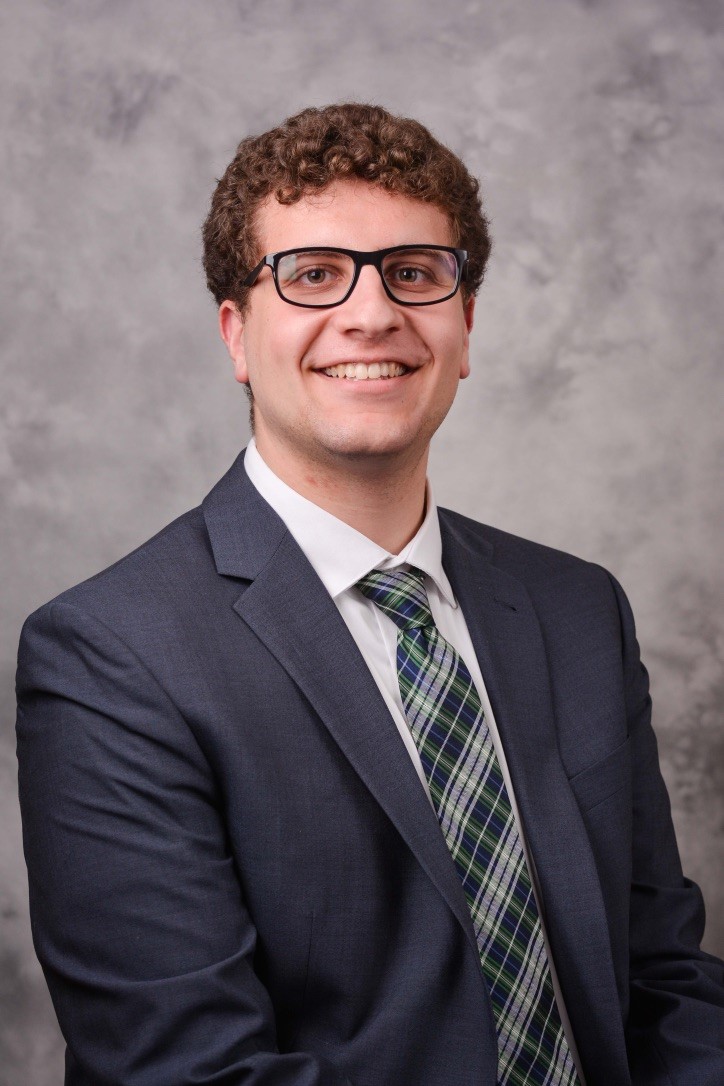
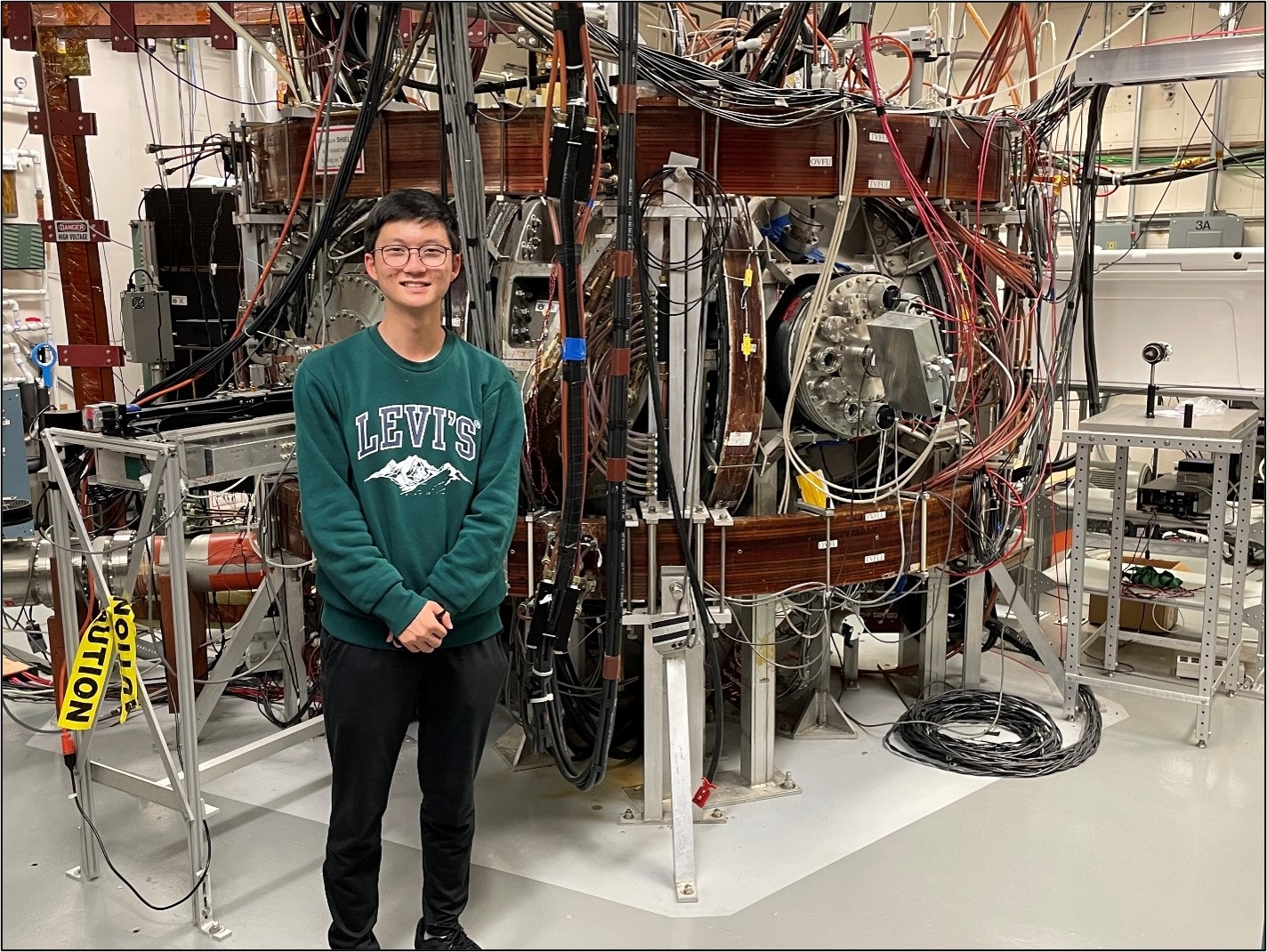
Although Auburn University student Sam Levenson has only been a student of the College of Sciences and Mathematics (COSAM) for one year, he said he believes he has found his future calling as a physics professor. Originally from Charleston, West Virginia, Sam was a National Merritt Scholar in high school. He chose to attend Auburn after first visiting the University of Alabama. “I felt like Auburn was an incredible place. Everyone I talked to was really nice and friendly,” he said. “It felt right. I felt like I got a lot more personal attention at Auburn.” Sam started Auburn as a chemical engineering student, but soon after switched to a double major in aerospace engineering and physics. Sam became a Supplemental Instruction Leader through Academic Support his sophomore year and discovered a passion for teaching. Last spring he changed his major to focus solely on physics. “That job kind of made me realize that I wanted to go down this road,” Sam said of becoming a professor. “It’s incredibly fulfilling to help people understand physics because I love it so much and I want to share that.” Sam is currently a teaching assistant for Dr. Minseo Park, teaching the lab portion of Engineering Physics II. He has also conducted research for the last year in the Magnetized Plasma Research Laboratory for Dr. Edward Thomas, Jr., associate dean for research and graduate studies. Sam and another student are building up equipment to run an experiment to test a theoretical model for magnetized plasmas. “Dr. Thomas has been an amazing mentor,” Sam said. “Working for him has been so rewarding.” Sam has made the Dean’s List every semester and is on track to graduate after just three years at Auburn in May. He plans to attend graduate school after graduation. Sam said his last year as a COSAM student has been rewarding. “There are so many outlets and facilities that COSAM has to help students learn,” he said. “There are so many good resources COSAM has for younger students to learn and get comfortable with the material. And I just can’t say enough positive things about the physics faculty and the physics department.”
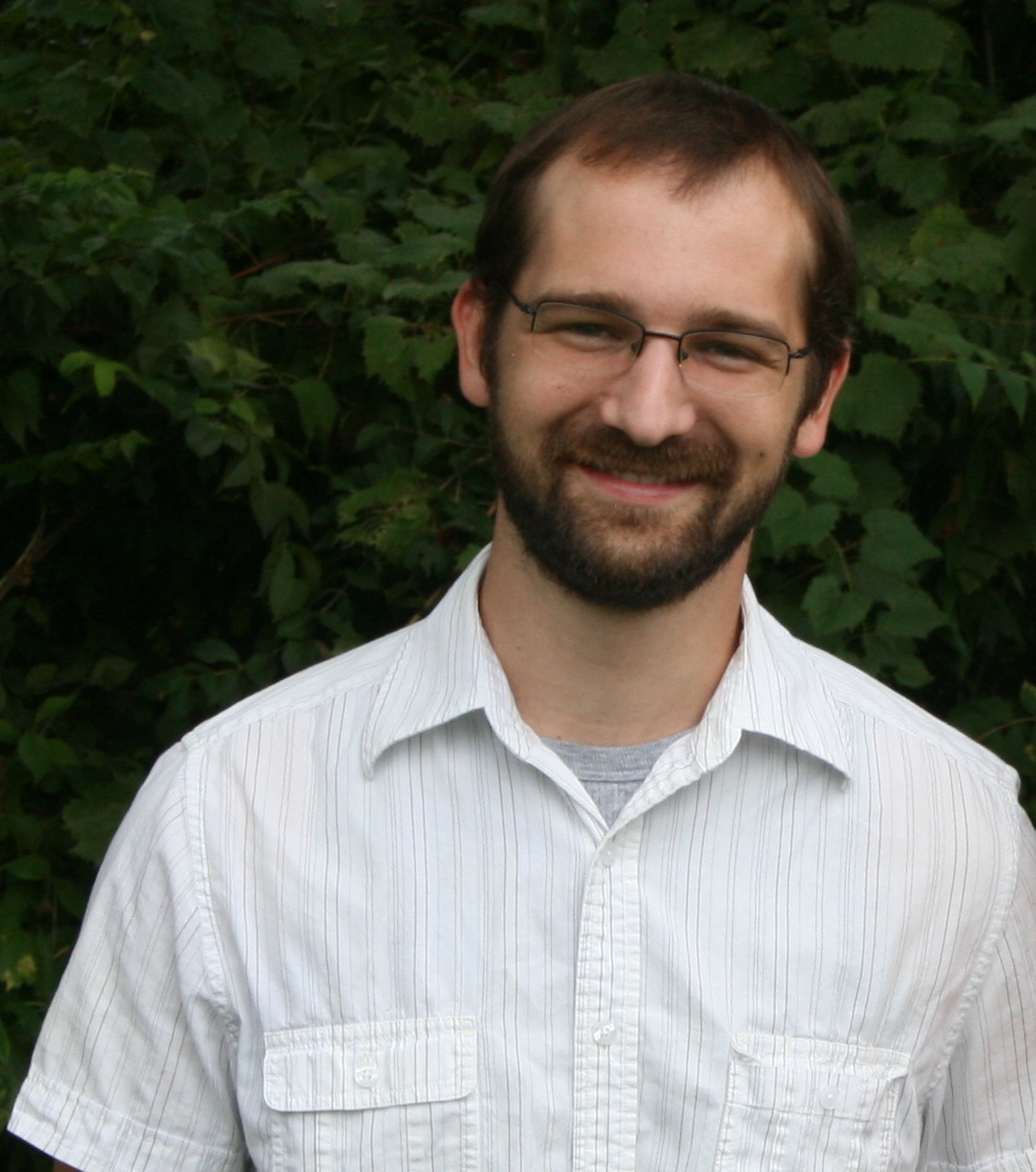
Growing up in Saint Louis, Missouri, Dr. Michael Gramlich would enjoy reading Popular Science magazine, but never thought he would become a leading scientist in the field of Bio-Physics, a subdivision of physics that intertwines both biology and physics together. “Physics is hard work, but the long-term reward is absolutely incredible,” explained Dr. Gramlich. Originally a computer science major, Dr. Gramlich switched to physics because of the challenge. He then graduated with his undergraduate degree from the University of Missouri where he continued on to earn his doctoral degree in physics focusing on X-ray crystallography. He then transitioned to Bio-Physics completed in two postdoctoral programs at the University of Massachusetts Amherst and Washington University in St. Louis. “I love the ability to apply original ideas to new areas,” shared Dr. Gramlich. “Being able to take foundational physics theories and modify them to explain and contribute to the field of biological physics provides an exciting new perspective.” Dr. Gramlich has recently relocated to Auburn and is now an assistant professor in the Department of Physics in the College of Sciences and Mathematics (COSAM). Dr. Gramlich will be working as part of an interdisciplinary team in the college and developing his own lab. “I was genuinely excited to be part of COSAM because of the collegial faculty and their strong commitment to Bio-Physics,” he added. “The Department of Physics has exceptional faculty that are unified towards a common goal,” said Dr. Gramlich. “I was enthusiastic to join Auburn University to be part of this united faculty and COSAM’s long-term vision.” In his spare time, he likes to brew beer, garden, climb and run. He enjoys the outdoors and appreciates Auburn’s college-town vibe.
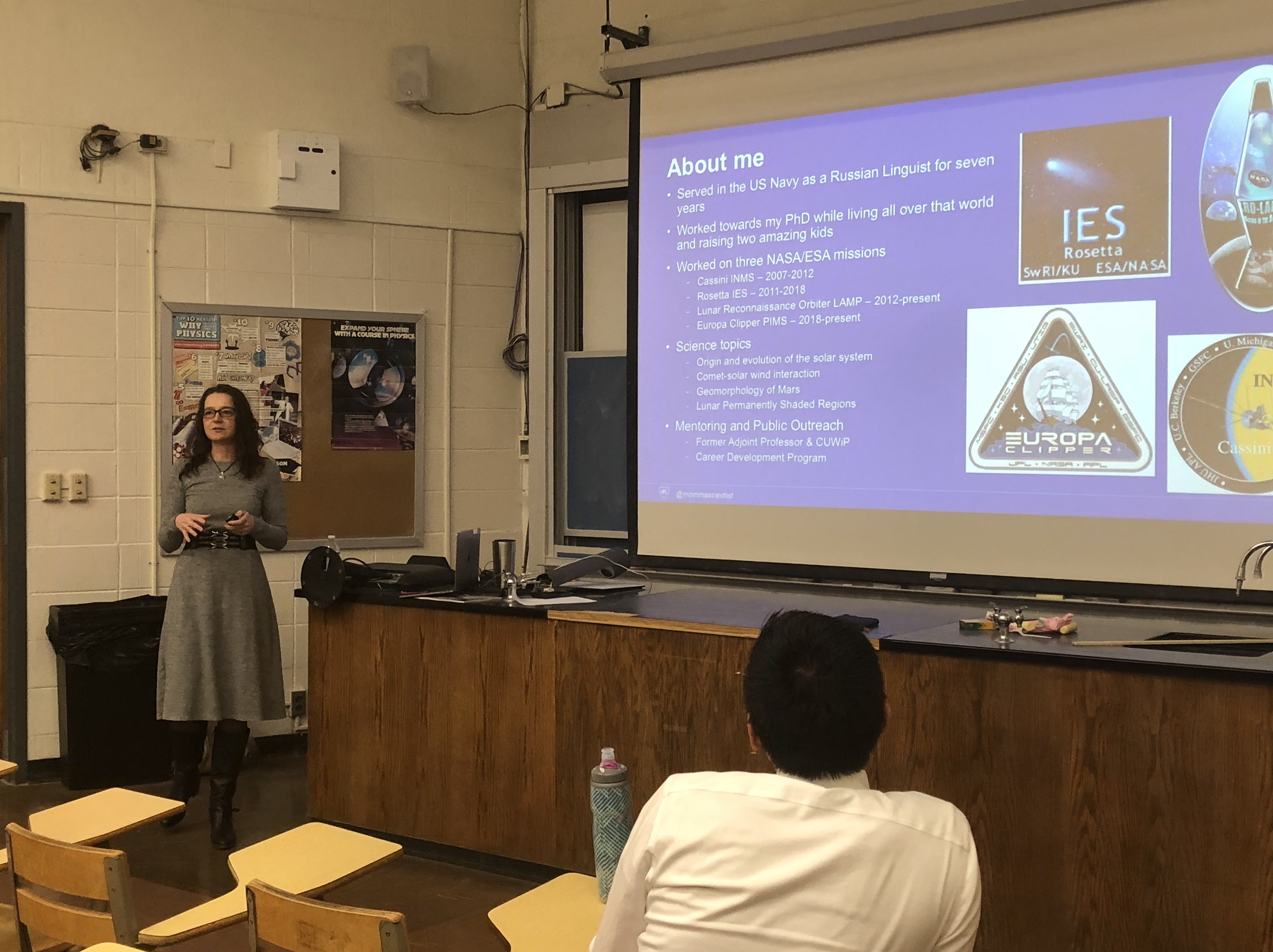

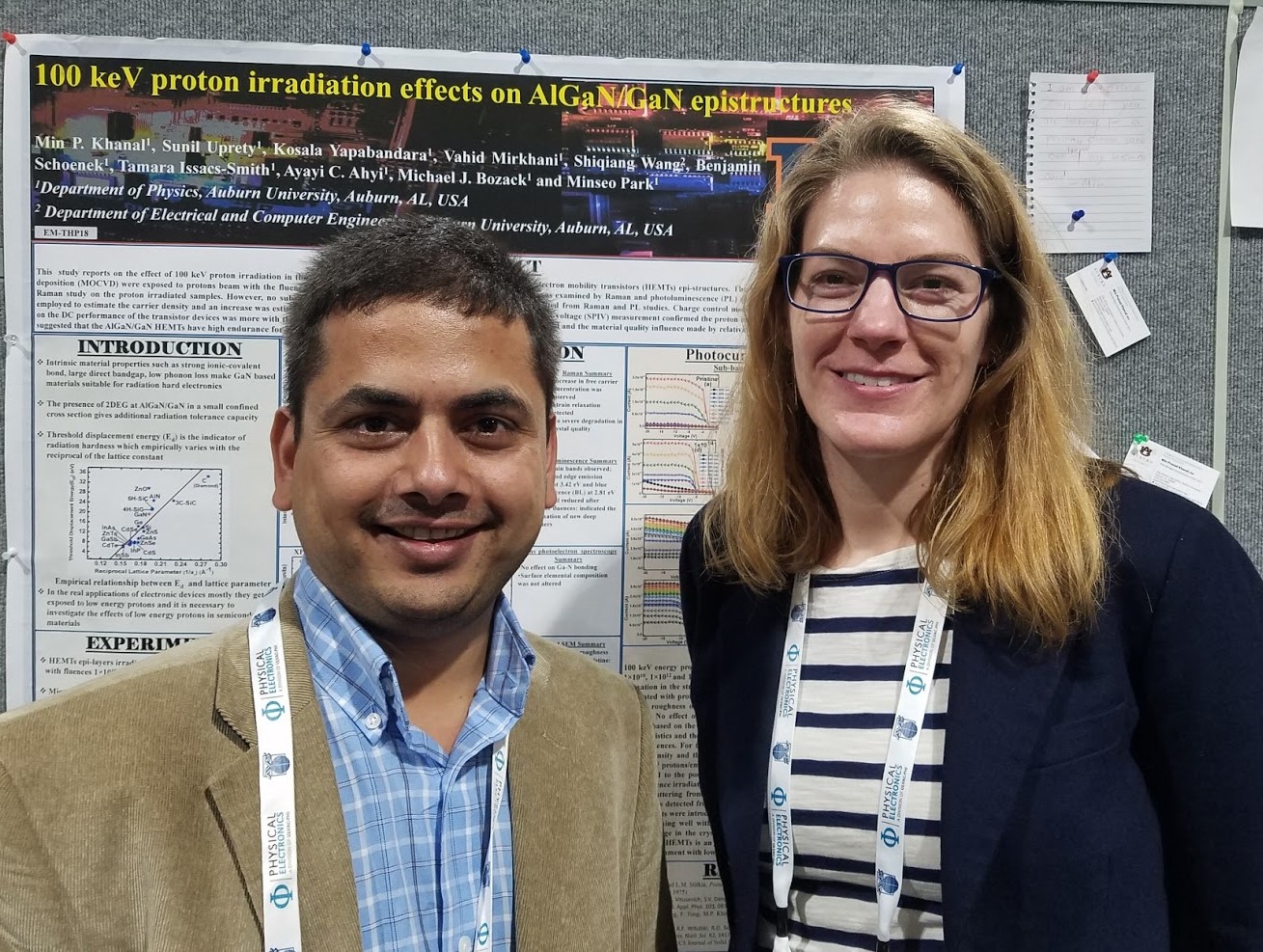
Min Khanal, a Ph.D. student in the Department of Physics, is studying experimental semiconductor physics. At this year’s American Vacuum Society (AVS) International Symposium & Exhibition held in Long Beach, California, he won the Electronic Materials & Photonics Division Student Poster Award. “My research focuses on fabrication and characterization of AlGaN/GaN High Electron Mobility Transistors (HEMTs) and their potential applications in power electronics and opto-electronics,” explains Min. His career goal is to become a professional in the semiconductor industry.

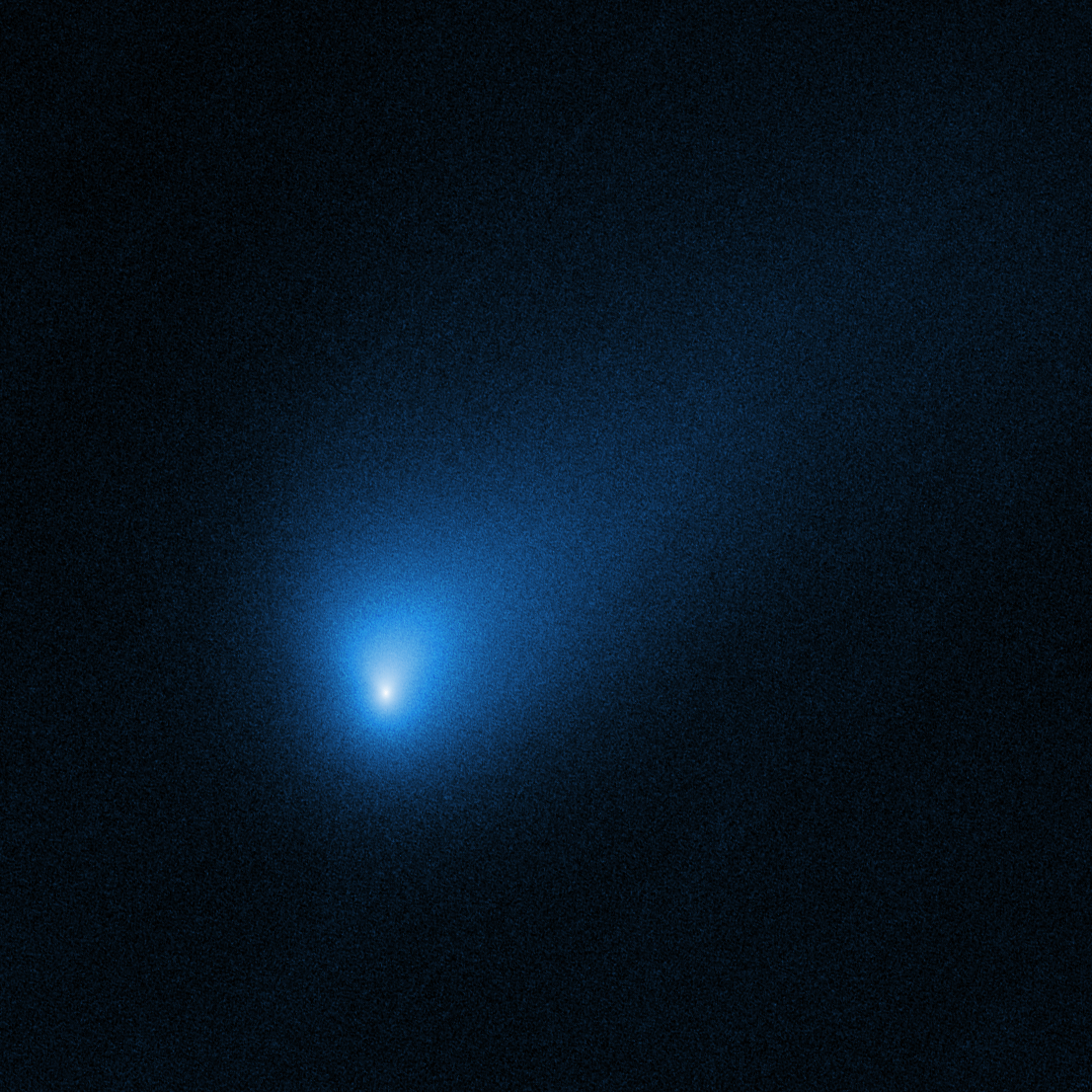
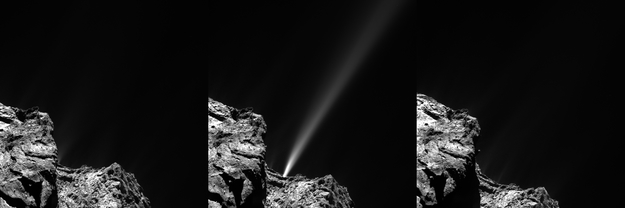
A collaboration led by Auburn University Astrophysicist Dr. Dennis Bodewits is the recipient of an award to use the Hubble Space Telescope for 36 orbits, or two days and six hours in December 2018. Their team will study the chemical composition of Comet 46P/Wirtanen, and atomic and molecular reactions near its nucleus. The Hubble Space Telescope, one of the world’s largest and most versatile telescopes, allows researchers to study the universe in the far ultraviolet, light that is blocked for telescopes on the ground by the Earth’s atmosphere.
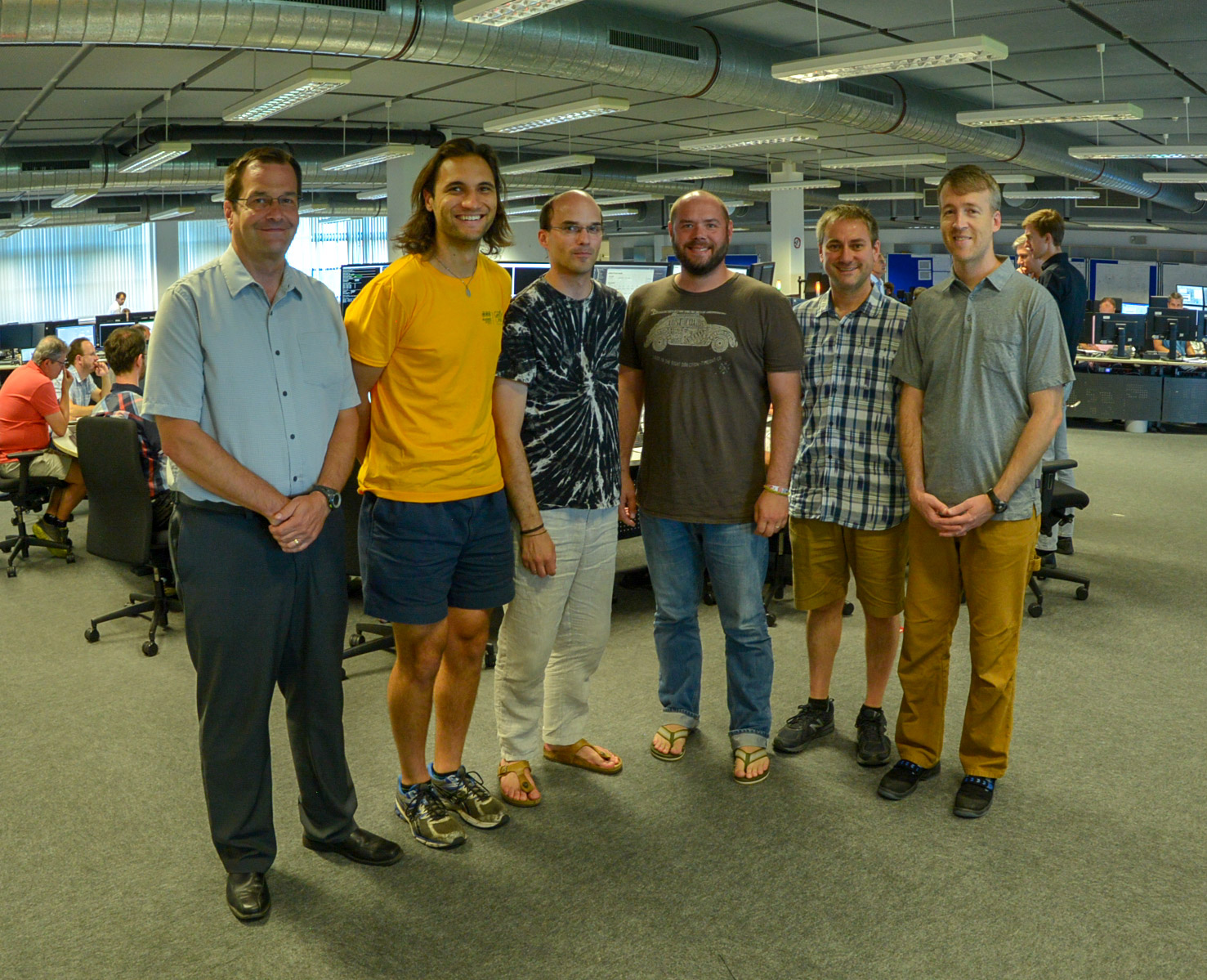
Auburn University’s Department of Physics is one of just three universities participating in an international research collaboration at the Wendelstein 7-X at the Greifswald branch of the Max Planck Institute for Plasma Physics, in Germany. This world-class facility houses a large stellarator with modular superconducting coils to conduct experiments and research plasma physics. The Department of Physics in the College of Sciences and Mathematics (COSAM) currently has three faculty and two graduate students working on collaborative research with the Wendelstein 7-X experiment as part of a renewable grant from the United States Department of Energy.
“Comets are left-over snowballs from the very time when our solar system formed.” The core question about comets is always what properties are linked to that era, and how they have changed over time explains Auburn University Astrophysicist Dr. Dennis Bodewits. “As you get closer, the detail comes to life and the images from the spacecraft reveal a surface that is both absolutely unique and incredible.” Dr. Bodewits loved learning about astronomy from an early age. Growing up in Hoogezand in the Netherlands, he was a regular at the local planetarium and was fascinated by black holes. He continued his education at the University of Groningen, a 400-year-old institution with a world-famous astronomy department. In the beginning of the 20th century, the astronomy department was so valued by the community that the top person held the power to actually turn off the lights in the town to conduct research.
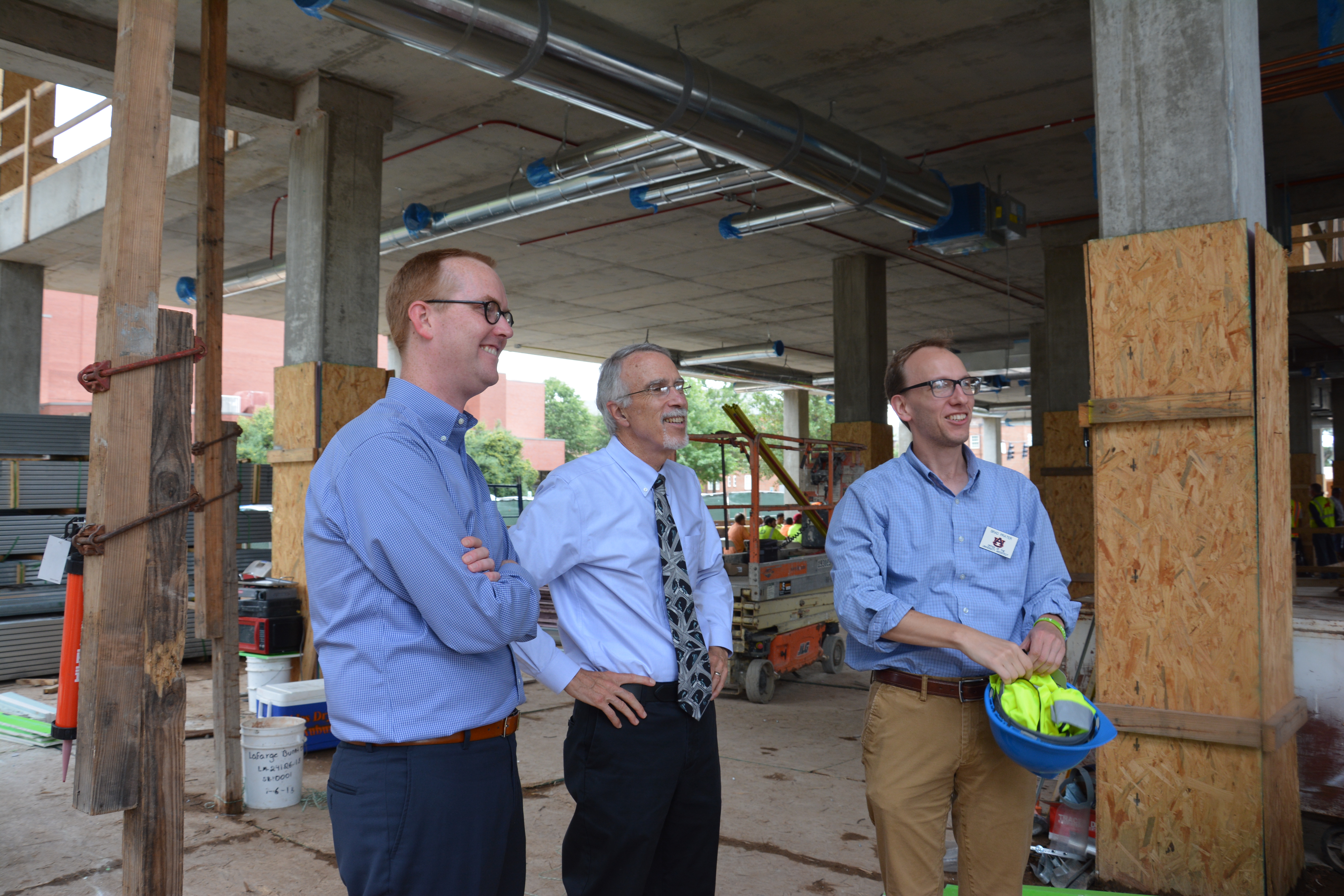
A “Topping Out” Celebration was held on Friday, August 31, 2018, and marked the significant milestone of all of the concrete being poured for the construction of the new Leach Science Center Addition. The $24 million, 62,500-square-foot project includes new classrooms on the first and second floors. The first floor will also include open group study areas. More students will be able to participate in astronomy classes and sky-watching events. “Students will have the ability to learn about astronomy with 18 remote-controlled telescopes mounted on a rooftop terrace,” says Dr. James Hanson, Chair of the Department of Physics.
As Director of Operations and affectionately known as a laser jock at the multi-billion dollar corporation Coherent, Melisa Buie leads a team of talented people from different concentrations including engineering, planning, purchasing and production. Buie solves an array of problems from both the technical side to the business side making the best products possible for Coherent, a global supplier of industrial lasers based in California. She is a proud graduate of the College of Sciences and Mathematics (COSAM) with a Master’s of Science in Physics. And, she still gathers with small group of friends each year from her days in the Department of Physics at Auburn University.
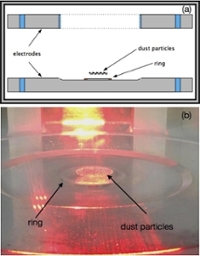
Congratulations to the Plasma Sciences Laboratory group for having one of the papers with the most downloads and citations for 2017-2018 according to "Physics of Plasmas". Associate Editor André Melzer highlights the research in Effect of magnetic field on the phase transition in a dusty plasma by Dr. Surabhi Jaiswal that was originally published in November 2017.
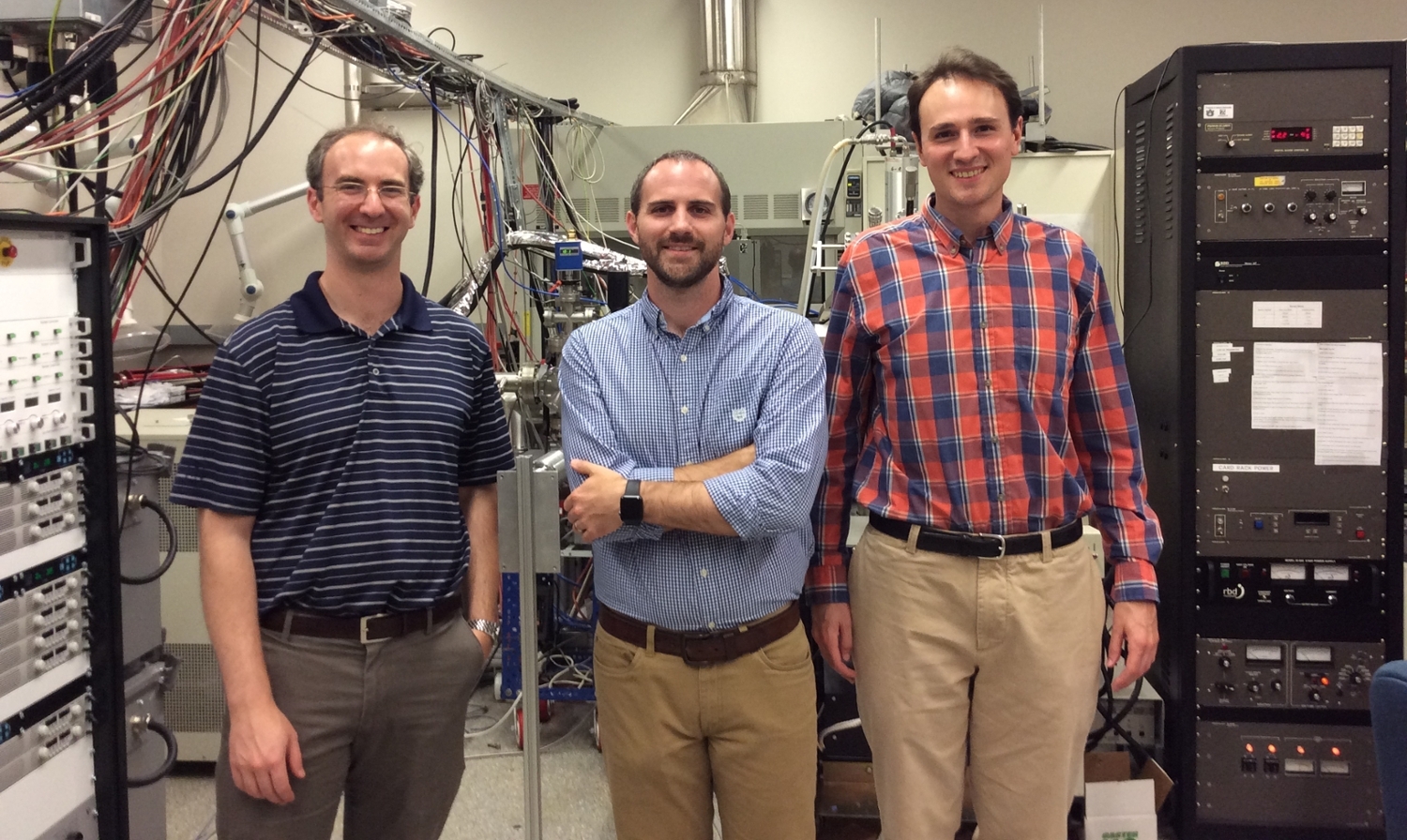
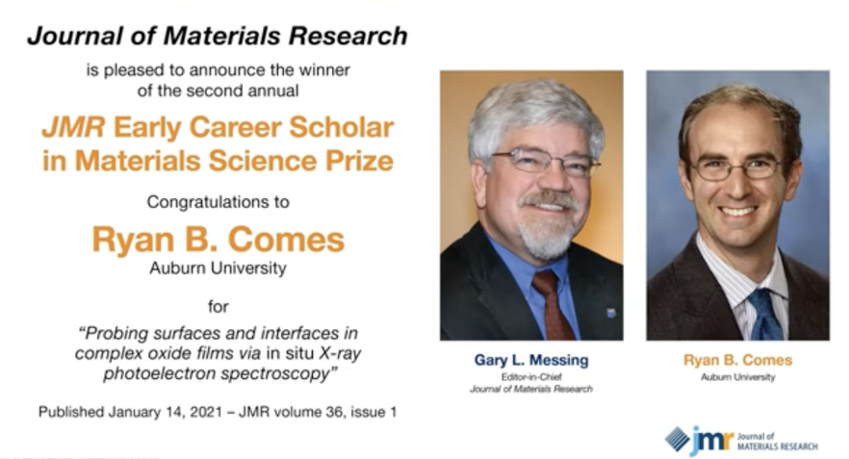
Dr. Ryan Comes and Dr. Byron Farnum began working at Auburn University in the fall of 2016 as assistant professors in the College of Sciences and Mathematics (COSAM). They both gave presentations at an energy research cluster mini-symposium that not only opened doors to future collaboration, but an interdisciplinary partnership uniting their specific areas of expertise.
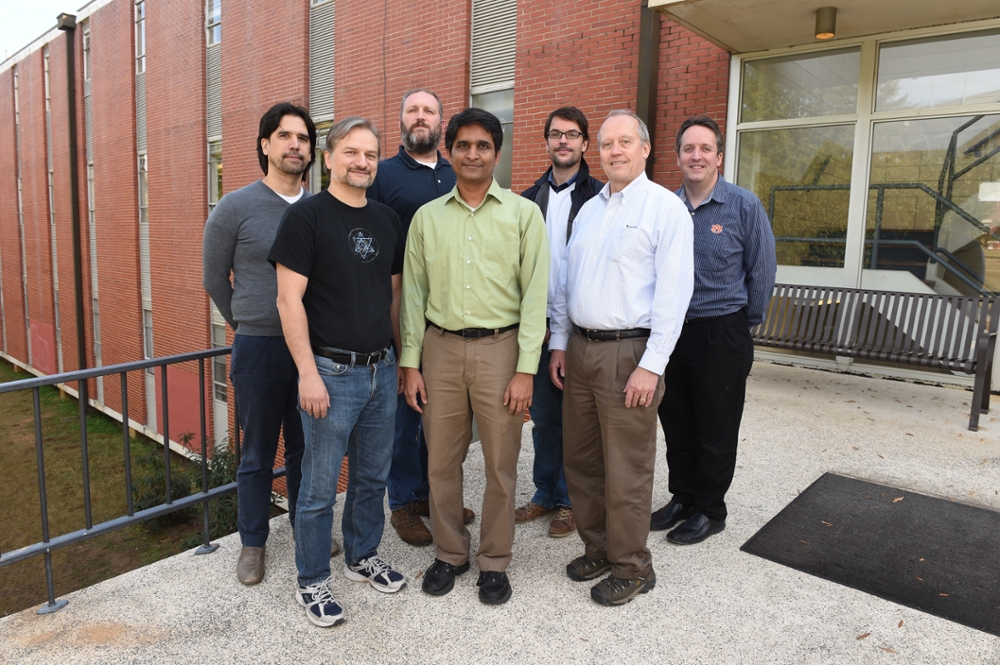
Auburn University recognized faculty members with the university's highest honors at the Faculty Awards ceremony Wednesday, Feb. 28, at The Hotel at Auburn University and Dixon Conference Center. The awards honor some of the institution’s most innovative teachers, researchers and scholars for their unique and distinguished contributions to the university’s mission. Among this year’s recipients was the Department of Physics, which received Auburn University’s Departmental Award for Excellence in Education. Created in 2013, the award is administered on behalf of the Office of the Provost through the university’s Biggio Center and the University Senate Teaching Effectiveness Committee. The award recognizes the efforts of departmental faculty for their commitment to improving education at both the undergraduate and graduate level.
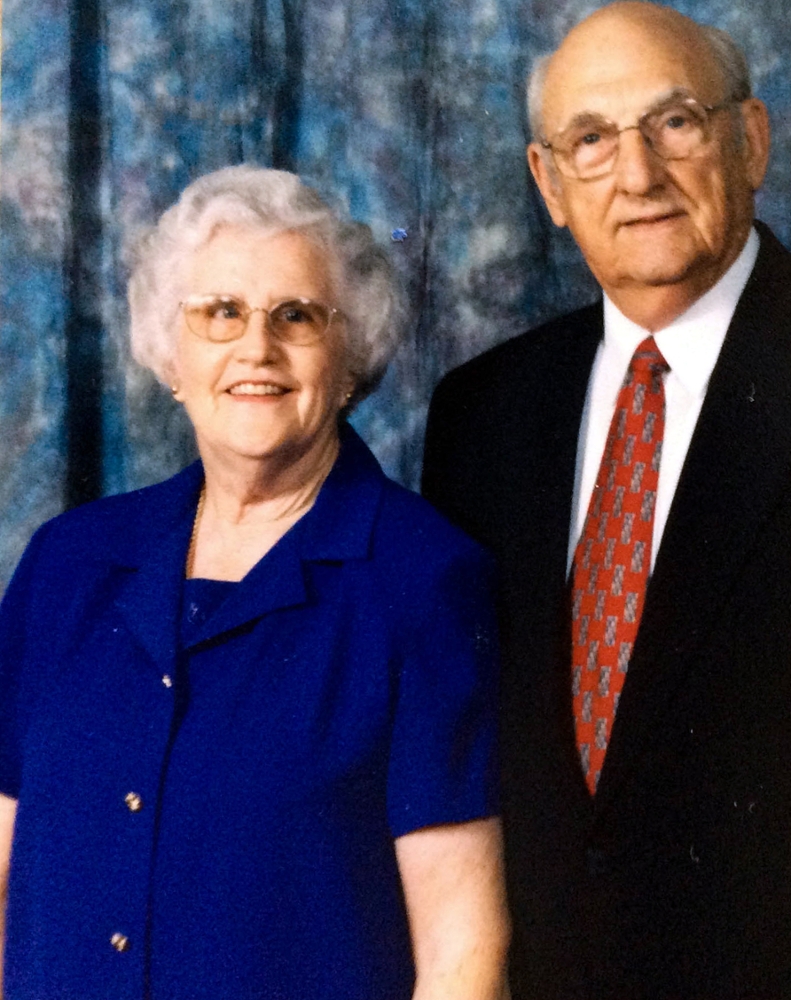
Aurelia Powell Henson (1926-2009), was Auburn University's first female physics alumna. In a 2001 interview with Aurelia, she explained that her keen interest in physics and mathematics was developed in early childhood in Columbus, Georgia. Her father, a Georgia Tech graduate and teacher, stimulated her curiosity in the mysteries of life and the universe with a pursuit of answers to common questions and a readiness to draw her attention to the scientific wonders of the natural world.
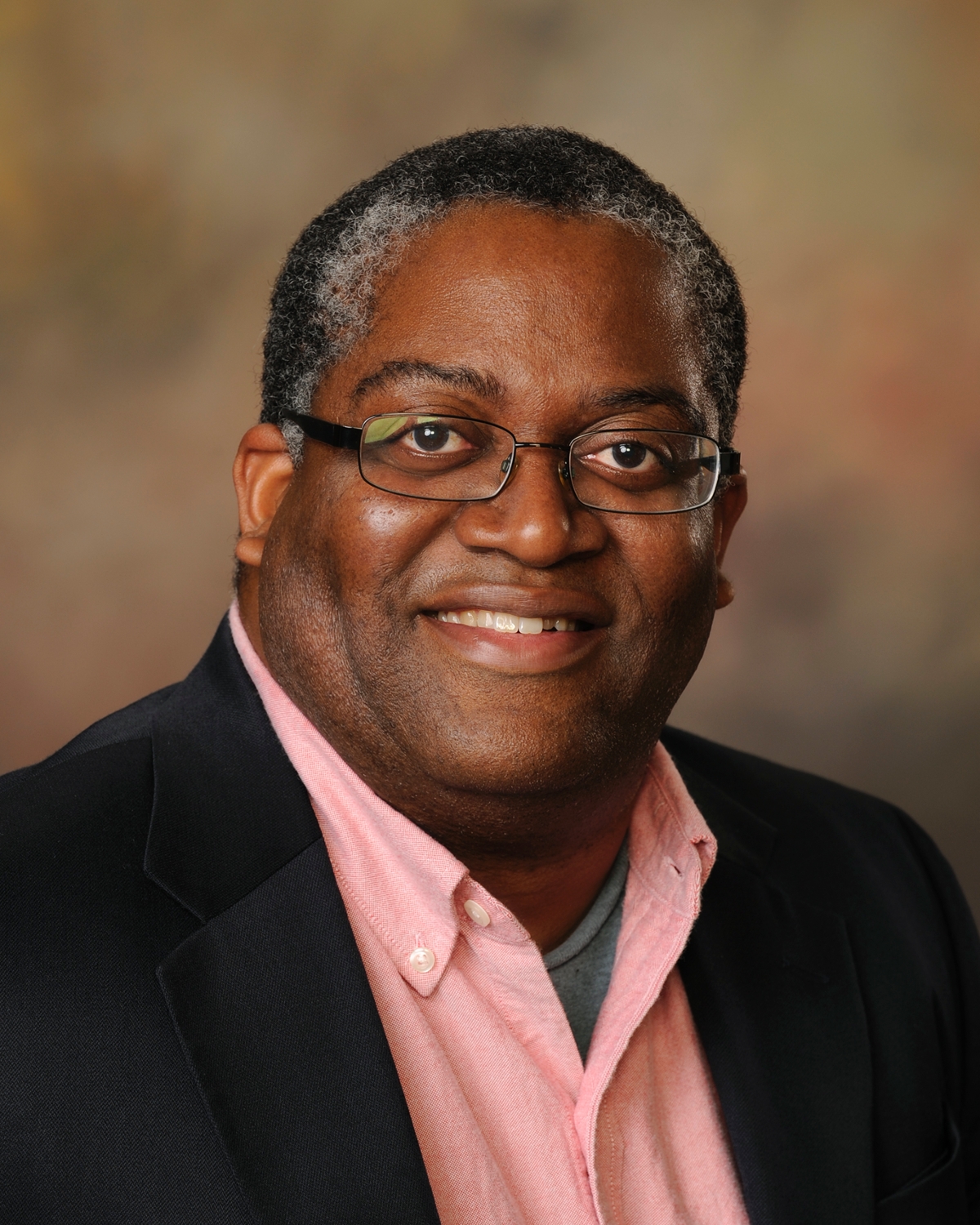
Edward Thomas, Jr., the Charles W. Barkley Endowed Professor in the Department of Physics, has been named the next Associate Dean for Research and Graduate Studies in the College of Sciences and Mathematics. His tenure will begin on August 1, 2017. “I am very pleased to have this opportunity to serve the College of Sciences and Mathematics,” said Thomas. “COSAM has very talented faculty and students who are pursing leading edge research, and I want to play a role in widely promoting our research capabilities and helping faculty and students achieve even greater successes in building their research programs.”
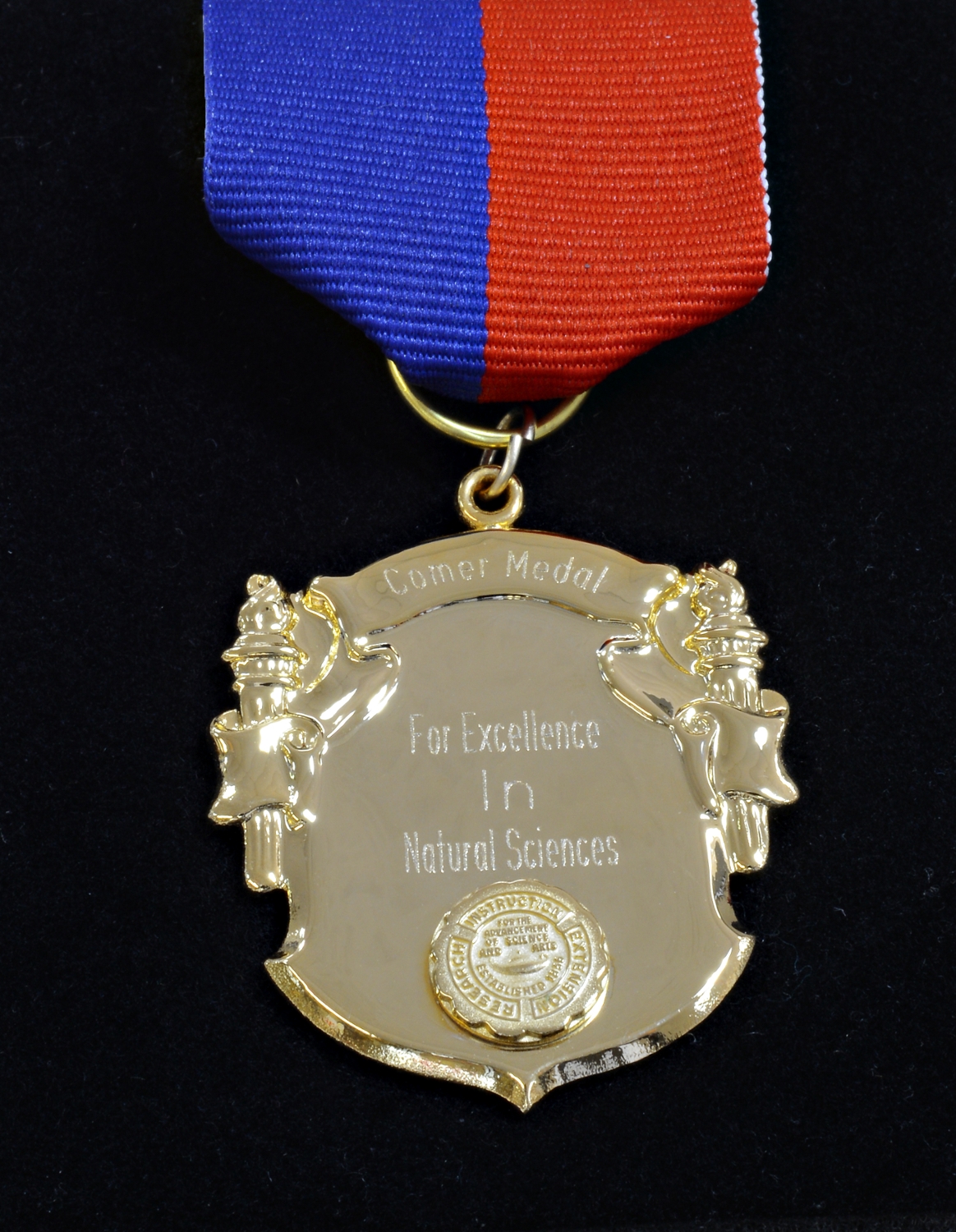
The Comer Medal was established in 1923 by former governor Braxton Bragg Comer to recognize the most outstanding student in the natural sciences. Beginning in 1924, a single medal was given annually until 1970, when it was decided that two medals, one in the physical sciences and one in the biological sciences, would be awarded each year. In 1989, it was decided that a third Comer Medal would be presented each year to a student in the field of agriculture.
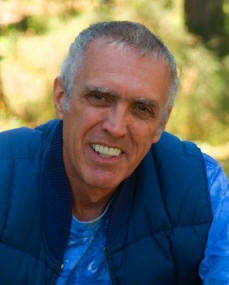
The COSAM Honors Convocation recognizes outstanding student and faculty achievement. The 2017 ceremony was dedicated to retired Professor of Biological Sciences Stephen Kempf. During ceremony, more than 250 students and faculty were honored, including all freshmen, sophomore, junior and senior students who have maintained a perfect 4.0 grade point average. Also recognized were the Dean’s Medalists, Outstanding COSAM Graduate Teaching Assistants, the Outstanding COSAM Faculty Advisor, the Outstanding COSAM Teacher, Comer Award recipients, the President’s Award recipient, the Student Government Association Award recipient, and Outstanding Juniors from each of COSAM’s five departments.
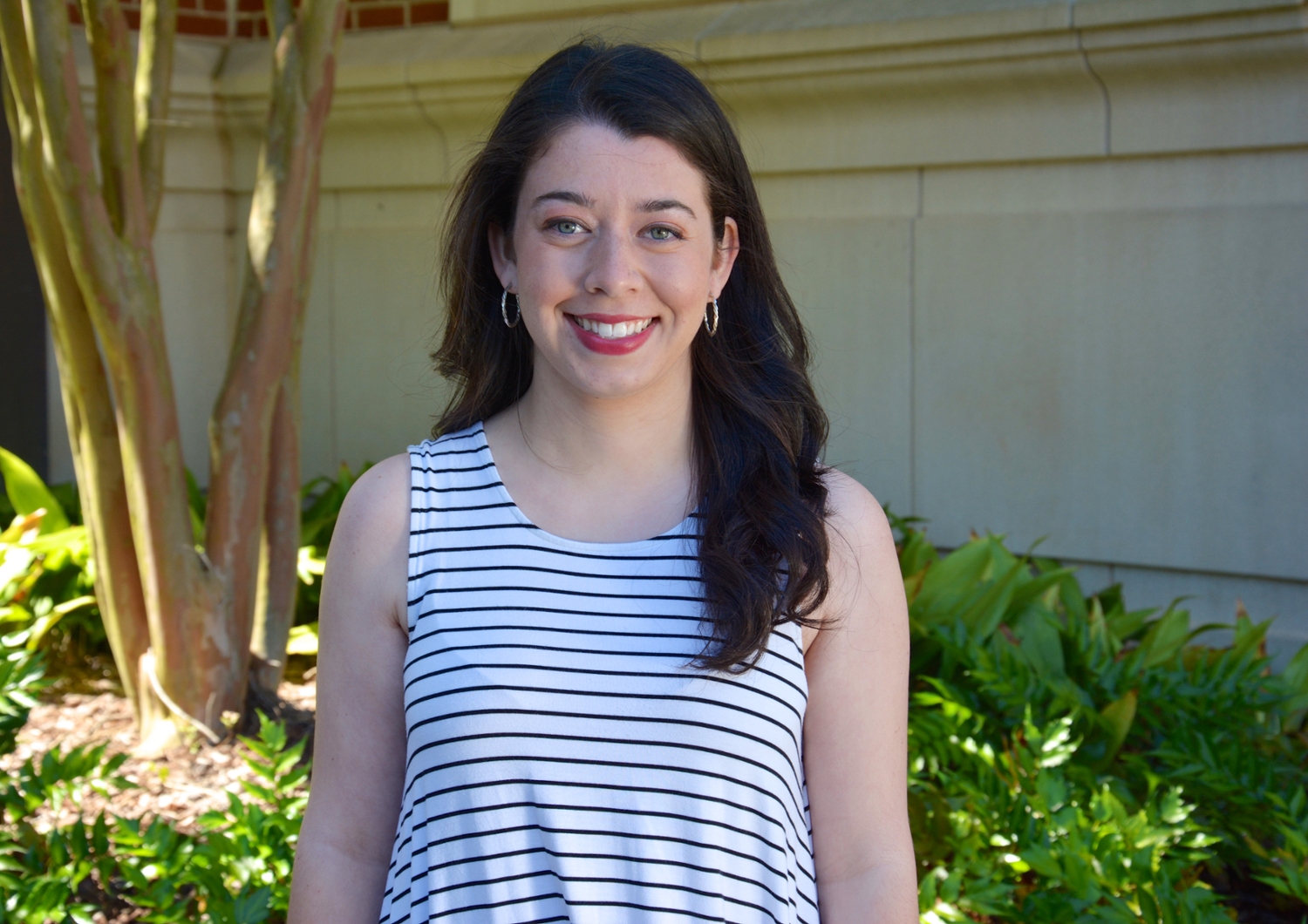
For COSAM Graduation Marshal Abigail Gauthier, a double major in biomedical sciences and Spanish, meeting the healthcare needs of the Hispanic population is both a goal and passion. “My mom immigrated to the United States from Columbia when she was a little girl, so a lot of my family is bilingual, so it’s very important to me to be formally trained in the Spanish language and to explore that part of my heritage,” said Gauthier. “My family integrated pretty quickly, but I want to help people who may be struggling more than they did. I think that immigrants face a really big challenge in a monolingual healthcare system, and I think it’s something that a lot of people don’t realize or don’t talk about, and it’s really important. It’s a need that I could help alleviate if I worked really hard. Just being able to communicate with someone in their native language is really important to help them feel more comfortable, and because trust is such a huge part of medicine, it is important to me to make them feel as comfortable as possible.”
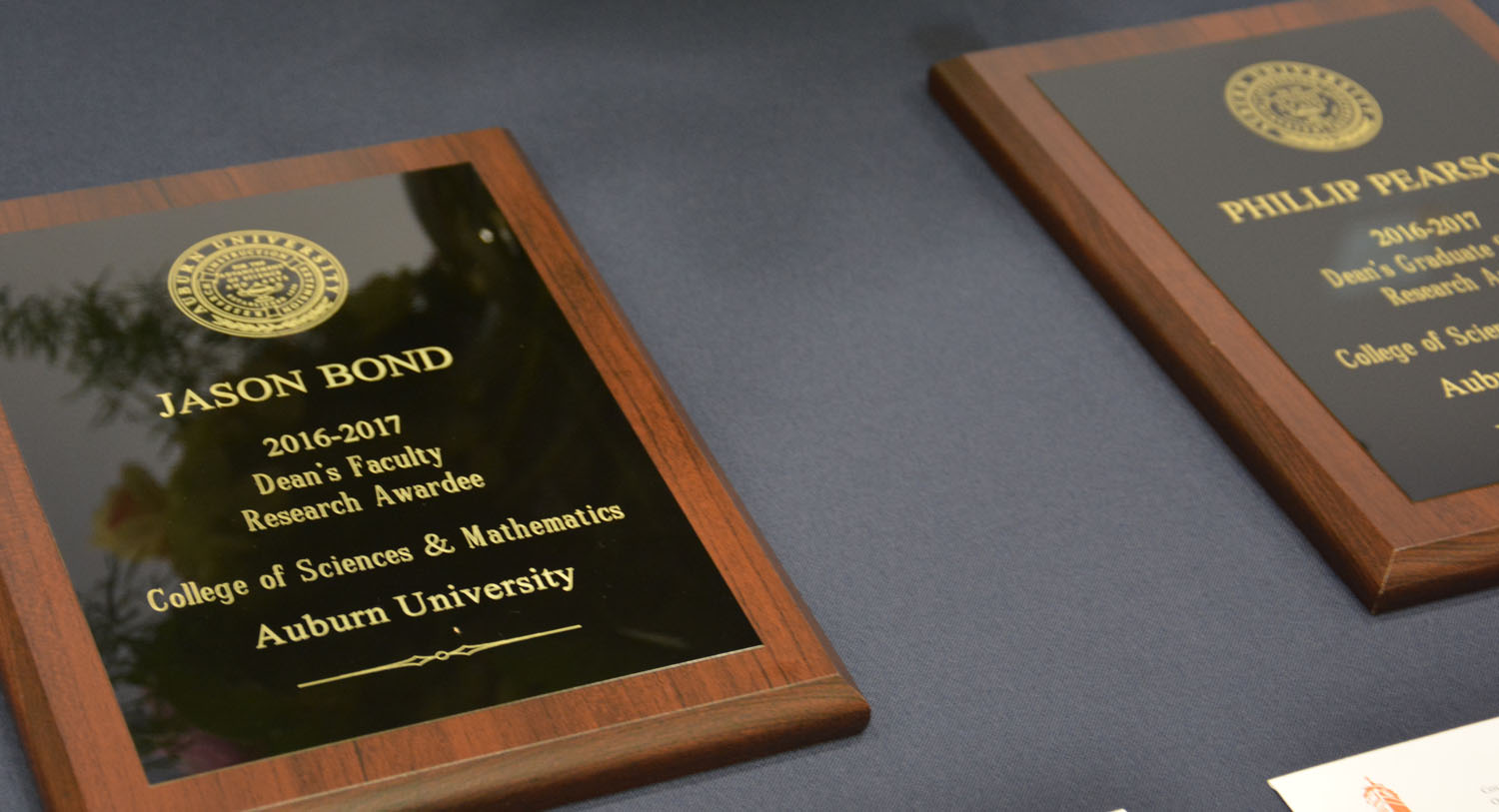
“The strength of COSAM lies in its faculty and students,” said Dean Nicholas Giordano. “The Dean’s Research Awards are a celebration of the many outstanding achievements of this talented group.” For the 2016-2017 academic year, the following received Dean’s Research Awards: Jason Bond, professor and chair of the Department of Biological Sciences; Edward Burress, doctoral candidate in the Department of Biological Sciences; Asanka Jayawardena, doctoral candidate in the Department of Physics; Phillip Pearson, master’s student in the Department of Biological Sciences; and Claire Zhang, undergraduate student in the Department of Mathematics and Statistics. The dean also recognized Mark Liles, professor in the Department of Biological Sciences, with the COSAM Young Faculty Scholar Award.
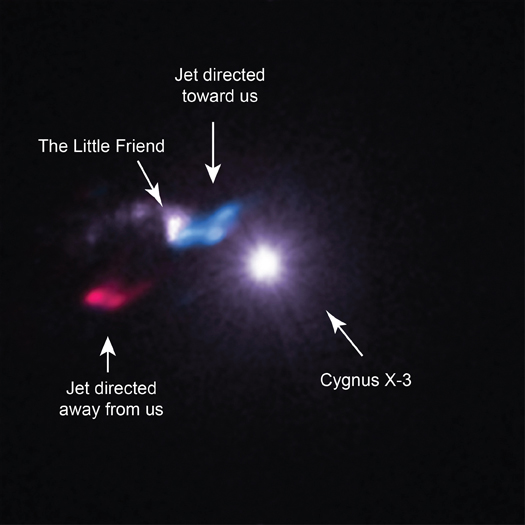
Michael McCollough, physics ’75, ’81, an astrophysicist at the Harvard- Smithsonian Center for Astrophysics, is the keynote speaker for the annual Duncan Memorial Lecture to be held Thursday, April 20. In his talk, “X-ray Binaries, Cygnus X-3, and its ‘Little’ Friend,” McCollough will discuss what happens to stars that violently die when they are part of a binary system, and he will review the stellar life cycle.
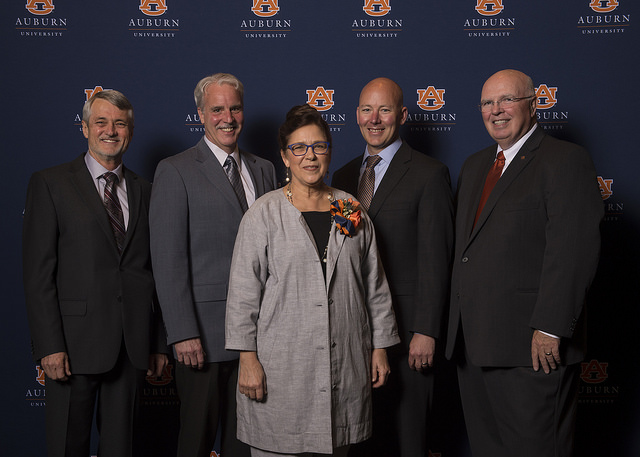
Auburn University honored its 2016-2017 Faculty Awards recipients Tuesday night at The Hotel at Auburn University and Dixon Conference Center, recognizing some of the institution’s most innovative teachers, researchers and scholars for their unique and distinguished contributions to the university’s mission. Presented annually, the Faculty Awards honor individuals and groups of faculty for excellence in teaching, research and outreach. Following a competitive review process, recipients are chosen by selection committees comprised of faculty, staff, students and alumni. The honorees Tuesday night were named in 2016.
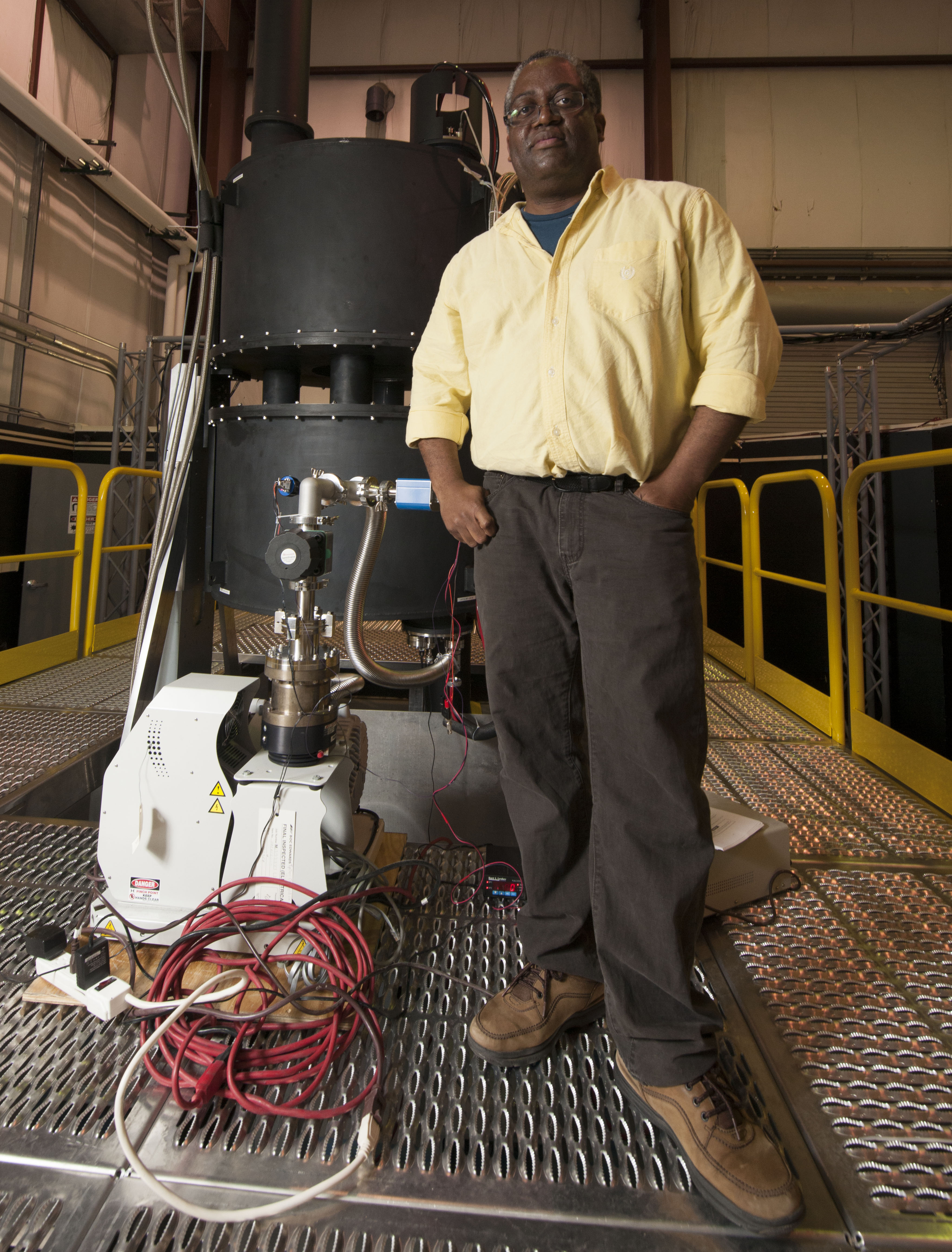
In commemoration of the 20th anniversary of the National Science Foundation/Department of Energy Partnership in Basic Plasma Science and Engineering, from January 9-11, a workshop was held at NSF Headquarters in Arlington, Virginia. Auburn University Physics Professor Edward Thomas served as one of the three lead organizers of the workshop, which was sponsored by the National Science Foundation and the U.S. Department of Energy. Approximately 100 plasma scientists and engineers were invited to give oral and poster presentations on the diversity of research topics supported by the partnership. The goal of the three-day meeting was to celebrate 20 years of partnership and achievements, and to assess progress and challenges in the broad field of plasma science and engineering as encompassed by the scope of the NSF/DOE Partnership. Assisting Professor Thomas as lead organizers were Professor Ellen Zweibel from the University of Wisconsin, Madison, and Professor Jorge Rocca from Colorado State University.
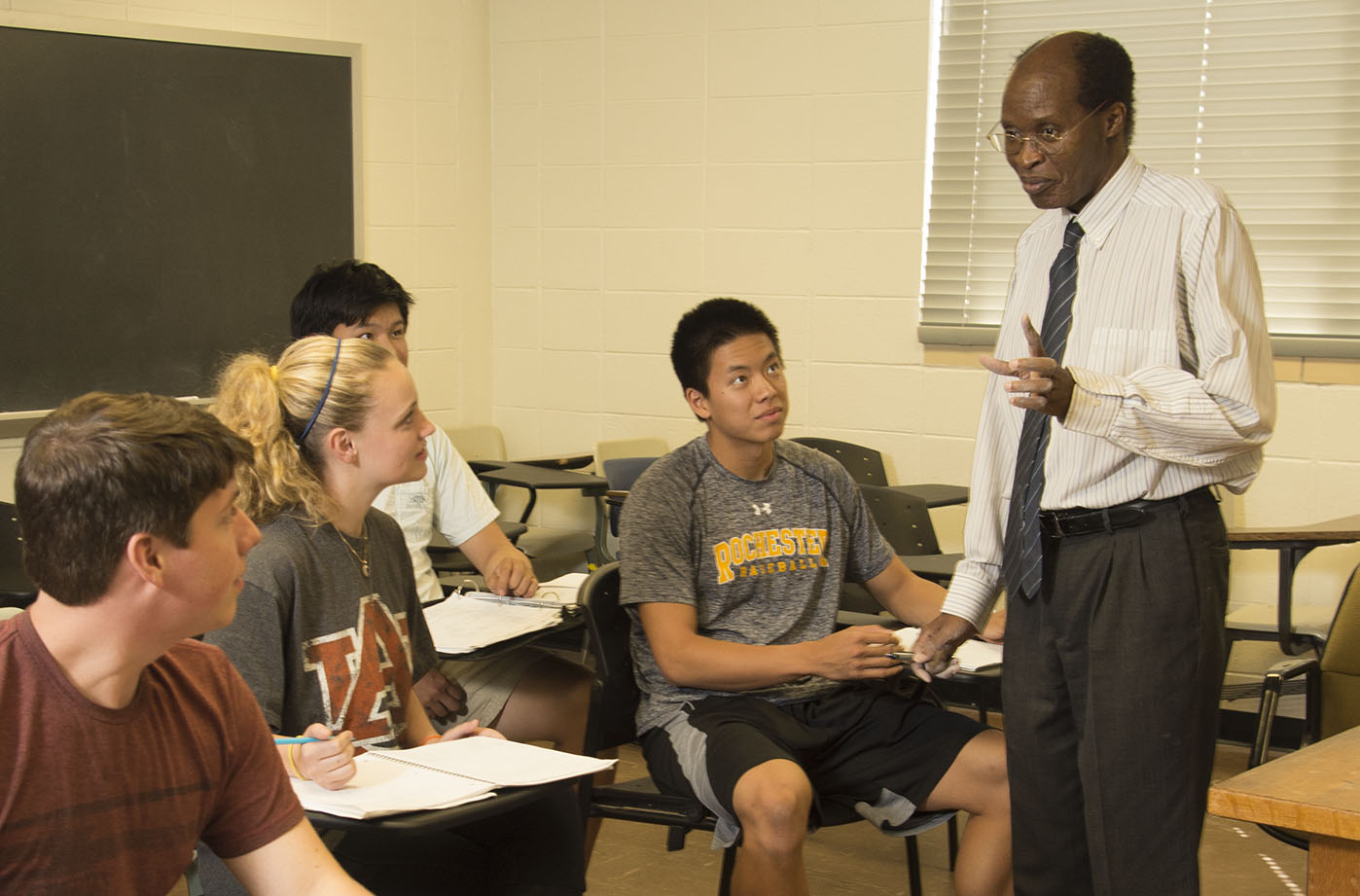
The National Science Foundation, or NSF, issued more than $2 million in grant funding to COSAM’s Overtoun Jenda, assistant provost for special projects and initiatives and professor of mathematics, for a five-year, multi-institutional, collaborative project titled, “Making to Advance Knowledge, Excellence, and Recognition in STEM,” or “MAKERS.” Co-primary investigators on the project are Auburn’s Asheber Abebe, professor in the Department of Mathematics and Statistics, and Alan Wilson, associate professor in the School of Fisheries, Aquaculture and Aquatic Sciences.
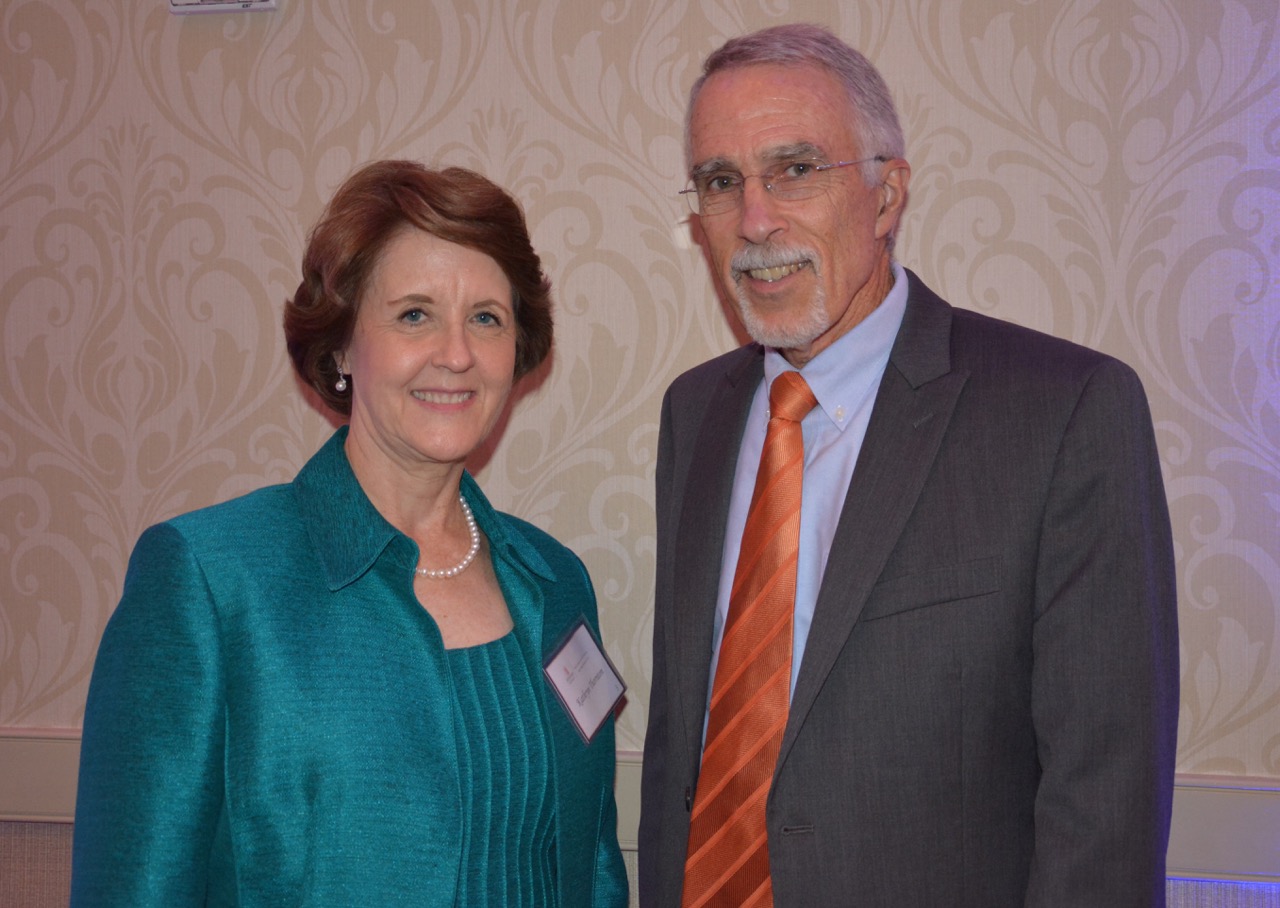
Kathryn Thornton, physics ’74, has been named the 2016 Distinguished Alumna in the College of Sciences and Mathematics. COSAM’s Distinguished Alumni Awards recognize alumni who have achieved significant stature in their chosen fields while also possessing a history of commitment to Auburn University and the college. Selected as an astronaut by NASA in May 1984, Thornton is a veteran of four space flights: STS-33 in 1989, STS-49 in 1992, STS-61 in 1993, and STS-73 in 1995. She has logged over 975 hours in space, including more than 21 hours of extravehicular activity (EVA), and was the first woman to participate in a classified U.S. Government space mission.
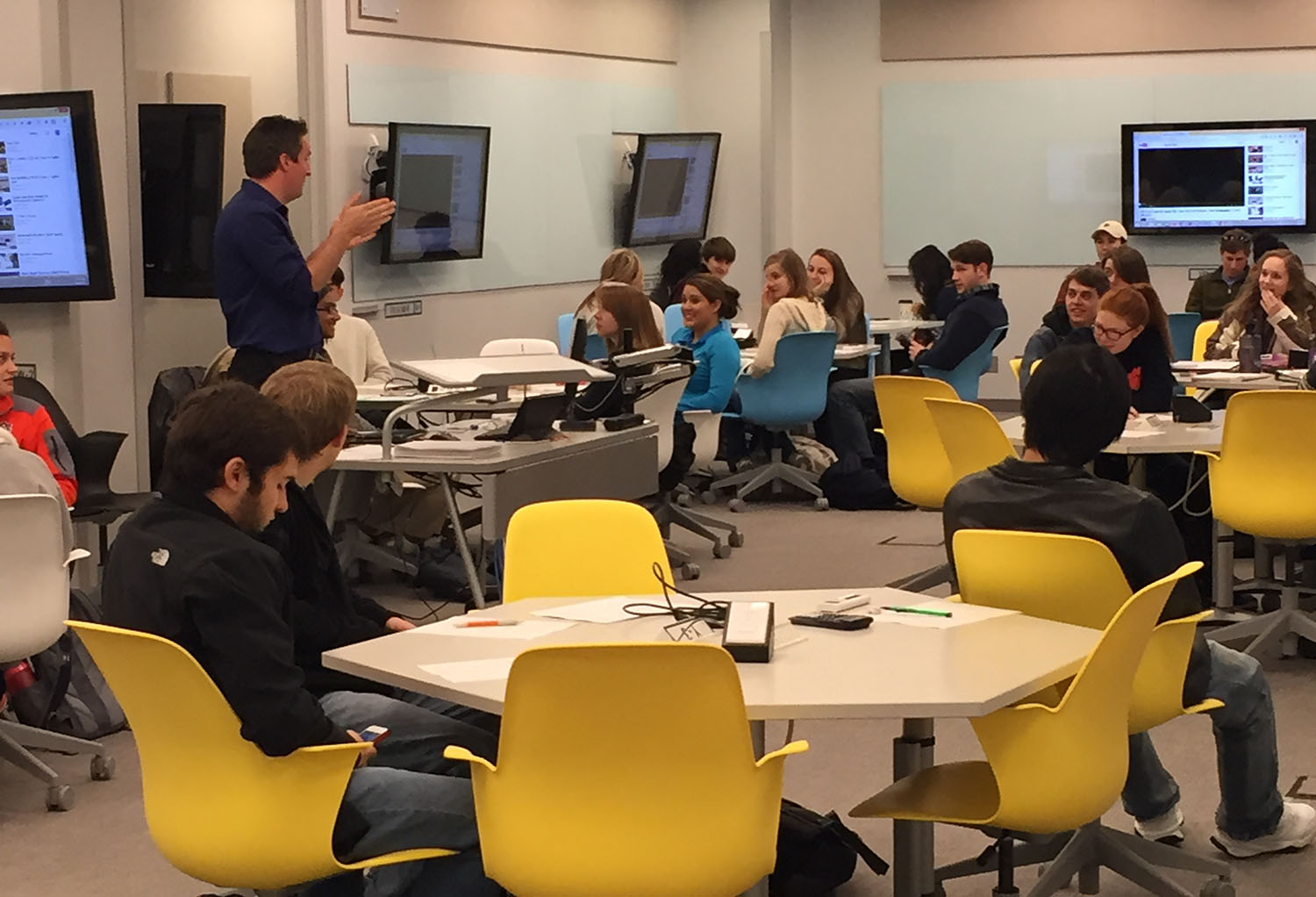
Quality faculty and staff allow the college to build upon the already-stellar reputation and strengths of a COSAM education. Our faculty and staff offer the intellectual capital upon which strong programs, innovative research, and student success are built. As we embark on a new academic year, the college would like to extend a warm welcome to the newest members of the COSAM family.
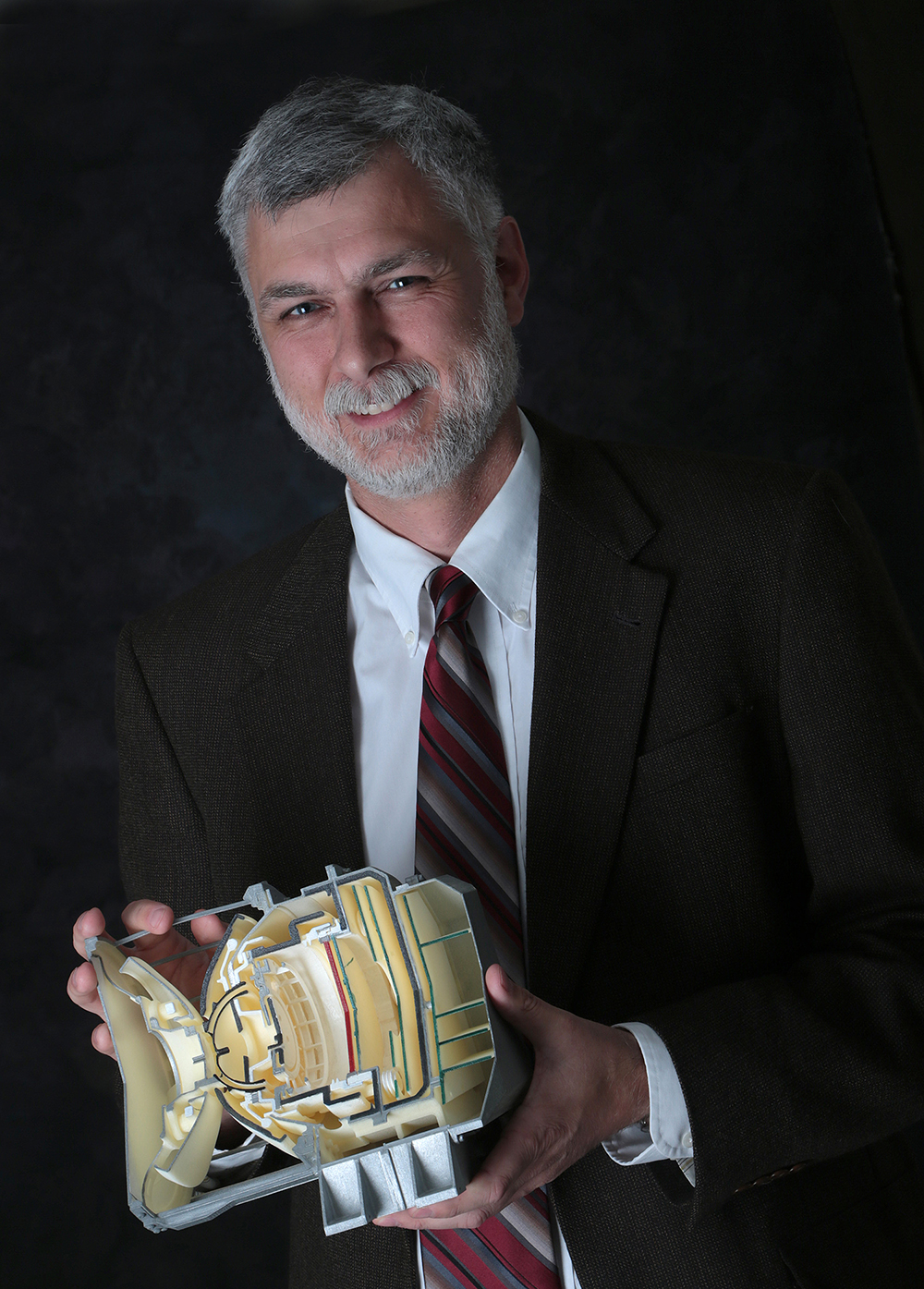
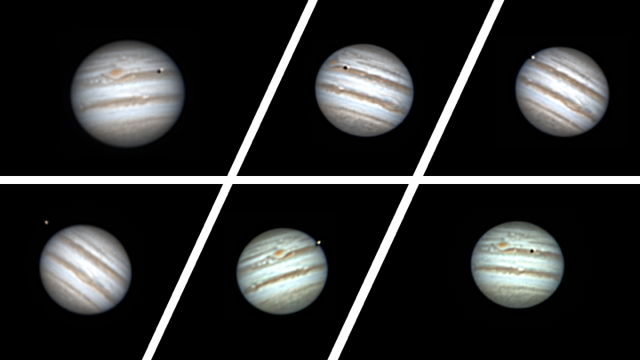
COSAM physics alumnus Phil Valek (B.S. '97, Ph.D. '01) is the lead investigator for the Juno spacecraft JADE instrument, which is a set of sensors charged with detecting the electrons and ions that produce Jupiter’s auroras.
Associate Professor Sarit Dhar’s article, “Silicon carbide: A unique platform for metal-oxide-semiconductor physics,” was selected as an Editors’ Pick for 2015 in Applied Physics Reviews.
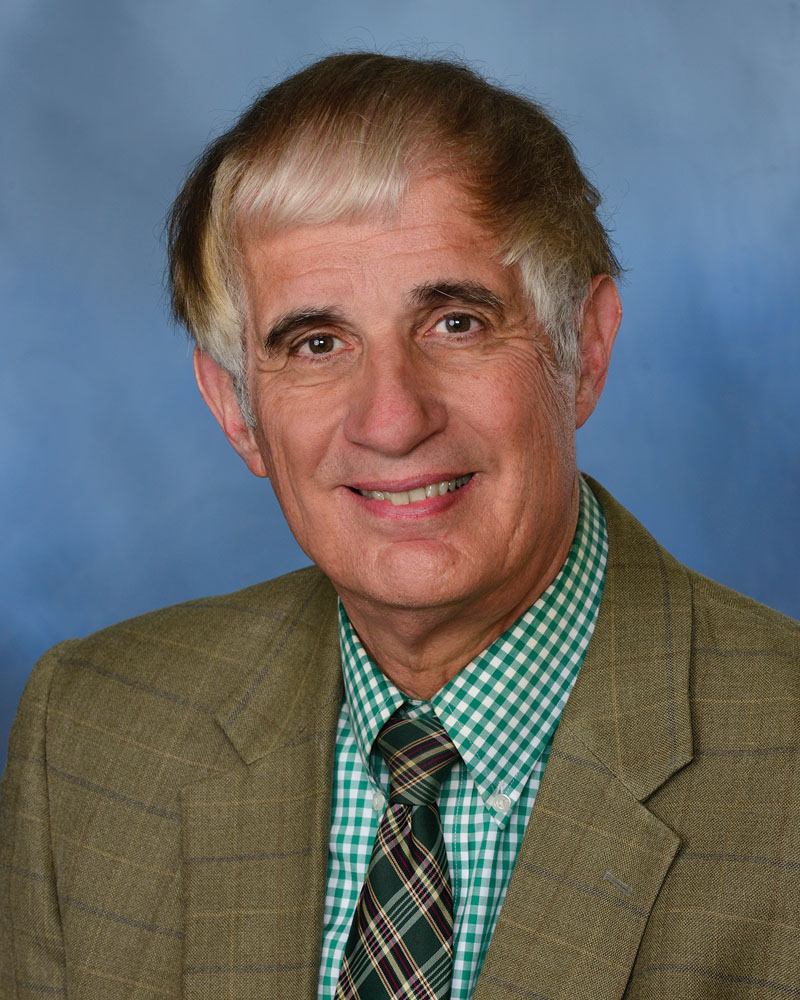
Michael Pindzola, professor in the Department of Physics, has received the Creative Research and Scholarship Award as part of the 2016 Faculty Awards recognizing some of the institution’s most innovative teachers, researchers and scholars for their unique and distinguished contributions to the university’s mission.
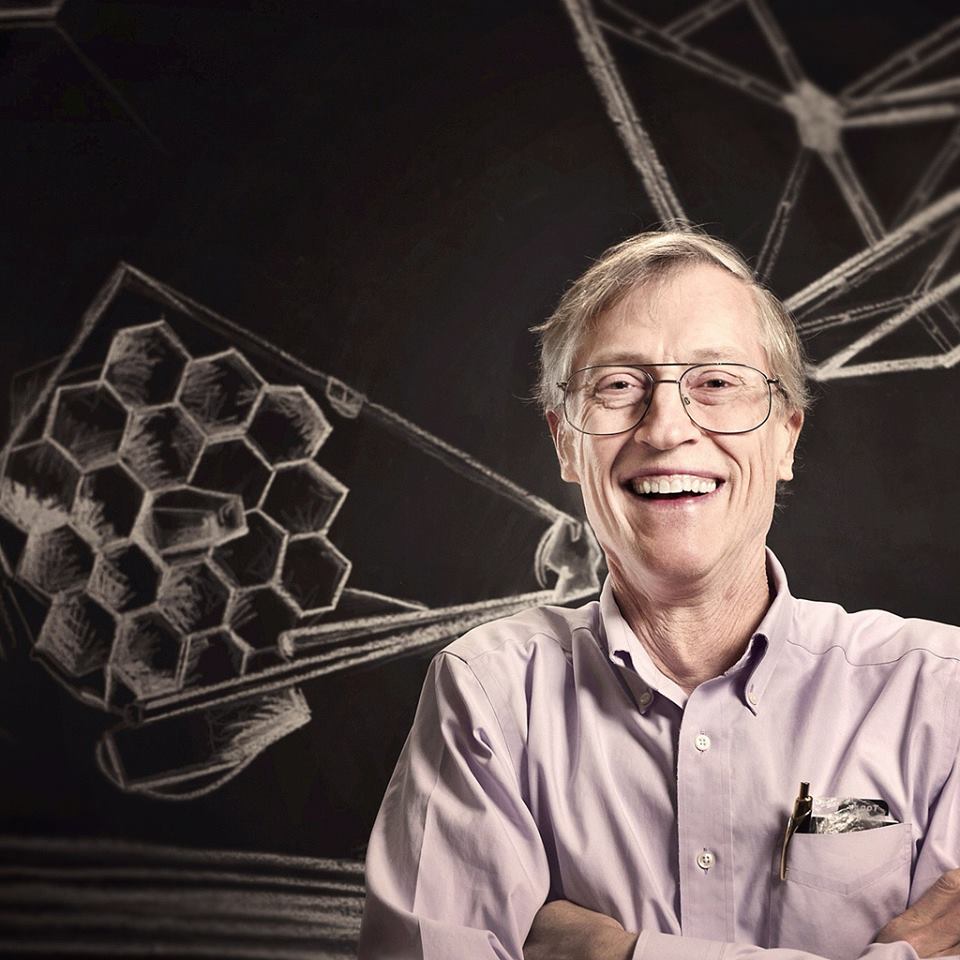
The College of Sciences and Mathematics’ annual M.M. "Dunc" Duncan Jr. Memorial Lecture was held last month and featured Nobel Prize winner John Mather, PhD, senior astrophysicist at NASA’s Goddard Space Flight Center. The lecture, “From the big bang to now: observing the universe with the James Webb Space Telescope,” is now available to watch online
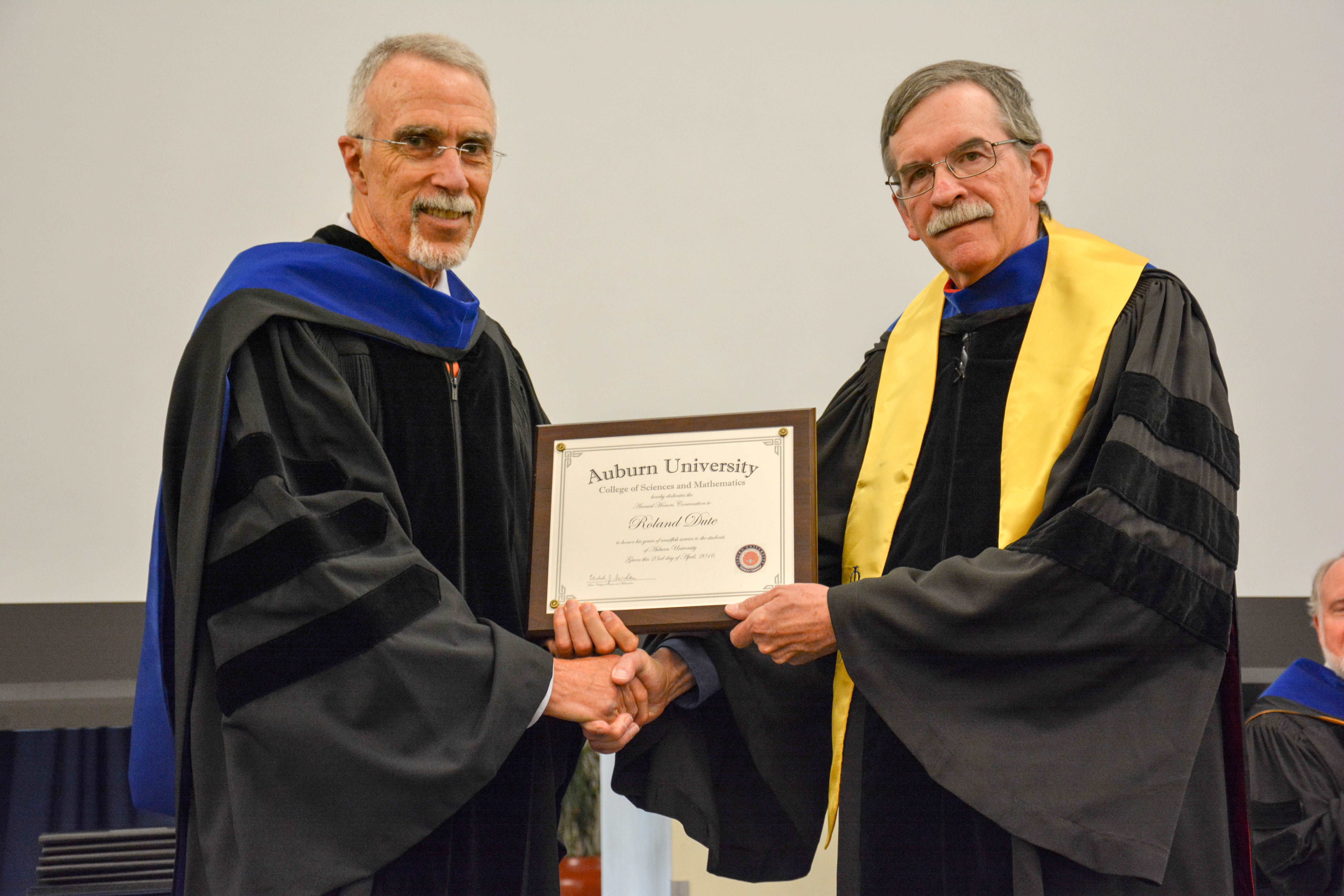
COSAM recognized top students and faculty at the annual Honors Convocation, which took place on April 23 in the Auburn University Student Center Ballroom.
A group of scientists from Auburn University, Los Alamos National Laboratory, Queen’s University of Belfast and the University of Giessen, are involved in large-scale computational atomic and molecular collision calculations.
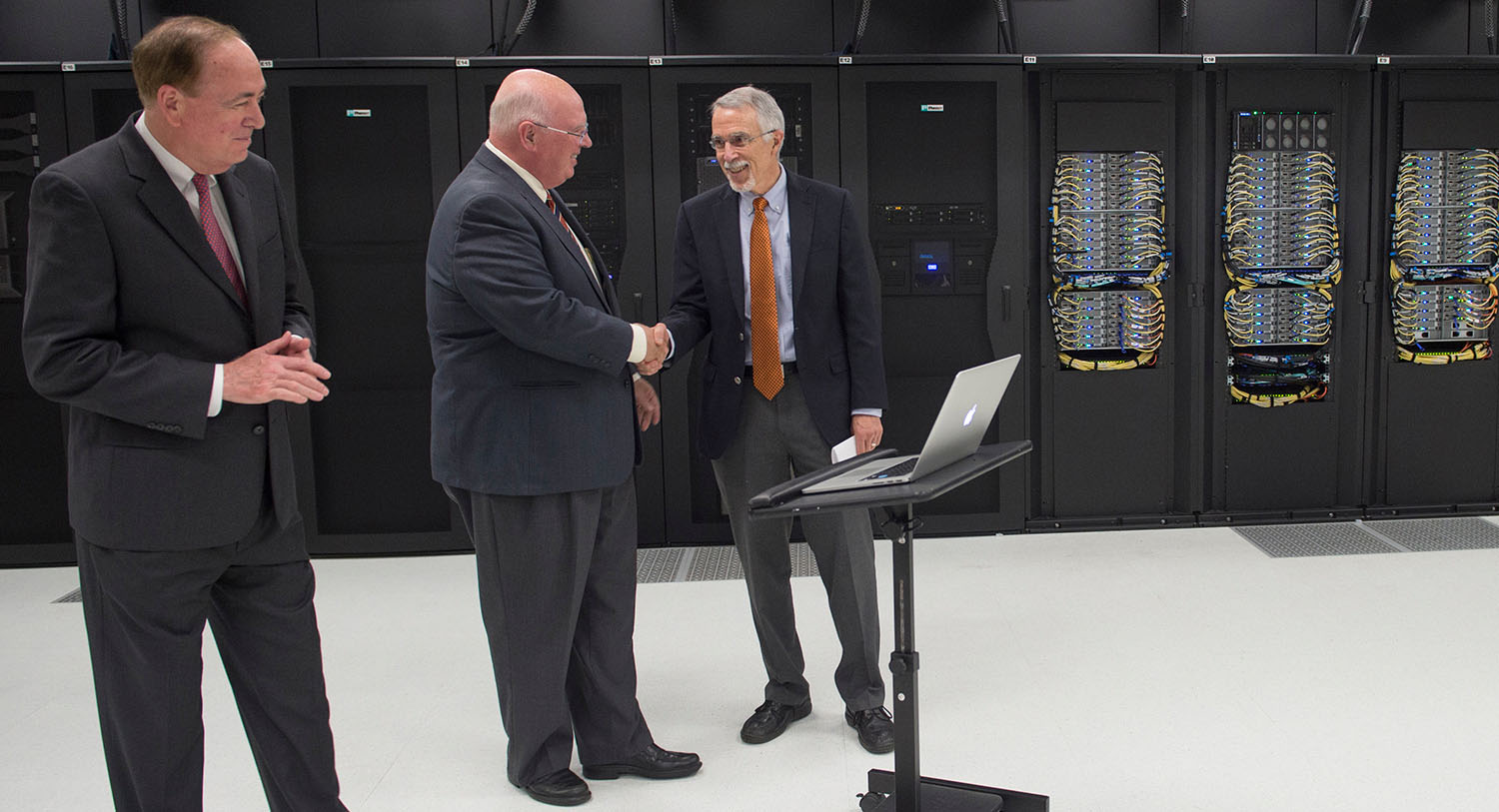
Auburn University unveiled a new $1 million supercomputer that will enhance research across campus, from microscopic gene sequencing to huge engineering tasks. The university is also initiating a plan to purchase a new one every few years as research needs evolve and expand. The College of Sciences and Mathematics’ Dean Nicholas Giordano, along with Bliss Bailey, chief information officer in the Office of Information Technology, led the effort to bring the new supercomputer to the university.
With a National Science Foundation grant secured by Auburn University faculty, undergraduate students at Auburn will design, build and test two CubeSat satellites that will launch into space in 2018.
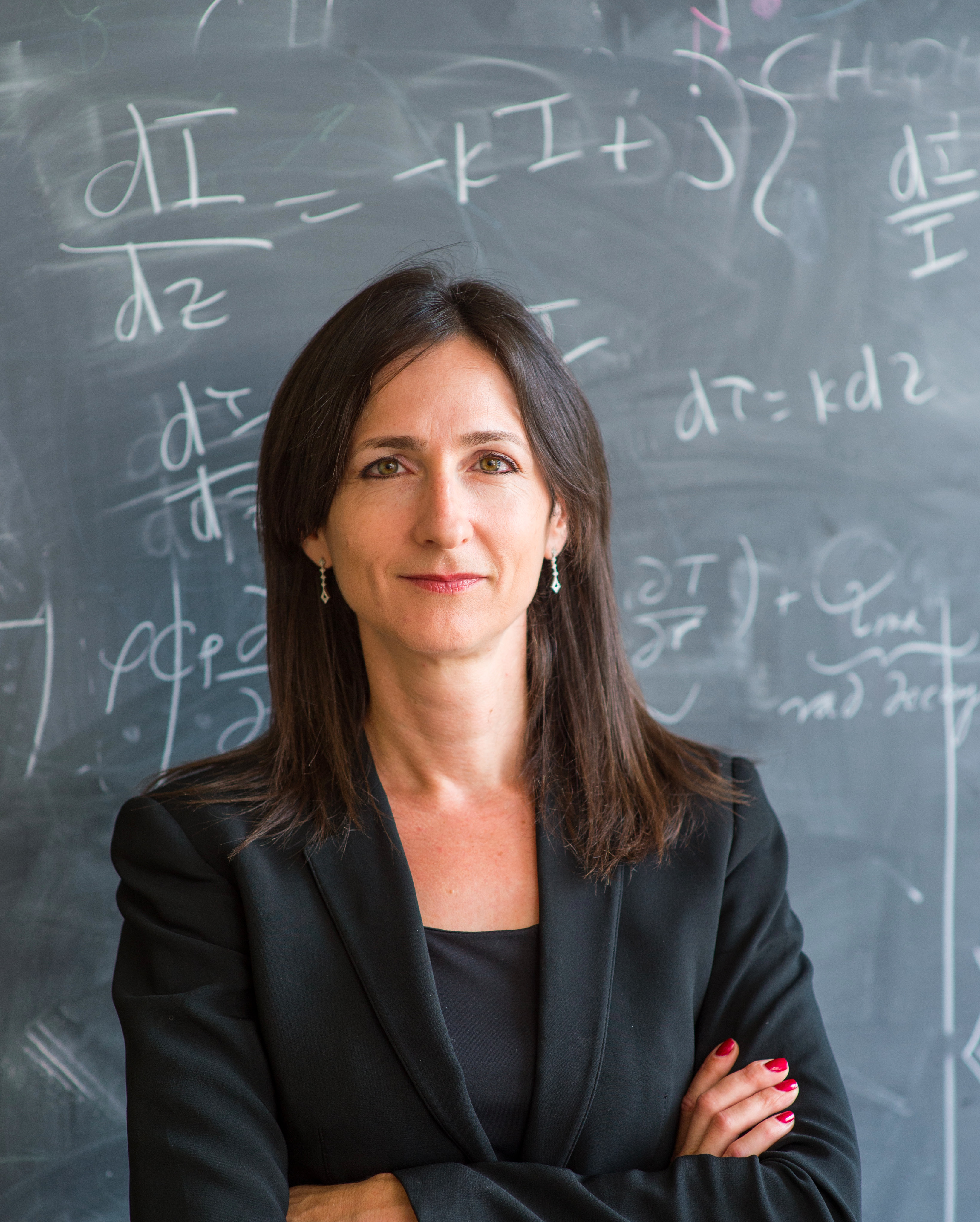
Seager, professor of planetary science and physics at Massachusetts Institute of Technology.
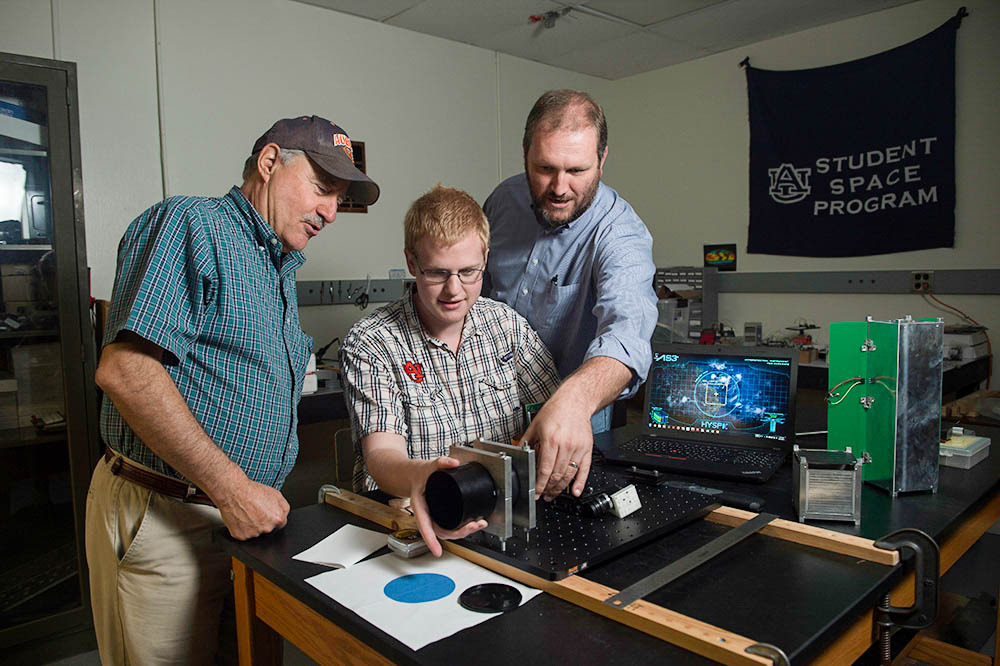
University faculty members J-M Wersinger and Mike Fogle of the Department of Physics, along with Daniel Harris of the Department of Mechanical Engineering, Saad Biaz of the Department of Computer Science and Software Engineering, and collaborators from the University of Alabama in Huntsville, received an award from the National Science Foundation in the amount of $893,873 to support a Cubesat project, “Collaborative Research: CubeSat: Observing Terrestrial Gamma-ray Flash (TGF) Beams With A Pair Of CubeSats.”
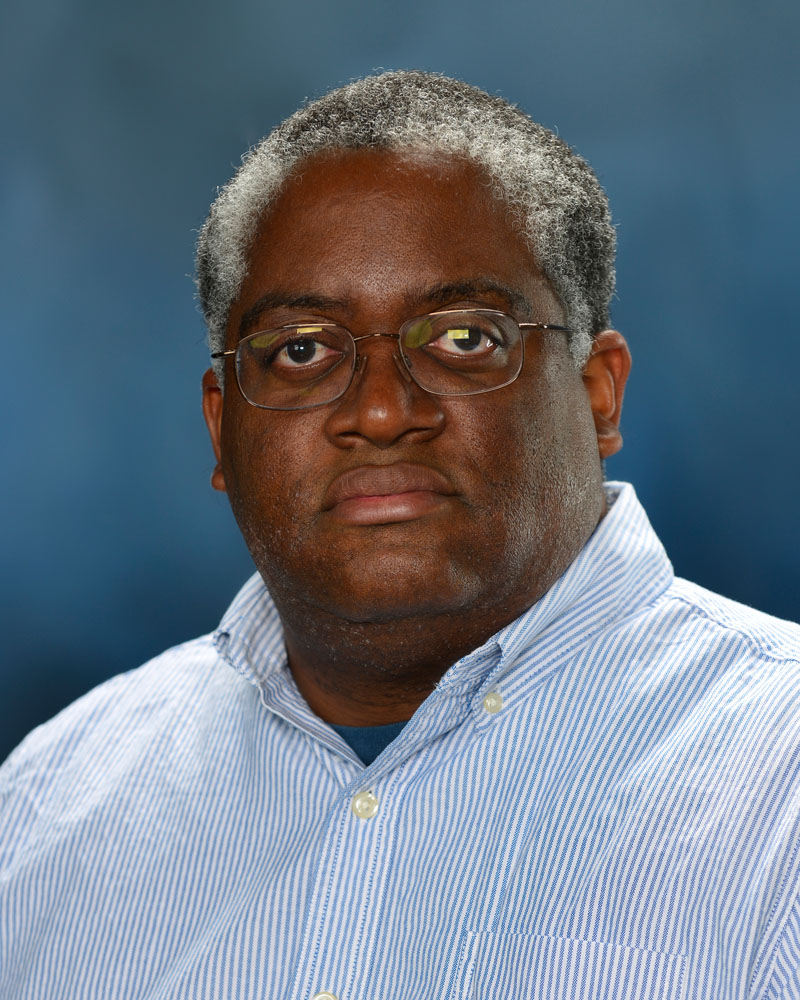
Ed Thomas, professor in the Department of Physics, has been selected as a Charles W. Barkley Endowed Professor.
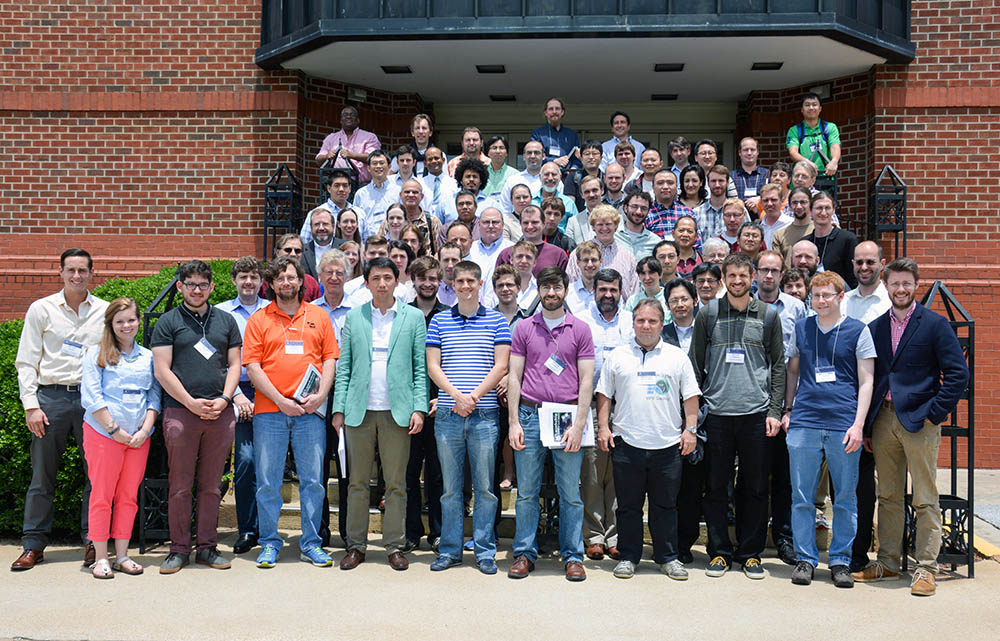
The Department of Physics, in conjunction with Wittenberg University, hosted the 14th Workshop on the Physics of Dusty Plasmas. The workshop was held at the Hotel at Auburn University and Dixon Conference Center and featured plasma physics experts from around the world.
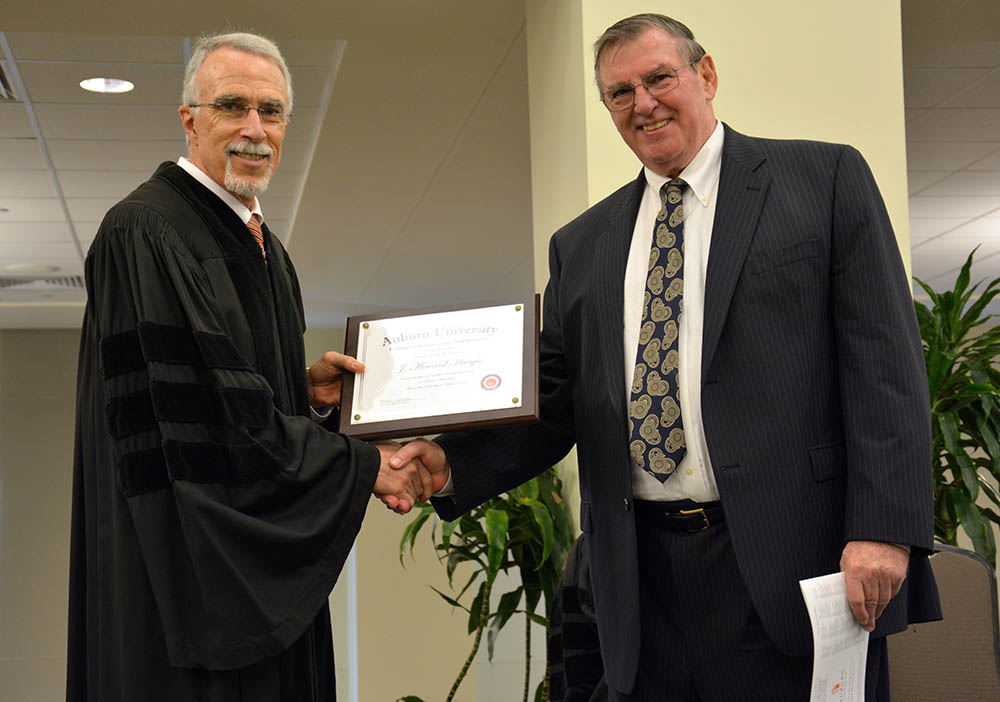
COSAM awarded top students and faculty at the annual Honors Convocation on April 25. This year, the convocation was held in honor of Howard Hargis, former head of the Department of Chemistry and Biochemistry. Hargis retired in 2004 after 34 years as a professor at Auburn. During the ceremony, students were recognized for outstanding academic achievement for the 2014-2015 academic year.
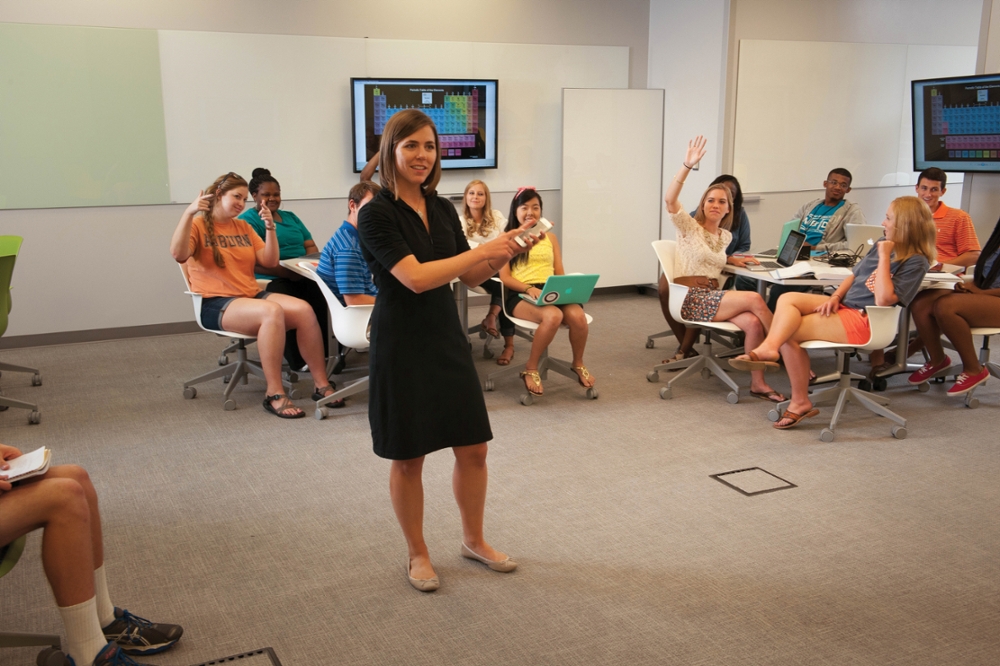
Auburn University's College of Sciences and Mathematics is "flipping the classroom" as part of an innovative way to teach Auburn students through a newly constructed Engaged in Active Student Learning, or EASL, classroom. Working with the Office of the Provost, the college is leading Auburn's effort on the unusual design since all Auburn students must take core classes in the college prior to graduating. "In contrast to traditional classrooms where faculty teach 'at' students, often in stadium-style rooms, this room was designed to encourage teacher-student interactions, and student-student collaborations, two aspects which are known to lead to improved learning outcomes," said COSAM Dean Nicholas Giordano. "COSAM faculty spent many months preparing to use the EASL classroom as effectively as possible in their teaching, and the new space was ready to use at the beginning of the fall 2014 semester."
The Department of Physics, along with the University of Georgia and the Southeast Laboratory Astrophysics Community (SELAC), hosted the workshop, Laboratory Astrophysics for Beyond Hubble, at Callaway Gardens in Pine Mountain, Ga., March 23-25.
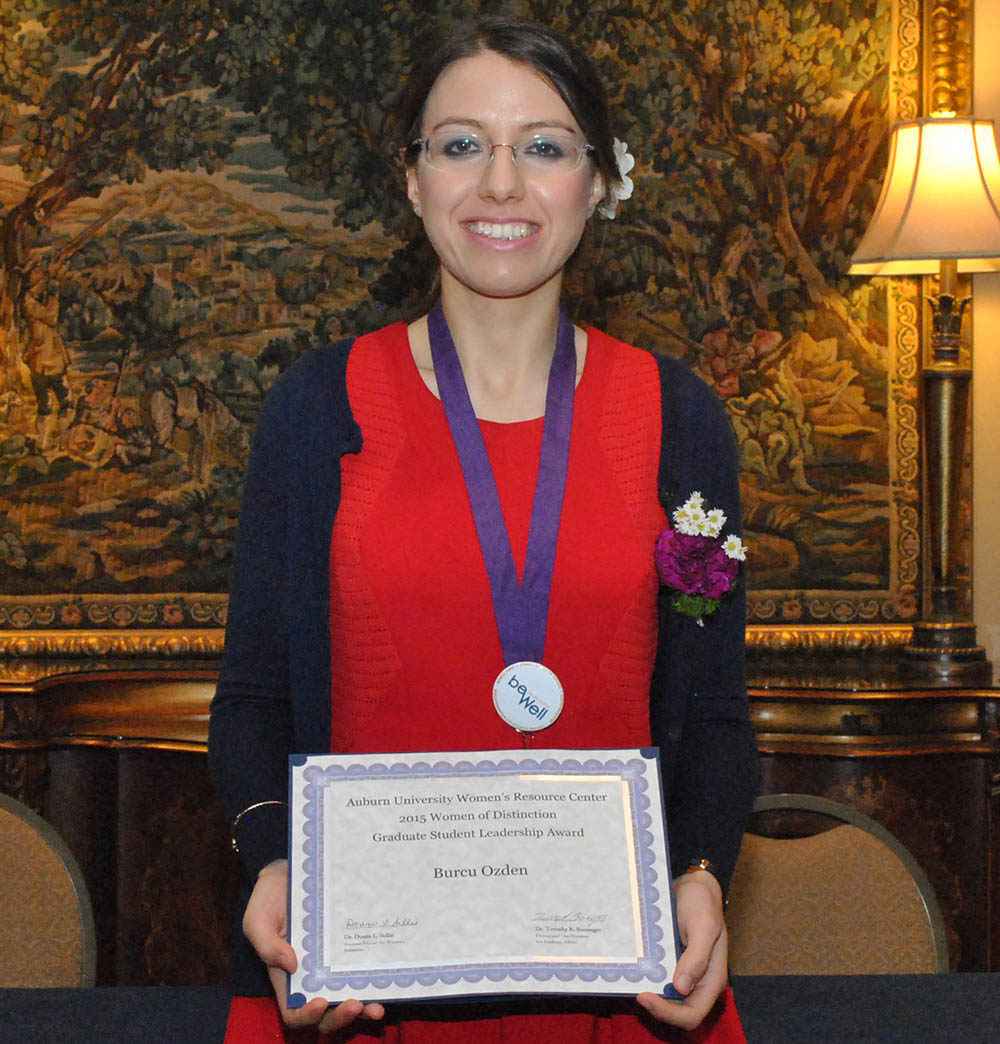
Burcu Ozden, of the Department of Physics, was selected as recipient of the 2015 Women of Distinction Graduate Student Leadership Award, given by the Auburn University Women’s Resource Center.
Ami DuBois, a Ph.D. graduate of the Department of Physics, has been highlighted by the American Geophysical Union journals for her research on laboratory simulations of boundary layers in the Earth’s magnetosphere.
Yongju Zheng, graduate student in the Department of Physics, has been selected for the summer student internship program at Texas Instruments.
During the past five years, physics Professor Edward Thomas developed the mantra, "No stress, no stress, no stress." By repeating the phrase over and over, he had hoped to stave off any ill effects that might result from overseeing the creation of the new Magnet Laboratory at Auburn University, which included the development and delivery of a 6,000-pound superconducting magnet, the only one of its kind in the world. The new lab houses the Magnetized Dusty Plasma Experiment, a one-of-a-kind facility that will support plasma physics research for Auburn University students and researchers, as well as for a diverse team of national and international researchers who will come to Auburn to perform experimental and theoretical studies. More than a dozen Auburn students, including undergraduates, graduates and postdoctoral-researchers, were involved in the design and implementation of the new laboratory, and as the research evolves over the next several years, Thomas envisions opportunities for a long line of undergraduate and graduate student researchers.
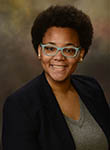
Three Auburn University Honors College students, including Jamesa Stokes, a senior physics major, have been awarded Fulbright Scholarships to continue their studies in the United Kingdom and Germany this summer and fall. Stokes will conduct research at the German Space Agency’s Institute of Structures in Design in Stuttgart, Germany. An Atlanta native, Stokes has completed internships with Goddard Space Flight Center in Greenbelt, Maryland, and the Jet Propulsion Laboratory in Pasadena, California. In addition, she was a Benjamin A. Gilman International Scholar to Reutlingen, Germany. Her research investigates the behavior of fiber-oriented ceramics during hyper-sonic flight in order to develop better thermal protection systems for spaceflight vehicles. “I studied in Germany in the fall of 2012, and it was my first time traveling outside of the country, so it was truly an amazing experience,” Stokes said. “Now I can go back and experience more of Germany while doing research that interests me at the same time.”
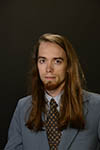
Graham Gordon, a COSAM Honors College student double-majoring in mathematics and physics, has been chosen as a 2014 Barry M. Goldwater Scholar, an honor that is only bestowed to a approximately 300 students nationwide each year. The scholarship is widely considered the most prestigious award in the United States for undergraduates in STEM disciplines. Gordon, of Aiken, S.C., conducts research under the guidance of Professor Peter Nylen in the Department of Mathematics and Statistics. He is also an undergraduate teaching assistant with Professor Joe Perez in the Department of Physics, and he previously participated in a research group studying computational Rydberg atomic physics. “I would like to thank Dr. Nylen for being an ideal research adviser and Dr. Paul Harris (associate director for national prestigious scholarships) for guiding me during the application process,” Gordon said. “Anyone pursuing research in a STEM field should consider this scholarship. Applying is an enlightening experience itself.” Gordon’s primary research involves partial distance matrix completion with multilateration applications to wireless sensor network localization, and his publications include an article in the Journal of Physics B: Atomic, Molecular and Optical Physics.
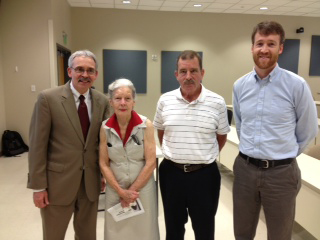
The annual Duncan Lecture was held on April 23, and featured Bradley M. Peterson, professor and chair of the Department of Astronomy at The Ohio State University and a member of the NASA Advisory Council’s Science Committee and chair of the Astrophysics Subcommittee. The title of his lecture was, “Solving the Quasar Mystery: A 50-Year Quest,” and featured discussion of quasars, which are among the most distant and intrinsically brightest objects in the universe, but also small and dense. Quasars are powered by spectacularly massive “black holes,” objects so dense that not even light can escape from them. Peterson related the story of how quasars and supermassive black holes and their role in the cosmos have come to be understood.
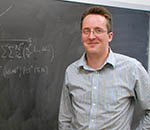
Stuart Loch, associate professor of physics, was selected as the recipient of the SGA Outstanding Faculty Member Award for the College of Sciences and Mathematics. The award is presented to one faculty member from each of the university's schools and colleges. Nominated by students, recipients are chosen for respect of their peers and students, excellence in teaching, and concern for and involvement with students.
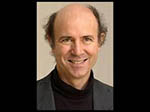
The Littleton-Franklin Lecture in Science and Humanities was held on April 15 and featured Nobel Prize winner Frank Wilczek, Herman Feshbach Professor of Physics at Massachusetts Institute of Technology. The lecture was co-sponsored by the Department of Physics and the Office of the Provost. Wilczek’s talk was titled, “Expanding the Doors of Perception: The Physics of Color Vision,” and detailed his work in the area of particle physics.
Prof. John R. Williams (Physics Emeritus Professor), Tamara F. Isaacs-Smith (Physics Department Staff), Ayayi Claude Ahyi (Physics Research Assistant Professor), Prof. Leonard C. Feldman (Professor, Vice-President, and Director Institute for Advanced Materials, Devices and Nanotechnology, Rutgers University), and Prof. Jogesh K. Sharma (School of Engineering, University of Warwick, Coventry, United Kingdom) have filed a US non-provisional patent titled "Semiconductor Devices Including Polar Insulation Layer Capped by Non-Polar Insulation Layer".
Auburn University senior Patrick Donnan has been selected as one of the Rhodes Scholarship finalists and will interview at the end of November.
Auburn University senior Patrick Donnan has been named a finalist for the Marshall Scholarship for an opportunity to study in the United Kingdom next year. He will interview at the British Consulate in Atlanta Nov. 12 to possibly be chosen as one of only 40 U.S. students named as Marshall Scholars and to attend their choice of any United Kingdom university. Donnan, a native of Auburn, Ala., is a student in the Honors College double-majoring in physics and music, concentrating on the bassoon, and minoring in mathematics.
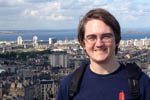
Physics senior Patrick Donnan made his mark as an academic elite when he was chosen as a 2013 Barry M. Goldwater Scholar, an honor bestowed upon approximately 300 students nationwide each year. The scholarship is widely considered the most prestigious award in the United States for undergraduates in science, technology, engineering and mathematics disciplines. Ever eager for more knowledge and experience in the realm of physics, Donnan, who is also pursuing a bachelor’s degree in music, spent the summer working in Dresden, Germany, at the Max Planck Institute for the Physics of Complex Systems under the guidance of Thomas Pohl, leader of the Complex Dynamics in Cold Gases unit.
Edward Thomas, Jr. (pictured left), the Lawrence C. Wit Professor, and associate professor Uwe Konopka (pictured below), both of the Plasma Sciences Laboratory in the Department of Physics, were awarded two new grants from the Department of Energy and the National Science Foundation totaling $765,000 for the project titled, “The Physics of Magnetized Dusty Plasmas.”
Kaijun Liu, assistant professor in the Department of Physics, received a three-year, $240,444 grant from the National Science Foundation’s Division of Atmospheric and Geospace Sciences. The project, “An Integrated Study of Fast Magnetosconic Waves in the Radiation Belts,” aims to comprehensively understand the excitation of fast magnetosonic waves, or “equatorial noise,” and their interactions with relativistic electrons in radiation belts. Liu and his team will use satellite data analysis, linear kinetic dispersion theory, kinetic plasma simulations, and test-particle computations to carry out an integrated study.
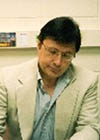
Physics professor Michael Bozack received a grant from the U.S. Department of Defense for research addressing the reliability of Sn-Ag-Cu (SAC) lead-free solder alloys under harsh environmental conditions. The work follows a successful world-wide effort to develop alternative, environmentally friendly materials for electronics packaging. Currently, SAC alloys have replaced conventional lead-bearing solder alloys in most consumer electronics.
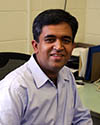
Sarit Dhar, assistant professor in the Department of Physics, was awarded a $598,777 grant from the National Science Foundation’s Partnerships for Innovation program. The grant will support collaborative research between Auburn University and industry partners CoolCAD Electronics, LLC, in College Park Md., and United Silicon Carbide, Inc., in Monmouoth Junction, N.J. CoolCAD Electronics performs design, analysis and prototyping for cryogenic SiC and IR electronics, and United Silicon Carbide works on the design, fabrication and commercialization of SiC technologies.
Alabama and Georgia high school students are getting an opportunity to explore cutting-edge research topics in biology, chemistry, geology, physics and mathematics through the Summer Science Institute at Auburn University.
Professor Mike Fogle received a one-year grant in the amount of $21,511 from the National Science Foundation's Catalyzing New International Collaborations program, which is funded through the Office of International Science and Engineering. The grant, titled, "U.S.-Sweden Planning Visit: Research on the Dynamics of Complex Systems with Ion Storage Rings," will cover travel costs for Fogle and a graduate student to travel to Stockholm, Sweden, to develop a collaboration with Richard Thomas, a research associate at Stockholm University. Thomas' research group in Stockholm recently completed construction of a new, state-of-the-art ion storage ring facility, the Double Electrostatic Ion Ring Experiment, which will be used to investigate the detailed structure and dynamics of molecular systems under precisely controlled interaction conditions. No devices of this type exist in the U.S.
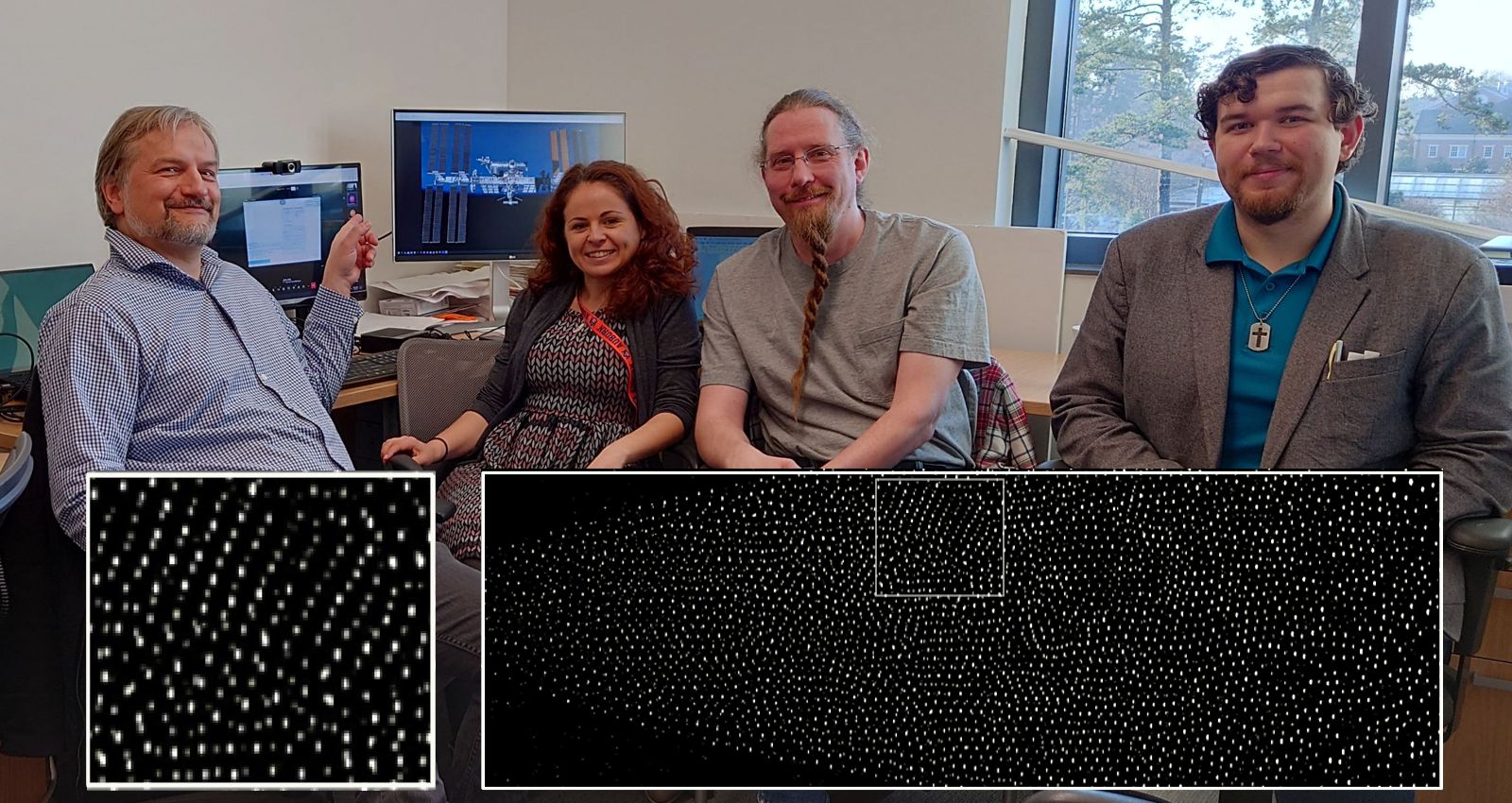
A colloboration including Prof. F. Robicheaux of the Auburn University Physics Department has published a paper featured in Phys. Rev. Letters. It describes a newly-developed quantum microscope that uses photoionization and an electrostatic magnifying lens to directly observe the electron orbitals of an excited hydrogen atom.
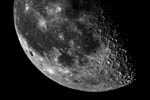
Do you want to learn more about the night sky? Nicole Engleman, a graduate student in physics at Auburn who has taught the astronomy lab, suggests two simple things people can do to enhance their sky-watching enjoyment: purchase a pair of binoculars and locate a start chart. "The night sky is awesome. There is so much up there, so a star chart, whether you print one out or download one to your smart phone, helps you to know what you are looking at, which is really cool. Once you know you are looking at certain constellations, the night sky is 100 times more amazing," Engleman said. "And using a pair of binoculars is an inexpensive way to enhance your view of space without investing a lot of money in a telescope." Engleman said that there are many easy objects to identify, such as the Big and Little Dipper, Polaris, also known as the North Star, which is found in the Little Dipper, and the fifth-brightest star, Vega, which is part of the Lyra constellation. "Honestly, the summer sky is kind of boring compared to other times of year," Engleman said. "Orion is not even up there in the summer, and you can see it at other times of year. It's also not as easy to see as much in the summer because the atmosphere is humid. The moisture makes it more difficult to see the sky because water vapor reflects light."
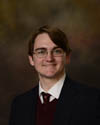
Patrick Donnan, an Auburn University Honors College student double-majoring in physics and music, has been chosen as a 2013 Barry M. Goldwater Scholar, an honor bestowed only to approximately 300 students nationwide each year. The scholarship is widely considered the most prestigious award in the United States for undergraduates in science, technology, engineering and mathematics disciplines.
Coordinated by the Chinese Ministry of Education, Changjiang Scholars Program is one of the most prestigious higher education development programs of China provided by the Ministry of education and Li Ka Shing Foundation.
Prof. Francis Robicheaux is co-author of a study published in the Journal of Physics B: Atomic, Molecular, and Optical Physics that describes a method for cooling trapped antihydrogen which they believe could provide ‘a major experimental advantage’ and help to map the mysterious properties of antimatter that have to date remained elusive.

The Auburn University student-built satellite, AubieSat-1, was the first student-built CubeSat in the state to be accepted by NASA for launch. A “CubeSat” is a 4-inch, cube-shaped satellite that is used primarily for research. The satellite launched into space at 2:48 a.m. PDT on Oct. 28, 2011, from Vandenberg Air Force Base in California aboard a NASA-sponsored Delta II rocket. For approximately eight months, AubieSat-1 orbited the globe, and numerous universities and individual ham radio operators signed up to help track the satellite. The first signal was received shortly after launch from Vigo University in Spain. The signal was heard as far away as Japan and as nearby as the University of Alaska, and daily information arrived to the AubieSat-1 team via an amateur radio operator named Mike Rupprecht, who lives in Germany.
Senior Patrick Donnan was invited to give a talk at the 43rd annual meeting of the American Physical Society’s Division of Atomic, Molecular and Optical Physics in Orange County, Calif., that was held June 4 - 8. Donnan, who is double majoring in physics and music, gave a presentation during the undergraduate session of the national meeting titled, “Calculations of Hyperfine Antihydrogen Spectroscopy.”
A recent scientific breakthrough could lead to changes in the world of antimatter physics, according to Francis Robicheaux, an Auburn University physics professor and member of ALPHA, the international team of scientists conducting the antimatter research. Last year the ALPHA (Anti-Hydrogen Laser Physics Apparatus) team was able to trap and hold the antimatter version of the hydrogen atom. They have now accomplished the goal they set at that time of being able to measure the fundamental properties of antihydrogen. An article in this week’s edition of the journal Nature, titled “Resonant quantum transitions in trapped antihydrogen atoms,” describes the progress made in that research. The article reports that ALPHA has made yet another monumental step toward being able to make defendable and precise comparisons between atoms of matter and those of antimatter. Recently, Robicheaux and collaborators were able to measure the frequency needed to alter the magnetic properties of the antihydrogen atom by sending microwaves through the atom trap. “This is the first baby step into doing great experiments with antihydrogen atoms,” Robicheaux said. “This is the first time any properties of antihydrogen have been measured with any type of precision.”
Auburn's famous battle cry, "War Eagle," will be heard from space Oct. 27 when it is transmitted to earth from a student-built satellite known as "AubieSat-1." The construction of the satellite is part of the Auburn University Student Space Program, and AubieSat-1 is the first student-built satellite in the state to be accepted by NASA for launch. The satellite will launch aboard a NASA-sponsored Delta II rocket from Vandenberg Air Force Base in California. Once in space, the satellite will communicate with Auburn students in Morse Code, and the phrase "War Eagle" is the signal that the launch was successful and the satellite is in orbit and operating correctly.
Educators from Auburn University and Auburn City Schools floated like astronauts during a once-in-a-lifetime flight on NASA's "Weightless Wonder" aircraft. The team of six educators call themselves the "Flying Tigers," and as they floated, they conducted experiments that were set up in a clear plastic box to see how various objects and scientific concepts would alter under a reduced gravity environment. According to the team, words cannot accurately describe the feeling of being weightless.
Alabama Public Television did a feature on COSAM's Auburn University Student Space Program as they prepare for the launch of the first student-built satellite in the state, AubieSat-1.
Physics Professor and Director of the Plasma Sciences Laboratory, Edward Thomas, received an NSF award through the Major Research Instrumentation (MRI) program. This competitive program research training in our nation's institutions of higher education, museums, science centers and not-for-profit organizations. The total amount awarded to Thomas is $2.1 million, which includes a 30 percent cost-sharing by Auburn University. This project represents one of the largest MRI projects ever awarded to Auburn University.
Last year, an international team of scientists including Auburn University physics professor Francis Robicheaux made a scientific breakthrough by trapping and holding the anti-matter version of the hydrogen atom. When the discovery was initially announced, the team, known as ALPHA, had captured 38 atoms of antihydrogen, storing each for a mere sixth of a second. Since then, ALPHA has made significant progress by trapping 309 antihydrogen atoms, with some held for as long as 15 minutes.
The presentation will cover various electronic and photonic devices based upon III-V compound semiconductors and nanostructured materials including “wide”-bandgap III-nitride materials with a focus on materials and device physics. The material structures and devices in the presentation include light-emitting diodes (LEDs), laser diodes (LDs), heterostructure field-effect transistors (HFETs), and heterojunction bipolar transistors (HBTs) for both photonic and electronic system applications as critical components in solid-state lighting and high voltage electronics. The aspects of device and materials physics, material-related technical issues, and state-of-the-art device technology will be described. Applications and outlook of the devices in current information technologies and next-generation green technologies will also be briefly discussed.