


Biological Sciences News


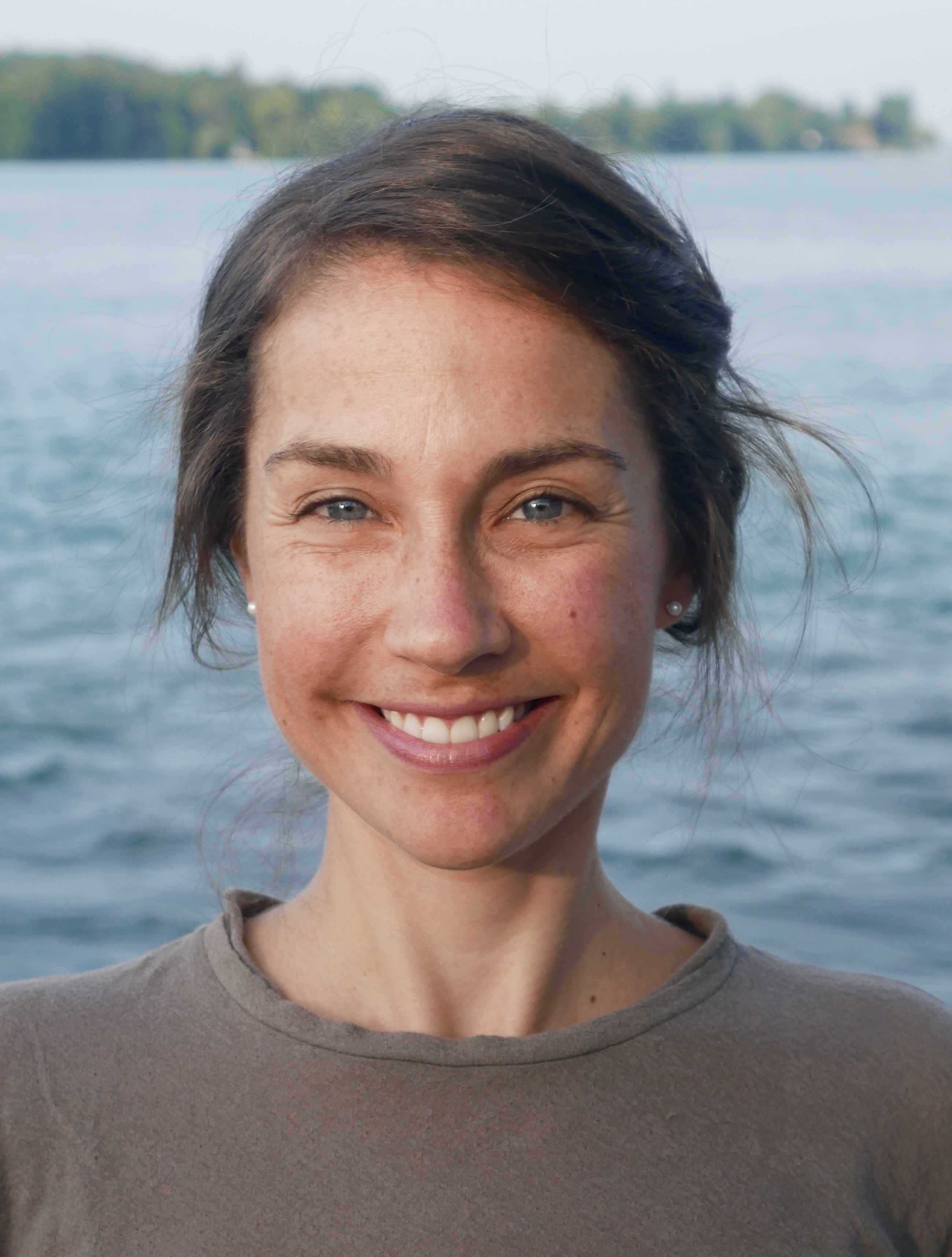
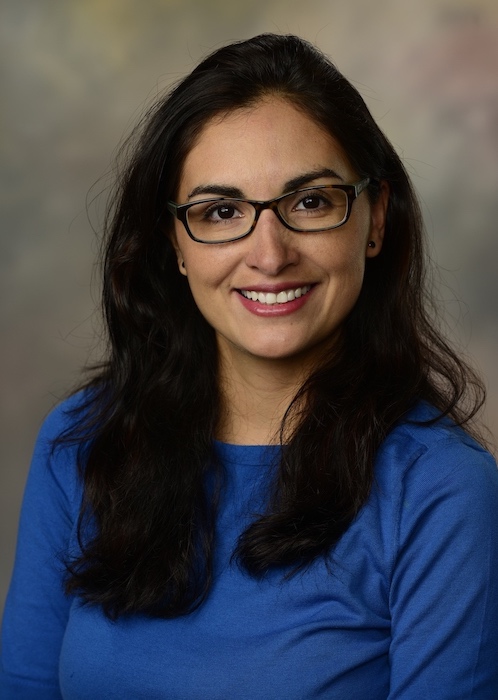
Auburn biologist receives $1.2 million NSF CAREER award for work testing evolutionary biology theory
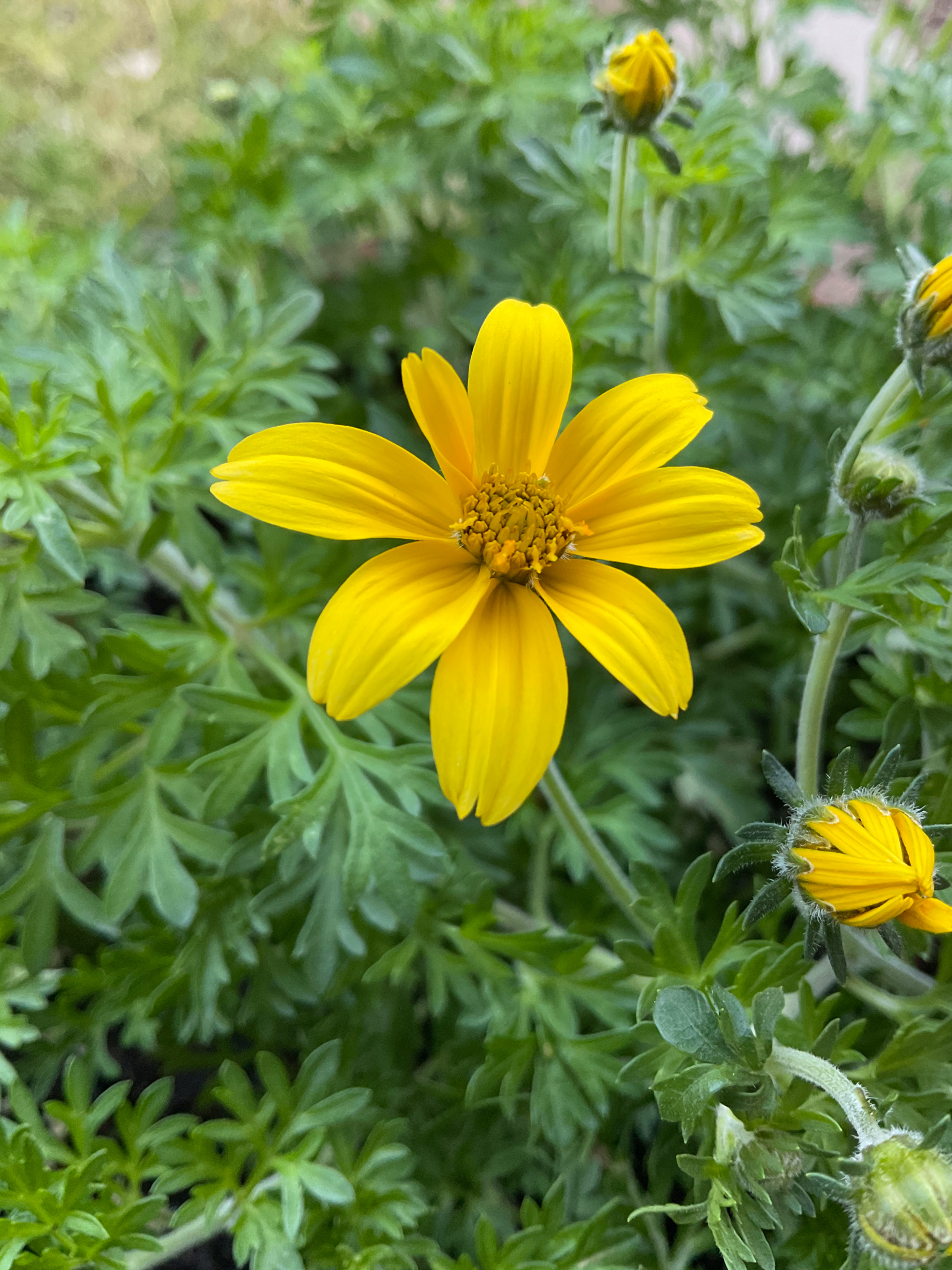
You can help record local ecosystems while you get ready for this year’s Iron Bowl. As anticipation builds for the Iron Bowl, make a difference documenting wild plants, animals (not including pets), fungi, and other organisms. Your time and effort will help Auburn University win the Marble Bowl. That’s right – the Marble Bowl. And all you need is your smartphone.
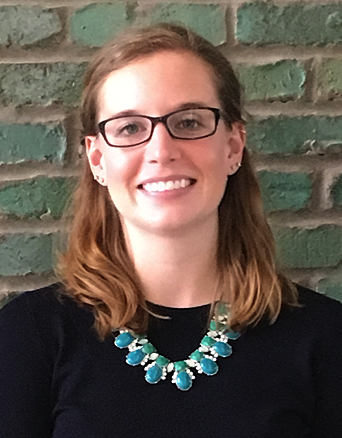
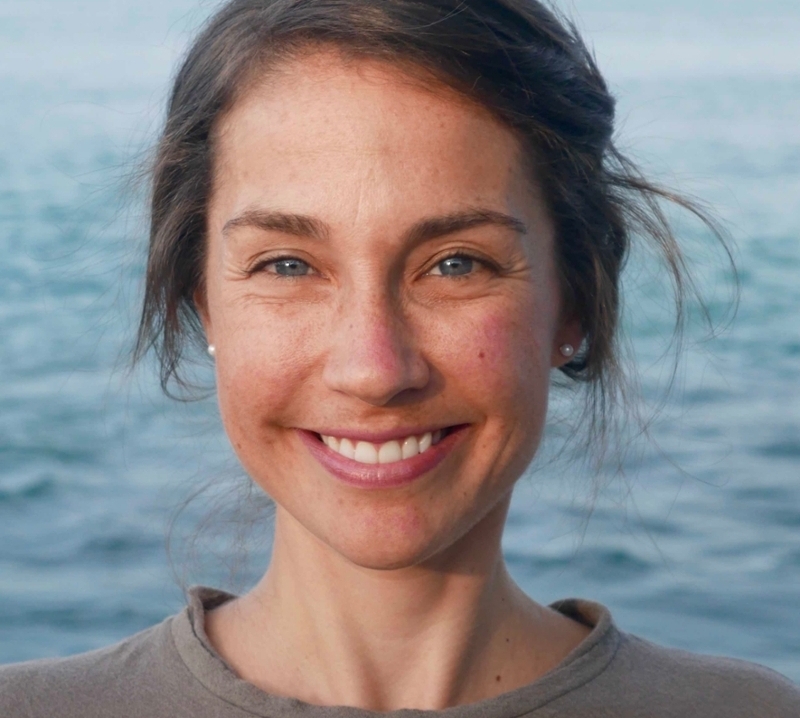
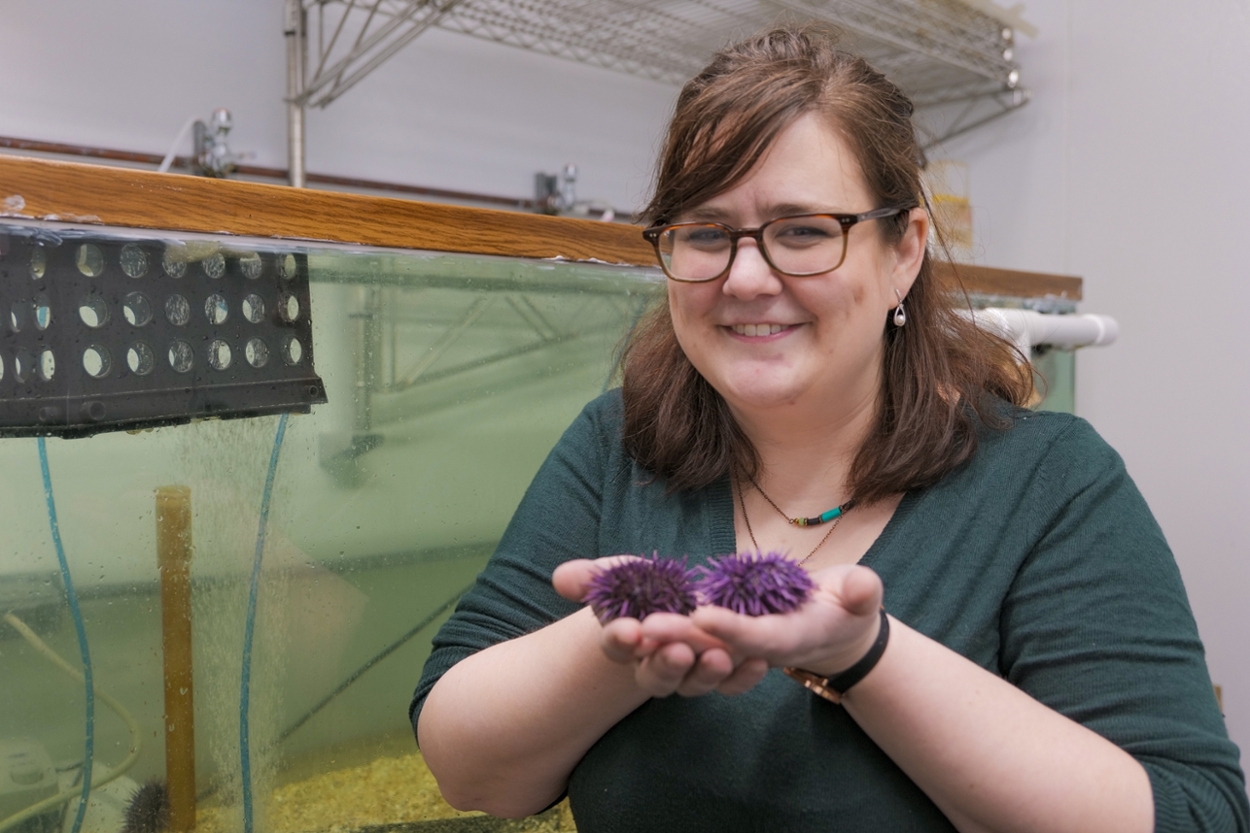
Kate Buckley, an assistant professor in the Department of Biological Sciences, is the recipient of a $910,860 National Science Foundation, or NSF, award to learn more about immunology with echinoderms, or sea urchins and sea stars. The project, Regulatory control of the system-wide innate immune response in marine invertebrates, is funded by the Division of Integrative Organismal Systems and Direct for Biological Sciences within NSF.
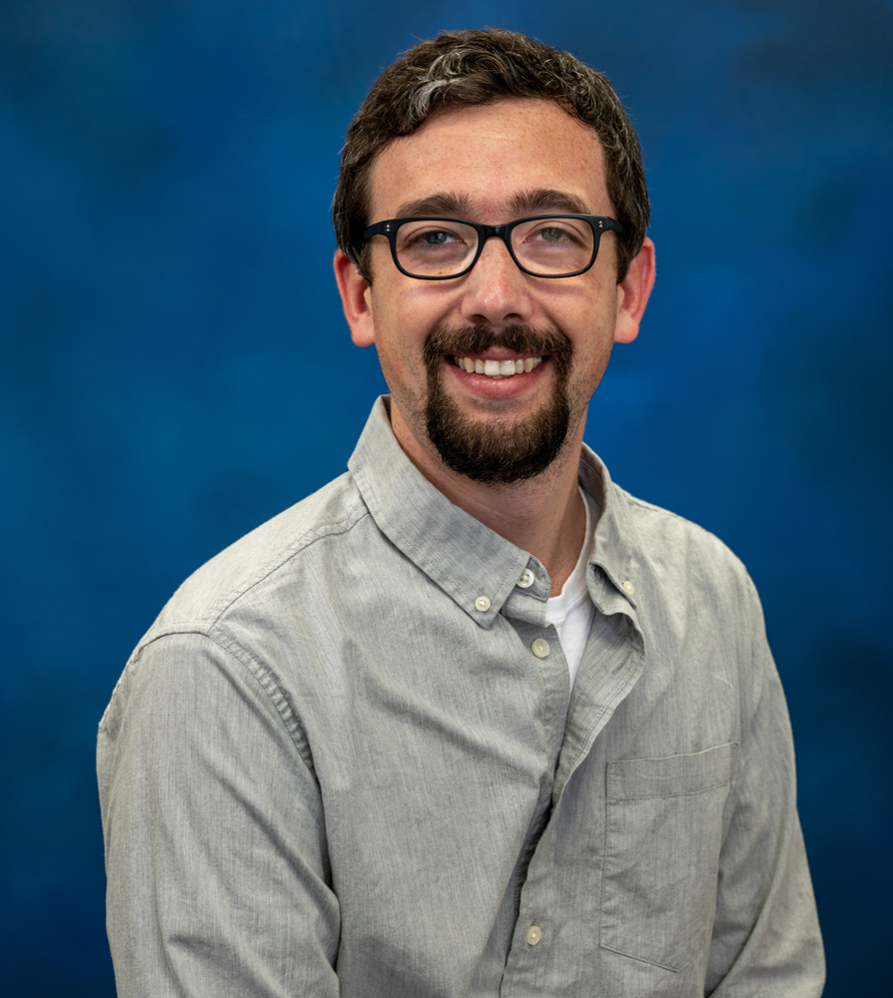
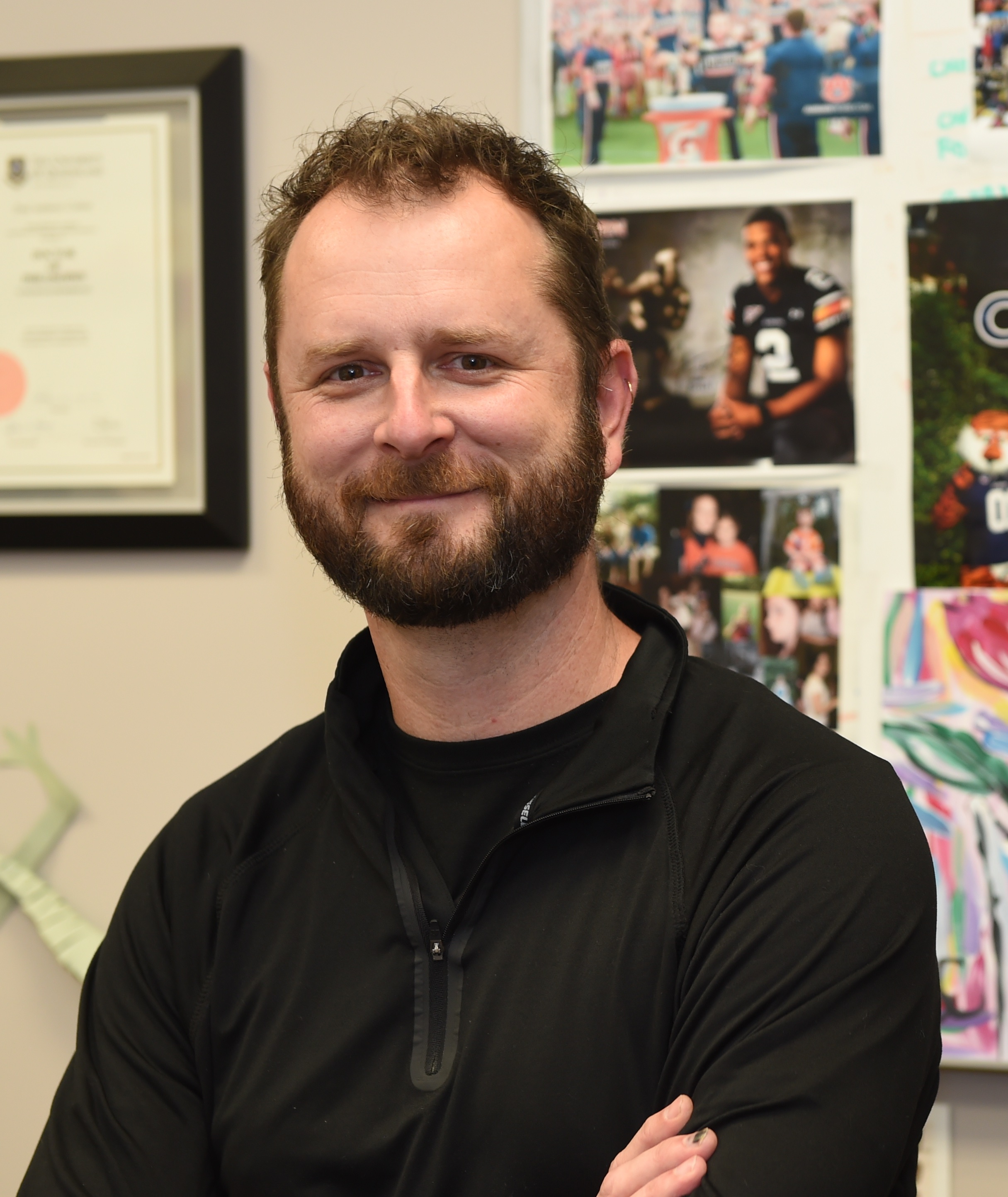
Daniel S. Jones, assistant professor in the Department of Biological Sciences, is the recipient of a $752,045 award from the National Science Foundation (NSF) Division of Integrative Organismal Systems – Plant Genome Research Project. He is collaborating with Jennifer Mandel, associate professor, at the University of Memphis and John Burke, a Distinguished Research Professor and head of the Department of Plant Biology, at the University of Georgia. In total, the award is for $2.2 million among all three research groups for the next four years.
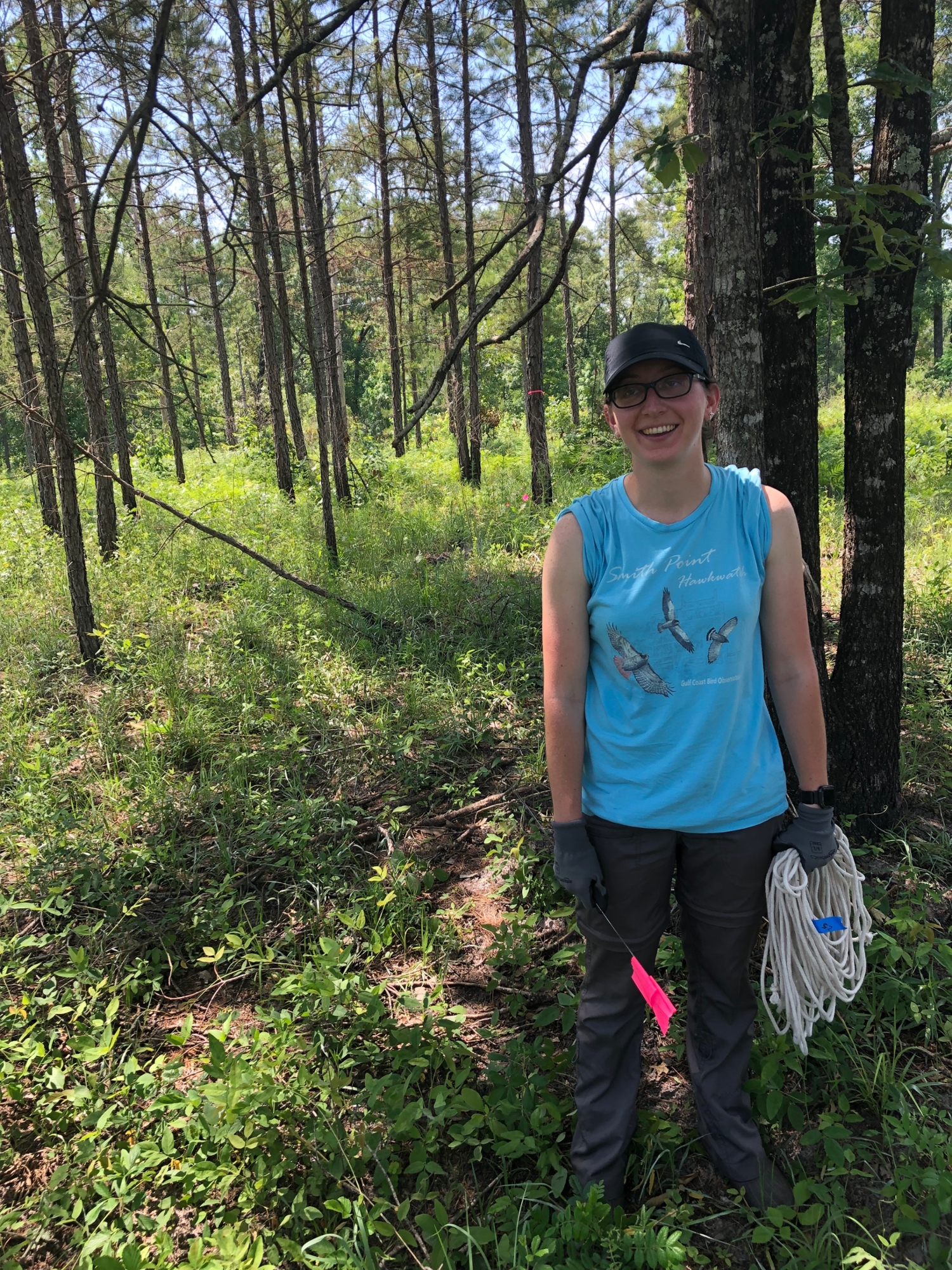
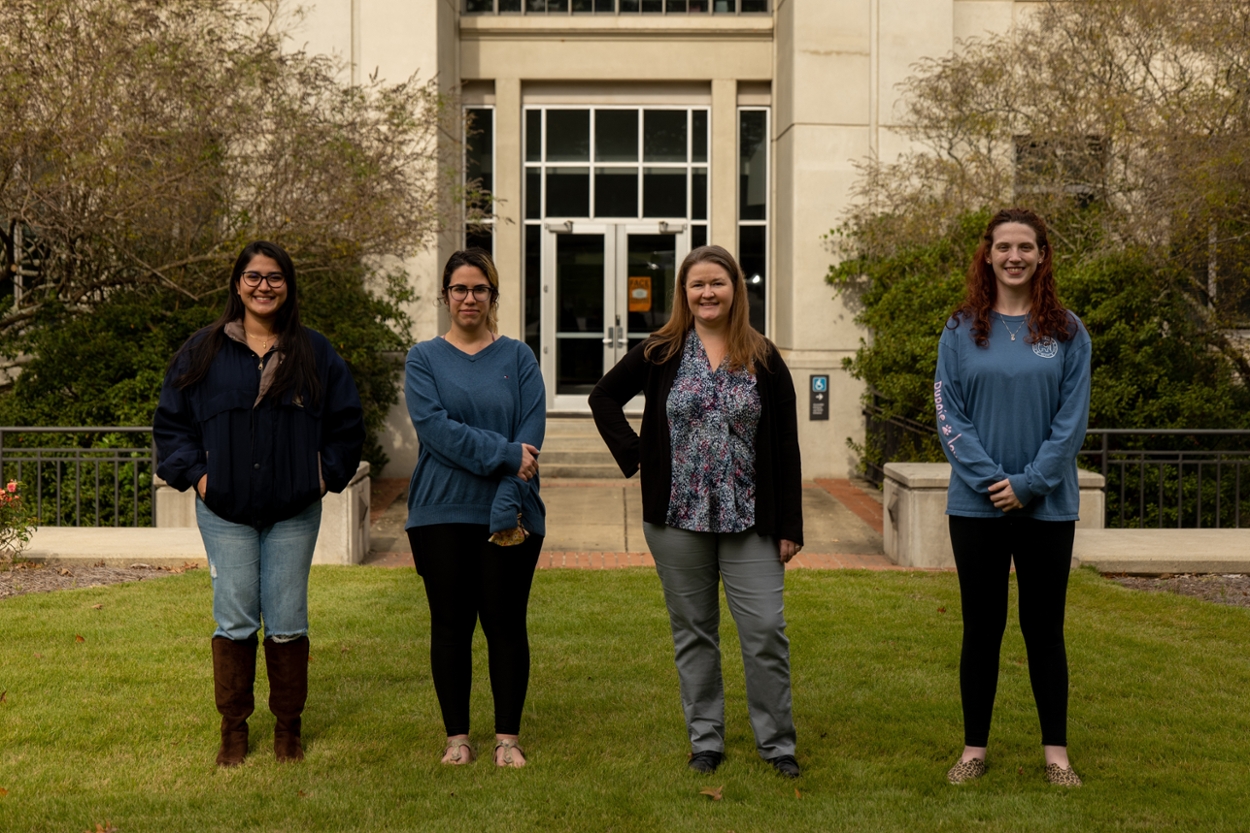
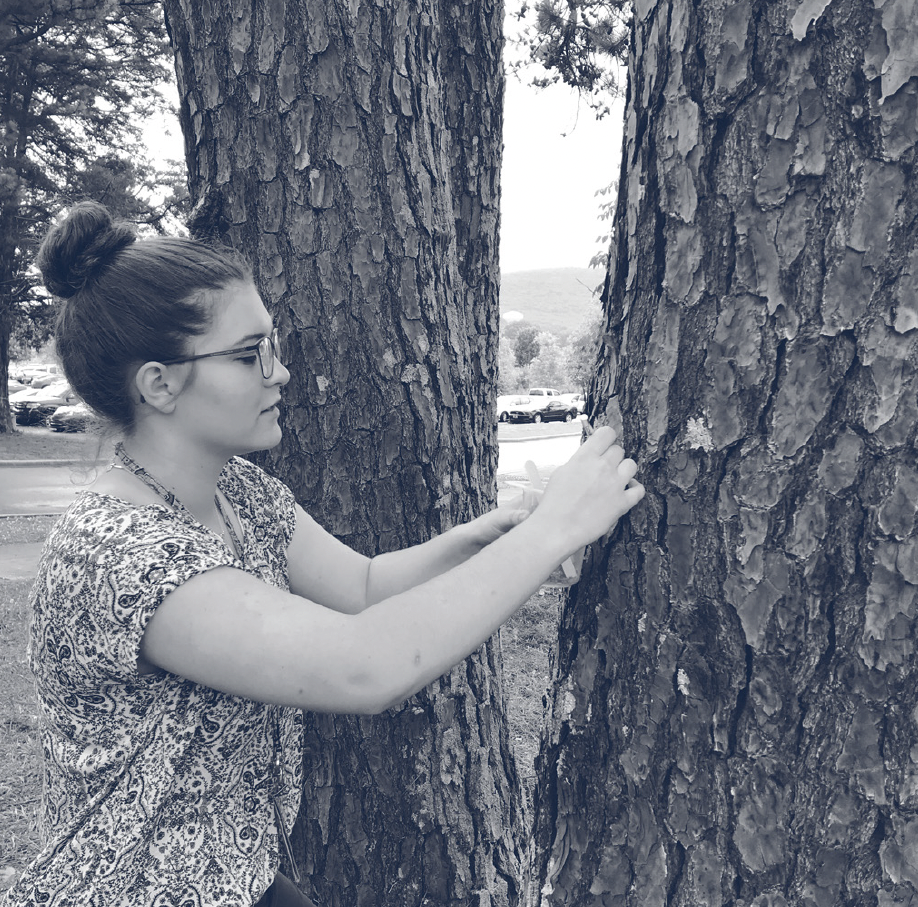
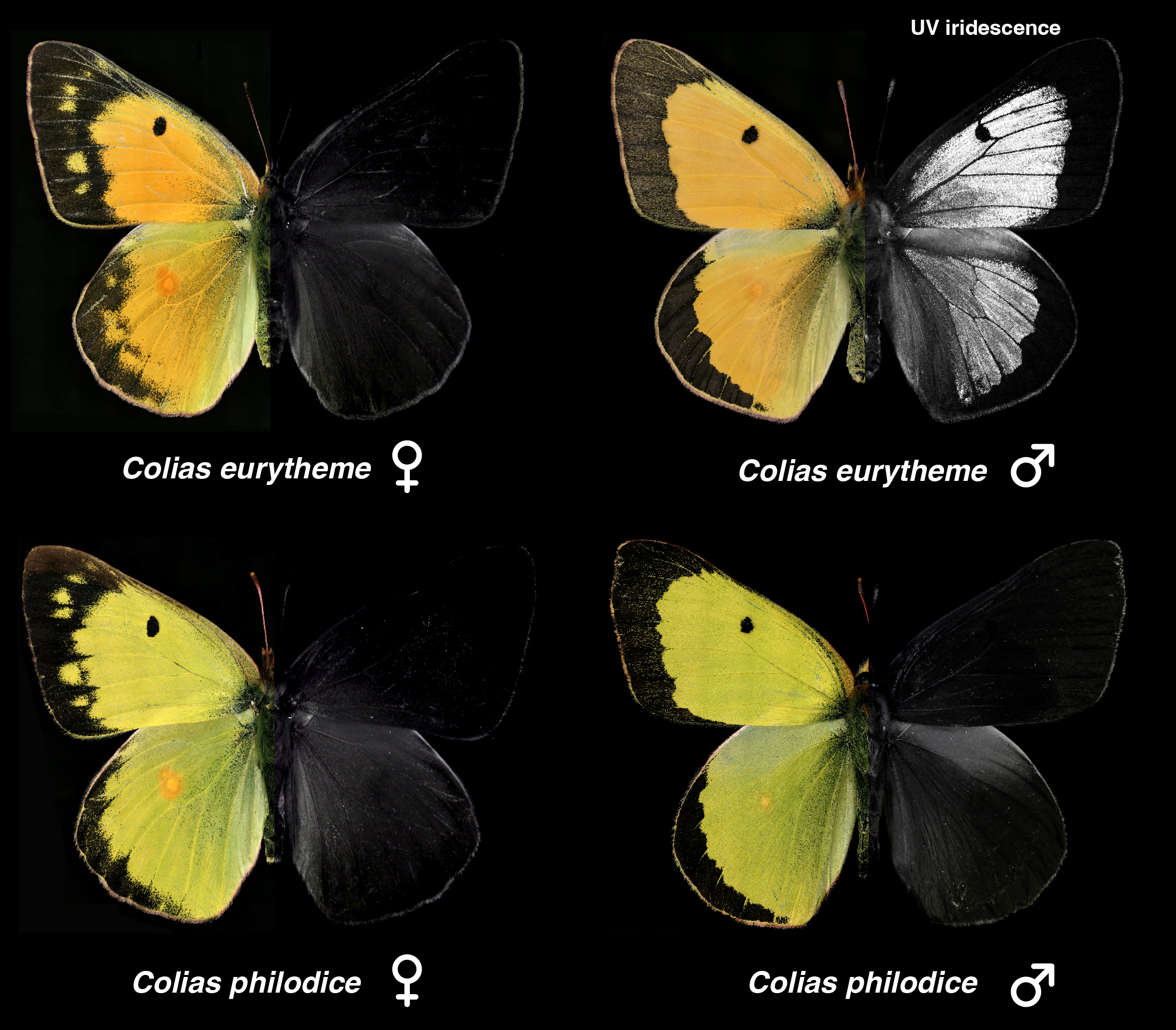
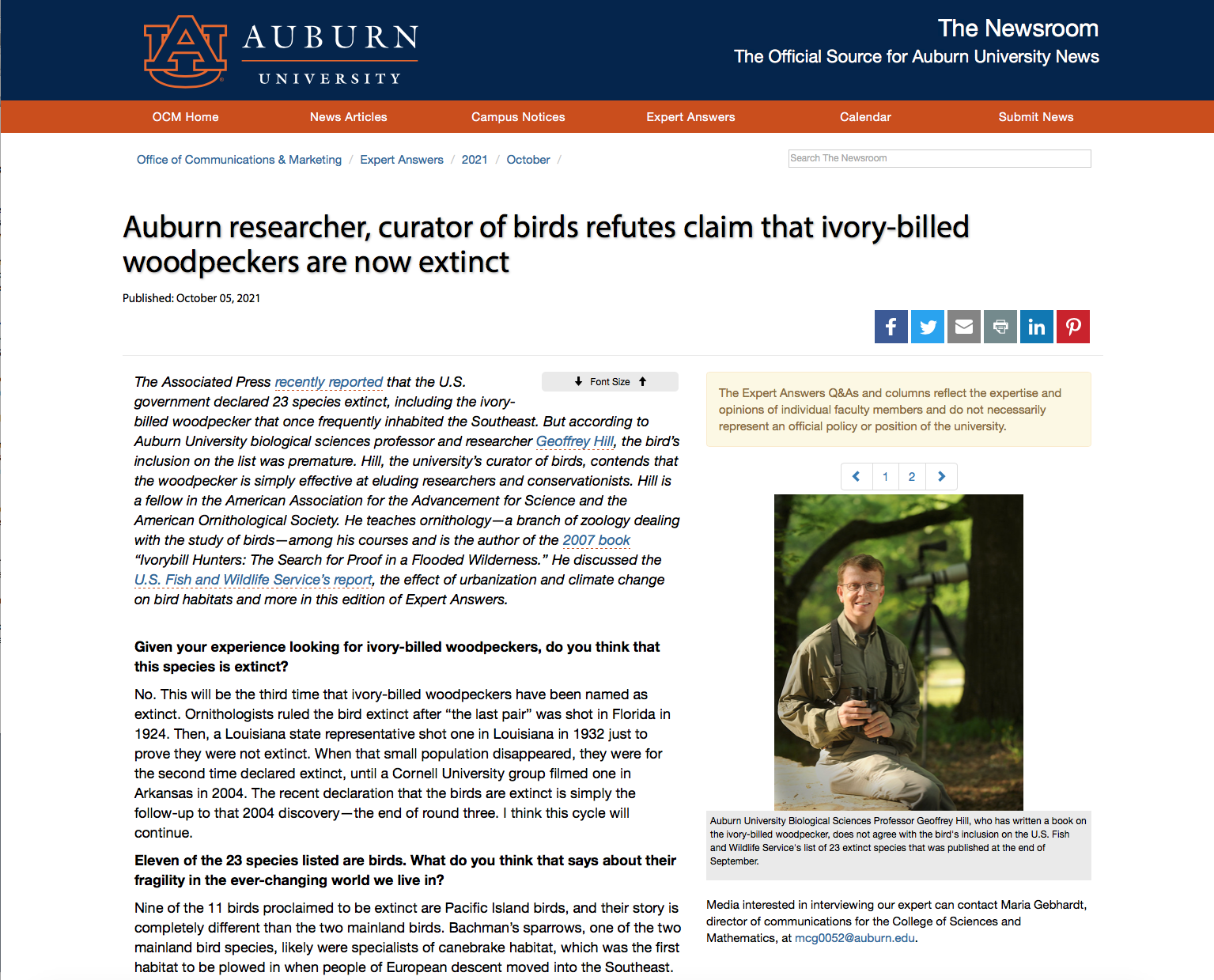
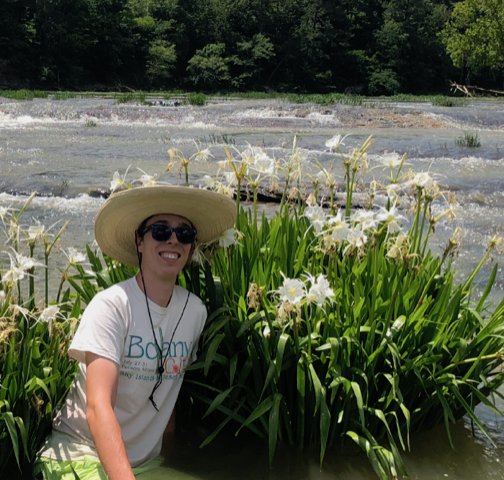
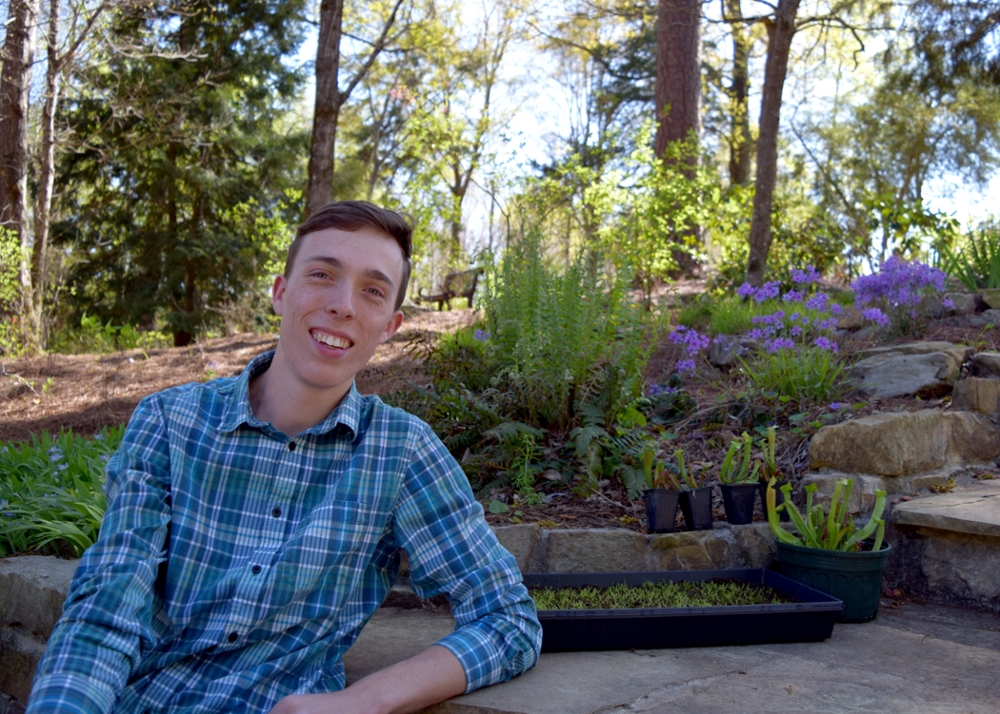
In the College of Sciences and Mathematics (COSAM), students can elevate their experience at Auburn University. For Noah Yawn, he not only found a plant thought to be extinct, discovered a new location of a plant thought to be found only in one place, and also trekked through fast-moving water to see breathtaking, exotic lilies. And that was in addition to working at the Donald E. Davis Arboretum while completing coursework for a double major in integrative biology and geology with an anticipated graduation date of May 2022. “My good friend and mentor Alan Cressler and I rediscovered what was thought to be an extinct plant in Alabama, Berberis canadensis, the American Barberry,” Yawn explained. “The last time it was recorded was more than a half of a century ago, where it hadn’t been seen since despite extensive searching.”
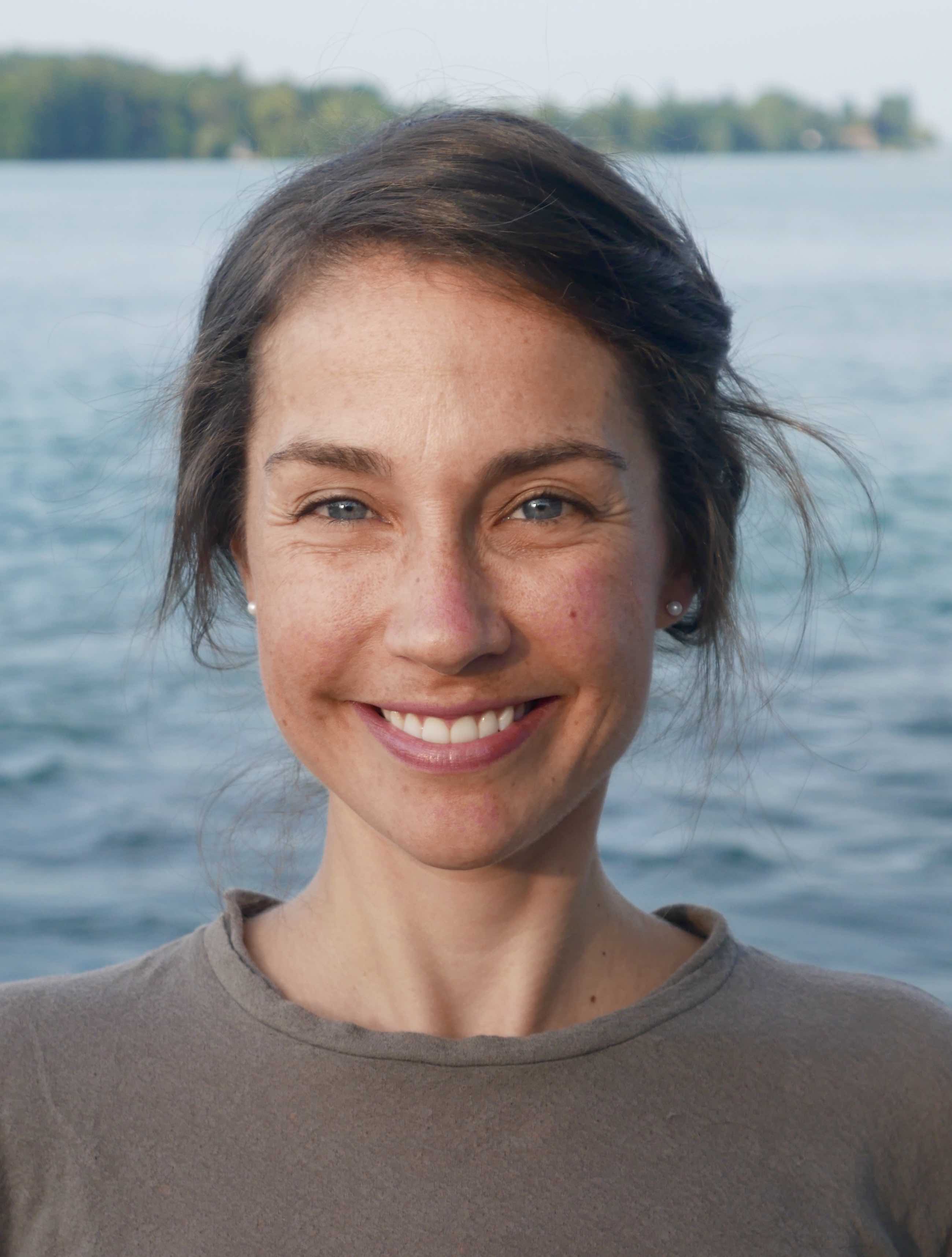
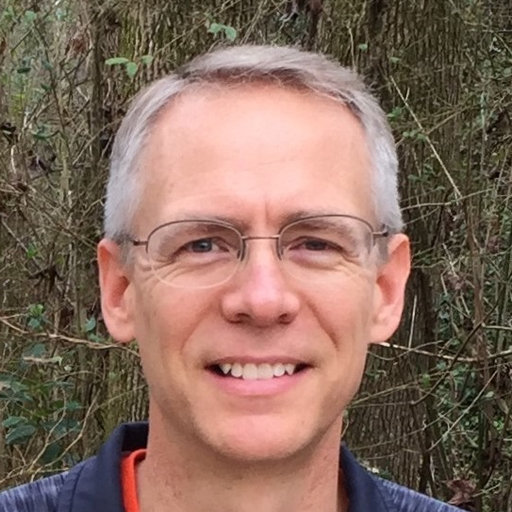
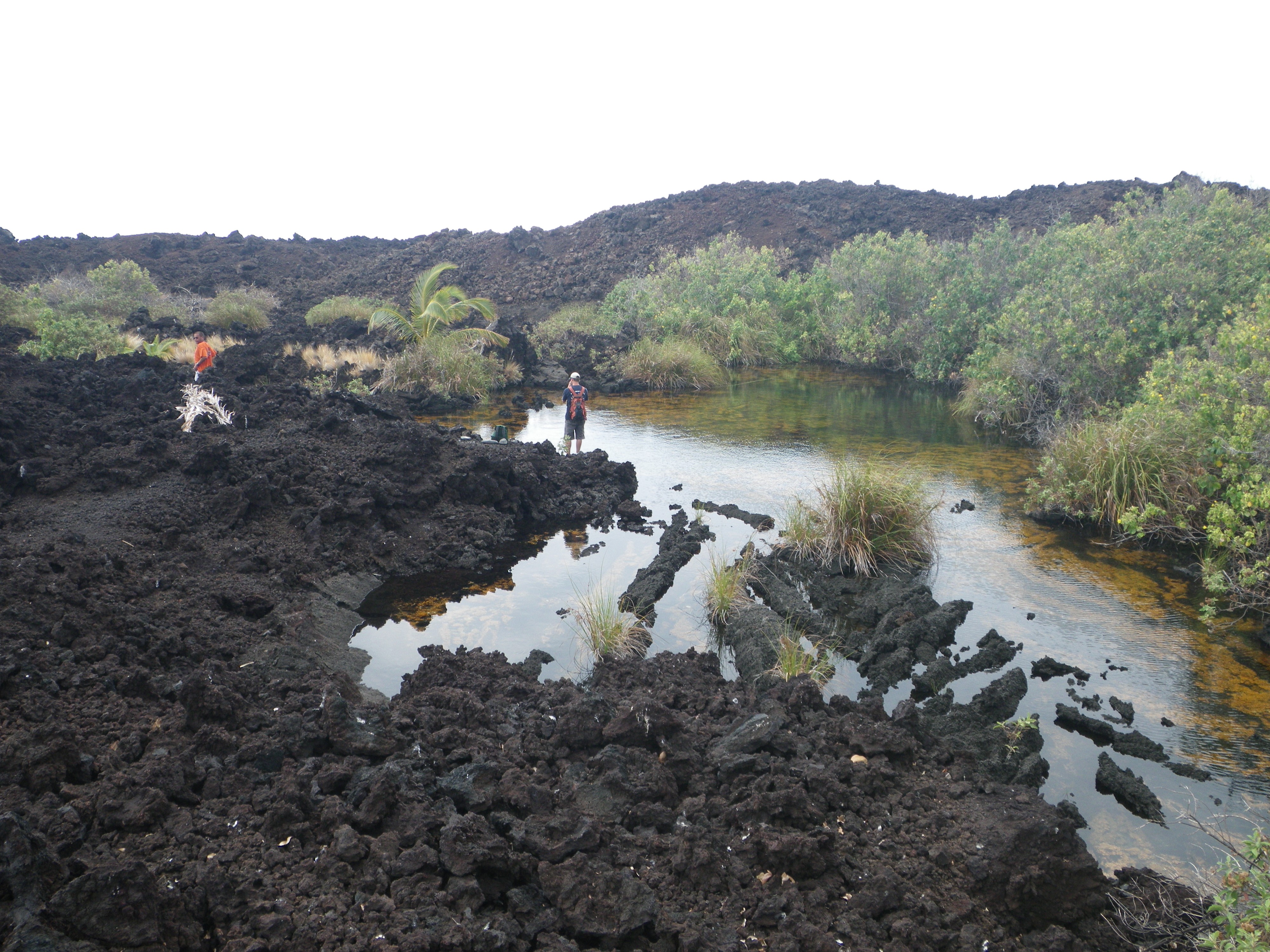
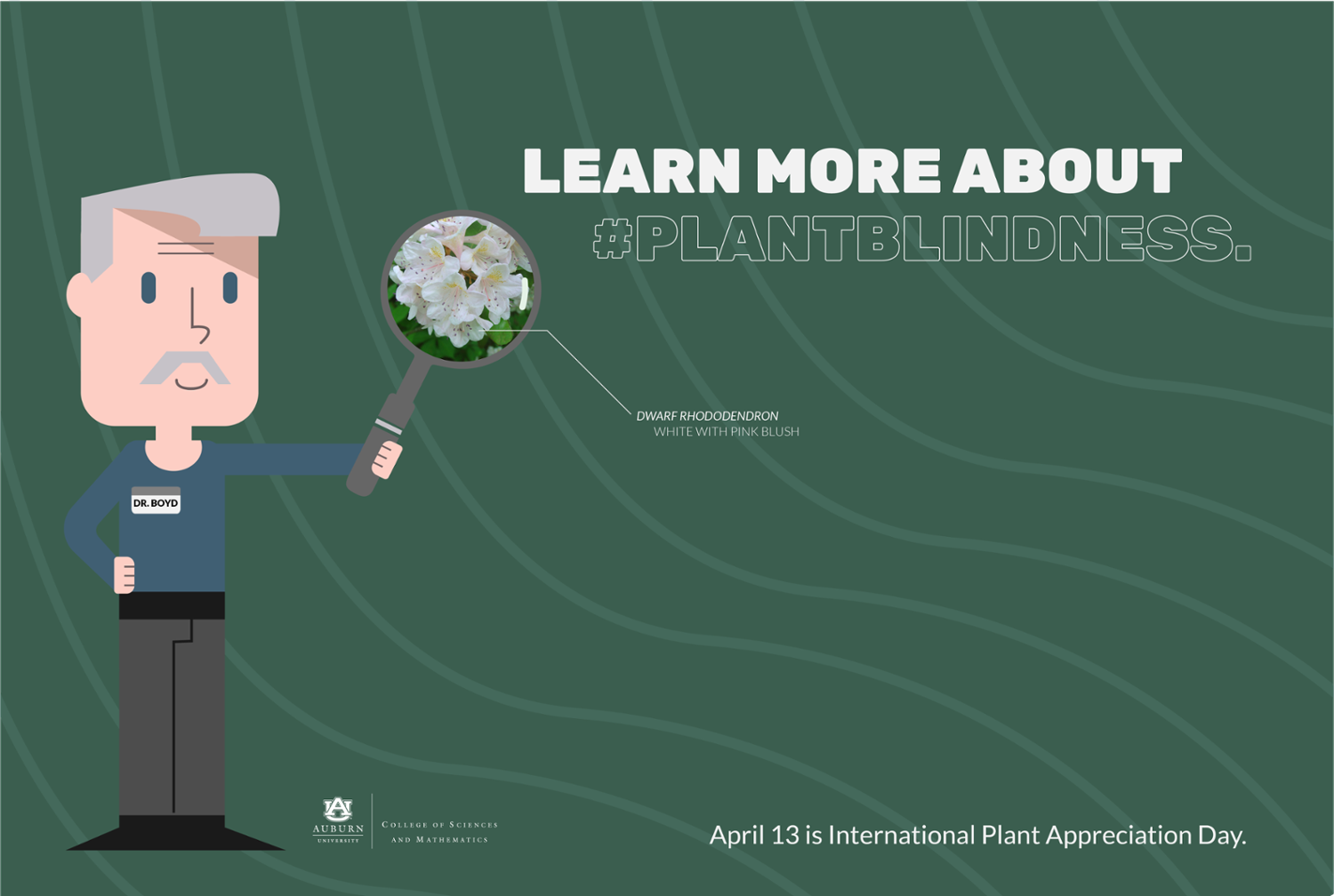
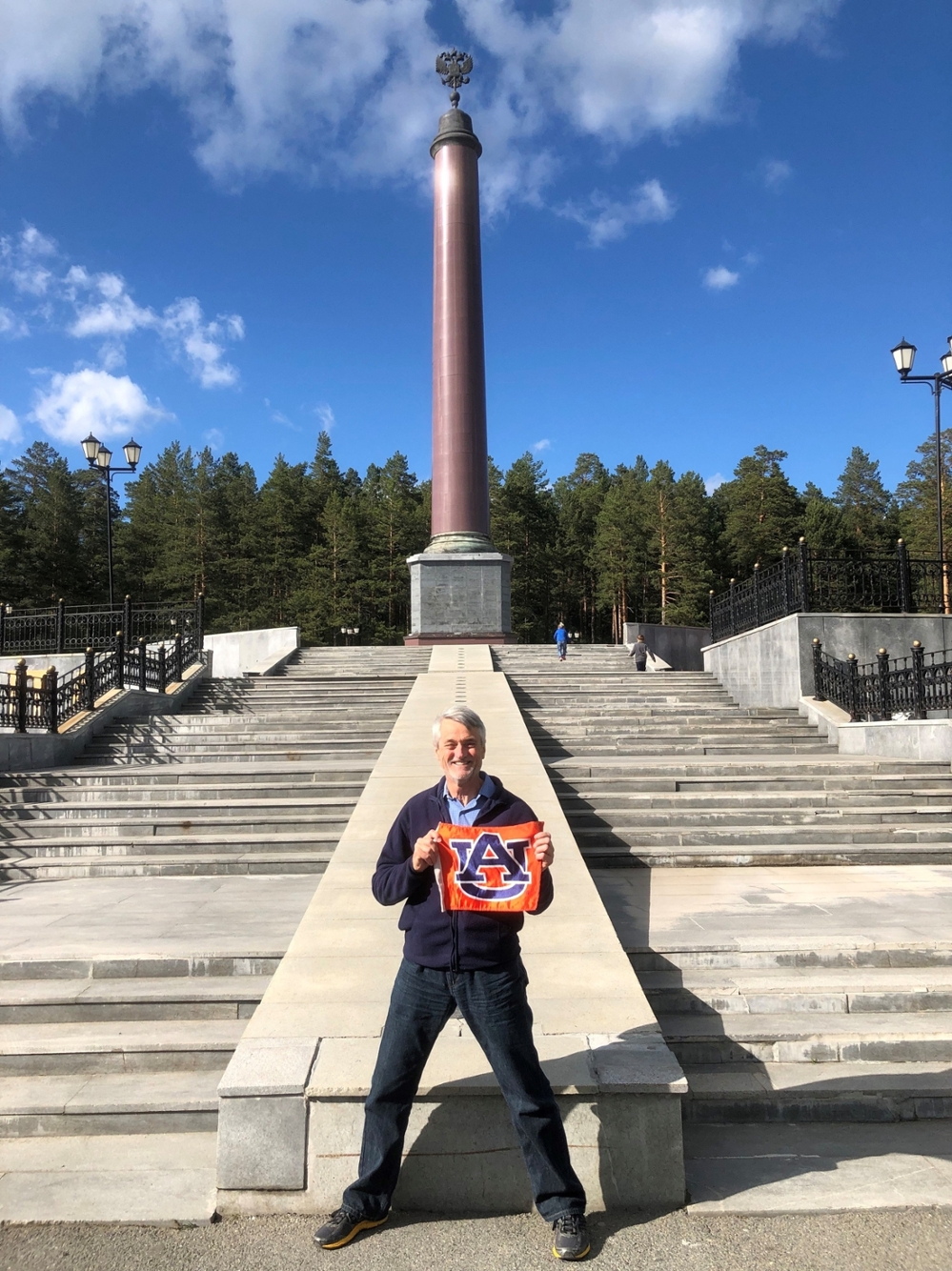
Standing at this obelisk or “Czar” Monument in Ekaterinburg in the Russian Federation, Dr. Robert Boyd has one foot in Asia and one foot in Europe. Although he stands on two different continents in this photo to the right, his career has stood on a solid foundation of science, teaching, and leadership for three decades.

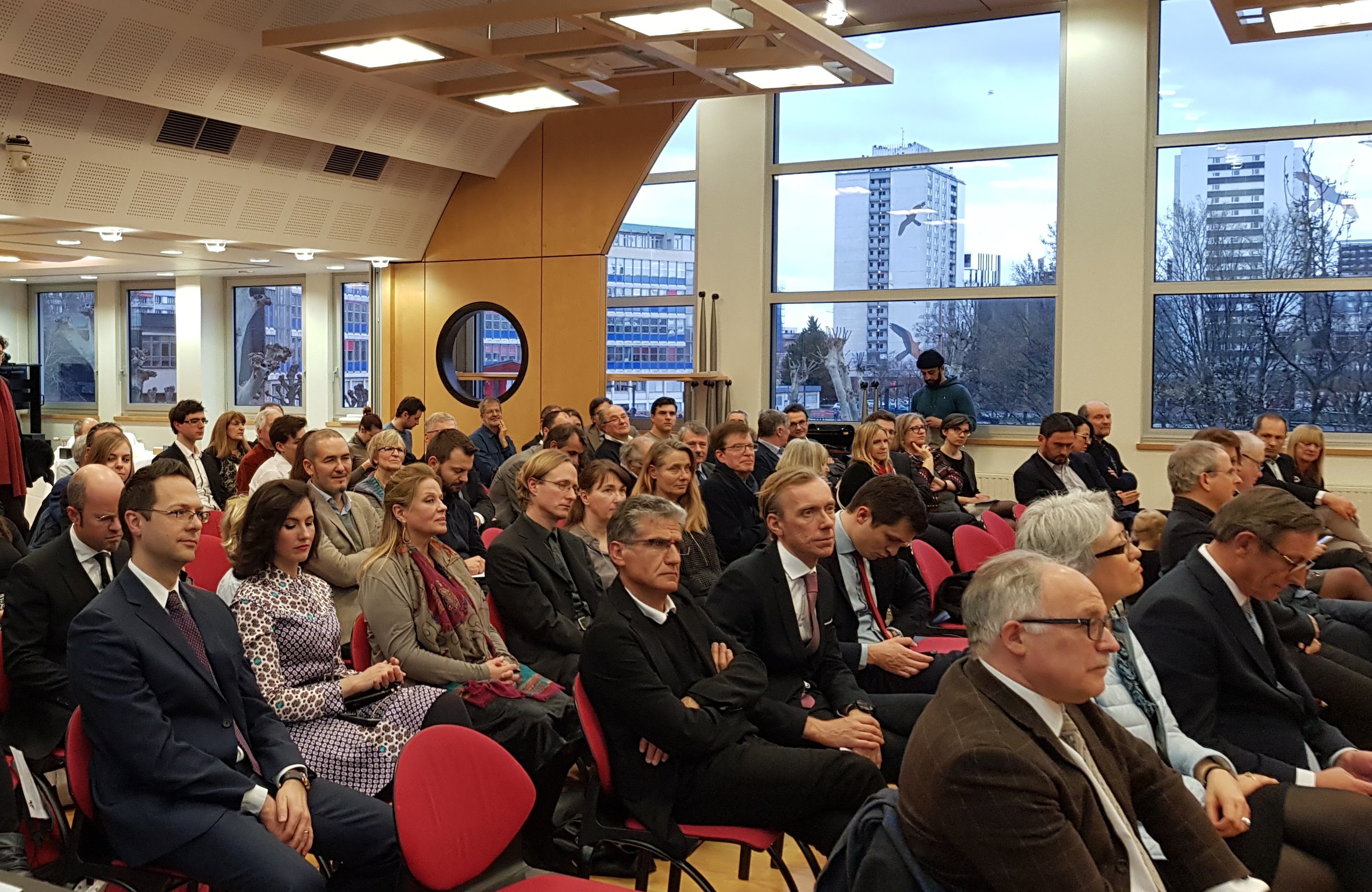
Dr. F. Stephen Dobson, alumni professor in the College of Sciences and Mathematics (COSAM) Department of Biological Sciences, received a prestigious honor as a 2019 Gutenberg Chair at the Université de Strasbourg (University of Strasbourg) in France. “It is a genuine honor to have a COSAM faculty recognized as a Gutenberg Chair,” shared Dean Nicholas J. Giordano. “This award showcases Steve Dobson’s contributions as an influential scientist and will allow him to further advance his research for future generations to build upon.” The Gutenberg Chair showcases international research collaborations and recipients are chosen by the Gutenberg Circle, a panel of prominent scholars. Only eight people were recognized as Gutenberg Chairs in 2019. Awardees who receive this honor are presented with 60,000 euros (more than $68,000) of which 50,000 euros are ear-marked for research. “This international honor speaks volumes about the quality of education students receive at Auburn University,” explained Department of Biological Sciences Chair Scott Santos. “Students have the opportunity to learn from a professor who has been recognized on an international platform for fostering collaboration for his scientific research.” As an alumni professor, Dr. Dobson teaches undergraduate and graduate biology courses at Auburn University, including ecology, mammalogy, and data analysis and computation for life sciences. As an evolutionary biologist, his research interests include behavioral, historical, and population ecology; population genetics; mammalogy; seabird behavior and ecology. Dr. Dobson has more than 140 peer-reviewed research articles. He served on the editorial boards of Animal Behaviour, Ecology and Ecological Monographs. Dr. Dobson co-published a book in 2018, Why Penguins Communicate: the Evolution of Visual and Vocal Signals. His current research at the University of Strasbourg focuses on the evolution of stress and ageing in social environments.
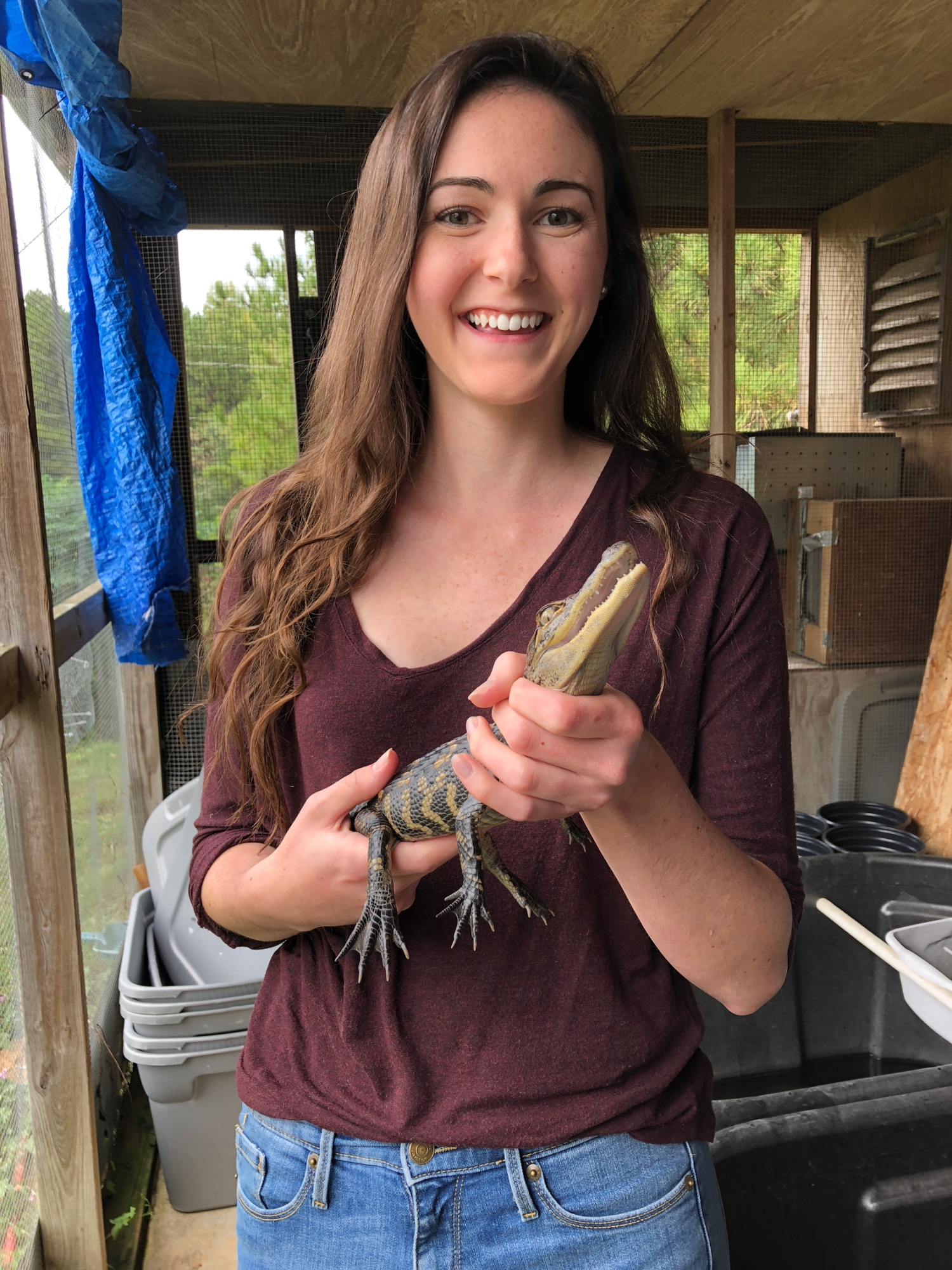
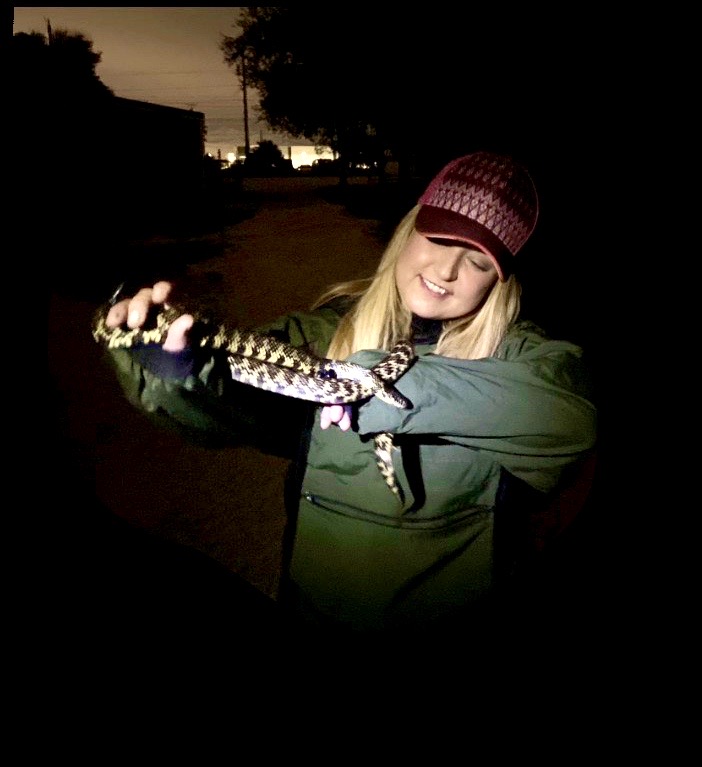
Growing up with a fascination for “The Crocodile Hunter” Steve Irwin, Auburn University student Kaitlyn Murphy has known she wanted to be a biologist since she was five-years old. “I was that kid on the playground, while everyone else was swinging or going down the slide, I was pretending to wrestle alligators,” Kaitlyn said. “Wanting to do research and science and study reptiles has always been a part of who I am. I could never imagine myself doing something else.” Originally from Council Bluffs, Iowa, Kaitlyn graduated with a Bachelor of Science in Biology from Iowa State University last year and is currently pursuing her Ph.D. in the Auburn University Department of Biological Sciences. She said she chose to pursue her Ph.D. at Auburn to work with Dr. Daniel Warner and Dr. Mary Mendonca. “They’re both fantastic and study what I’m interested in,” she said. “I’m really interested in development and reproduction, specifically in reptiles, and I’m interested in how environmental factors can influence both of those things. I use the microbiome as a tool to analyze those.” Kaitlyn is currently working on two different projects, using the American alligator and the brown anole as models. “With the American alligators I’ll be looking at the effect of external estrogen and how it can affect the gut microbiome of alligators,” she said. “With the anoles I’ll be looking at how the external egg microbiome of those anoles, where it originates from, whether it’s from the mother, whether it’s from the soil the egg is laid in, and how that can influence egg survival.” Kaitlyn will continue her study by bringing in 24 newly-hatched alligators from a preserve in Louisiana this week. They will be housed at a thermally-controlled off-campus aviary. Research on the alligators through three treatment groups will be conducted throughout the summer. The study will include collection of internal tissues in the alligators’ gut and digestive tract, brain tissue and other tissues throughout the body. In her free time, Kaitlyn enjoys working as the assistant coach for the Tigers Volleyball Club, coaching kids. She played volleyball in high school and coached as an undergrad. “Getting to teach kids about volleyball is the least stressful thing I do all week,” she said laughing. Kaitlyn said she has enjoyed learning more about Auburn and has been impressed by the working environment in the Department of Biological Sciences. “Science is kind of a lifestyle in its own way,” she said. Sharing that with other people in COSAM has been really neat to experience. I’ve really enjoyed everybody I’ve met.” Kaitlyn said she hopes to one day conduct research in her own lab and was excited to get the chance to show her appreciation for Irwin’s influence to lead her to that goal. She recently had the chance to meet Irwin’s daughter, Bindi. “She is one of the most genuine and kind people I’ve ever met,” Kaitlyn said of Bindi. “Her passion is so apparent. She’s so enthusiastic about wildlife and all of the work her family does. I had the opportunity to thank her for her father’s work and express how much it has influenced me. The entire reason I am who I am now is because of his work. It was really moving and such a cool experience.”
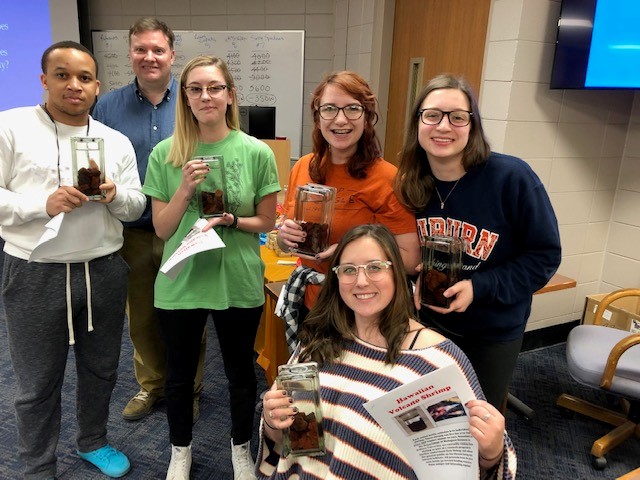
More than 40 students participated in this year’s BioTrivia contest, a collaborative event led by Dr. Mark Liles, Dr. Paul Cobine, Valerie Tisdale, Kat West, and Dr. Robert Boyd. Five student clubs worked together to compete.
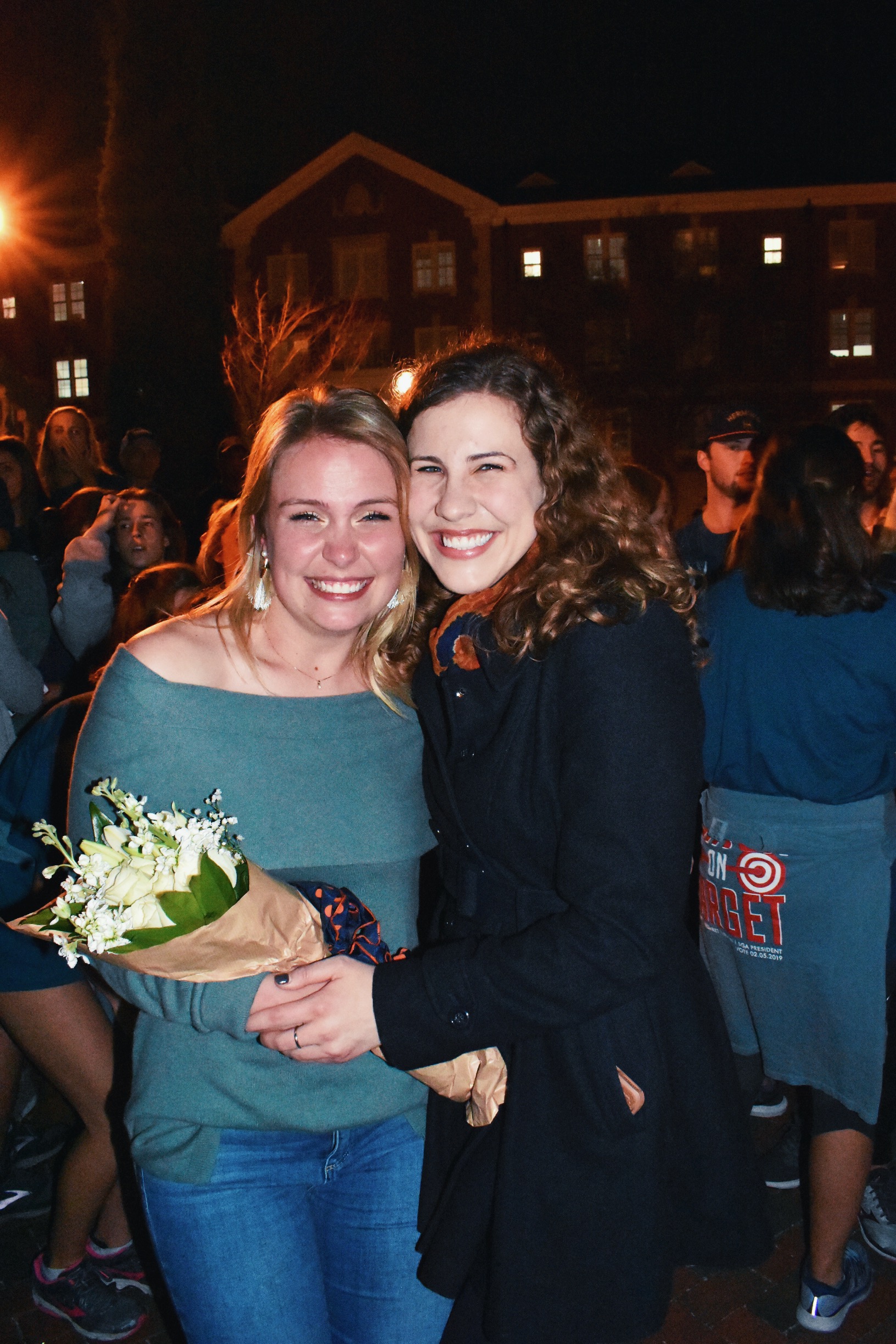
The title of Miss Auburn is awarded to an Auburn woman who embodies the spirit of Auburn University and exemplifies the standards an Auburn woman holds herself to both in word and deed. She is a female ambassador, representing the university internally to the student body and also externally to the outside community, alumni and prospective students. Two women studying in the College of Sciences and Mathematics are the two most recent students to have been awarded the title.

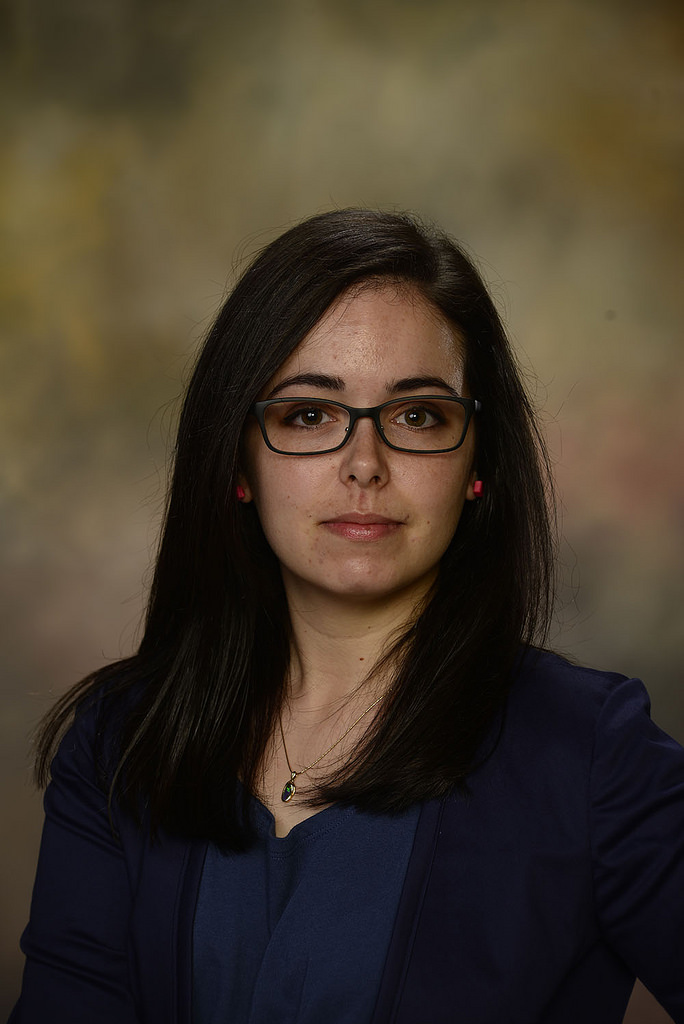
Hannah E. Correia will travel to Washington, D.C. this March to meet with members of the United States (U.S.) Congress. Correia, a Ph.D. candidate at Auburn University's Department of Biological Sciences, is the recipient of the Katherine S. McCarter Graduate Student Policy Award, which will provide her with an unparalleled opportunity to receive policy and communication training before learning about the legislative process and federal science funding. This insight during the Congressional Visit Day organized and sponsored by the Ecological Society of America, the nation’s largest community of professional ecologists, will allow her to discuss the importance of federal funding for biological and ecological sciences. “It is critically important for the public and policy makers to be aware that there are many exciting and equally-important research areas in ecology that do not always involve fieldwork, such as my own field of statistical ecology,” explained Hannah. Hannah was awarded a National Science Foundation (NSF) Graduate Research Fellowship in 2015 and a NSF Graduate Research Opportunities Worldwide funding in 2017 to pursue collaborative research in Norwegian Institute of Nature Research. “My research focuses on the formulation of novel statistical methods to increase accuracy of quantifying causal relationships and creating models to predict potential ecosystem variations,” shared Hannah. Each year she participates in the Masamu Program, a collaborative workshop in southern Africa focusing on advancing mathematical sciences research with students from both the U.S. and Africa. She has gained hands-on research on projects including modeling elephant population dynamics, determining the effects of stigma on the spread of HIV/AIDS, and modeling multiple paternity among clades of animals. “This motivates me to obtain experience in communicating my insights on the significant positive effects federal funding provides to groups who may not necessarily share my enthusiasms and experiences about which I am passionate,” she said. “In order for these benefits to persist and grow for the next generation of students and researchers, it is necessary for me to learn to promote science policy and funding to support these types of programs and research in ecological sciences.”
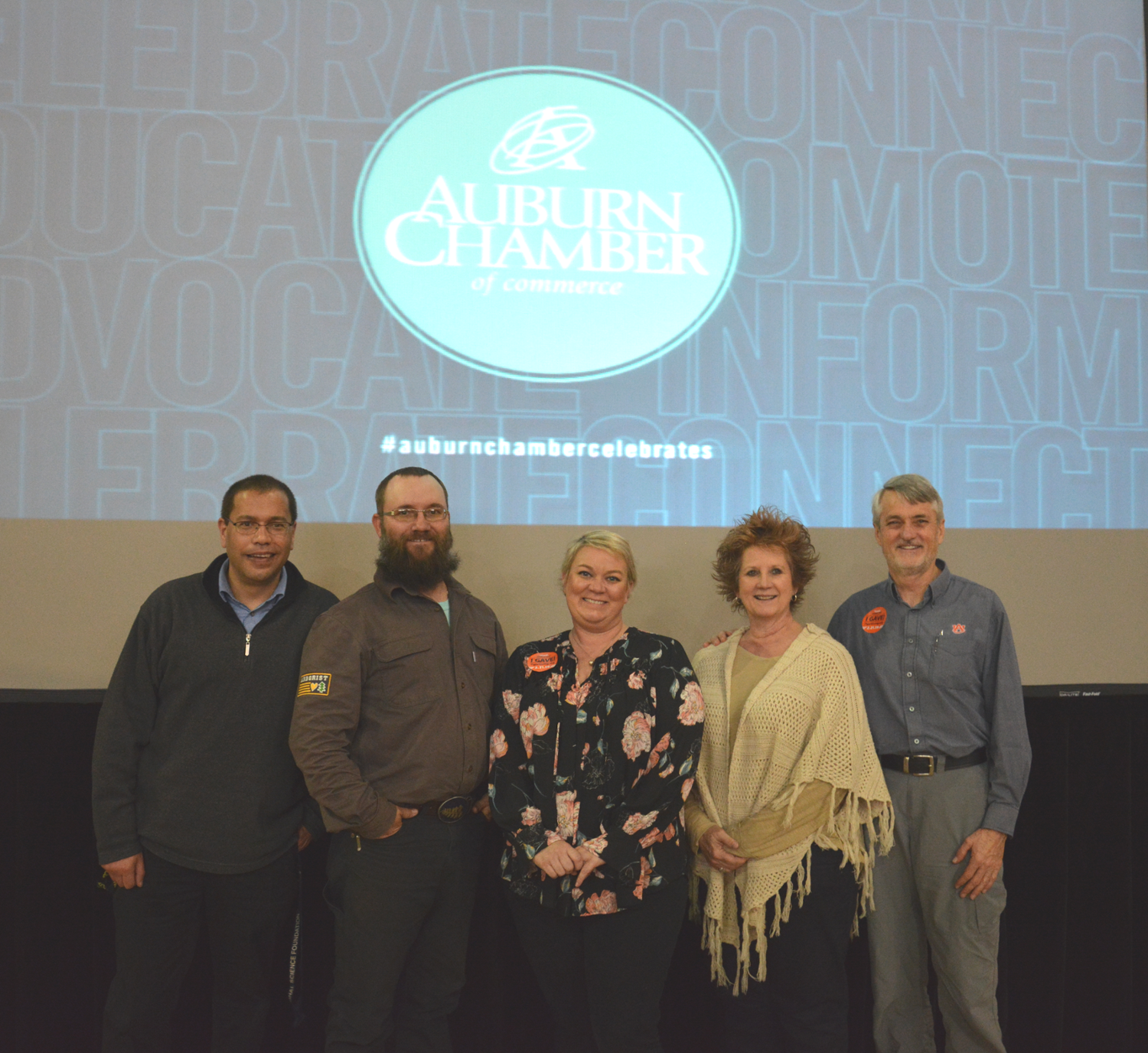
At the 70th annual Chamber of Commerce annual meeting on Thursday, February 21, the Donald E. Davis Arboretum was recognized for its outstanding contributions to the Auburn community. Almost 700 people gathered at the Auburn Arena to celebrate the achievements of the business community in Auburn. “This award is a phenomenal opportunity to showcase the hard work and dedication put into the Davis Arboretum so that it is a place for everyone in Auburn,” said Department of Biological Sciences Chair Scott Santos. “The overall impact the Arboretum makes reflects positively on the Department of Biological Sciences, the College of Sciences and Mathematics, and our entire university.” The Davis Arboretum, a 13.5 acre facility, is the only botanical garden in the Southeastern Conference (SEC) with accredited collections. Robert Boyd, Alumni Professor in the Department of Biological Sciences, praised Davis Arboretum Curator Morgan Beadles for her work throughout the facility. “Since Morgan began with the Arboretum, she has accelerated this garden in multiple new dimensions. She has increased its effects on the entire Auburn Family far beyond what we imagined.” The Davis Arboretum is located at 181 Garden Drive in Auburn. It is south of the Auburn University President’s house and across the street from the Garden of Memory. The Arboretum is free to the public and open year-round.
Eight days after virtually interviewing with the College of Sciences and Mathematics (COSAM), Dr. Courtney Leisner gave birth to her daughter. “COSAM valued not only my contributions to sciences, but also me as a person,” she shared. “Being able to interview for this position via video while I was 39-weeks pregnant showed me that COSAM has a supportive collegial work environment,” Dr. Leisner said. “Sending a person to physically be at my location throughout the entire interview process was above and beyond my expectations.” “During my video interview, I met with current faculty, gave a seminar and even had lunch with students,” she said. Dr. Leisner is now an assistant professor in the Department of Biological Sciences and her work focuses on global change and plant physiology. “I want to continue my research focusing on climate impacts on crop production and nutritional quality, with an emphasis on non-traditional row and horticulture crops,” Dr. Leisner stated. “Auburn is located in an area that grows a large amount of fruit and vegetable crops, and as a land grant university, there is a strong value in basic and applied agricultural research.” She attended The College of William and Mary for her undergraduate degree in Biology and Environmental Science. She then pursued her master’s degree at Washington State University. Here her interest for climate change grew as she researched plant responses in saline environments. Dr. Leisner earned her doctorate degree at the University of Illinois Urbana-Champaign. She researched the responses of soybean reproductive development to future climate changes. “Utilizing the FACE (free-air concentration enrichment) facility at the University of Illinois Urbana-Champaign provided a unique opportunity to understand soybean production responses to different climate factors, such as the droughts ozone or elevated temperature, in an open-air field environment,” explained Dr. Leisner. She then pursued her postdoctoral studies at Michigan State University where she focused on genomics and bioinformatics. There her research was primarily funded through an NIH NRSA Postdoctoral Fellowship, which focused on using medicinal genomics to understand the biosynthesis of natural products in blueberries that have potential human health benefits. In addition to blueberries, Dr. Leisner continued her climate change research in Michigan with a focus on potatoes. “Michigan is the number one potato chip producing state,” explained Dr. Leisner. “Through research as a collaborative team, we were able to analyze global climate models and project future impacts on elite potato chip-processing cultivars, including the overall impact on market quality for the consumer.” This research project gave her the ability to test the interseasonal variation in temperature with global warming and how both future farming and crop storage could be greatly impacted. In addition to research, Dr. Leisner is enjoying the ability to teach classes to students. Her first class at Auburn University is Genomic Biology. She is also working with two undergraduate students to get her lab up and running. She is excited to work with new crops relevant to Alabama in future experiments. She lives with her husband Bill, her daughter, Evelyn and their two beloved Beagles. Dr. Leisner loves to cook and enjoys nature.
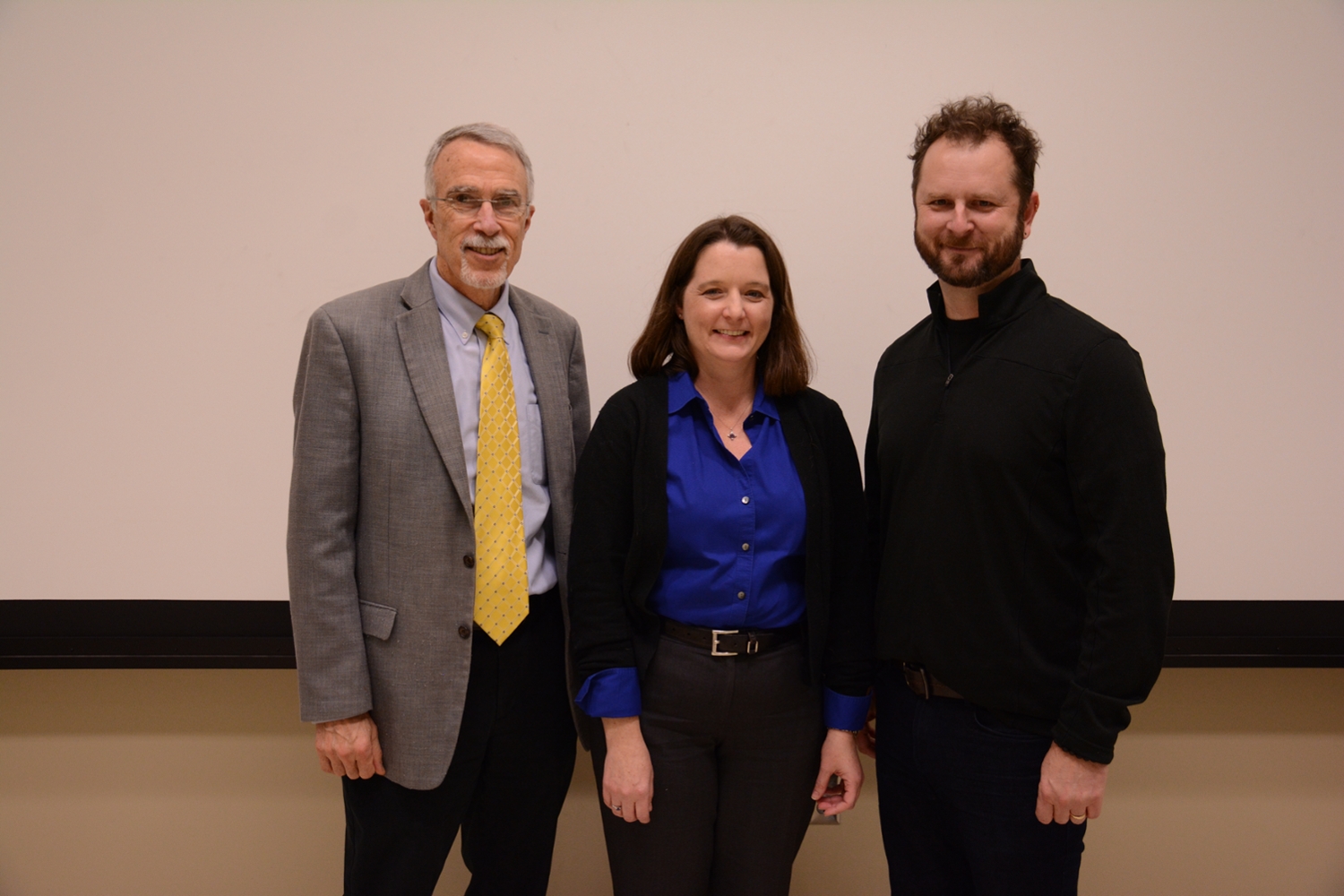
COSAM recently hosted the first event in a series of new lectures to help showcase the work of its faculty. “I want to provide opportunities for faculty and staff to learn more about the outstanding work being carried out in all of our five departments,” explained Dean Nicholas J. Giordano. “By creating this new lecture series, COSAM is promoting an open environment to highlight the excellent research and programs within this college.” Dr. Anne E. V. Gorden and Dr. Paul A. Cobine were the first two speakers. Dr. Anne Gorden is the recipient of the 2018 College Outreach award. During her presentation, she discussed the value of long-running projects impacting students and the entire community. Dr. Gorden shared an array of programs including mentoring through the Association of Women in Science at Auburn University and the LADIES Science Program, which provided after school activities to encourage middle school girls to have an interest in science and STEM careers. She also shared information about engaging activities through the Summer Science Institute, and outreach programs with the American Chemical Society that include hands-on learning experiences with liquid nitrogen, polymers and even young students having fun dressing up as a scientist. Dr. Cobine is the 2018 recipient of the Dean’s Young Faculty Scholar award. He shared insight about his research with copper explaining the transporter process of this metal and current research with yeast models in his lab. He shared information about how copper modulates pathways and the research being conducted by undergraduate students in his lab. He highlighted how this research can help save lives since 1,429,459 people died from heart disease, diabetes, cancer and Alzheimer’s just in 2016.
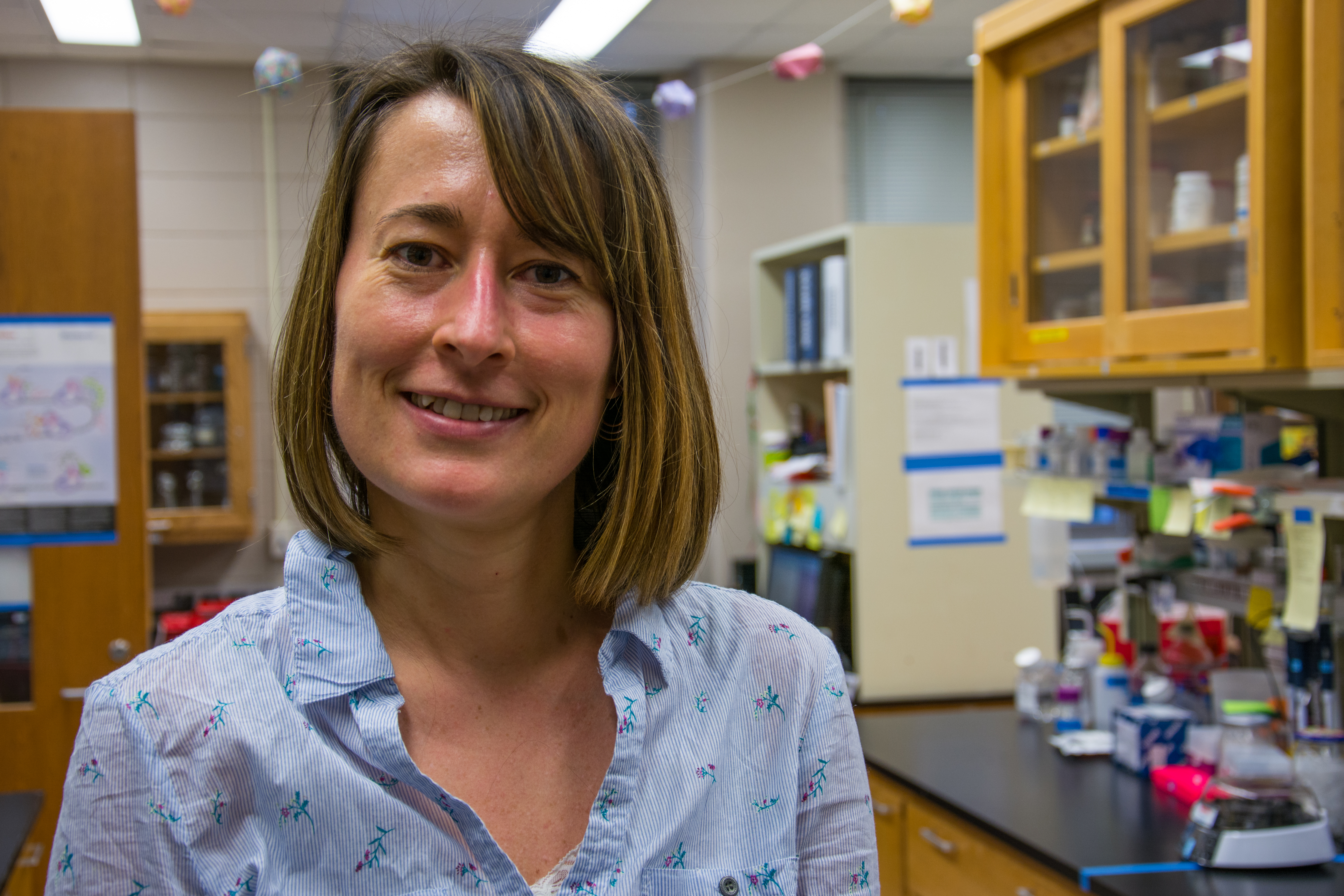
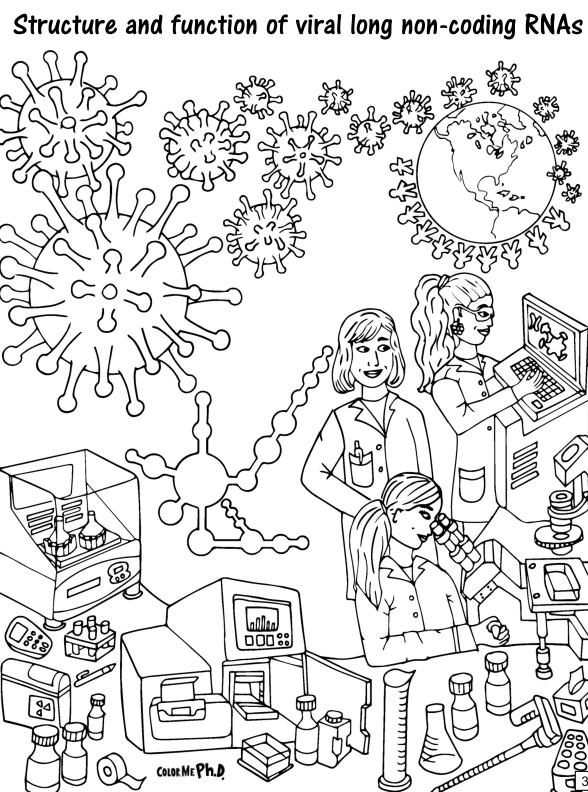
Inside the lab for Dr. Joanna Sztuba-Solinska, you will find her and her team busy at work. Made up of one postdoctoral, three Ph.D. students, and five undergrads, the lab is full of people and laughter, but also serious work. Dr. Joanna Sztuba-Solinska works with viral long non-coding (lnc) RNAs encoded by gammaherpesviruses, discovering relationships between their structure and function. Dr. Joanna Sztuba-Solinska explains: “To effectively evade the host system, viruses, similarly to their host cells, make lncRNAs. Gammaherpesviruses have been with humans since the beginning of evolution, they acquired the largest number of non-coding RNAs among viruses and, thus, represent good models to elucidate the mechanisms by which these transcripts contribute to dysregulation of cellular processes”. LncRNAs perform their functions through structure-mediated interactions with DNA, other RNAs and proteins. Therefore, in order to understand the functionality of viral lncRNA, Sztuba-Solinska and her team have been addressing the relationship between the various aspects of lncRNA conformation, i.e. secondary structure, tertiary interactions, epitranscriptomic modifications, and lncRNA functionality during viral replication and pathogenesis. One specific gammaherpesvirus that she works with in her lab is the Kaposi’s sarcoma-associated herpesvirus, or KSHV for short. KSHV is an oncogenic, or cancer-causing virus that affects HIV positive and immune-comprised individuals. The most abundant KSHV-encoded lncRNA is polyadenylated nuclear (PAN) RNA, which acts as a major switch during viral lytic reactivation. Sztuba-Solinska and her team investigate the structure-to-function relationship of KSHV PAN lncRNA using an authentic tumor models: primary effusion lymphoma cell lines comprised of malignant, KSHV infected B cells. She grows infected cells, extracts total RNA and captures target PAN RNA with oligonucleotide probes. Subsequently, she uses state-of-the-art RNA-centric techniques, like SHAPE-MaP and RNA antisense purification to address PAN lncRNA structure, function and interactions with other molecules. The overall goal of Sztuba-Solinska research is to find “weak-spots” in viral lncRNA interactome network that can be targeted with novel therapeutic strategies to combat viral infections. Sztuba-Solinska is on the frontline of the new RNA-centric technologies involved in this kind of research. She has published one of only two papers that used the SHAPE-MaP, a new method that allows researchers to probe the structure of any RNA of interest inside the living cells or within viral particle. “Research is new on viral non-coding RNAs structure and functions,” Sztuba-Solinska stated when asked why she chose this field of study. She also listed off that her curiosity about lncRNA drug-ability with small molecule peaked her interest. “RNA is no longer perceived as an inert molecule that simply passes information from DNA to proteins, but rather as a target for the development novel therapies” she stated. However, effective targeting of viral lncRNAs necessitates comprehensive understanding of their structure and functionality. Sztuba-Solinska advises students interested in research to look for studies that fascinate them. She said that while being in a lab can be intimidating, students learn best with practice. “Nothing teaches like hands-on experience,” she said. “It’s okay to be a beginner. Use it as an opportunity to learn.”
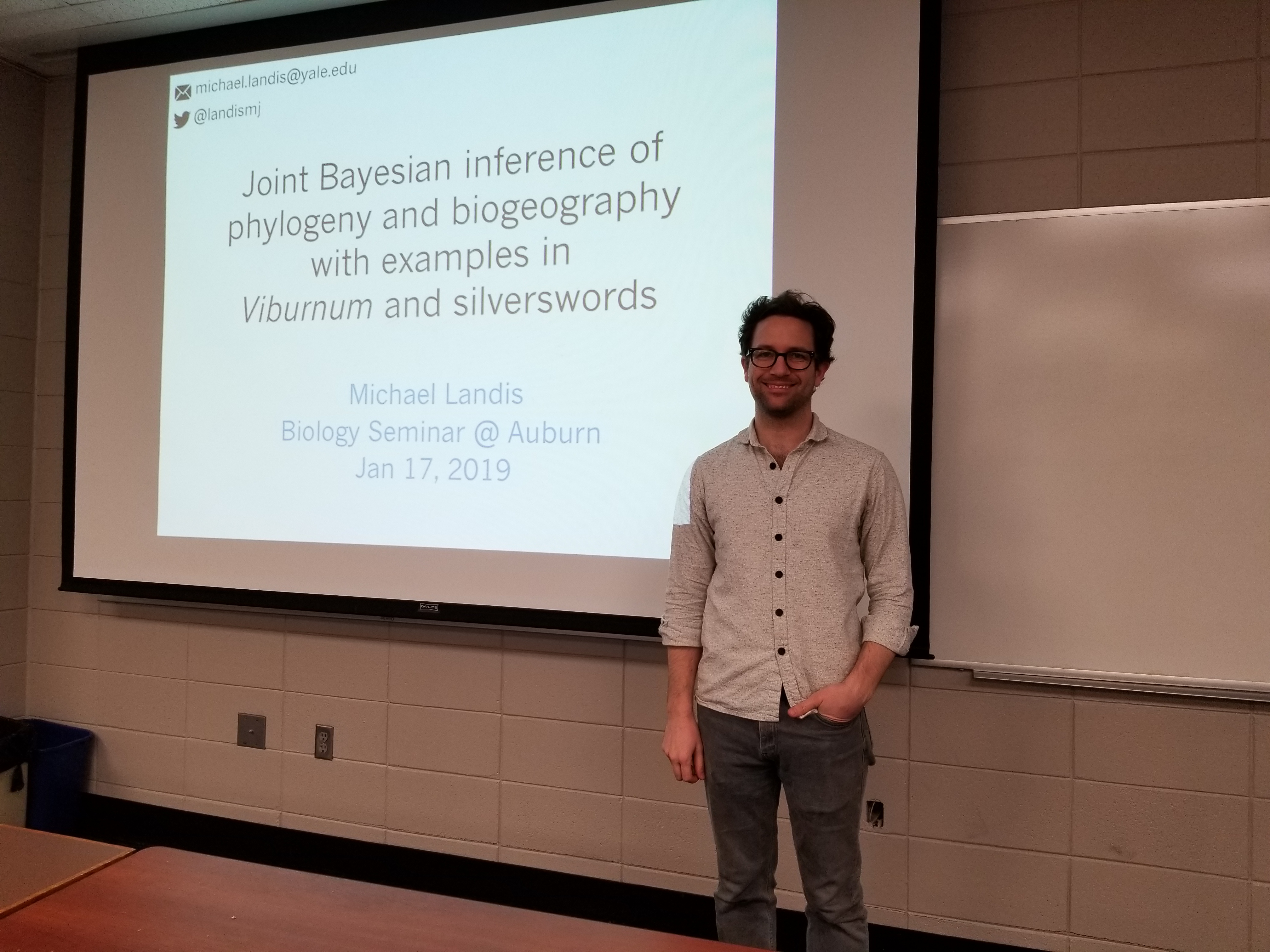
Dr. Michael Landis is a postdoctoral fellow in the Department of Ecology and Evolution Biology at Yale University. He spoke about "Joint Bayesian inference of phylogeny and biogeography with examples in Viburnum and silverswords" at Auburn University’s Department of Biological Sciences on January 17. His presentation discussed his role as an evolutionary biologist, researching how species diversify in a spatial context. The foundation of his research is that phylogeny and biogeography are coequal and can be used together for a joint analysis for molecular and biogeographic data. Dr. Landis shared an array of interesting data from a collaborative project on the 163 species of Viburnum. He showed that incorporating biogeographic fossil data into the phylogenetic analysis helped recover a warm, wet ancestral condition for the clade, rather than freezing conditions, as was previously thought. Dr. Landis also discussed his analysis of data on the 33 species of the Hawaiian Silversword, an iconic adaptive radiation. The silverswords have no fossils, so the exact age of the radiation is poorly understood. He showed that by incorporating island ages and biogeography into the analysis produced age estimates for the clade. Silverswords appear to have dispersed towards young islands but diversified primarily on islands as they grew old. Dr. Landis has recently accepted a tenure track position at Washington University in Saint Louis. He is a developer for revbayes.com, a software package for joint Bayesian inference under complex models.
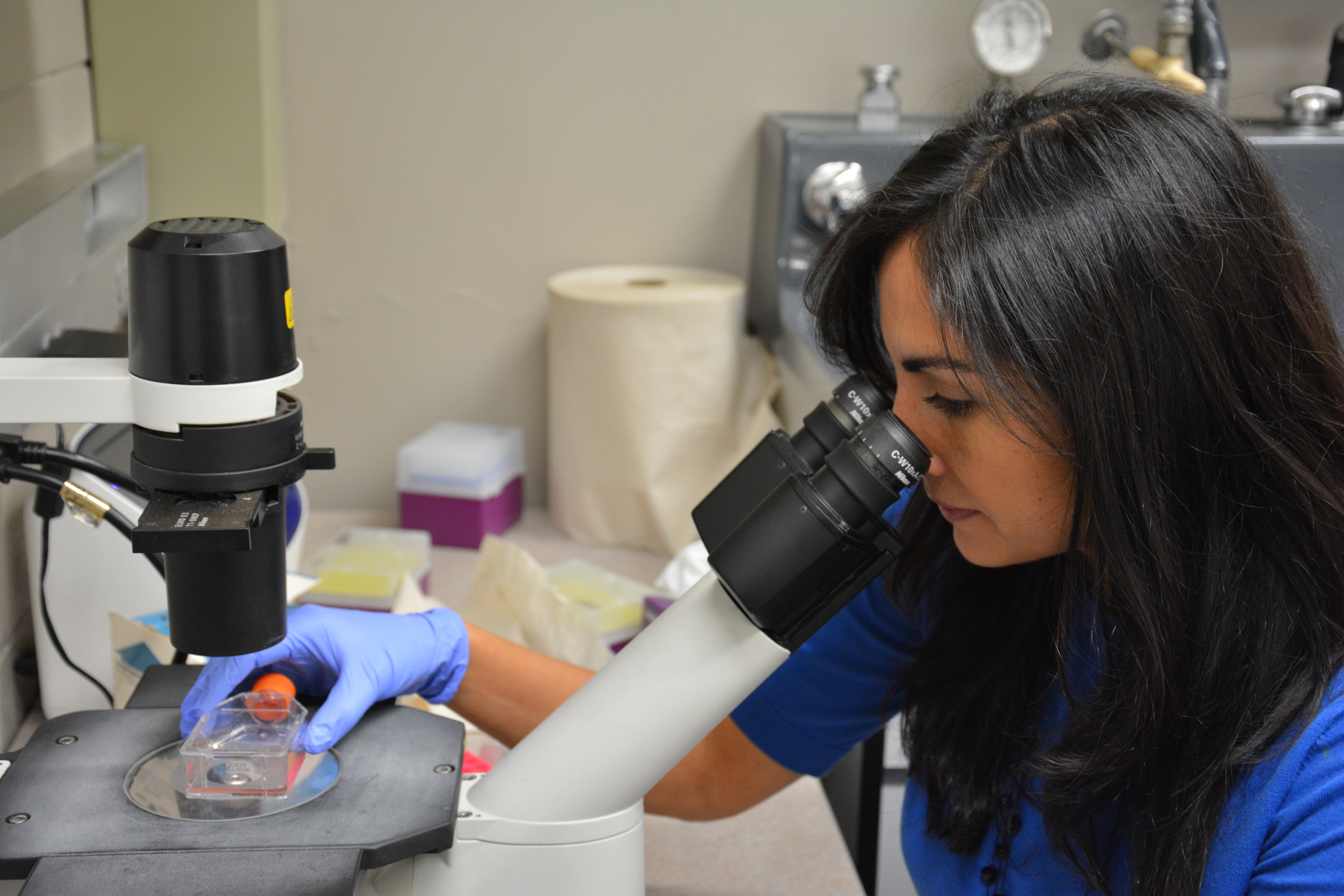
Dr. Adriana Avila-Flores’s lab in the Department of Biological Sciences in the College of Sciences and Mathematics (COSAM) is anything but ordinary. Between the study of nanomedicines, to the jokes between team members, and even the pet tarantula in the lab, Flores’s lab is exciting and full of energy. Dr. Flores’s main area of research is in the creation of nanomaterials that help drugs cross the cell membranes.
Dr. Kenneth M. Halanych of the Department of Biological Sciences and Dr. Stewart W. Schneller of the Department of Chemistry and Biochemistry in the College of Sciences and Mathematics (COSAM) at Auburn University are the recipients of the 2018 American Association for the Advancement of Science (AAAS) Fellows. AAAS Fellows are selected by their peers and have made a significant advancement in the field of science. “I am extremely proud that Ken Halanych and Stewart Schneller are being recognized as 2018 AAAS Fellows,” explains Dean Nicholas Giordano. “This prestigious lifetime distinction affirms the level of high-quality research and commitment in Auburn University’s College of Sciences and Mathematics.” Dr. Halanych is recognized for his contributions on invertebrate evolution and marine genomics. “I am excited and humbled to be recognized as an AAAS Fellow for my work in the field of science,” says Dr. Halanych. A professor in Biological Sciences since 2013, he is known internationally for his research and has authored almost 80 papers in major publications. Dr. Schneller is recognized for his excellence on research, development of the next generation of scientists, public outreach and innovative educational efforts within in the general community. “It is a tremendous honor to be selected as an AAAS Fellow based on my contributions,” shares Dr. Schneller, a professor of chemistry and biochemistry and former Dean of COSAM. Regularly since 2012, the Schneller laboratory at Auburn University has reported compounds with broad spectrum effectiveness towards the four hemorrhagic fever viral classes, including Ebola. Dr. Halanych and Dr. Schneller join more than 20 researchers at Auburn University including 10 researchers in COSAM that are AAAS Fellows.
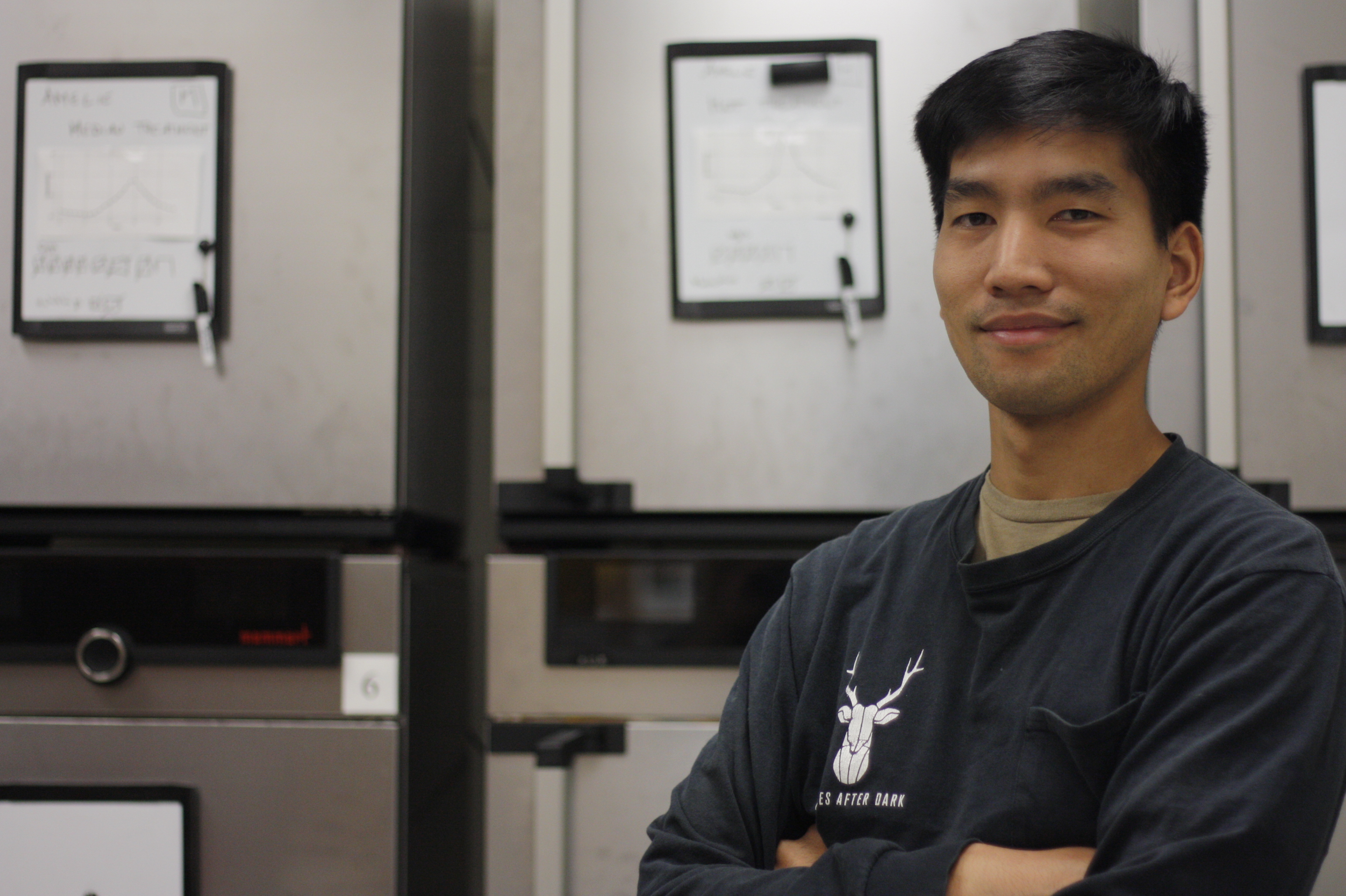
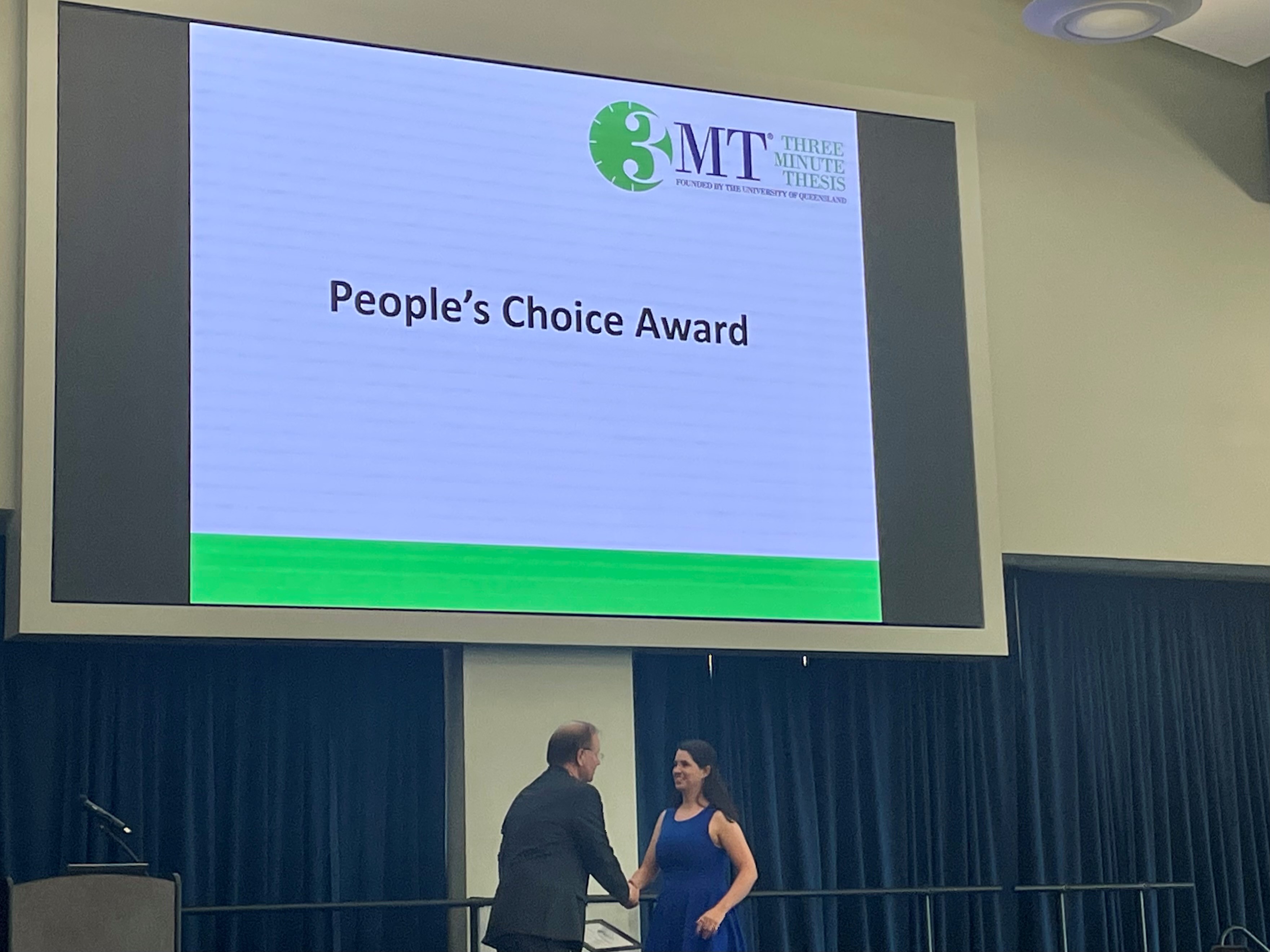
Putter Tiatragul, a graduate student in the Department of Biological Sciences in the College of Sciences and Mathematics (COSAM), is one of just 10 students that will be presenting at the 3MT® (Three Minute Thesis) Competition on November 15, 2018. The 3MT® Competition, founded by the University of Queensland in 2008, provides each student with three minutes and one slide to showcase their thesis. Auburn University’s Graduate School first began this competition in 2013. "Presenting at the 3MT® Competition is important for me because it is a way for me to distill my academic research into a compelling story I can share with my family and friends," explains Tiatragul. "Since my research is about how wildlife adapt to urbanization, I hope to share with people that even animals we take for granted everyday also have intriguing stories of their own." Tiatragul will be defending his thesis just one week before this competition. On November 8, 2018, he will be presenting his defense seminar on his thesis, "A lizard’s shady way to beat the city heat."
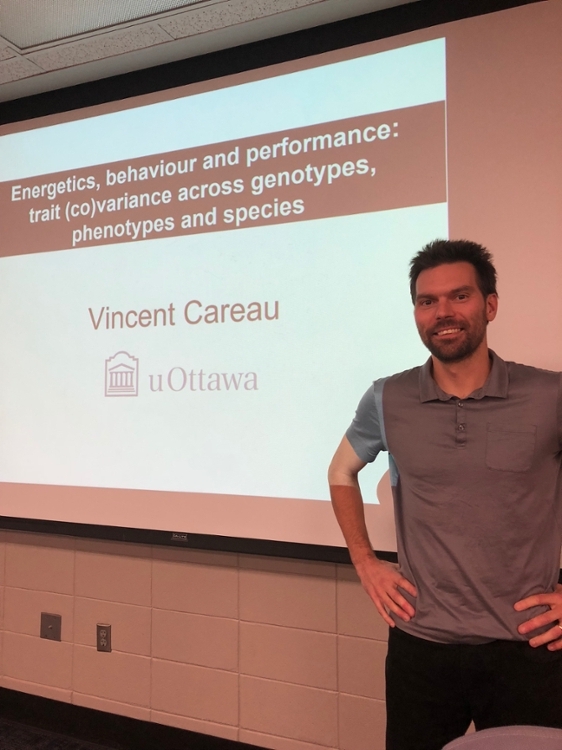
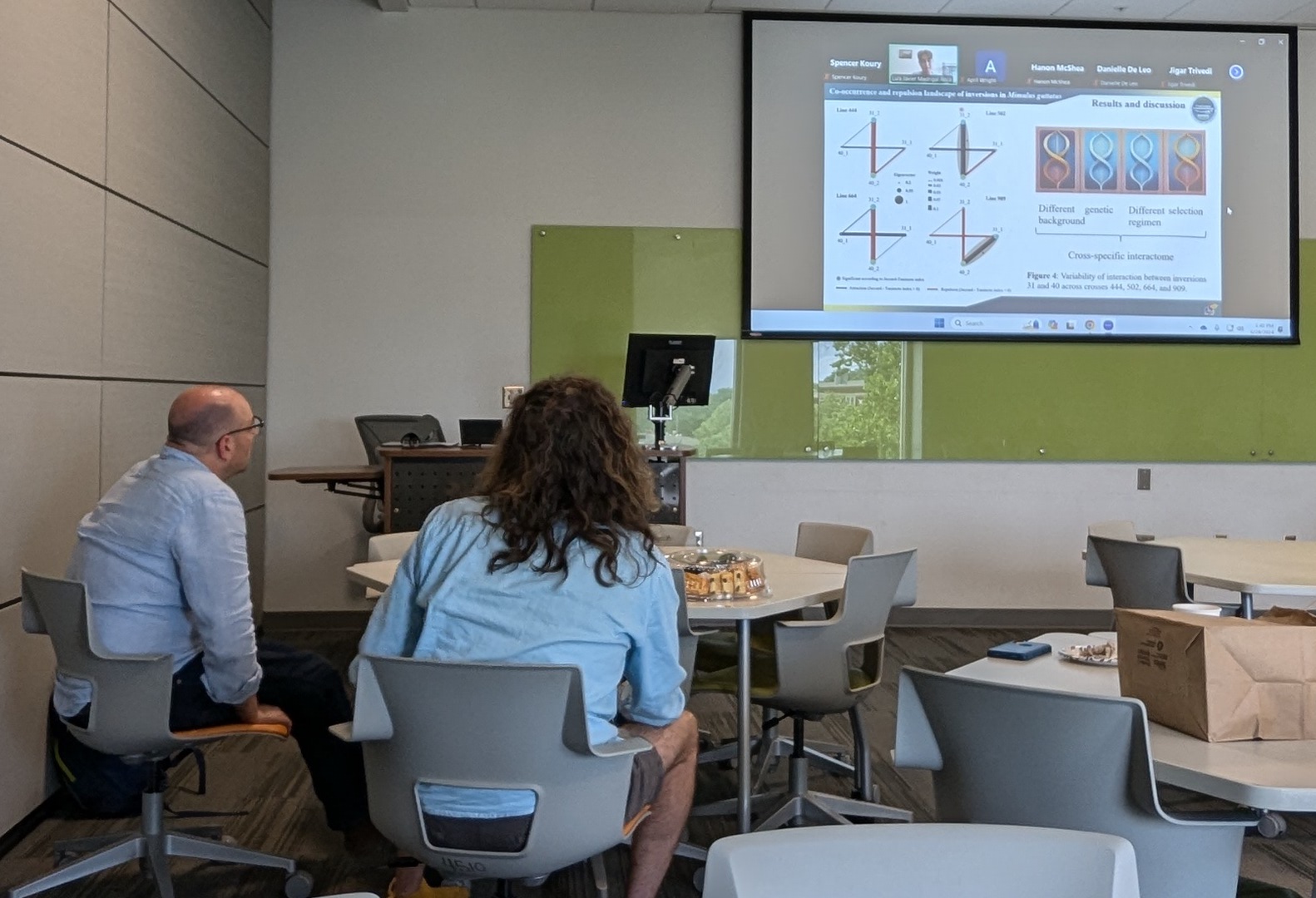
Dr. Vincent Careau, assistant professor of Biology at the University of Ottawa, recently presented a seminar focusing on energetics, behavior and performance across species to the Department of Biological Sciences. The seminar was titled “Energetics, behavior and performance: trait (co)variance across genotypes, phenotypes and species” and the common theme was asking how traits such as metabolic rate, behavior and performance vary across species, within species, among individuals and genotypes. “When we look at results from different rodents such as wild Peromyscus mice, we see emerging properties where complex traits, like metabolic rate and behavior, vary at different levels,” Careau said about the seminar. “By looking at that, we can better understand how traits co-evolve.” The seminar took place on October 25, 2018, and was held in the Rouse Life Sciences Building (LSB). The next colloquium hosted by the Department of Biological Sciences will take place on November 1 at 3:30 p.m. in room 112 of LSB. Bernhard Riegl, professor of Oceanography at Nova Southeastern University, will present “Understanding population persistence or extinction in sessile marine invertebrates using size/stage-based demography.” The seminar is free and open to the public.

The Department of Biological Services in the College of Sciences and Mathematics (COSAM) is one of the first in the state of Alabama to receive funding from the Alabama Department of Conservation and Natural Resources for Cooperative Endangered Species Conservation funding for plant life. More than $60,000 of traditional Section 6 funding has been awarded for two conservation projects, one for the green pitcher plant and the second for the white fringeless orchid. A grant for $35,571 will improve habitat at Desoto State Park and increase propagation at Auburn University’s Davis Arboretum of the endangered green pitcher plant (Sarracenia oreophila), a carnivorous plant. Arboretum Specialist Patrick Thompson is spearheading the Davis Arboretum’s efforts. A second grant for $26,370 will generate distribution models for the white fringeless orchid, a federally threatened species, to aid fieldwork designed to locate new populations in the wild. This second grant is collaborative work with Alfred Schotz from the Alabama Natural Heritage Program, also housed within the department. “These grants are the first time that federal endangered species funding has been awarded for Alabama plants,” said Dr. Robert Boyd, Alumni Professor in the Department of Biological Services and Chair of the Alabama Plant Conservation Alliance (a statewide group headquartered at the Davis Arboretum). “We are honored to be part of these grants that set a new precedent for Alabama’s plant life.” The projects will begin in early 2019 and be completed by the end of that year, but Boyd hopes that they will be the foundation on which longer-term progress can be based.
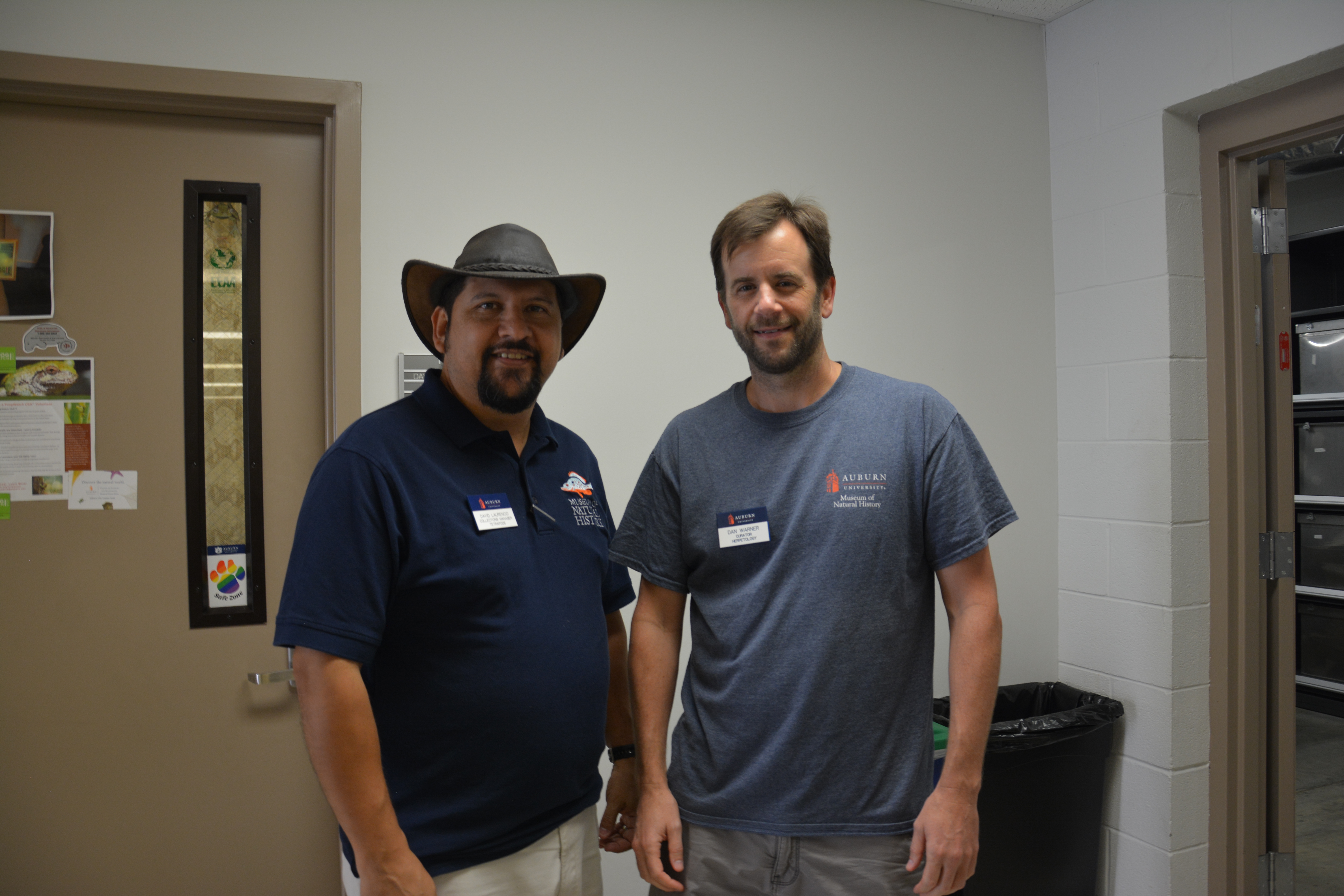
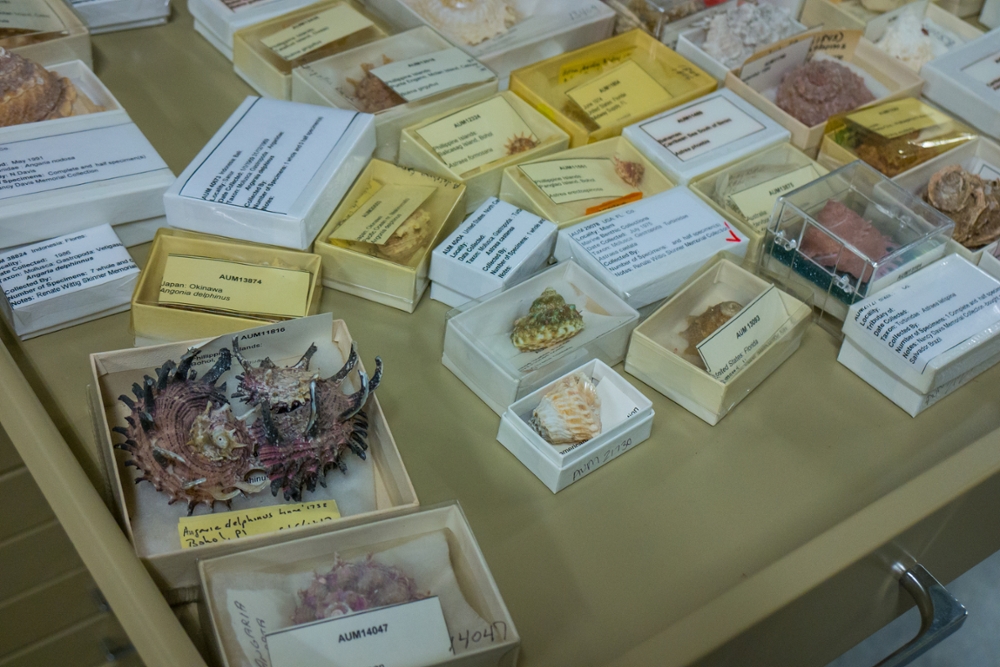
At this year’s open house, visitors met museum staff from the Auburn University Natural History Museum (AUNMH), which features more than two million specimens in 10 collections. Visitors toured both floors of the museum and viewed different specimens. Staff explained the importance of the items in the collection and shared the message of conservation. Throughout the day’s event, both adults and children could interact with live animal demonstrations including snakes, lizards and other reptiles.
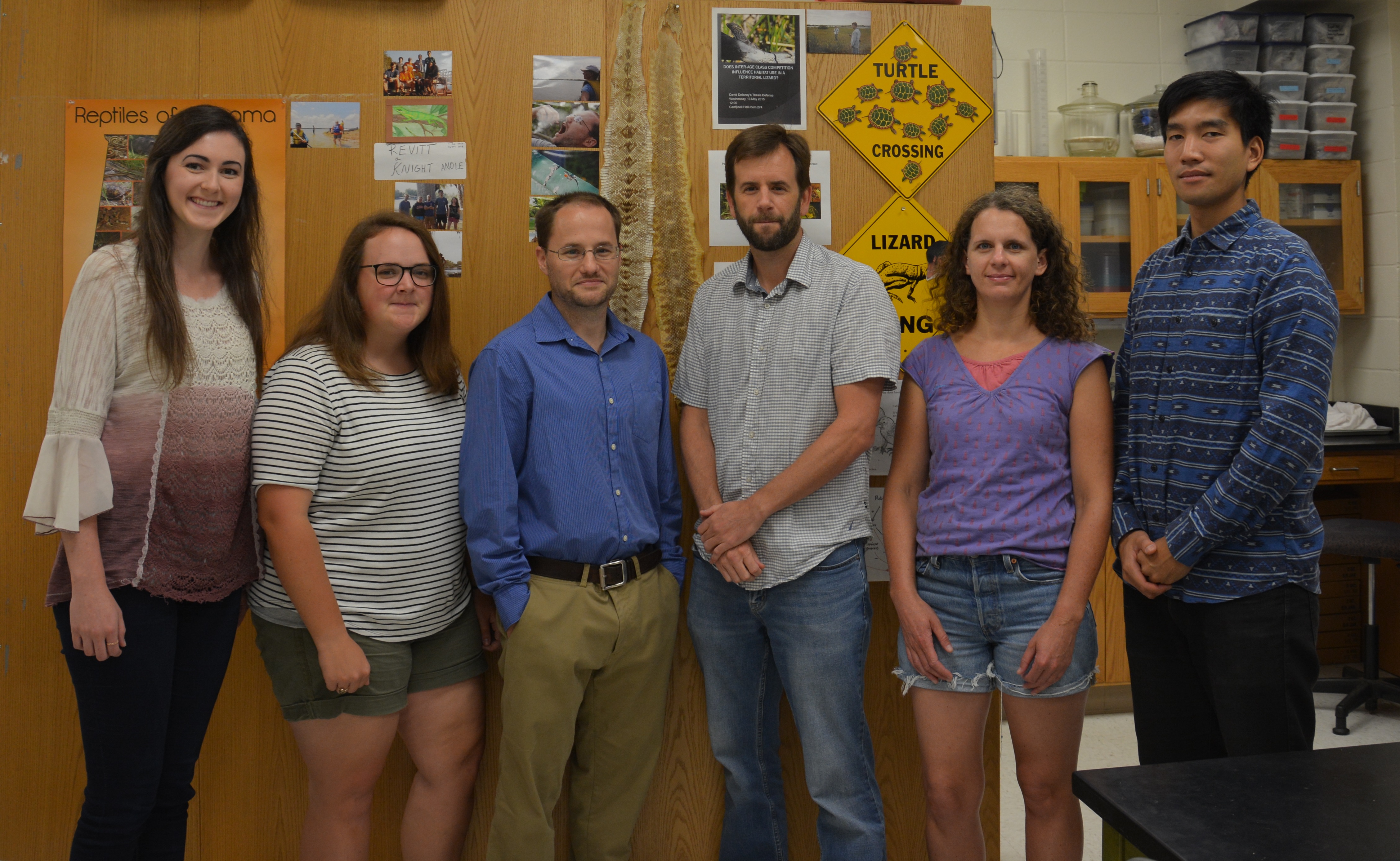
Between the humid room of lizards, the field trips to Florida, and the laughter between him and his students, Dr. Daniel Warner’s research lab, the Warner Laboratory, is one of a kind. Dr. Warner, a prominent researcher in the Department of Biological Sciences of COSAM, focuses his studies on how the environment shapes phenotypic variation, specifically in lizards and other reptiles. With the help of several students ranging from undergraduate to postdoctoral, Warner examines how environments during development impact characteristics like offspring body size, behavior, physiology, and performance to answer questions about how natural selection influences the way embryos respond to the environment. The team’s field studies in Florida provide a hands-on experience for students, and ensure that laboratory studies are ecologically relevant, which is necessary to answer Warner’s most pressing research questions. Out of his many studies, one regarding the plasticity of development in the brown anole lizard stands out. Warner explains how this lizard is a great subject not only because of its reproductive capabilities, but its status as an invasive species makes it particularly interesting to examine how the species responds to environments outside its native range. Dr. Warner and his team study how the embryonic environment for these lizards influences the developmental patterns and eventual fitness of the organism. Variables like temperature and moisture in the embryonic environment can be manipulated to study their impact on development, survival, and reproduction. Using this information, Warner goes on to study natural selection on several islands and what certain phenotypes mean for survival.
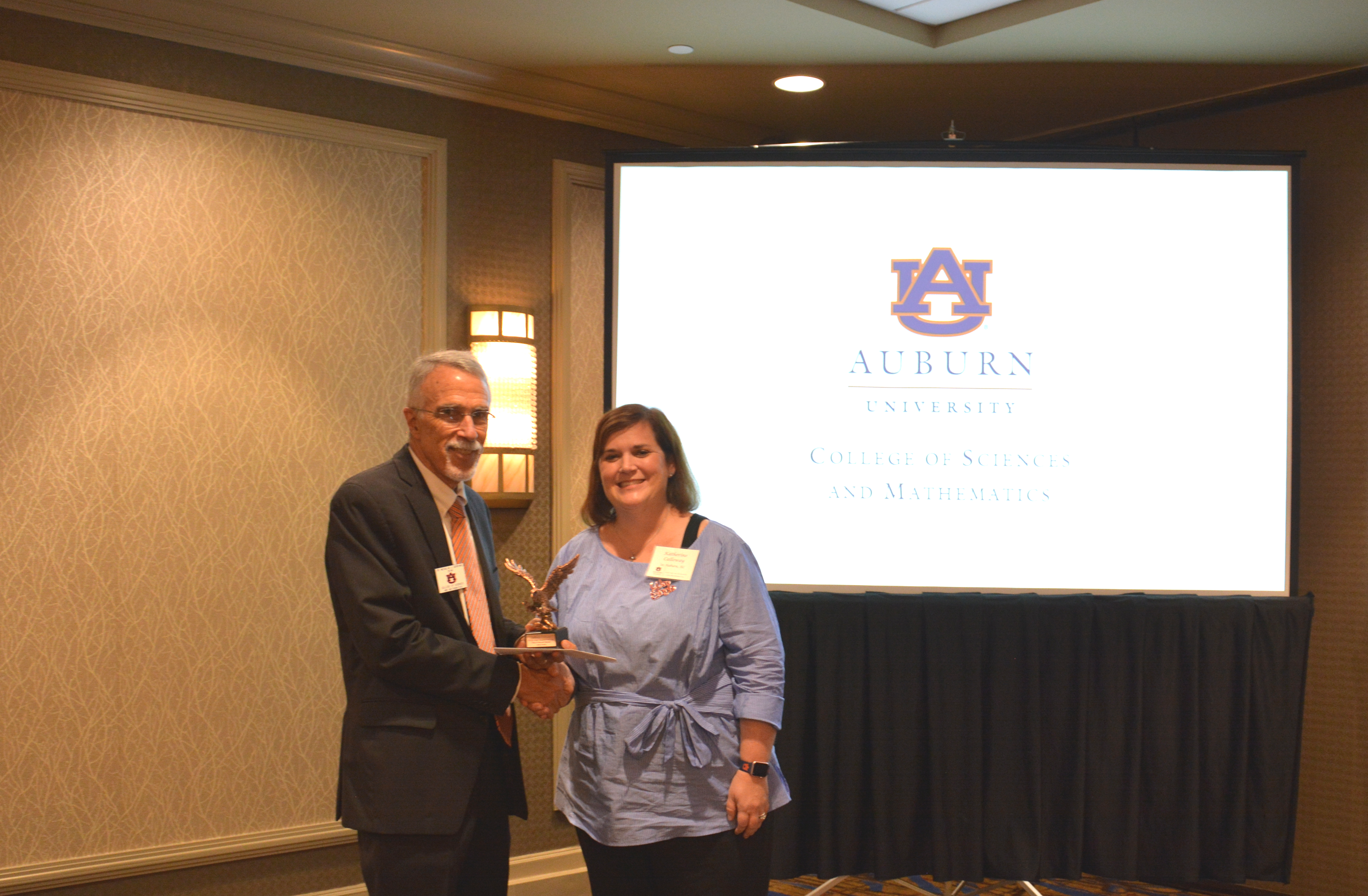
Katherine Calloway, Matt Montgomery and Paula Norrell are the recipients of the 2018 Lilly-Lovelace Distinguished Service Award by the College of Mathematics and Sciences (COSAM). The award ceremony took place during a luncheon for Leadership Council at the Hotel at Auburn University on September 28. “I am proud to personally recognize these three outstanding staff members who contribute to the success of this college and were nominated by their peers for their all-around excellence,” said Dean Nicholas Giordano.

Leslie Dees spends his days attending Auburn High School and after school ends, he conducts detailed research in Dr. Haruka Wada’s laboratory at Auburn University. Dr. Wada is an assistant professor in the Department of Biological Sciences within the College of Sciences and Mathematics (COSAM). “Being part of Dr. Wada’s lab allows me to explore my interest in science through both technical and academic aspects of research,” explains this outstanding high school senior. Dees has always had an interest in science and began this research project when he was just a junior in high school. He shares that this work will help him learn more about science, which he has always had a passion for ever since he was very young.
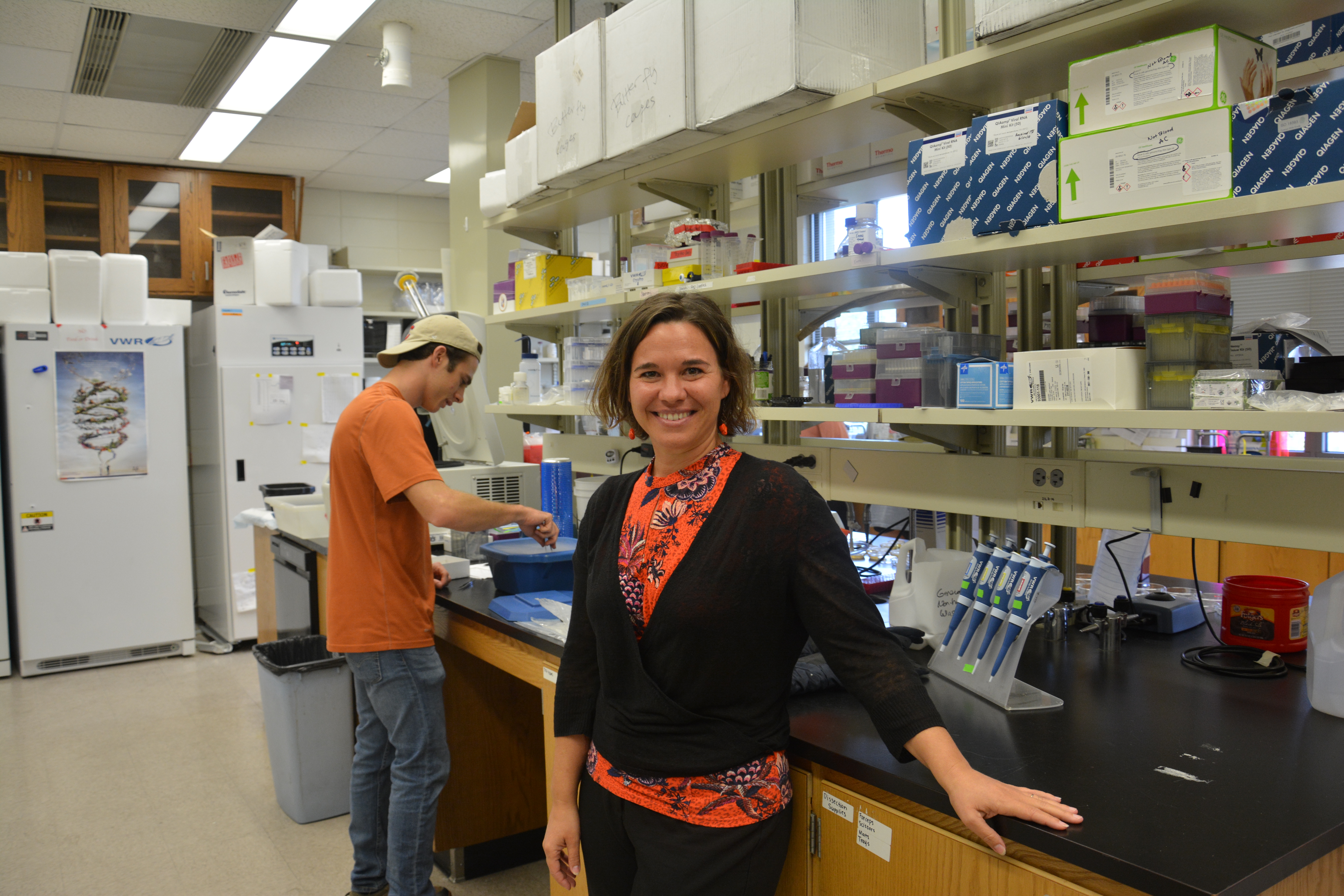
One look into Dr. Tonia Schwartz’s lab in the Department of Biology at the College of Sciences and Mathematics (COSAM), and you can see there is a lot of energy and positivity. With one postdoc, five graduate students and eight undergraduate students, Dr. Schwartz keeps busy asking many research questions that fall underneath the umbrella of how animals respond to the environment. Schwartz looks at genes and groups of genes to understand a variety of different processes involving stress response, growth, reproduction, cellular protection, and longevity. Dr. Schwartz has five major areas of research being conducted in her lab, with one studying the mitochondrial function and relationship to the nucleus. Grad student Randy Klabacka helps head these experiments and uses comparative genomics and physiology to collect data in whiptail lizards that are hybrids of two parental species. These hybrids, which have an asexual reproduction, have a mitochondrial genome that has to work with two different nuclear genomes (one from each parent species). Schwartz explains that if the nucleus and mitochondria in cells evolve at different rates and cannot work together, energy cannot be produced effectively. This research is valuable to humans as well as to lizards because we have many mitochondrial diseases and identification of mutations and genes that alter mitochondrial function can assist understanding these diseases.
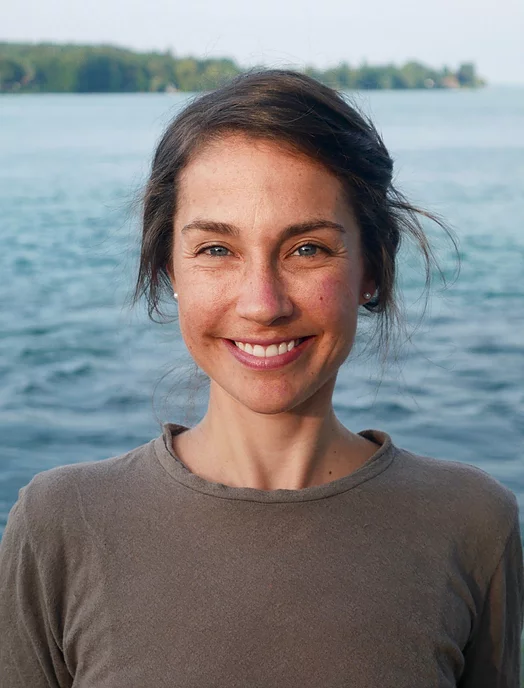
Dr. Cissy Ballen grew up outside of Chicago, IL. She spent her childhood exploring the local ravine with her sister, catching frogs and developing a relentless love for nature. While an undergraduate in wildlife and biology at the University of Minnesota, she volunteered at a wildlife rehabilitation center, a raptor rehabilitation center, and was eventually offered teaching assistantships in botany, zoology, and finally the evolution and biology of sex. The ‘sex class’ was taught by Dr. Sehoya Cotner, now an associate professor in biology. Together, they conducted research on a range of questions related to the effectiveness of science teaching.
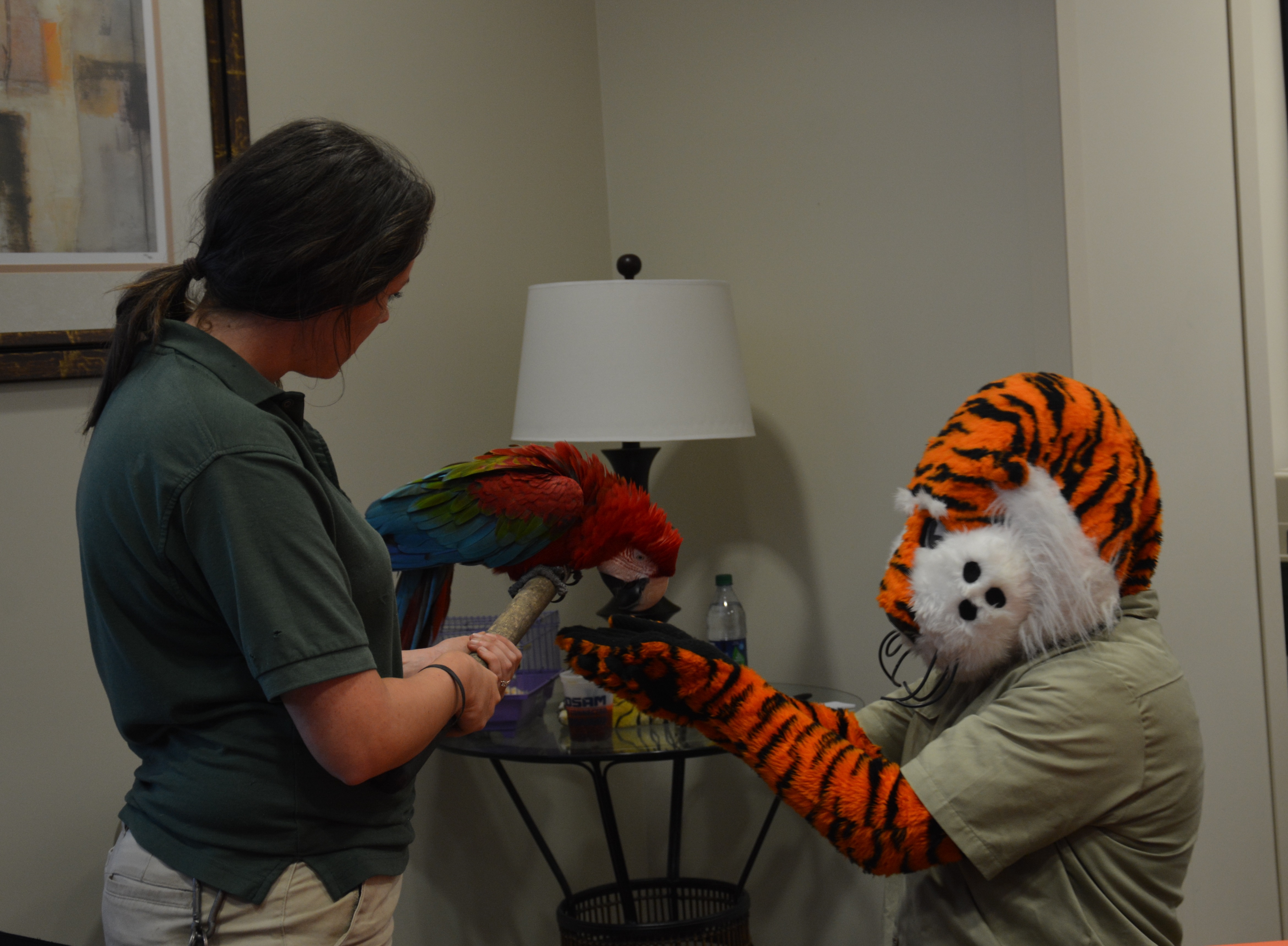
The annual Open House for the College of Sciences and Mathematics (COSAM) brought together students from an array of majors to meet advisors, check out student organizations and clubs, and learn more about animals from Wild Animal Safari in Georgia. Students love seeing different types of animals, however, these specific guests were here to increase awareness of conservation. “It is important to showcase conservation and the need to preserve the natural world,” explains Dr. Robert Boyd, an alumni professor in Biological Sciences. As he was showing students species such as the coatimundi, a member of the raccoon family, and the New Guinea singing dog, he connected with many students about why they should learn about conservation.
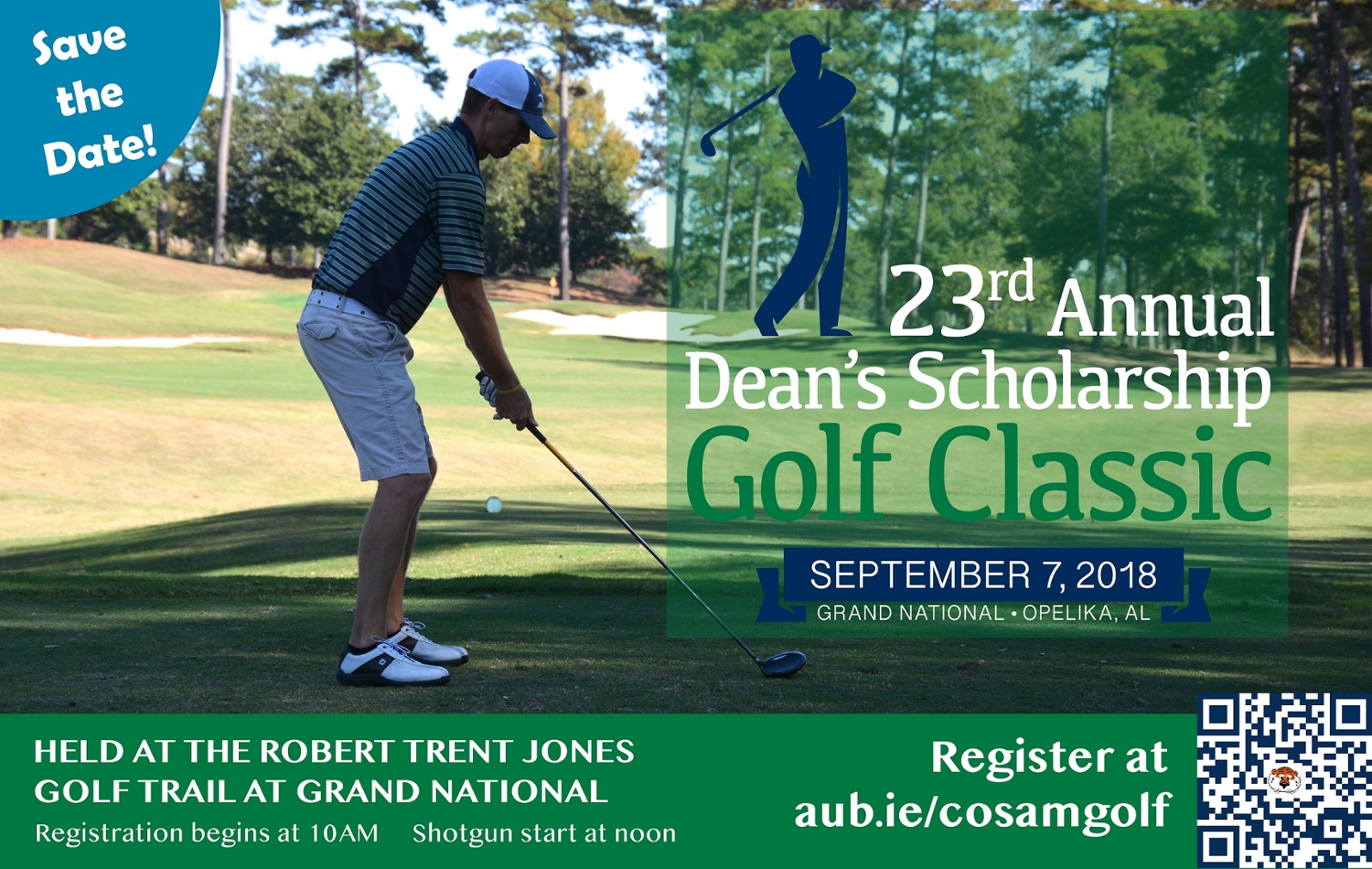
Madeline Farmer and MiKaela White will be recognized at the 23rd Annual Dean’s Scholarship Golf Classic which takes place at the Robert Trent Jones Golf Trail at Grand National on Friday, September 7, 2018. The two students from the College of Sciences and Mathematics (COSAM) are the recipients of a scholarship that provides financial assistance during their senior year at Auburn University. Both students are biomedical sciences majors/pre-med, and are seeking to attend medical school upon graduation.
In evolutionary biology and in the health sciences, the significance of intralocus sexual conflict, which examines the reasons why males and females have different traits such as height, has widespread recognition. “This research will help us understand the differences in sex dimorphism in regard to broad factors such as aging and disease risk,” explains Dr. Graze. Dr. Rita Graze is an Assistant Professor in the Biological Sciences Department of the College of Sciences and Mathematics (COSAM). She is the recipient of a five-year $1,092,468 National Science Foundation (NSF) Faculty Early Career Development Program (CAREER) Grant: Uncovering mechanisms that shape variation in how males and females differ in their gene expression.
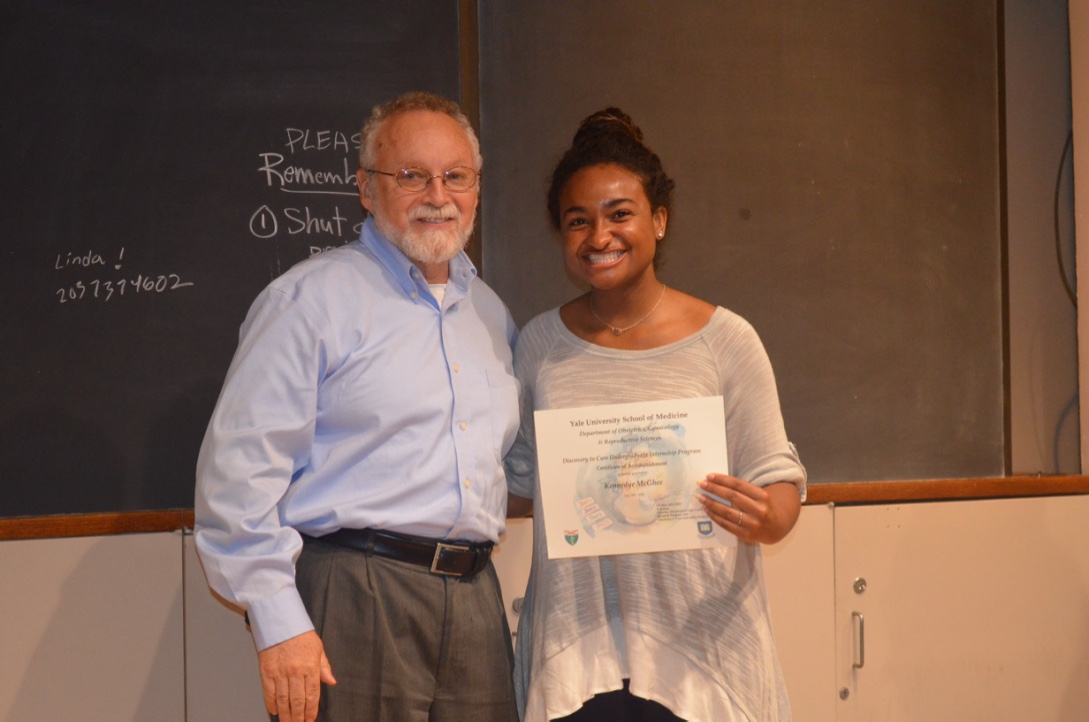
Before starting her junior year, Kennedye McGhee, a biomedical sciences, pre-med major at Auburn University in the College of Sciences and Mathematics (COSAM), spent her summer researching a specific mutation for ovarian cancer at Yale University. Specifically, she was researching the reactivation of mutant p53 in ovarian cancer cells to induce apoptosis. She was one of just four undergraduate students to participate in the Discovery to Cure Undergraduate Internship Program at the Yale University School of Medicine, Department of Obstetrics, Gynecology and Reproductive Sciences along with 32 high school students.
Summer Graduation Marshal Learns About Conservation and Seeks to Find Sustainable Business Solutions
Natasha Lloyd, a native of New Zealand, wants to find more sustainable ways to streamline businesses while positively impacting the environment. She graduates with a bachelor’s degree in organismal biology and conservation and a minor in English maintaining a 3.7 GPA, and serves as the summer 2018 College of Sciences and Mathematics (COSAM) Graduation Marshal. Through her rigorous studies at Auburn University, Lloyd has found her true calling in life. Her favorite professor at COSAM was Dr. Robert Boyd for conservation biology. “Dr. Boyd’s endless passion helped me to decide to pursue a career in environmental sustainability that combines my desire for the environment with measurable results,” Lloyd says.
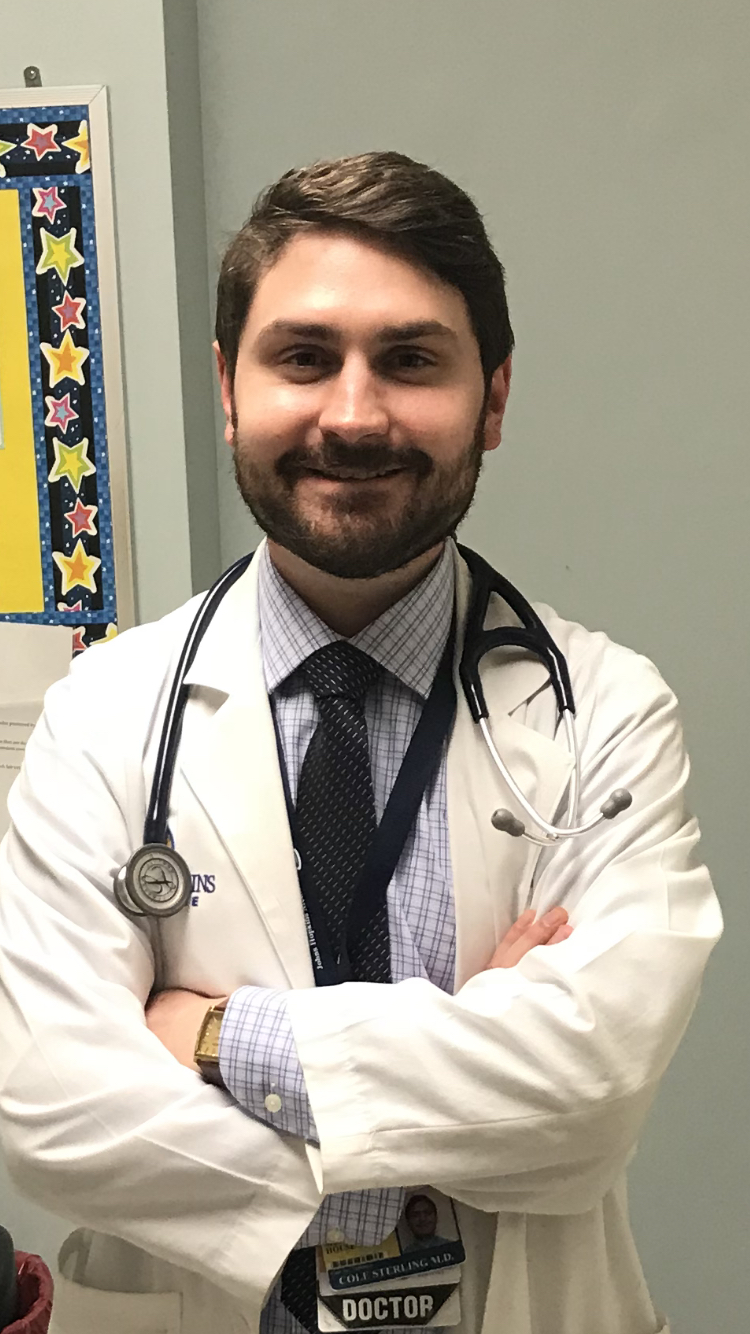
As an internal medicine resident at Johns Hopkins Hospital in Baltimore, Maryland, Dr. Cole Sterling's job is to manage and evaluate patients who are sick enough to warrant a hospital stay. He also tracks patients who need regular care at his outpatient clinic. The nature of his work demands a strong ability to diagnose and solve problems, as well as "people skills." Sterling, who also attended medical school at Johns Hopkins, said he is humbled by the successes in his career thus far. "Honestly, I feel more blessed than proud," said Sterling. "It is an enormous honor and privilege caring for individuals who trust us with their lives and fears. While this aspect of my job remains extremely rewarding, connecting patients to desperately needed social resources and finding ways to keep them engaged in their own care can be challenging."
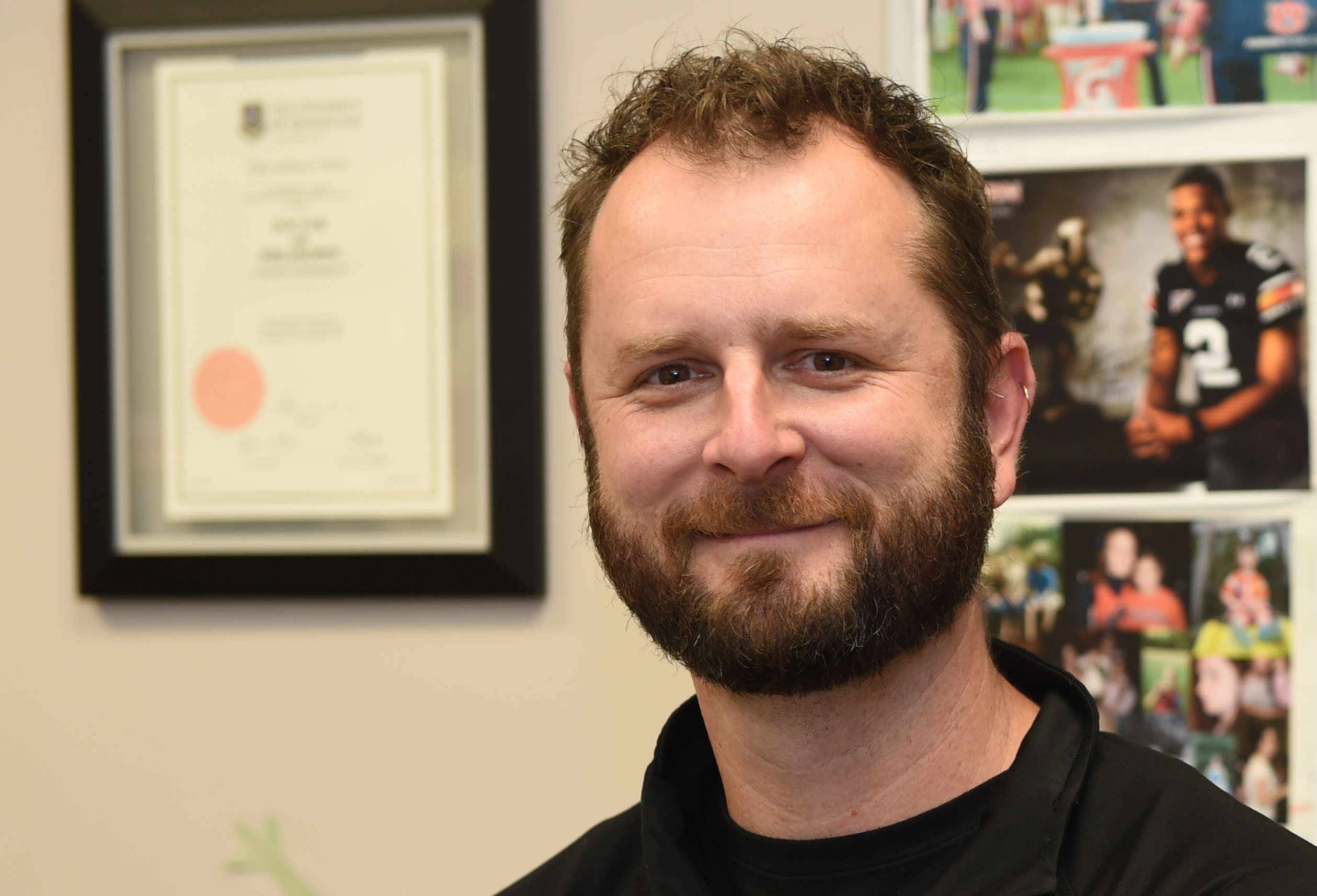
Associate Professor Paul Cobine discovered how copper crosses the mitochondrial membrane, which could have life-saving implications for those with diseases such as diabetes, Alzheimer's disease, heart disease, Parkinson's disease, and even some forms of Lou Gehrig's disease.
A new Pre-Professional (Pre-Health) Non-Thesis Master's Program in Biological Sciences is available!
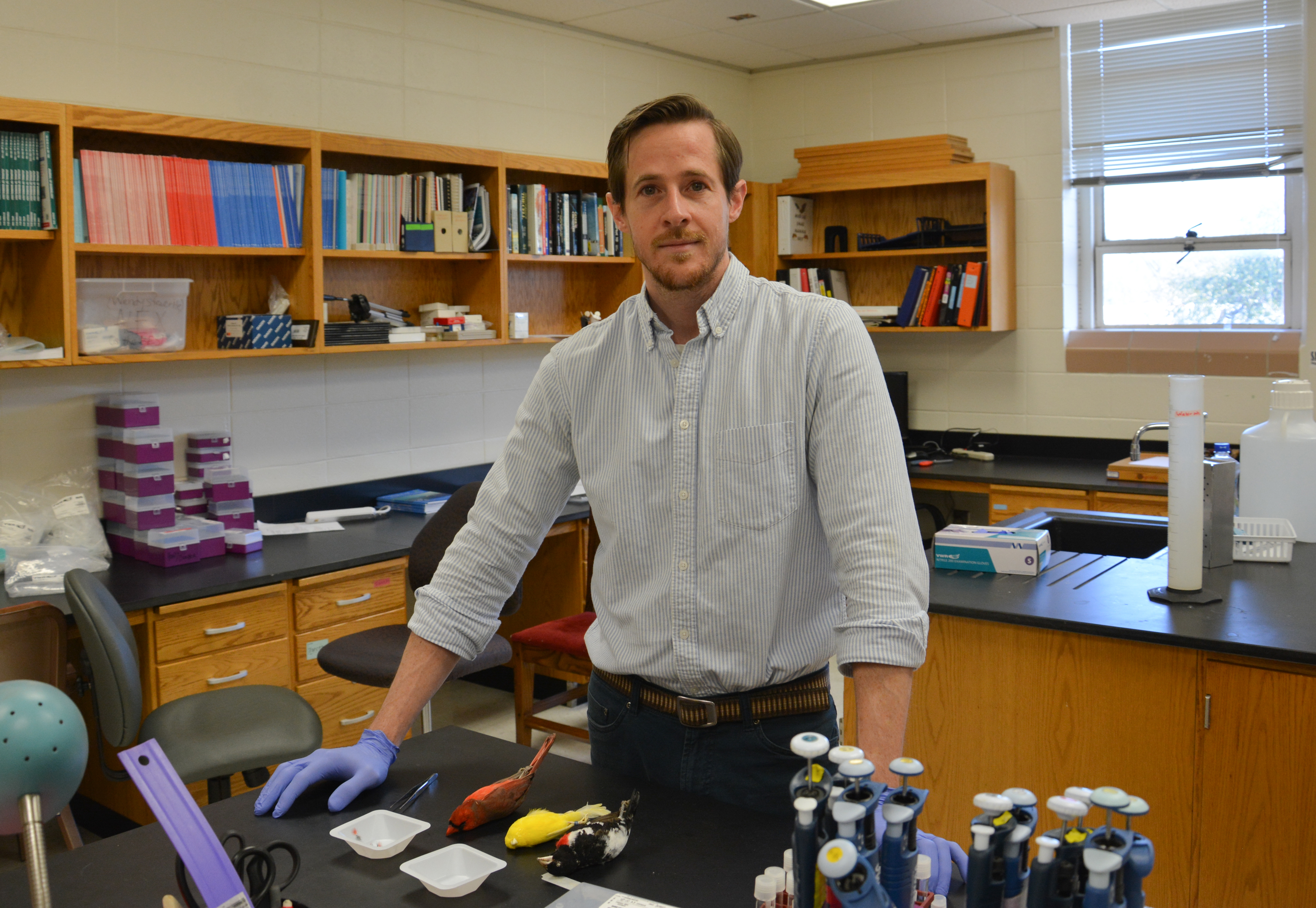
Ryan Weaver, a doctoral candidate in biological sciences, led a team of Auburn University and Universidade de São Paulo scientists in a project where they turned a class assignment into a published research article. The research, published in Nature Communications, demonstrates that when it comes to bird feathers, beauty isn’t just skin deep.

The American Association for the Advancement of Sciences, or AAAS, announced that both Geoffrey Hill, professor in the Department of Biological Sciences, and J. V. Ortiz, professor in the Department of Chemistry, have been named Fellows of AAAS. The AAAS was founded in 1848 and aims to advance science and serve society through various initiatives. The tradition of AAAS Fellows began in 1874, and those named a Fellow are continuous members of AAAS for four years prior to their nomination. This year 396 members were awarded the distinction of Fellow because of their scientifically or socially distinguished efforts to advance science or its applications. Hill was named a Fellow of AAAS for distinguished contributions in the field of behavioral and evolutionary ecology, particularly for advancing understanding of the evolution of ornamental traits. Hill’s research focuses on the function and evolution of ornamental traits in birds and on the co-evolution of hosts and pathogens. His research has garnered $8.8 million in external grant support, including grants from the National Science Foundation and the National Institutes of Health. Additionally, he was appointed director of the Division of Integrative Organismal Systems at the National Science Foundation, which is the largest of the four divisions within the Biological Sciences Directorate at NSF.
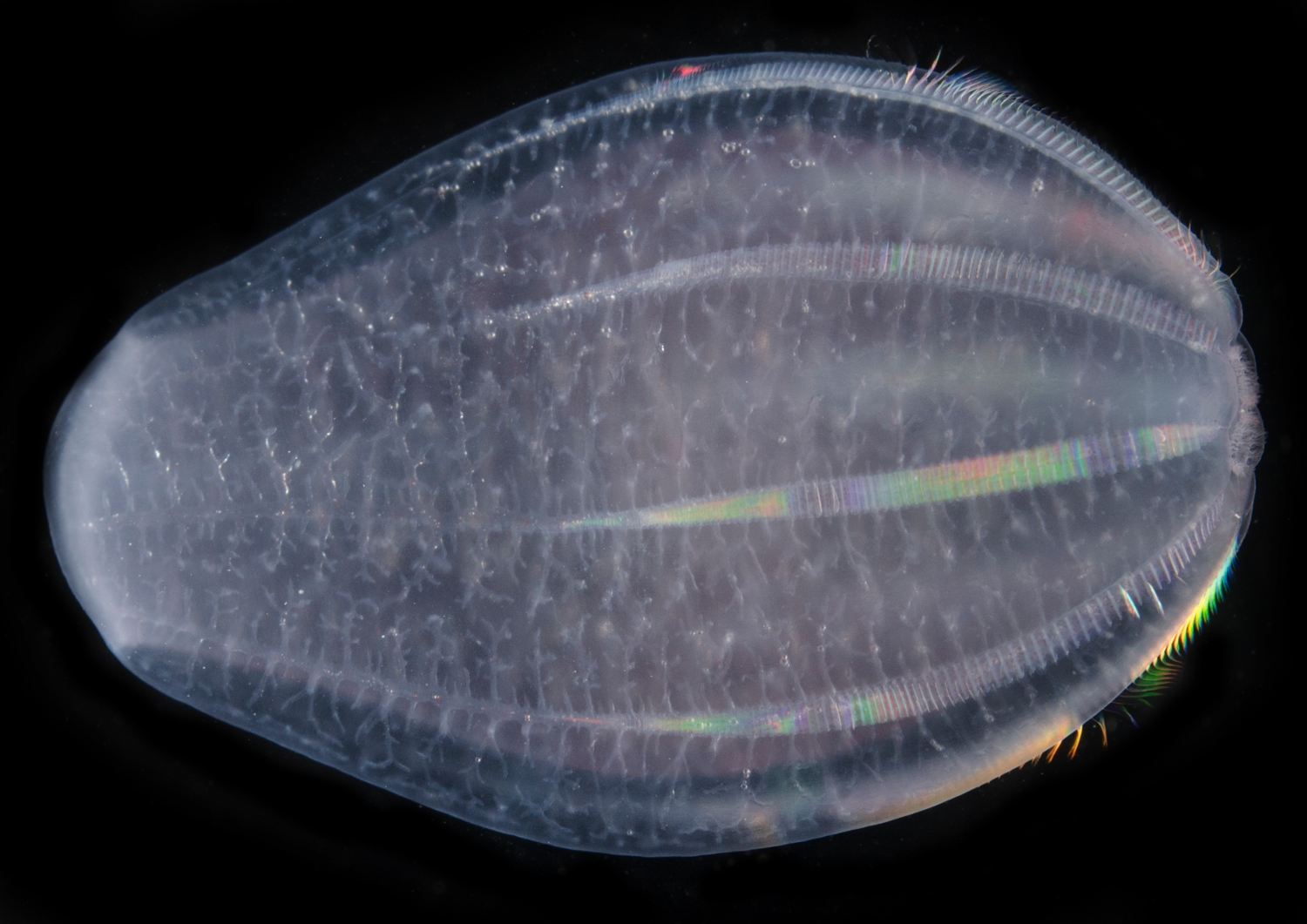
In 2014, Auburn University scientists in the Department of Biological Sciences’ Molette Biology Laboratory for Environmental and Climate Change Studies and University of Florida researchers shook the foundation of evolutionary biology: for more than a century, researchers believed sponges were the earliest living lineages of the animal tree. Thanks to modern genomic sequencing techniques, Auburn scientists, together with scientists at the Universities of Florida and Alabama, provided novel evidence that ctenophores, or comb jellies, are actually at the base of the animal kingdom. The research results were published in the journal Nature, sparking a debate amongst the scientific community. In an effort to further clarify and establish the new discovery, Auburn University’s Molette Biology Laboratory, which is directed by Biological Sciences Professor Kenneth Halanych, led a team of scientists from Auburn and the Universities of Alabama and Florida, in a project designed to better understand the evolutionary relationships between ctenophores, as well as reexamine the placement of ctenophores as the sister taxon to all other animals.
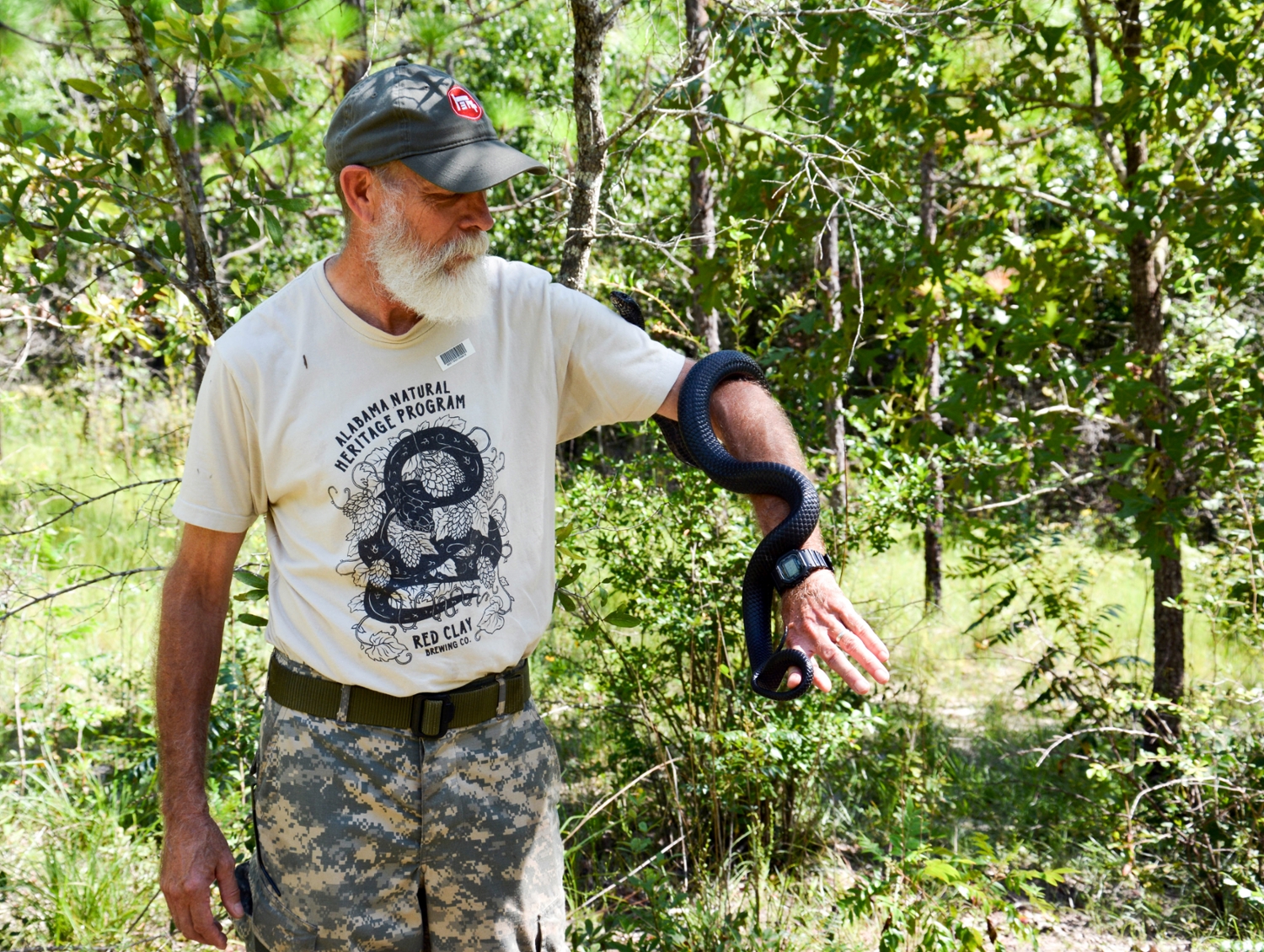
As part of an ongoing species reintroduction effort, scientists at Auburn University, along with numerous state and national partners, released 26 threatened Eastern indigo snakes into Conecuh National Forest on Friday, July 14. The release is part of an on-going project, coordinated by the Auburn University Museum of Natural History’s Alabama Natural Heritage Program, to reestablish the Eastern indigo snake in its native, longleaf pine forest habitat in south Alabama. The Eastern indigo snake is the longest native snake in North America, and may reach a size of 8.5 feet and a weight of 11 pounds for males, and 6.5 feet and 6.5 pounds for females. A non-venomous, docile snake, the Eastern indigo gets its name from its lustrous, glossy, iridescent blue-black coloring of the head and body.
Edward Thomas, Jr., the Charles W. Barkley Endowed Professor in the Department of Physics, has been named the next Associate Dean for Research and Graduate Studies in the College of Sciences and Mathematics. His tenure will begin on August 1, 2017. “I am very pleased to have this opportunity to serve the College of Sciences and Mathematics,” said Thomas. “COSAM has very talented faculty and students who are pursing leading edge research, and I want to play a role in widely promoting our research capabilities and helping faculty and students achieve even greater successes in building their research programs.”
The laboratory of Kenneth Halanych, the Schneller Endowed Chair in the Department of Biological Sciences, has made a discovery that could have widespread implications for how scientists study the function of the human immune system. Led by doctoral student Michael Tassia, the team discovered that humans and their closest invertebrate relatives share core components in their immune systems. “Humans belong to a group called ‘Deuterostomes’ that include vertebrate animals as well as invertebrate animals like sea stars, sea urchins, sea squirts, and acorn worms,” said Tassia. “All of these groups had gill slits, much like fish, early in their history,” added Halanych. Tassia and the team in the Halanych lab studied genetic datasets of more than 40 different deuterostome species including human, vase tunicate (Ciona intestinalis), Florida lancelet (Branchiostoma floridae), purple urchin (Strongylocentrotus purpuratus), and an acorn worm from the northwest Atlantic Ocean (Saccoglossus kowalevskii). The research showed evidence that humans and other deuterostomes share a common evolutionary history of their innate immune systems.
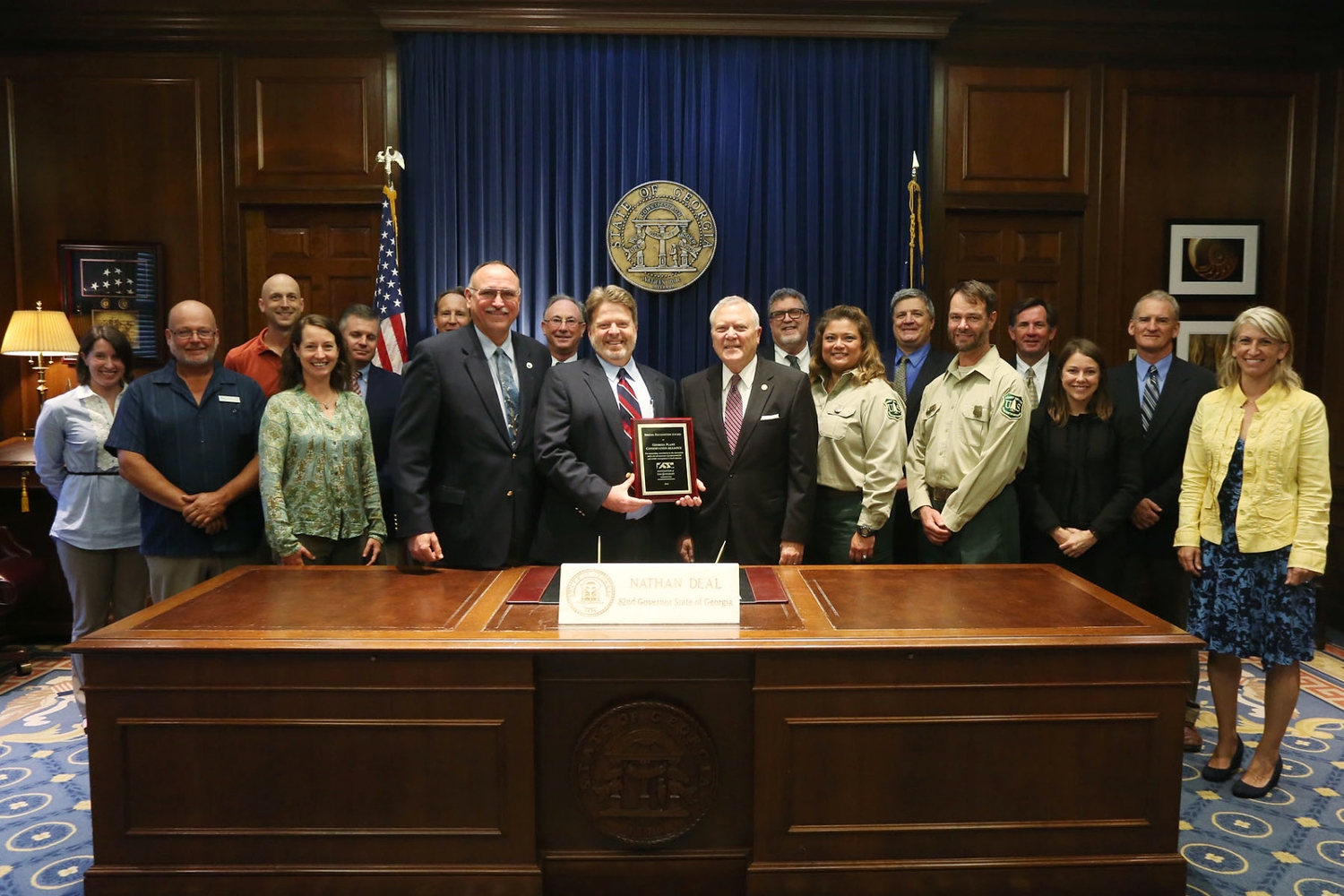
Mincy Moffett came to terms with a tough reality when he was in his late twenties. He had an undergraduate degree in economics from the University of the South, or “Sewanee,” an MBA from Georgia State University, and a job with upward mobility at Georgia Federal Savings and Loan in downtown Atlanta, but he was miserable. “I had a career that I hated and two degrees that I didn’t want to use anymore, so I thought, ‘Man, I’ve got to make a change,’” said Moffett. Moffett decided to take a break and head north to Washington, D.C. He stayed with his brother for a month, which was time Moffett used to evaluate his career options. “I had always been an environmentalist at heart, and there were a lot of environmental groups in D.C.,” said Moffett. “I thought, ‘I have this business background, and even environmental groups have a business side—they have to earn money, they have an administrative function that needs to be handled.’ I decided to try to market myself to any environmental group that would consider me.”
The Meredith Ann Birchfield Endowed Fund for Excellence in the College of Sciences and Mathematics’ Museum of Natural History has recognized two graduate students in the Department of Biological Sciences for their efforts conducting fieldwork with museum curators. Each award comes with a stipend for research support and travel to expand the museum’s taxon representation. The award will allow Randy Klabacka to conduct fieldwork in Thailand and return with specimens and DNA samples of flying lizards of the genus Draco of Southeast Asia. The museum currently has no specimens from the family or region.
The Auburn University Chapter of Phi Kappa Phi held the annual initiation and awards ceremony at the end of spring semester. Founded in 1897 at the University of Maine, Phi Kappa Phi is an honor society that recognizes and promotes academic excellence in all fields of higher education and engages the community of scholars in service to others. Of the 10 awards bestowed at the 2017 ceremony, COSAM students received five. “As its core mission, Phi Kappa Phi promotes the love of learning and excellence in all elements of academic scholarship,” said Jack Feminella, associate dean for academic affairs. “The three Susan Stacy Entrenkin Yates awardees, the Most Outstanding Senior Scholar, and the Jewel Golden Eubanks Scholarship, all received by COSAM students, beautifully exemplify this description. Not only are the student honorees outstanding performers in the classroom, but they are also budding research scholars and unselfish service providers to others on and beyond campus. We are extremely proud of each of them."
The COSAM Honors Convocation recognizes outstanding student and faculty achievement. The 2017 ceremony was dedicated to retired Professor of Biological Sciences Stephen Kempf. During ceremony, more than 250 students and faculty were honored, including all freshmen, sophomore, junior and senior students who have maintained a perfect 4.0 grade point average. Also recognized were the Dean’s Medalists, Outstanding COSAM Graduate Teaching Assistants, the Outstanding COSAM Faculty Advisor, the Outstanding COSAM Teacher, Comer Award recipients, the President’s Award recipient, the Student Government Association Award recipient, and Outstanding Juniors from each of COSAM’s five departments.
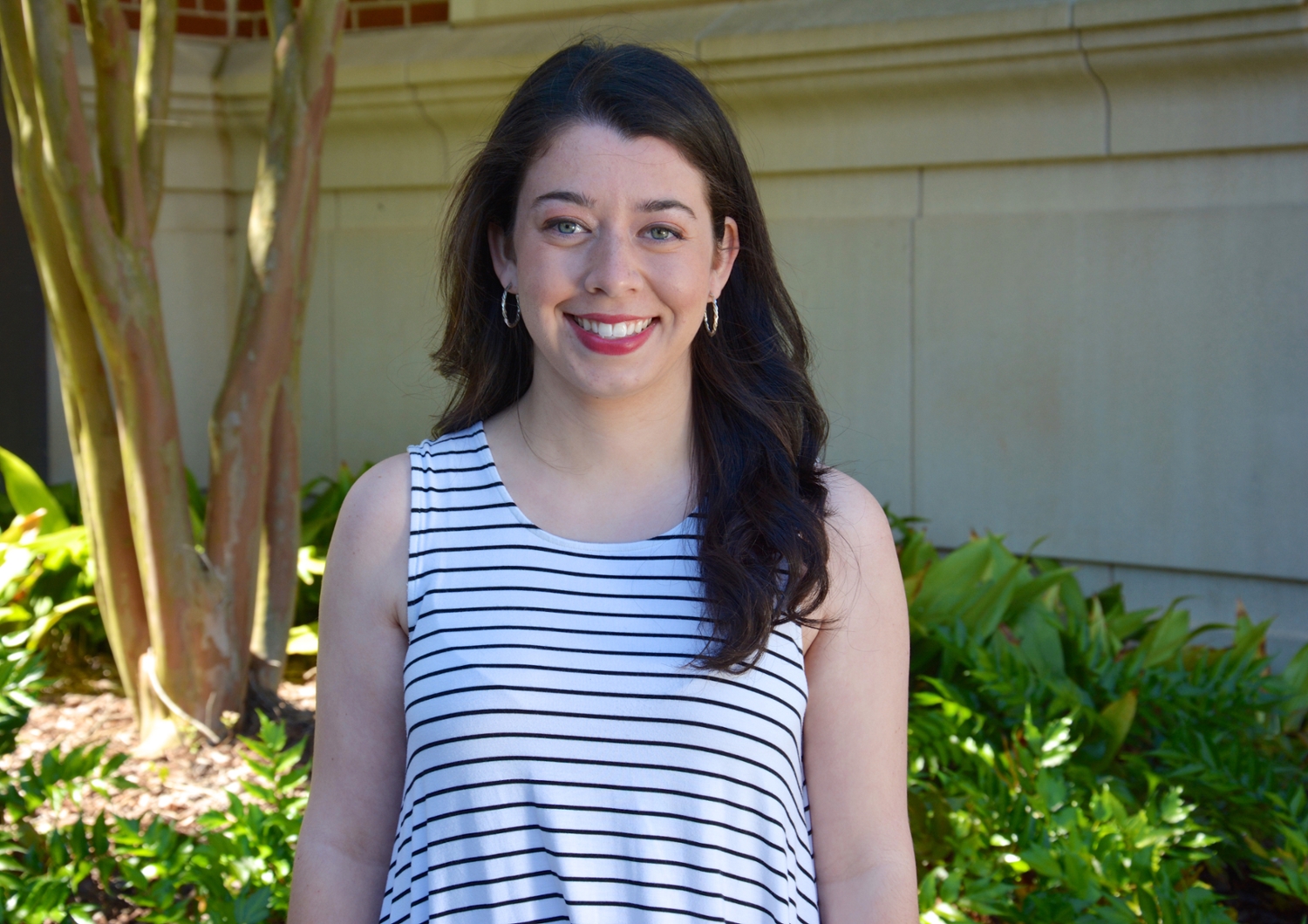
For COSAM Graduation Marshal Abigail Gauthier, a double major in biomedical sciences and Spanish, meeting the healthcare needs of the Hispanic population is both a goal and passion. “My mom immigrated to the United States from Columbia when she was a little girl, so a lot of my family is bilingual, so it’s very important to me to be formally trained in the Spanish language and to explore that part of my heritage,” said Gauthier. “My family integrated pretty quickly, but I want to help people who may be struggling more than they did. I think that immigrants face a really big challenge in a monolingual healthcare system, and I think it’s something that a lot of people don’t realize or don’t talk about, and it’s really important. It’s a need that I could help alleviate if I worked really hard. Just being able to communicate with someone in their native language is really important to help them feel more comfortable, and because trust is such a huge part of medicine, it is important to me to make them feel as comfortable as possible.”
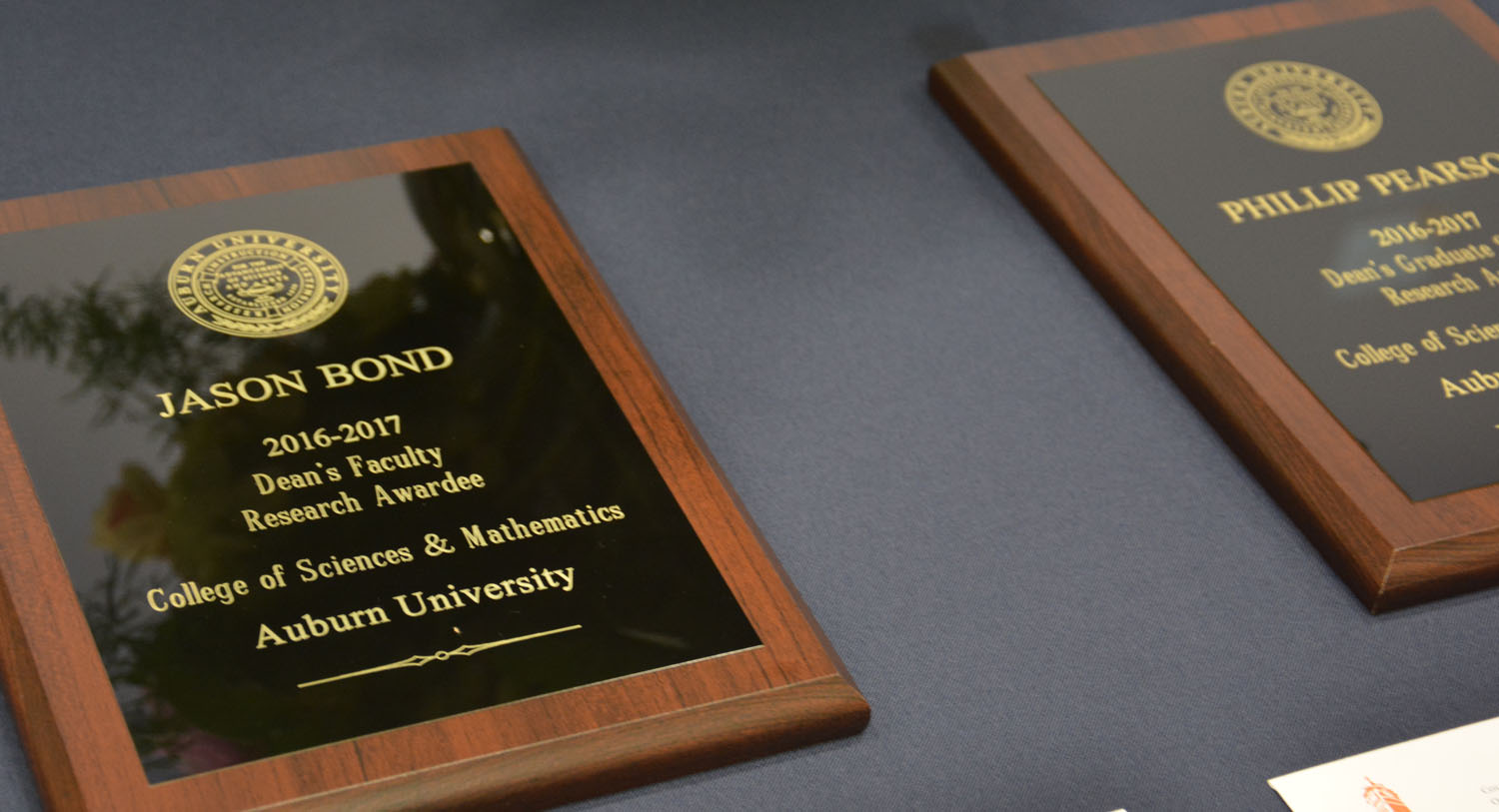
“The strength of COSAM lies in its faculty and students,” said Dean Nicholas Giordano. “The Dean’s Research Awards are a celebration of the many outstanding achievements of this talented group.” For the 2016-2017 academic year, the following received Dean’s Research Awards: Jason Bond, professor and chair of the Department of Biological Sciences; Edward Burress, doctoral candidate in the Department of Biological Sciences; Asanka Jayawardena, doctoral candidate in the Department of Physics; Phillip Pearson, master’s student in the Department of Biological Sciences; and Claire Zhang, undergraduate student in the Department of Mathematics and Statistics. The dean also recognized Mark Liles, professor in the Department of Biological Sciences, with the COSAM Young Faculty Scholar Award.
Biological Sciences Professor James Barbaree passed away March 27 at the age of 76. A faculty member at Auburn for more than 25 years, Barbaree served as chair of the Department of Biological Sciences from 2002 to 2008, and he taught clinical microbiology and general microbiology. He was also the Associate Director for Research at the Auburn University Center for Detection and Food Safety, as well as an adjunct professor in the Department of Pathobiology in the College of Veterinary Medicine.
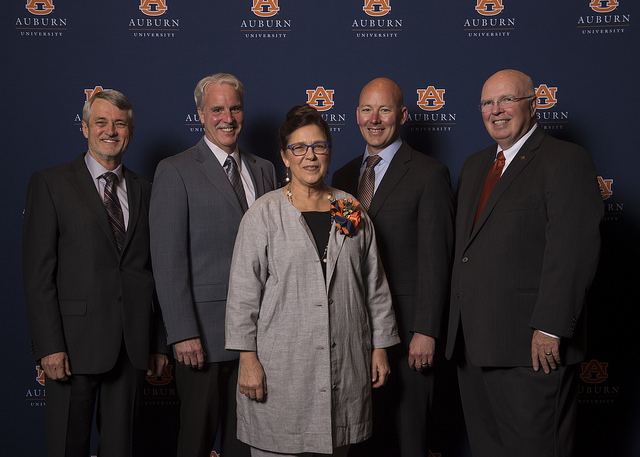
Auburn University honored its 2016-2017 Faculty Awards recipients Tuesday night at The Hotel at Auburn University and Dixon Conference Center, recognizing some of the institution’s most innovative teachers, researchers and scholars for their unique and distinguished contributions to the university’s mission. Presented annually, the Faculty Awards honor individuals and groups of faculty for excellence in teaching, research and outreach. Following a competitive review process, recipients are chosen by selection committees comprised of faculty, staff, students and alumni. The honorees Tuesday night were named in 2016.
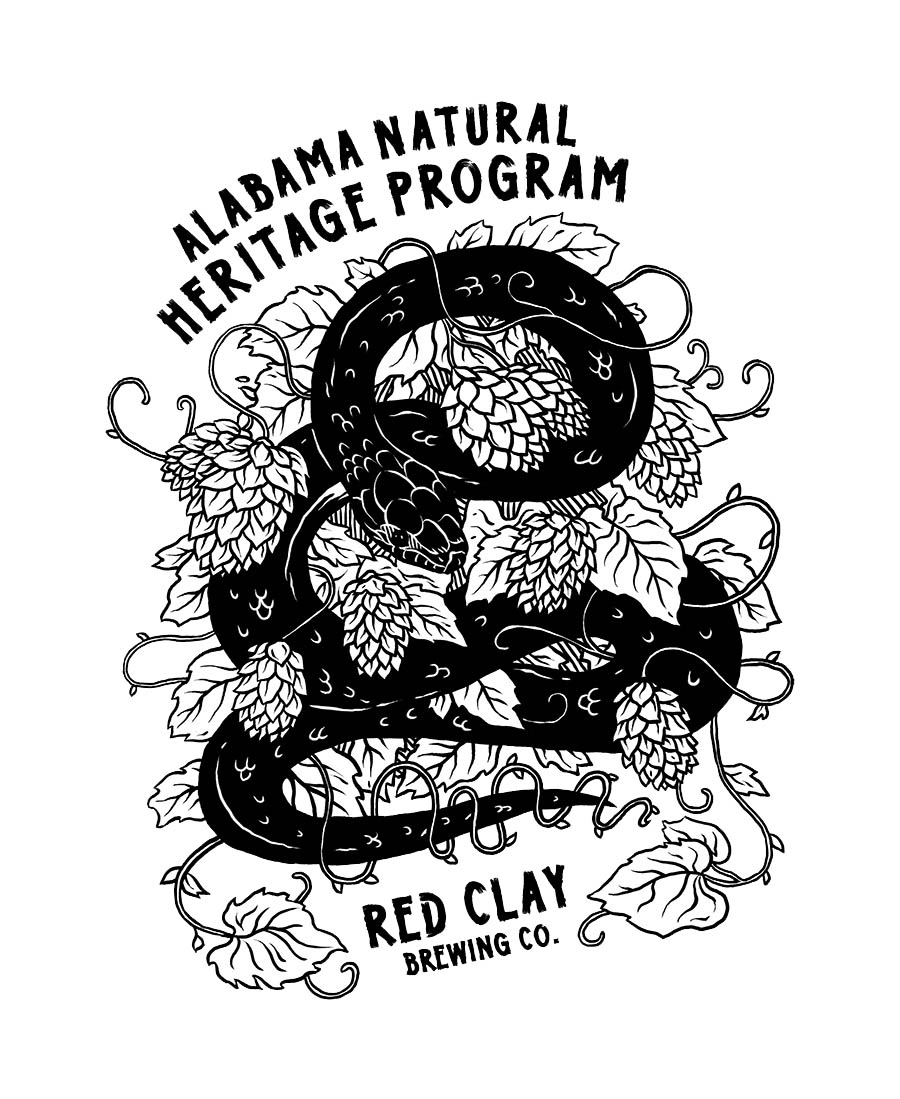
“Drink Beer! Save a Species!” is the new mantra of the College of Sciences and Mathematics’ Alabama Natural Heritage Program, which has teamed up with Red Clay Brewery in Opelika to conserve native Alabama wildlife. Beginning Thursday, Feb. 23, one dollar of each pint sold of a new brew, Drymarchon Berliner Weisse, will benefit conservation efforts of COSAM scientists who are working to reintroduce the Eastern Indigo snake to the Alabama landscape. The partnership will officially kickoff on Thursday, Feb. 23 at 6:30 p.m. at a special “Science Pub” event featuring guest scientist Jason Bond, professor and chair of the Department of Biological Sciences. Bond will give a presentation titled, “Do Spiders Really Have Superpowers?” The Science Pub kickoff at Red Clay Brewery is sponsored by COSAM’s Office of Outreach. The event is family friendly and open to all ages. There is no cost to attend.
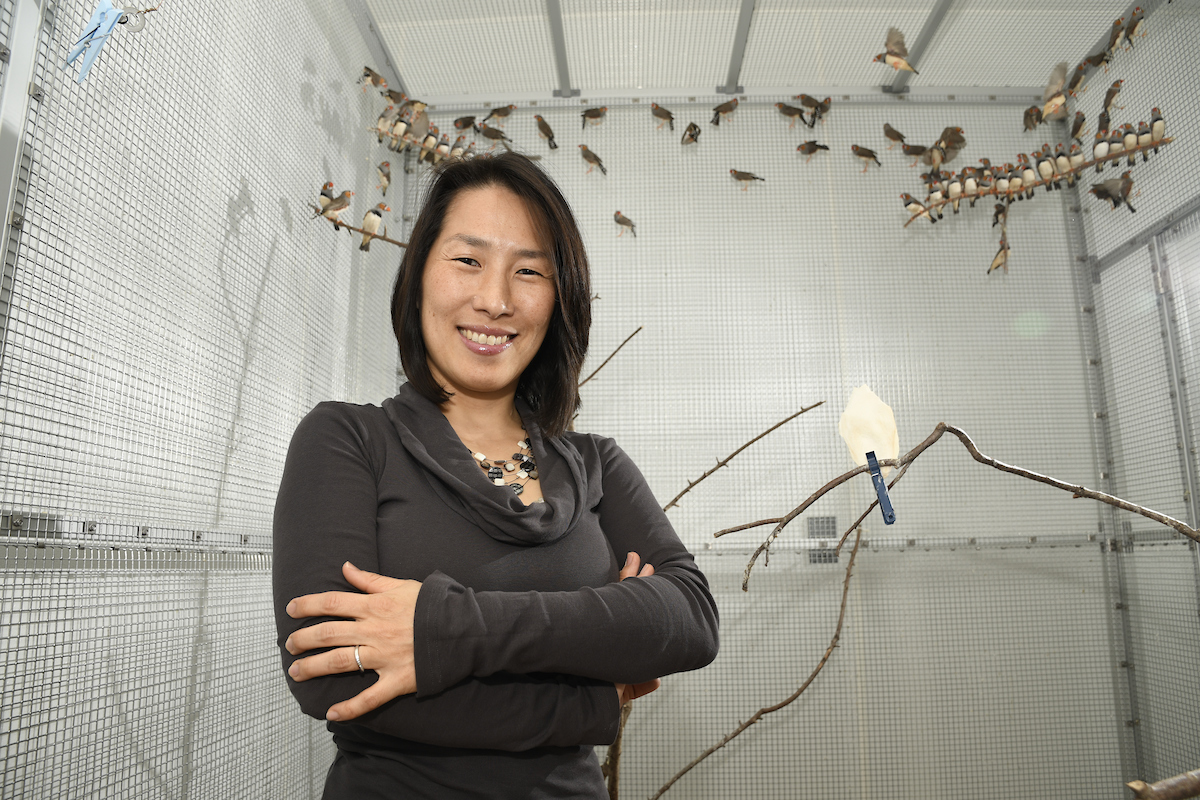
Haruka Wada, assistant professor in the Department of Biological Sciences, is scientifically proving the old adage, “what doesn’t kill you makes you stronger.” “We think we know stress or stressors because we feel them everyday, we talk about it everyday, but when it comes to the physiology of stress, there are a lot of unknowns, and this is partly because how we respond to stress depends on what we’re feeling that day,” said Wada. “The way you perceive a physical, physiological or psychological stress is also influenced by what you’re currently going through and previous exposure to a similar stressor, including during childhood.” Her project, “Proteostasis to Allostasis: Integration of Cellular and Organismal-Level Stress Responses,” will critically evaluate how a stress response is regulated while improving scientists’ understanding of stress responses at both the organismal and cellular level. The study is made possible through a five-year, $1,018,132 CAREER Award from the National Science Foundation.
Tonia Schwartz, assistant professor in the Department of Biological Sciences, published a paper titled “Here and there, but not everywhere: repeated loss of uncoupling protein 1 in amniotes,” in the scientific journal, Biology Letters.
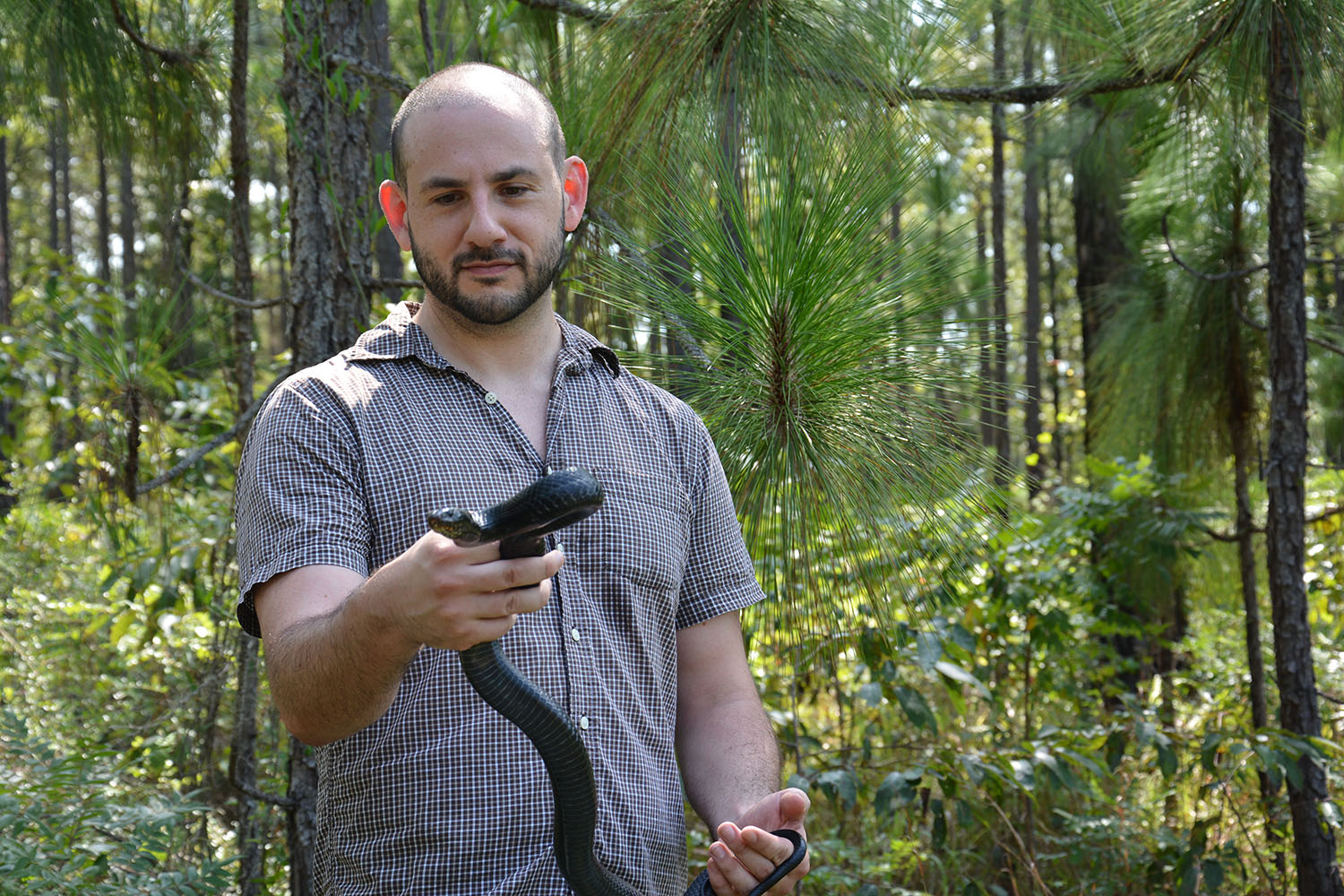
David Steen, assistant research professor at the Auburn University Museum of Natural History, received the Mindlin Science Communication Prize for his efforts to communicate with the lay public via the internet. Steen maintains a strong online connection with the public through his wildly popular blog, www.livingalongsidewildlife.com, as well as his Twitter account, @Alongsidewild.
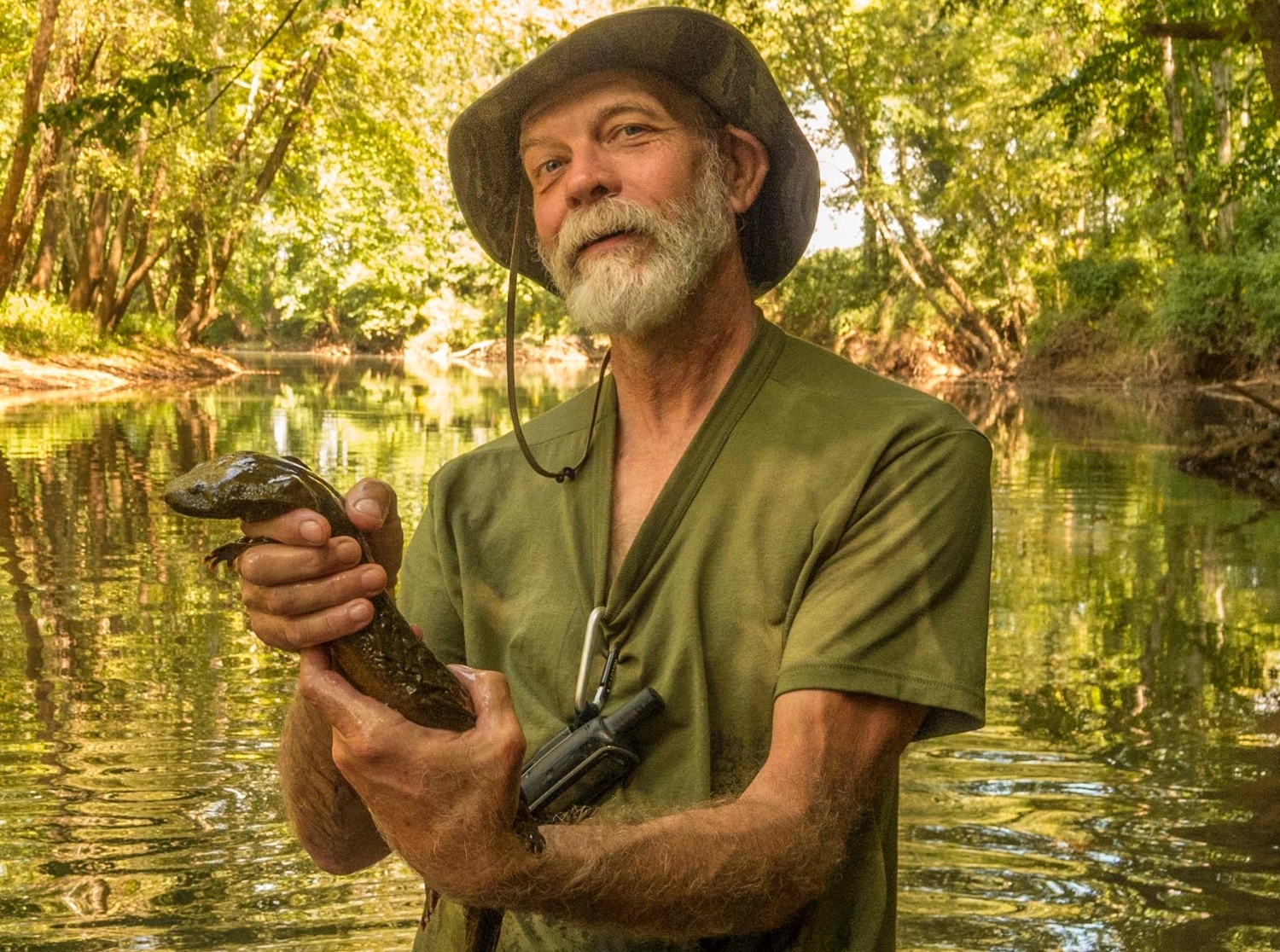
On a hot, late August afternoon in 2016, an expedition of scientists carefully turned onto a narrow, one-lane, dirt road that ran parallel to the railroad tracks. Their trucks precariously balanced canoes and kayaks as they weaved a short distance marked by deep potholes. In single file, they arrived at the back entrance to the property, property owned by a family from scientist Jeff Garner’s childhood. “The gate’s locked,” shouted Garner to the team. “I know another way in!” Garner grew up in Lauderdale County, Alabama. A biologist with the Alabama Department of Conservation and Natural Resources Division of Wildlife and Freshwater Fisheries, Garner’s local connections were the team’s key to accessing the more remote portions of Butler Creek, portions that run through private property. The group, led by James Godwin, an aquatic zoologist with the Auburn University Museum of Natural History’s Alabama Natural Heritage Program, was searching for the Eastern Hellbender, the largest and one of the longest living salamanders in North America. A Hellbender can reach more than 2 feet long and can live for decades. Once found abundantly throughout its native range, which extends from northern Alabama and Georgia to New York, Eastern Hellbender populations are experiencing steep declines. In fact, the species was thought to be completely eliminated from the state of Alabama, but unconfirmed sightings in recent years have given scientists new hope that the species still exists in the state.
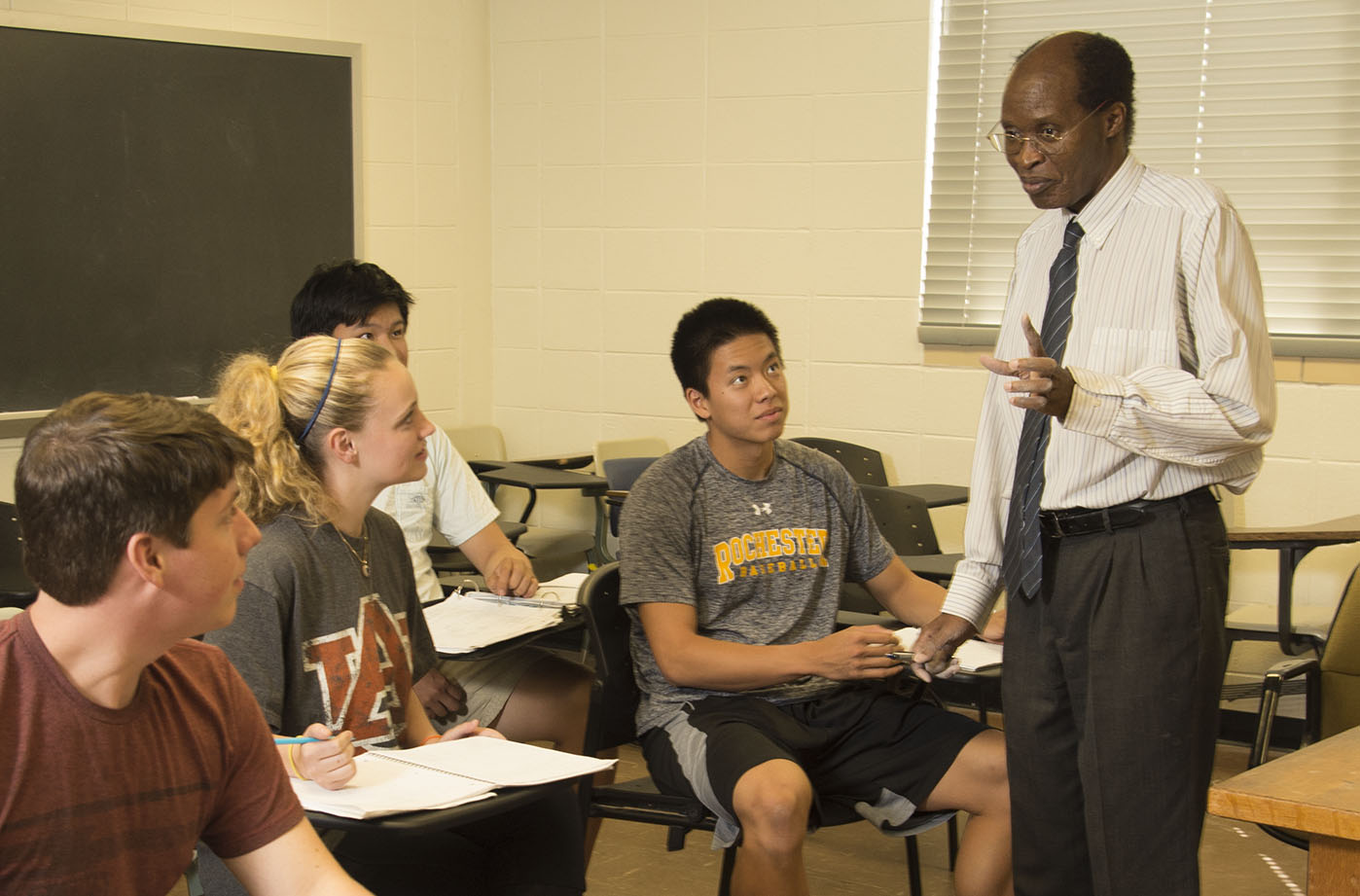
The National Science Foundation, or NSF, issued more than $2 million in grant funding to COSAM’s Overtoun Jenda, assistant provost for special projects and initiatives and professor of mathematics, for a five-year, multi-institutional, collaborative project titled, “Making to Advance Knowledge, Excellence, and Recognition in STEM,” or “MAKERS.” Co-primary investigators on the project are Auburn’s Asheber Abebe, professor in the Department of Mathematics and Statistics, and Alan Wilson, associate professor in the School of Fisheries, Aquaculture and Aquatic Sciences.
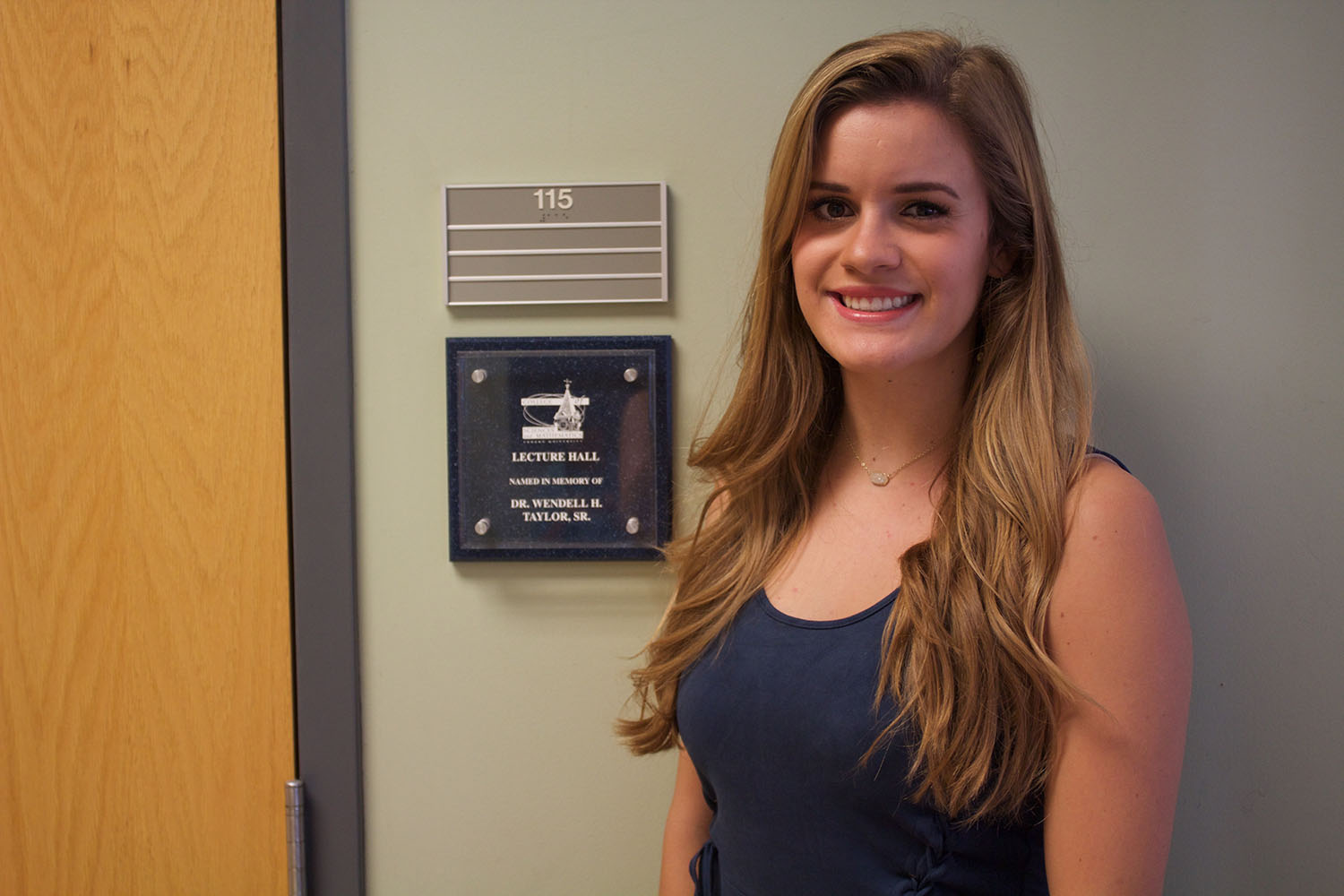
Herron Taylor, junior in biomedical sciences, has received praise from Auburn fans across the nation for helping capture the man accused of setting fire to one of the Auburn Oaks following the Auburn and LSU football game on Sept. 24. Surveillance footage from Toomer’s Corner shows Taylor confronting the man, now identified as Jochen Wiest, after he allegedly set fire to toilet paper hanging from the Magnolia Avenue tree. “My boyfriend and I were posing in front of the tree for a picture while another person took a photo of us,” said Taylor. “Then my boyfriend said, ‘he just lit the tree on fire!’ So, I turned around and sure enough, there was a guy with a lighter in his hand and flames going up the tree. Then he just casually walked back to his group of friends standing around like nothing had happened.”
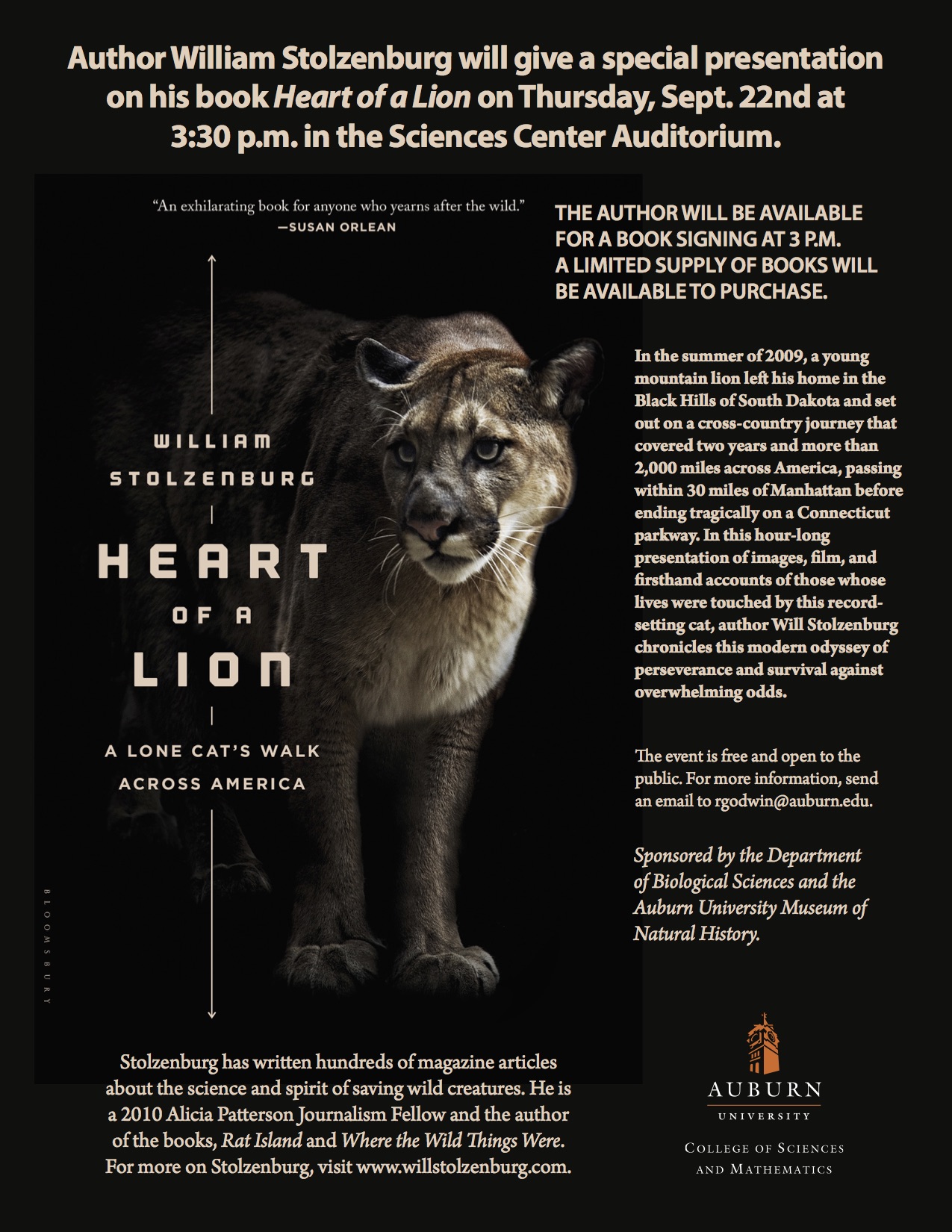
Last week, author William Stolzenburg gave a presentation on his book, “Heart of a Lion.” The presentation is now available online at this link: https://youtu.be/0Ab5My-7tQM. Stolzenburg is a 2010 Alicia Patterson Journalism Fellow, has written hundreds of magazine articles about the science and spirit of saving wild creatures, and is also the author of the books “Rat Island” and “Where the Wild Things Were.”

Dr. William Earl Bobo, molecular biology ’92, is a radiation oncologist at the Southeast Radiation Oncology Group in Charlotte, North Carolina. When he began his academic journey at Auburn, Bobo had set out to become a veterinarian. “After meeting with Dr. Lawrence Wit, I determined Auburn was the place for me,” said Bobo. “I was drawn in a different direction and became interested in molecular biology, which was a new degree option at the time.” His advisors, Bill Mason and Marie Wooten, helped guide Bobo into a career path he would soon love. While at Auburn, Bobo was involved with the Beta Beta Beta biology society and was a part of the Wooten Laboratory, researching Fetal Alcohol Syndrome.
A team of experts organized by David Steen, biological sciences faculty member in the College of Sciences and Mathematics and researcher with the Auburn University Museum of Natural History’s Alabama Natural Heritage Program, and Blue Aster Studio, a design firm in Bloomington, Indiana, will answer questions about snakes during a special #SnakeTownHall event on Twitter on Wednesday, Sept. 7 from 6-8 p.m. CDT. Steen, who was dubbed the Best Biologist on Twitter by Slate Magazine, regularly engages with the public to advocate on behalf of snakes and prevent their needless killing, particularly when harmless snake species are mistaken for venomous copperheads and cottonmouths.
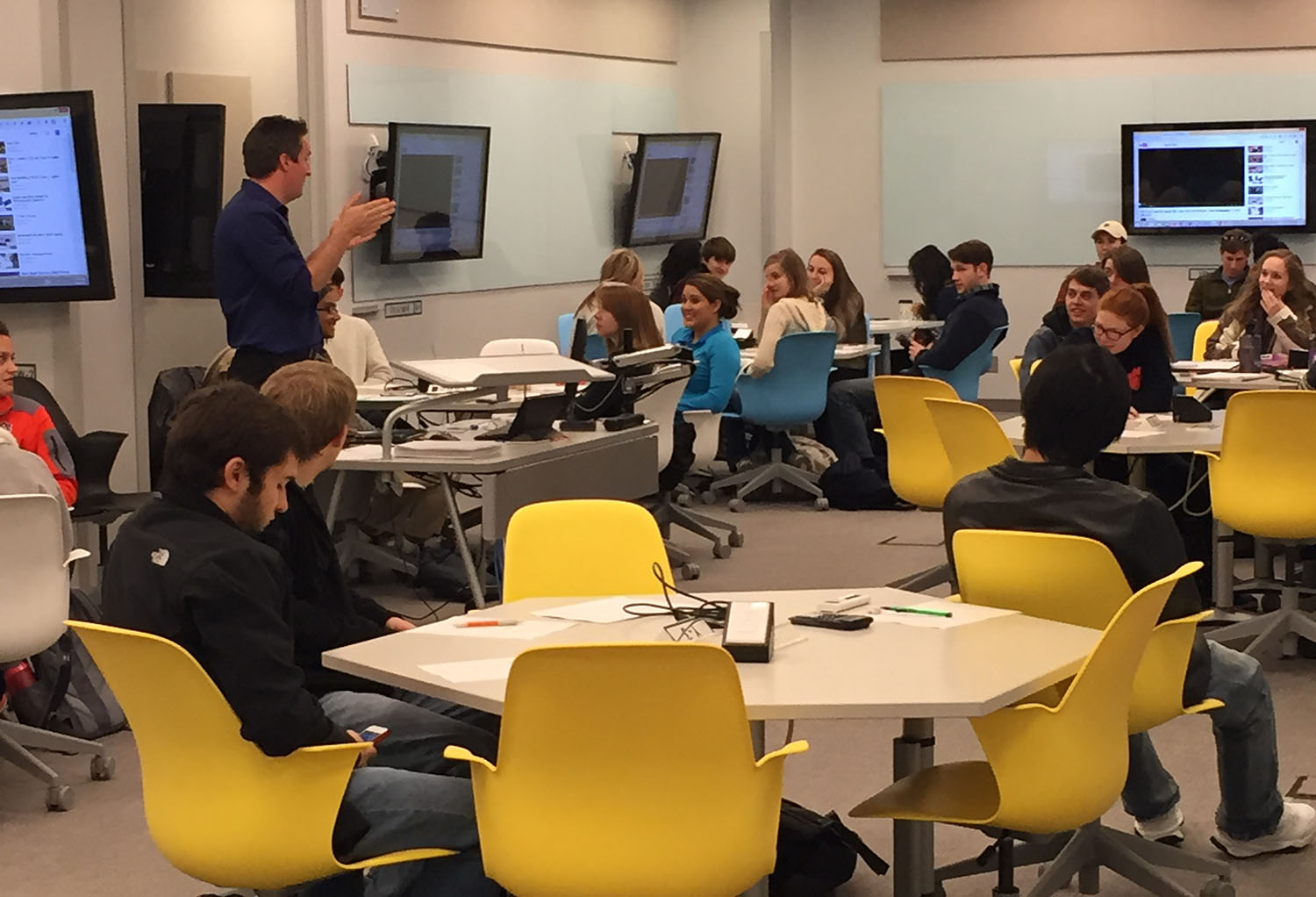
Quality faculty and staff allow the college to build upon the already-stellar reputation and strengths of a COSAM education. Our faculty and staff offer the intellectual capital upon which strong programs, innovative research, and student success are built. As we embark on a new academic year, the college would like to extend a warm welcome to the newest members of the COSAM family.
Auburn University's Davis Arboretum joins the national conservation efforts of the American Public Gardens Association who is partnering with the United States Forestry Service’s Forest Health Protection to establish living gene banks of US threatened tree species, by collecting seed from across its native range to capture broad genetic diversity then distributing propagules to public gardens for safeguarding in ex situ collections. Efforts focus on taxa native to US forests which cannot be conserved through traditional seedbanking methods. Launched in 2015, the Partnership funded four pilot projects leveraging established curatorial groups of the Plant Collections Network.
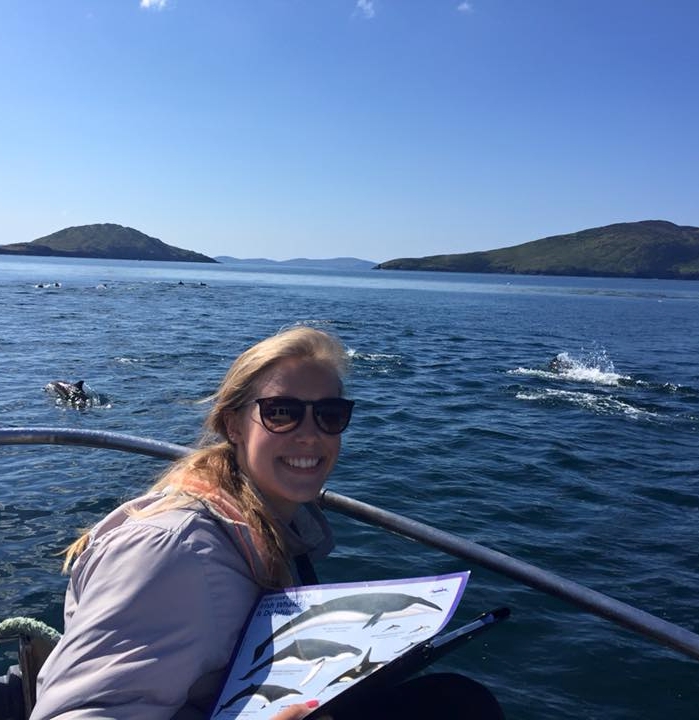
Jenny Roberts, marine biology ’14, is spending her summer educating a boat of tourists about Hawaiian culture, sea life and ocean conservation.
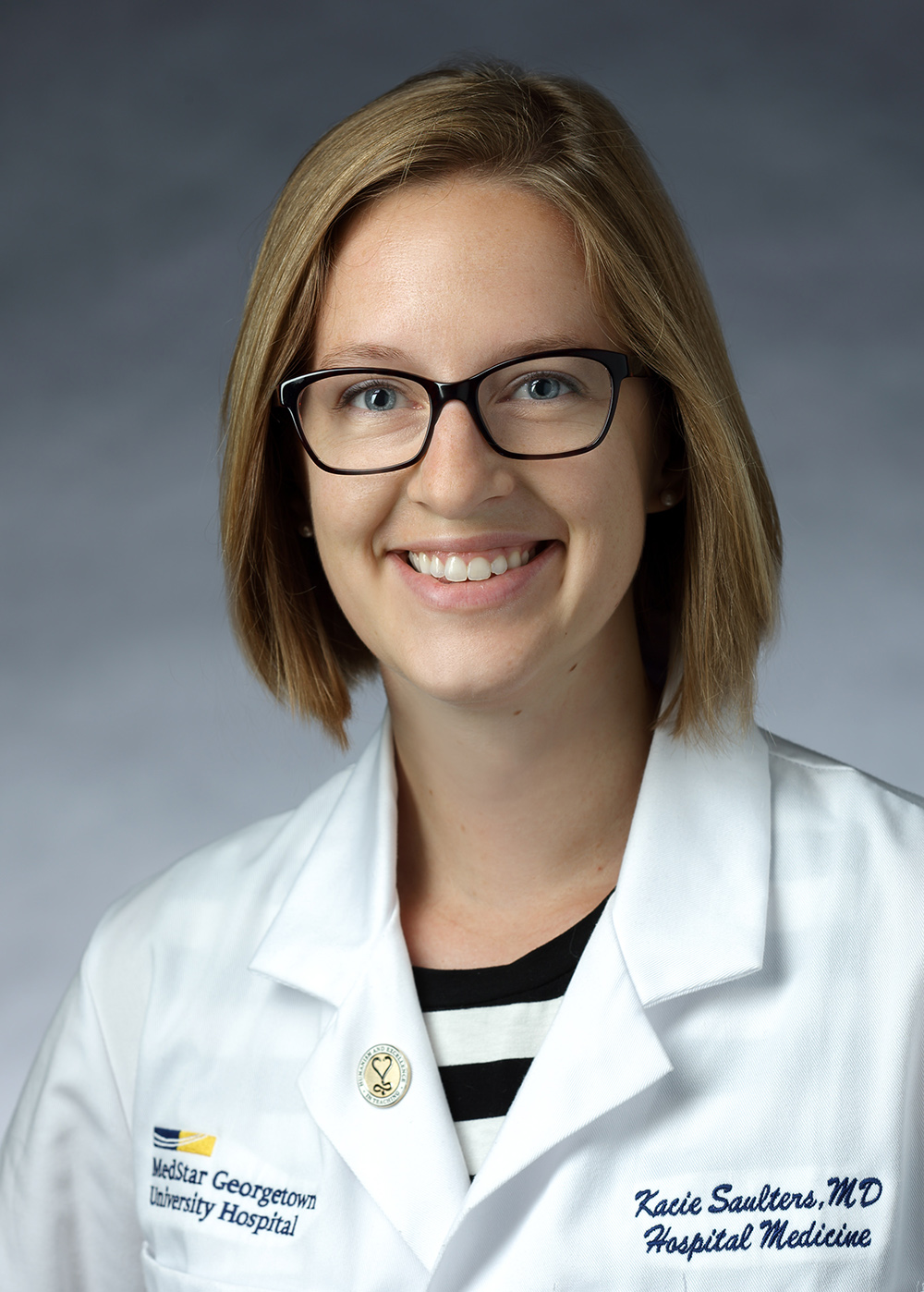
How did you choose to come to Auburn? Originally I thought, given family finances, that I would attend community college prior to transferring to a four-year university. My family had always been Auburn fans, so I decided to apply to Auburn, just to see what would happen. Not only did I get accepted, but I was also blessed to receive a full-tuition scholarship allowing me to go straight to a four-year university.
Daniel Warner, a research assistant professor in the Department of Biological Sciences, recently published a paper in Proceedings of the National Academy of Sciences.
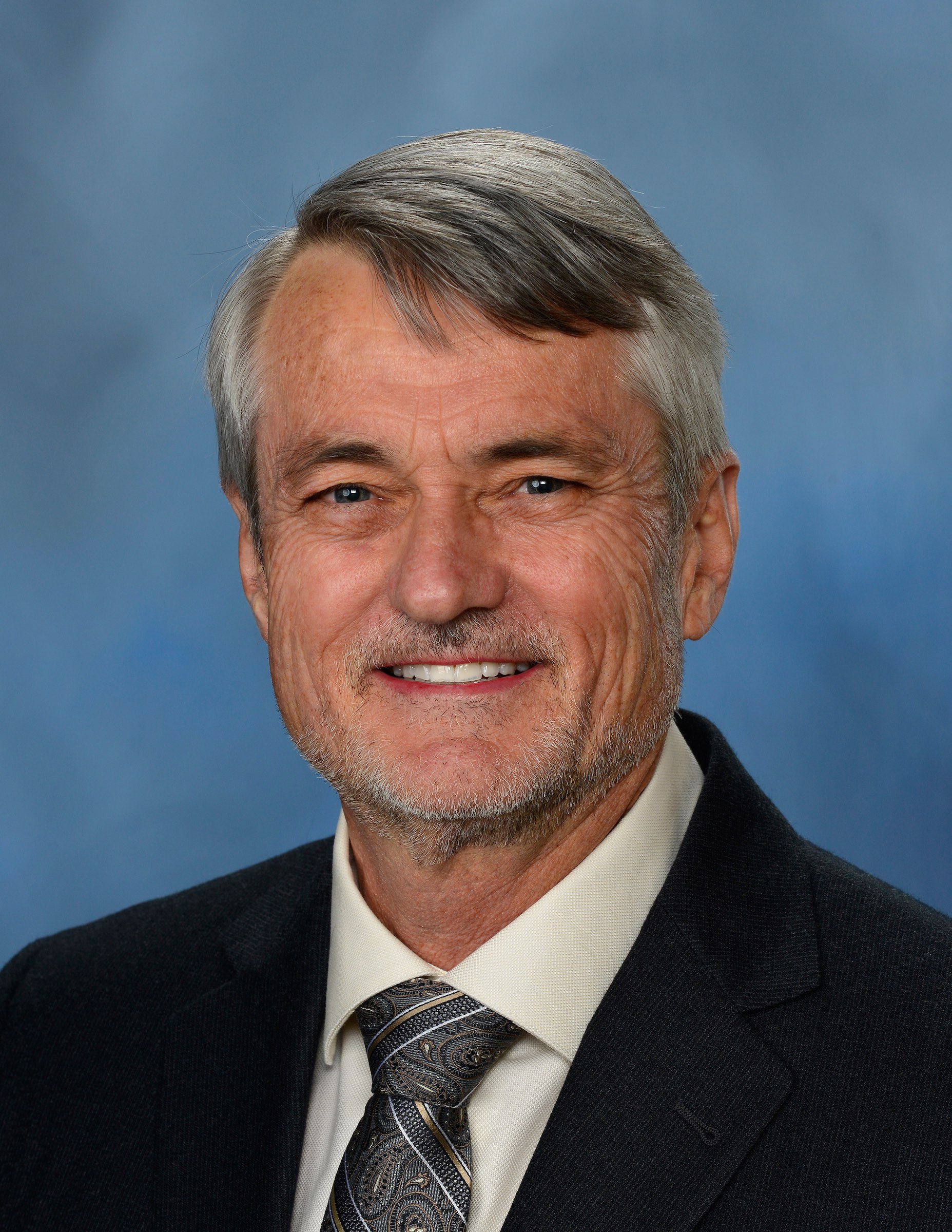
Bob Boyd, professor in the Department of Biological Sciences, has received The Gerald and Emily Leischuck Endowed Presidential Award for Excellence in Teaching as part of the university’s 2016 Faculty Awards, recognizing some of the institution’s most innovative teachers, researchers and scholars for their unique and distinguished contributions to the university’s mission.
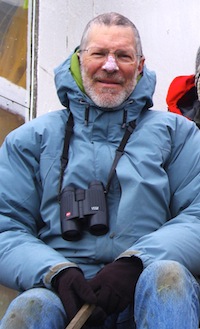
Stephen Dobson, professor in the Department of Biological Sciences, has been selected as an Alumni Professor as part of the university’s 2016 Faculty Awards, recognizing some of the institution’s most innovative teachers, researchers and scholars for their unique and distinguished contributions to the university’s mission. The Alumni Professorship program recognizes tenured faculty members with direct responsibilities in two or more of the institutional missions of instruction, research and outreach.
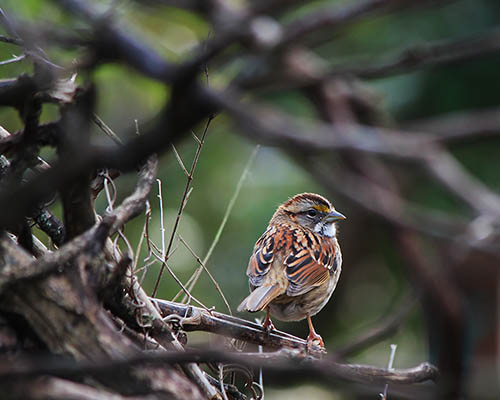
COLUMBUS, Ohio, May 23, 2016 /PRNewswire/ -- College Rank, a website dedicated to ranking and evaluating college programs, has just announced their list of the 30 Most Beautiful College Arboretums. To generate this list, the team at College Rank looked at hundreds of college arboretums from around the country. Arboretums harbor lavish collections of plants, flowers for visitors and students to enjoy. Arboretums also foster educational and conservation efforts put forth by the university. In generating this ranking, we scored criteria based on total size or acreage of the arboretum, educational resources and community outreach programming, various collections that the arboretum maintains and a total number of species that the arboretum boasts.
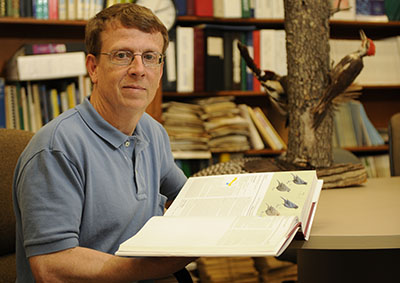
Why do some birds have red feathers? Geoffrey Hill, professor in the Department of Biological Sciences at Auburn University, finally found an answer to this deceptively challenging question. Thanks to modern genomics and a collaborative effort by Hill and an international team of scientists, including colleagues Miguel Carneiro at the University of Porto in Portugal and Joseph Corbo at Washington University in St. Louis, the key gene that enables birds to have red coloring in their feathers and skin is now identified.
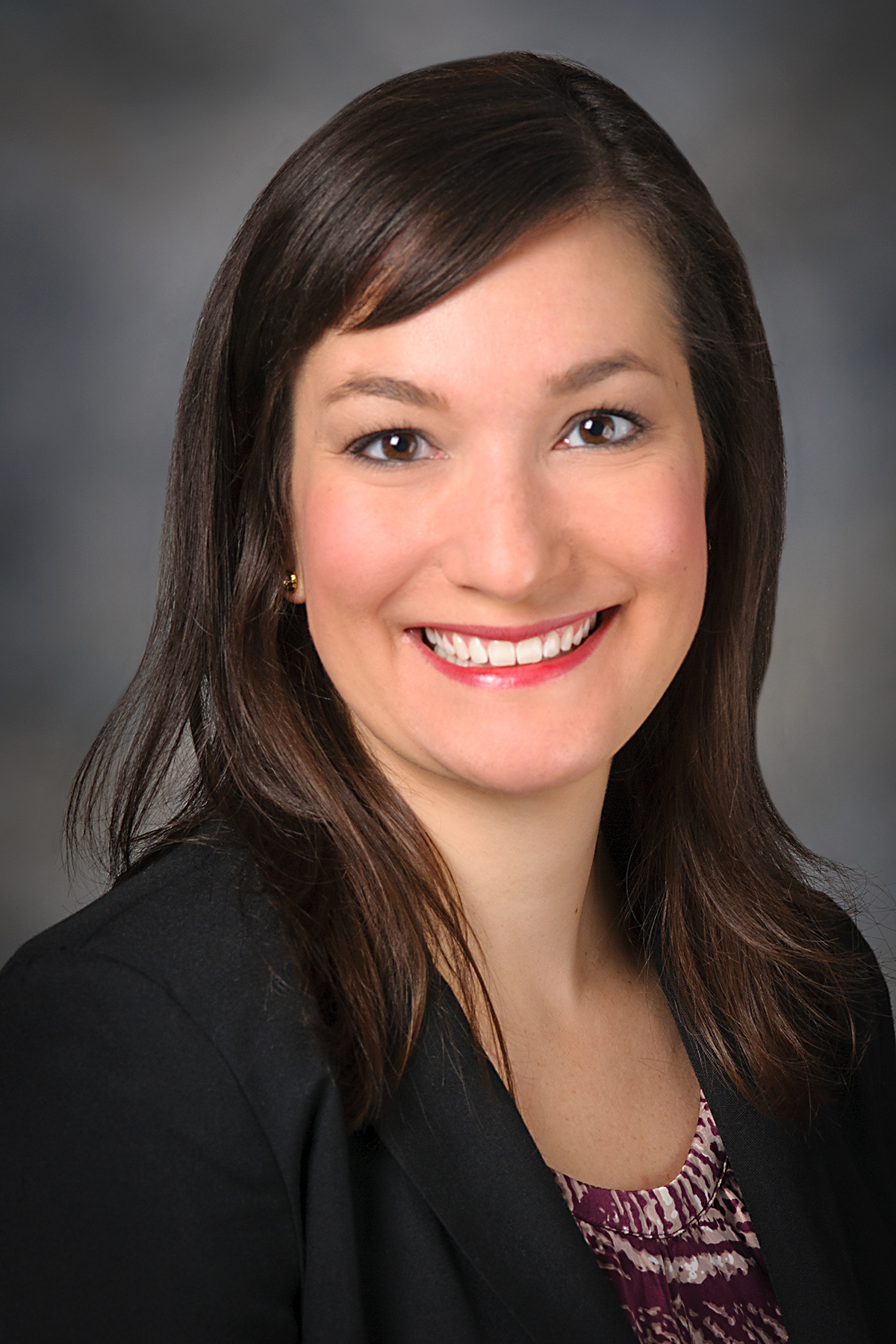
Dr. Emily Roarty, molecular biology ’01, is a scientific manager in the Department of Thoracic/Head and Neck Medical Oncology at MD Anderson in Houston, where she oversees the departmental scientific research program including grants, contracts and the Lung Cancer Moon Shot Program.
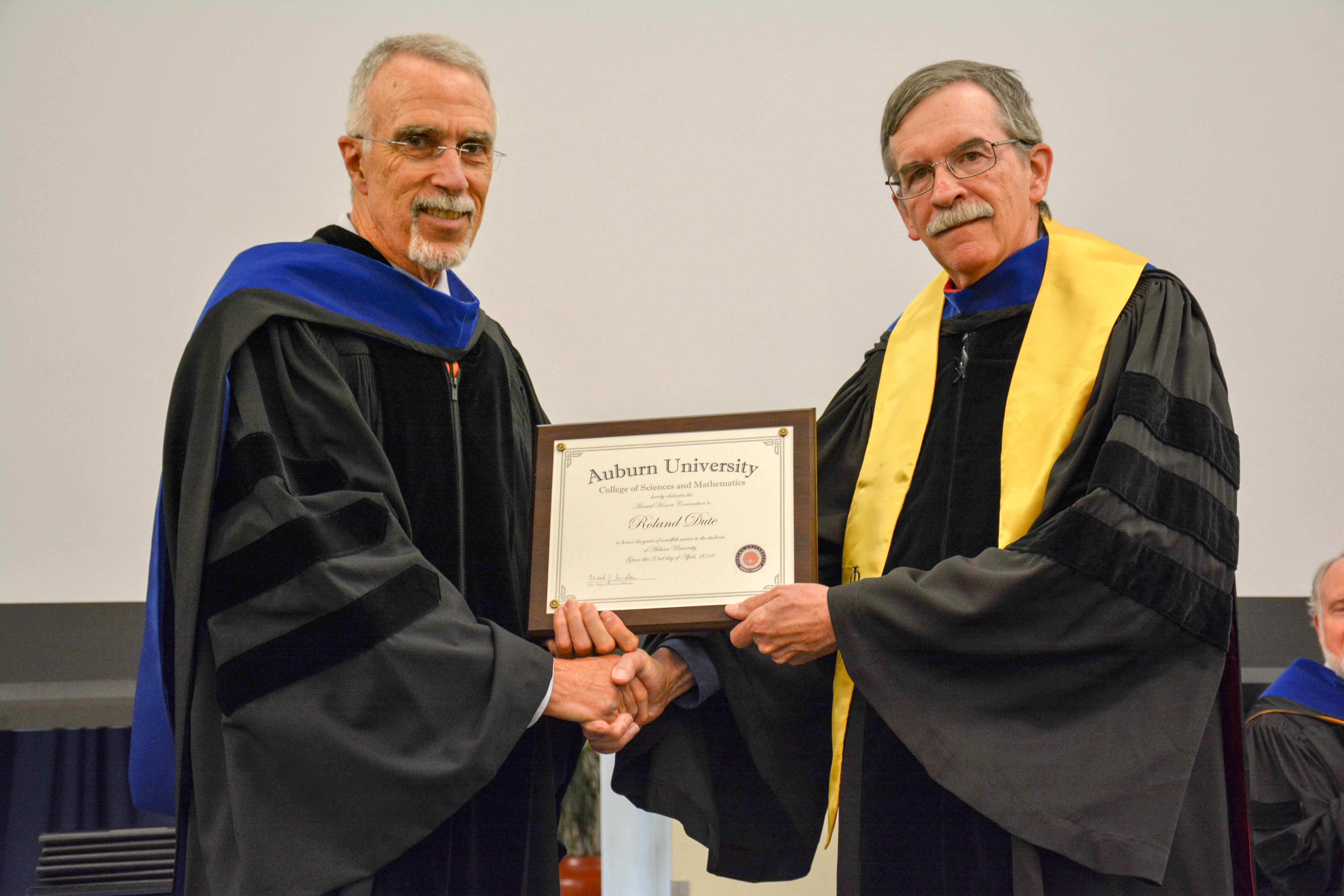
COSAM recognized top students and faculty at the annual Honors Convocation, which took place on April 23 in the Auburn University Student Center Ballroom.
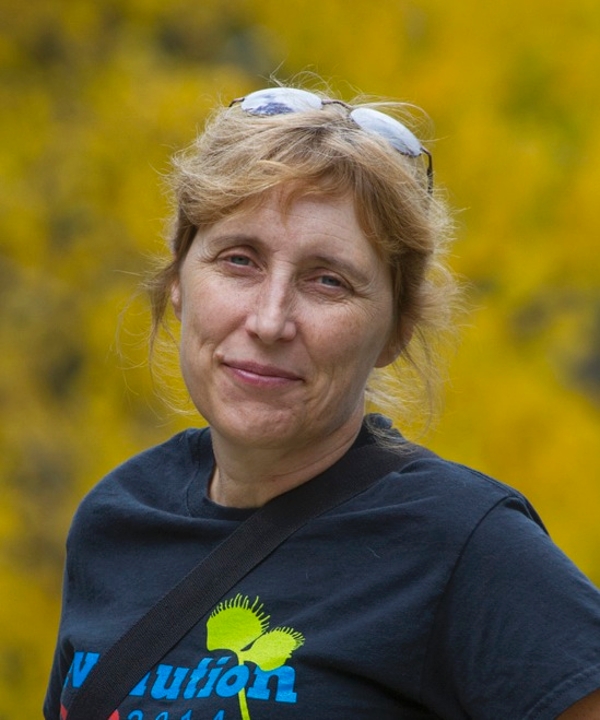
Wendy Hood, professor in the Department of Biological Sciences, is one of six faculty members from across the university to be selected as an Outstanding Graduate Mentor by the Graduate Student Council.
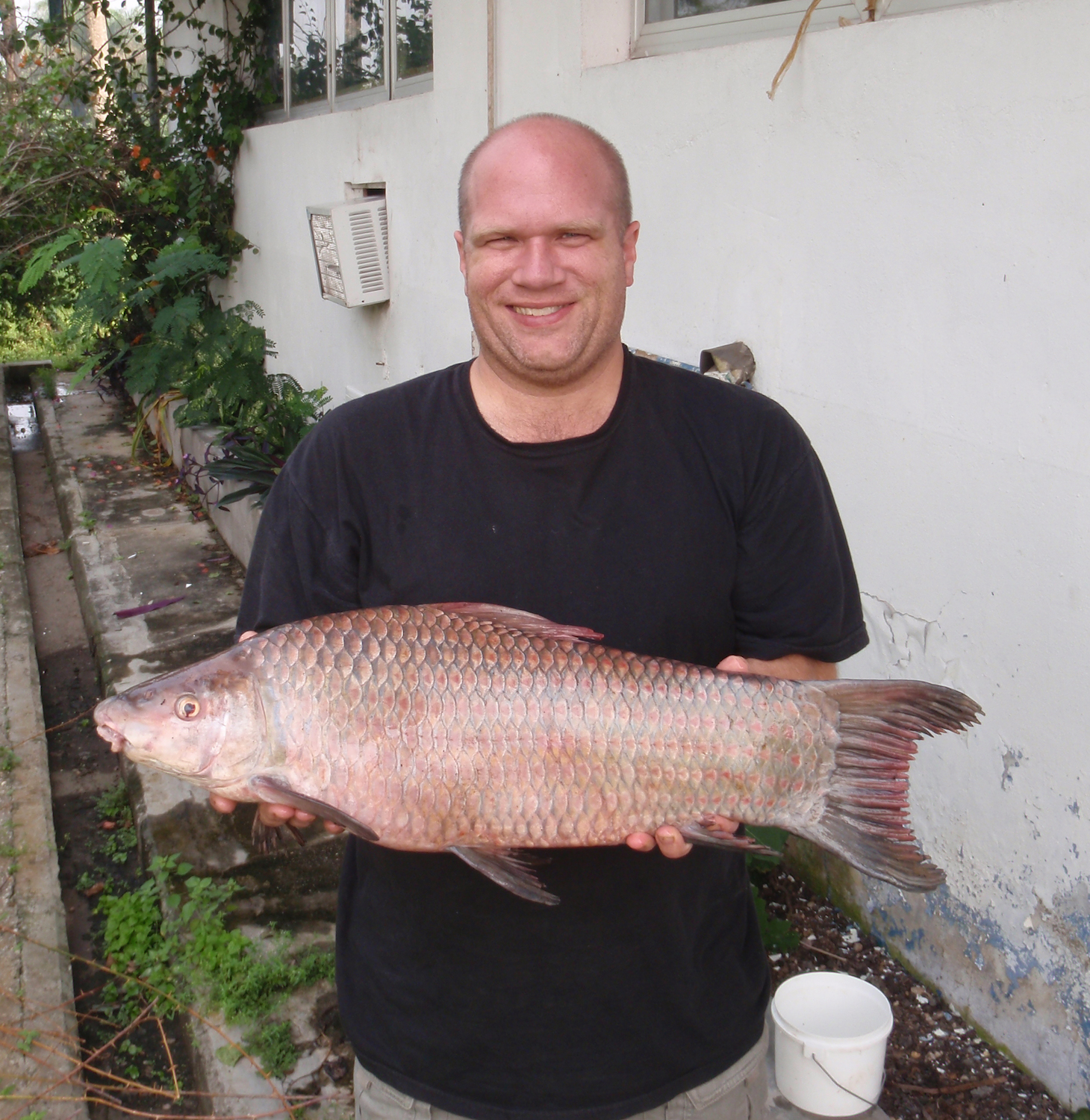
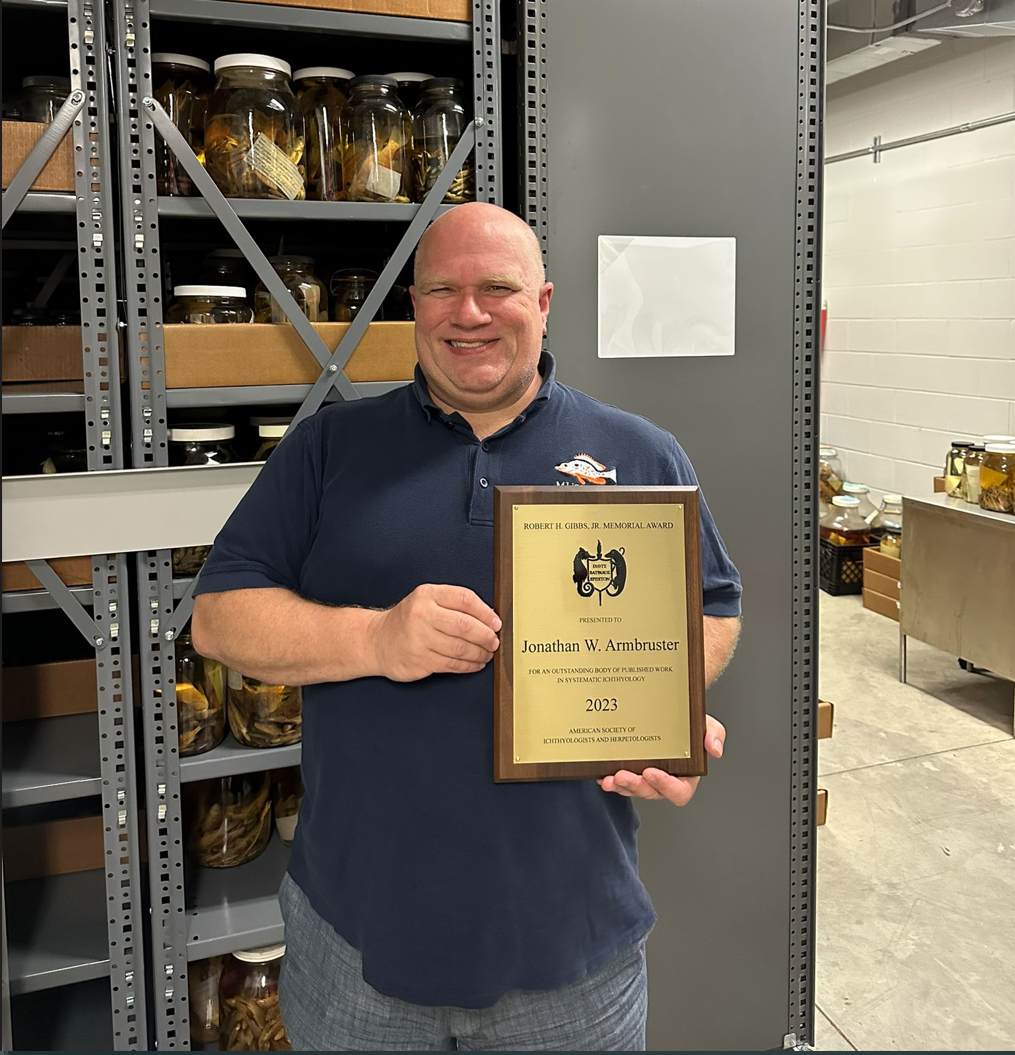
Auburn Professor Jonathan Armbruster has been named the new director of the Auburn University Museum of Natural History in the College of Sciences and Mathematics. His term began April 1. Armbruster joined Auburn in 1998 as an assistant professor. He was named an associate professor in 2003, and an alumni professor in 2007. He has served as curator of the museum’s fish collection where he has grown the collection from 25,000 jars to 65,000, obtained a specimen from every continent and developed online searching capabilities through a database system. His area of research involves the systematics, ecology and functional morphology of fishes, particularly suckermouth armored catfishes, or Loricariidae, the largest family of catfishes in the world, also known as plecos in the aquarium trade. He is also involved in survey work of several regions of South America including Guyana and Venezuela, and also works on local projects involving ecology, behavior and systematics of fishes. Recently, Armbruster has begun collaborative work in a worldwide project, “All Cypriniformes Species Inventory,” which facilitates taxonomic work on minnows. His lab is particularly interested in the barbs of Africa, and relationships of taxa worldwide. As part of this study, he has built a global database of minnow morphology, and will use the information to explore aspects of the evolution of cypriniform ecology and functional diversity. “I have been striving to make the collections at Auburn University into a museum since I arrived in 1998,” said Armbruster. “Now that Dr. (Jason) Bond has ushered us into a new building and upped our community presence, the question becomes what to do next. I hope to begin series of initiatives in teaching and outreach over the next couple of years to further cement the museum’s position in the Auburn University community and beyond.” Armbruster received his bachelor’s and doctorate degrees from the University of Illinois. Before his time at Auburn, he worked as a postdoctoral fellow at the Smithsonian Institution. Throughout his career, Armbruster has secured a number of research grants from the National Science Foundation, Alabama Department of Conservation and Natural Resources, and National Geographic, among many others. Aside from his extensive research, Armbruster has instructed many undergraduate and graduate-level courses including comparative anatomy, evolution and systematics, and systematic ichthyology. Armbruster has guided many graduate students to make new discoveries and publish their own work. Armbruster has given a number of lectures, received numerous awards for teaching and research, participated in many outreach events and has authored dozens of publications. He garnered international media attention in 2015 after naming a previously unknown species of catfish in honor of the Star Wars character, Greedo.
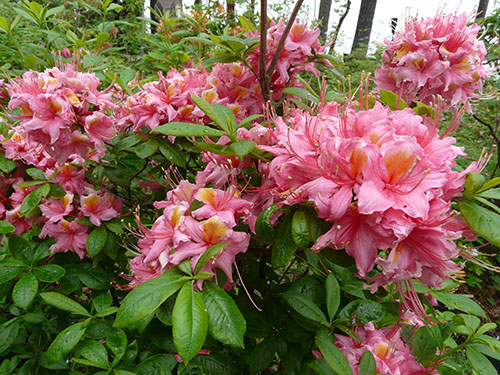
Auburn University is brimming with tradition. Our popular mascot, Aubie, our “War Eagle” battle cry, rolling Toomer’s Corner, the eagle’s flight at football games, and the Auburn Creed are, perhaps, the most widely celebrated traditions at Auburn. But each spring as delicious shades of orange, yellow, purple, red and pink appear throughout campus, one can be reminded of a lesser-known university tradition with roots extending many decades into the past – the tradition of preserving and hybridizing our native azaleas for future generations to enjoy. The native beauties are scattered around campus and represent the tireless dedication of Auburn scientists, faculty and staff. As such, many of the native hybrid azaleas planted at the university are included in the new Auburn Azalea series, which is now available to the public through the College of Sciences and Mathematics Donald E. Davis Arboretum. The series includes spectacular cultivars such as ‘Samford Sorbet,’ ‘Tiger,’ ‘Aubie,’ ‘War Eagle,’ ‘Plainsman’ and more.
Take your best shot, and get it ready for the Arboretum’s annual Arbor Day Photo Contest! The entries will be on display in Biggin Hall from April 17th – April 26th. The awards will be announced on our website and hung on the photos on Friday, April 24th.
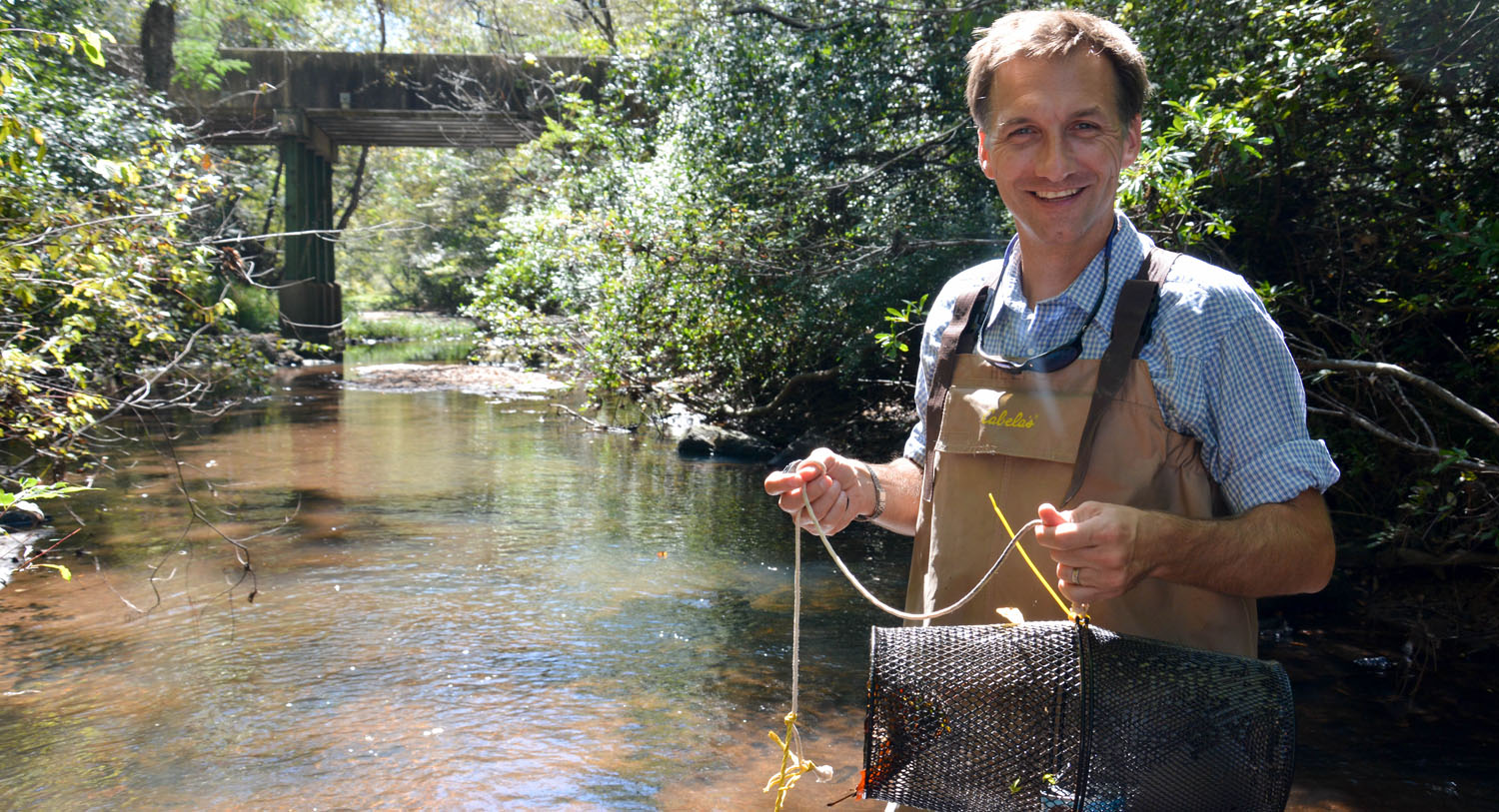
Crayfish, crawfish, crawdad, mudbug – for most people, these names refer to a delectable crustacean commonly served boiled. For two Auburn University scientists, a crayfish is an enigmatic creature with a genetic heritage that is as much mysterious as it is fascinating.
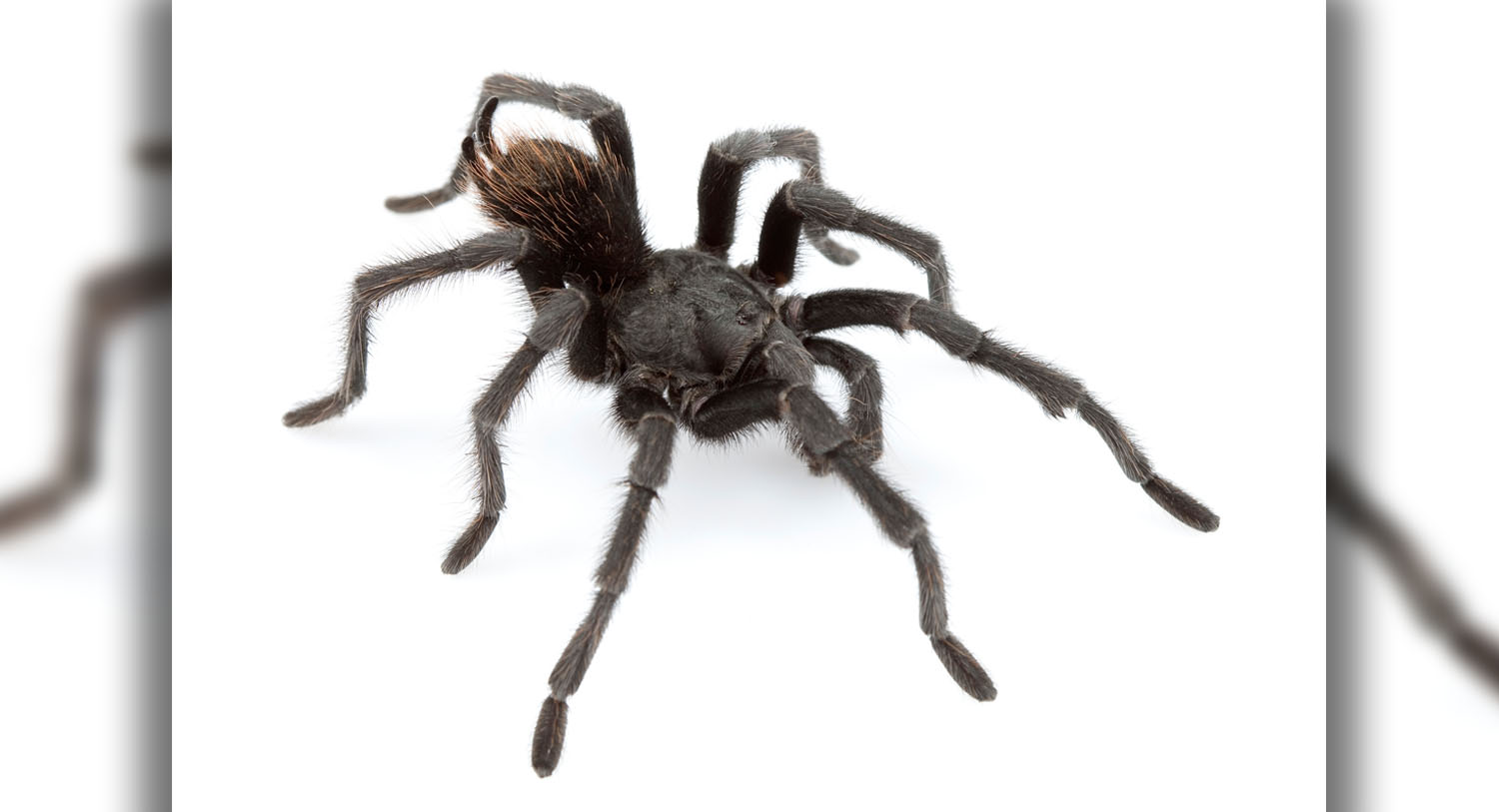
A team of researchers, led by Chris Hamilton, former doctoral student in the Department of Biological Sciences at Auburn University, has discovered a previously unknown species of tarantula and named it after legendary singer-songwriter Johnny Cash.
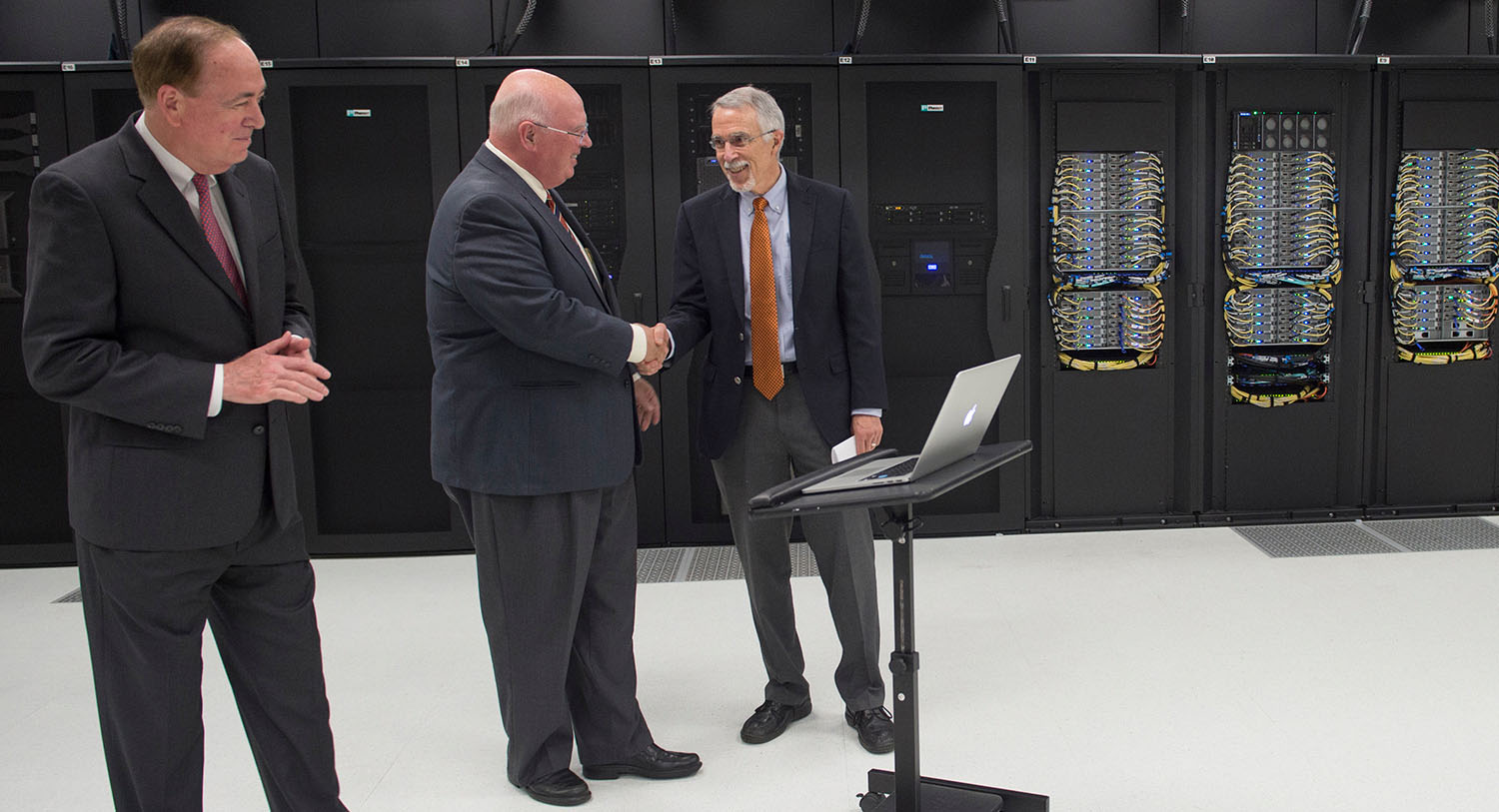
Auburn University unveiled a new $1 million supercomputer that will enhance research across campus, from microscopic gene sequencing to huge engineering tasks. The university is also initiating a plan to purchase a new one every few years as research needs evolve and expand. The College of Sciences and Mathematics’ Dean Nicholas Giordano, along with Bliss Bailey, chief information officer in the Office of Information Technology, led the effort to bring the new supercomputer to the university.
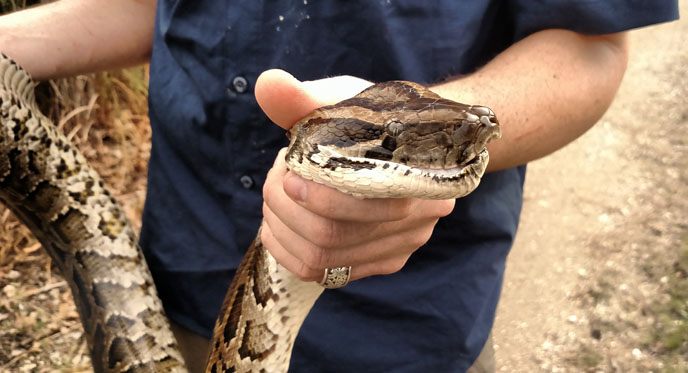
A team led by Auburn University biologist David Steen is participating in the 2016 Python Challenge in south Florida. The event, sponsored by the Florida Fish and Wildlife Conservation Commission and the Fish and Wildlife Foundation of Florida, is geared toward eradicating the Burmese Python from the region and raising awareness of the serious consequences posed to the environment by the invasive predators.
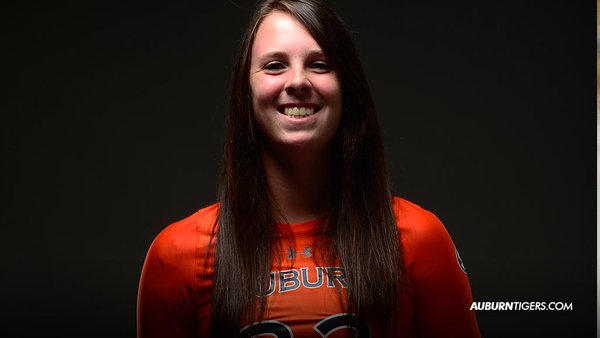
Stephanie Campbell, a double major in animal sciences and microbial, molecular and cellular biology, has been nominated for the prestigious Barry M. Goldwater Scholarship.
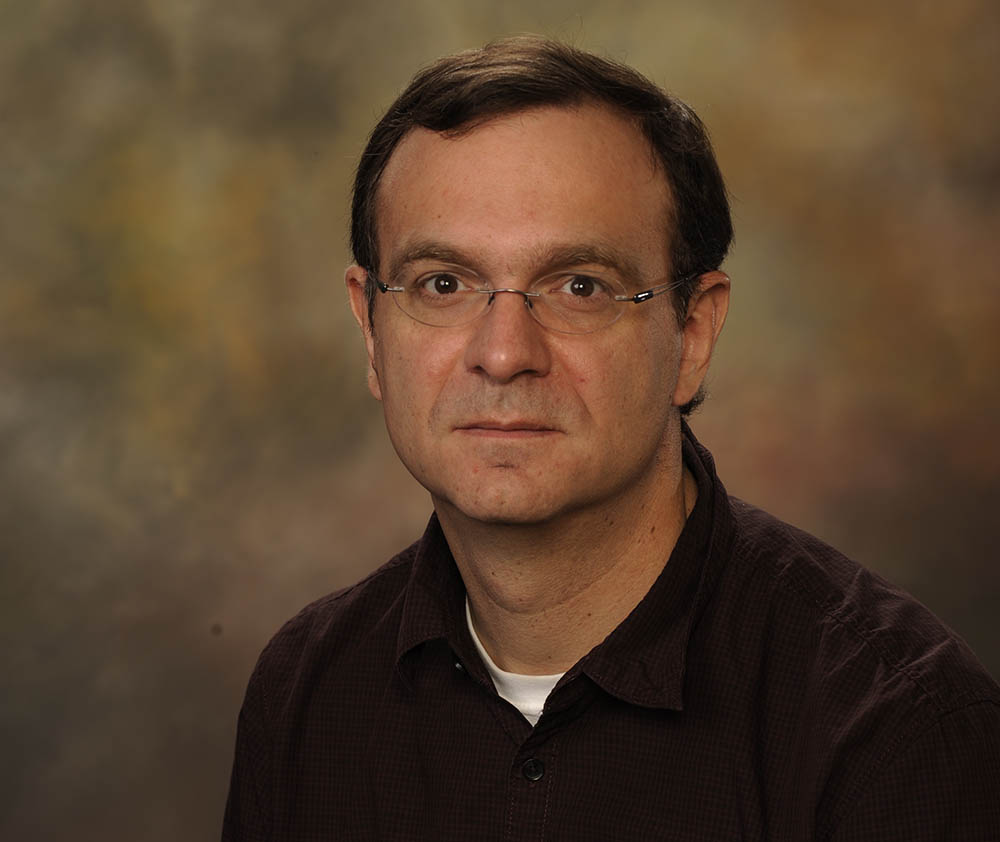
Auburn Professor Jason Bond was named the new chair of the Department of Biological Sciences. His term begins January 1, 2016. Bond received a bachelor of science in biology from Western Carolina University, and both his master of science in biology and his doctor of philosophy in evolutionary systematics and genetics from Virginia Polytechnic Institute and State University. He was a postdoc at The Field Museum in Chicago and a professor at East Carolina University in Greenville, N.C., prior to coming to Auburn.
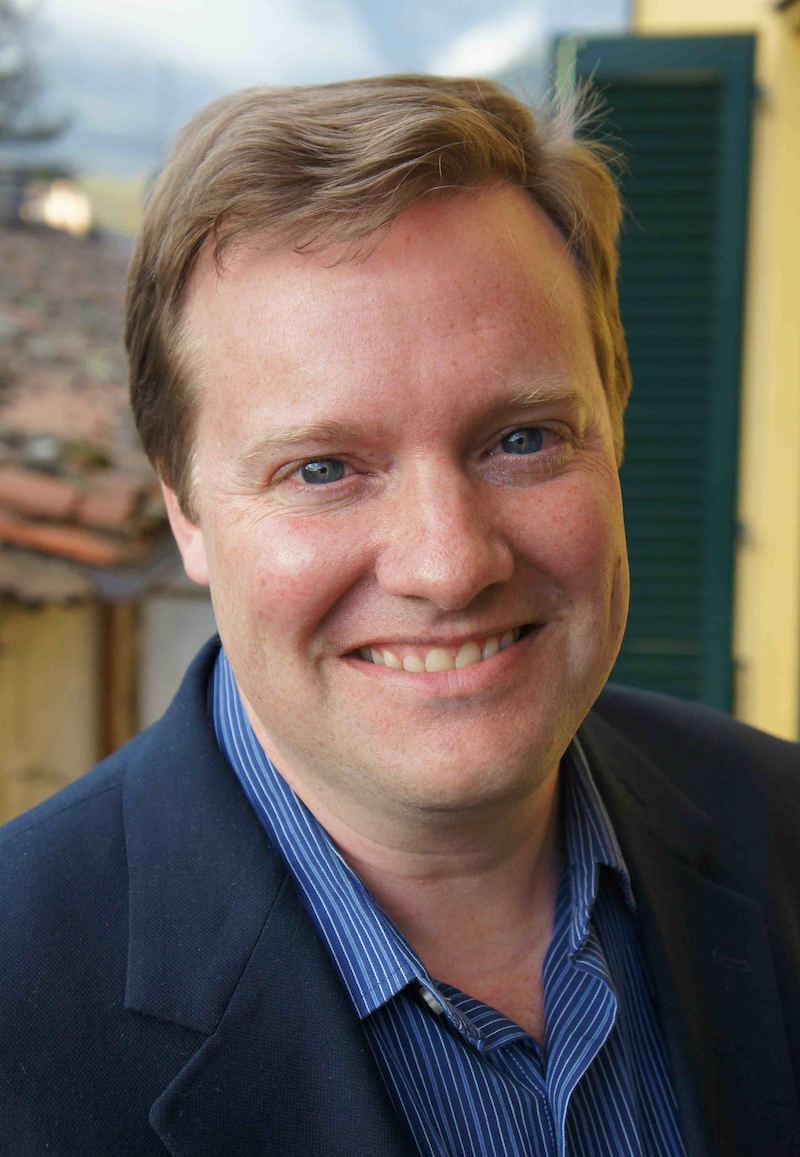
Mark Liles, associate professor in the Department of Biological Sciences, is one of two Auburn University professors who have been awarded Alabama Innovation Fund grants through the Alabama Department of Commerce for research involving efficient energy systems and catfish vaccines.
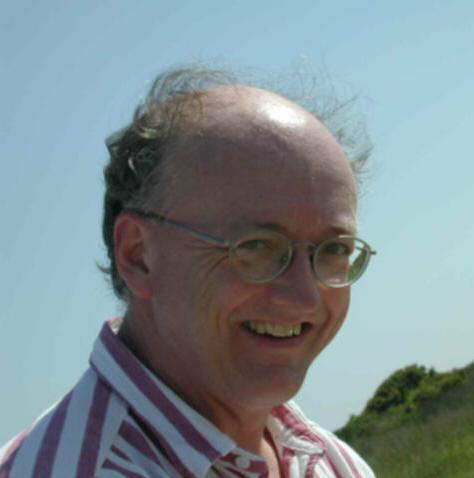
Tony Moss, associate professor in the Department of Biological Sciences, has been selected to receive the 2015 Magic Touch award by Invitrogen, a company known for its genetic engineering products.
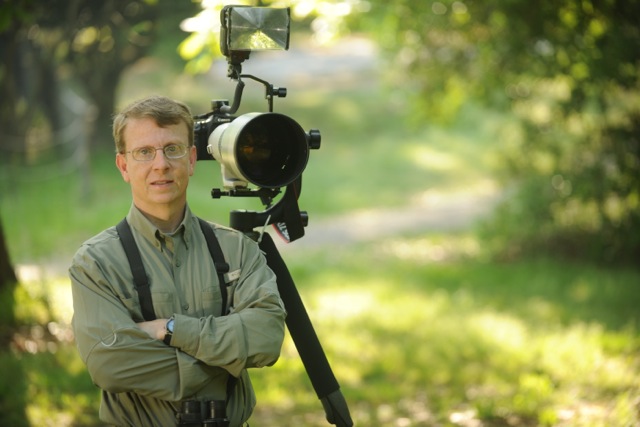
Auburn University ornithologist Geoffrey Hill is the recipient of the inaugural Research Advisory Board Advancement of Research and Scholarship Achievement Award for his accomplishments and innovative research during his 22 year career.
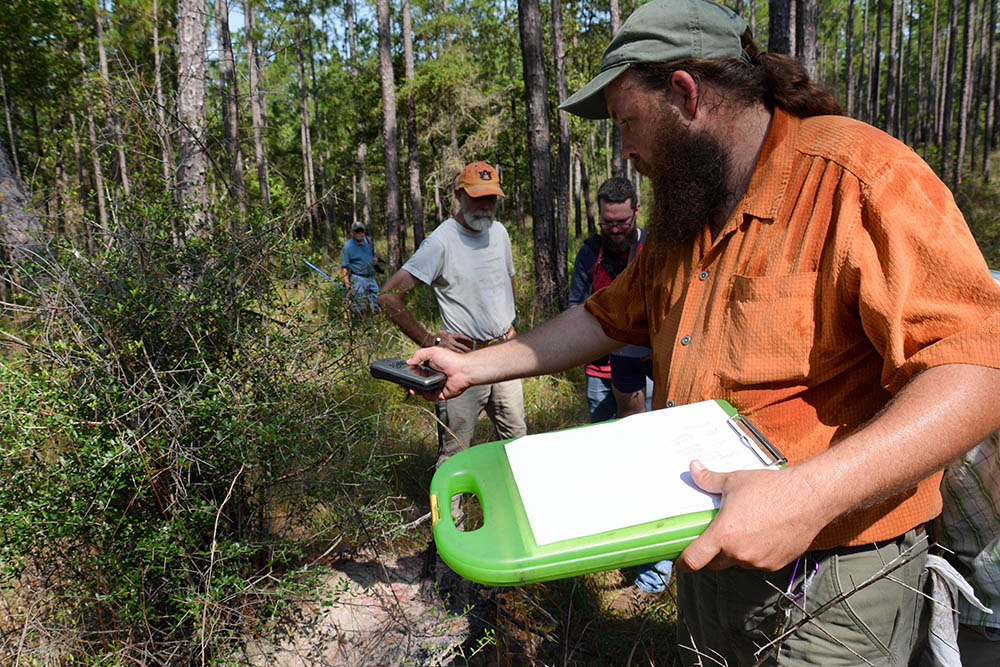
Auburn University is coordinating an effort to reestablish the eastern indigo snake in its native habitat in south Alabama. The Alabama Department of Conservation and Natural Resources produced a video about the project.
Scientists from the Auburn University Museum of Natural History and the Natural Heritage Program released nine threatened indigo snakes into Conecuh National Forest in south Alabama on July 24.
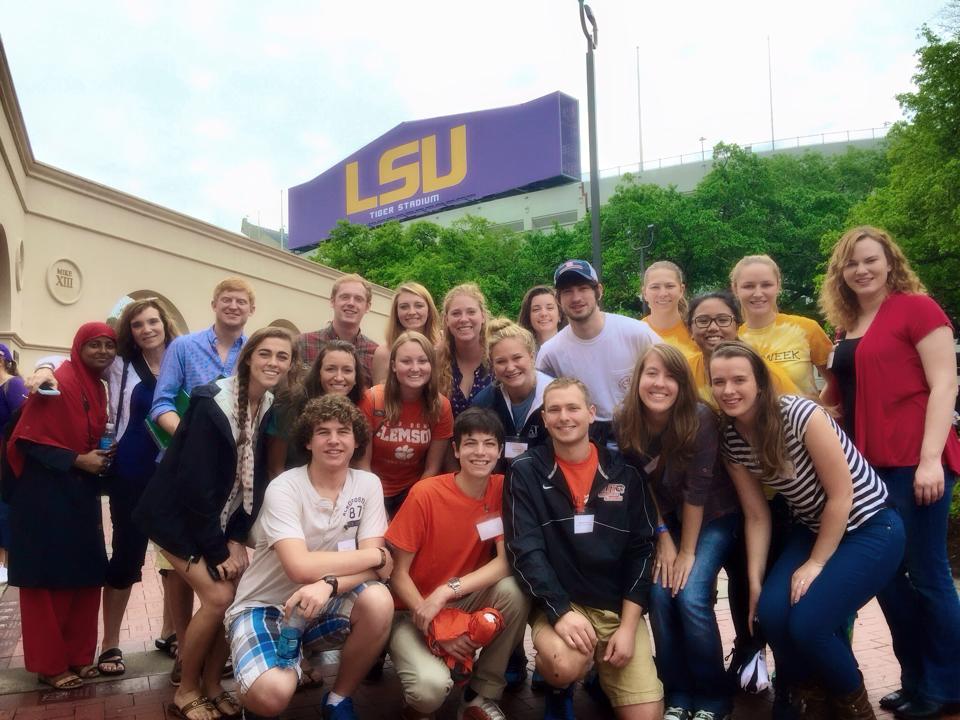
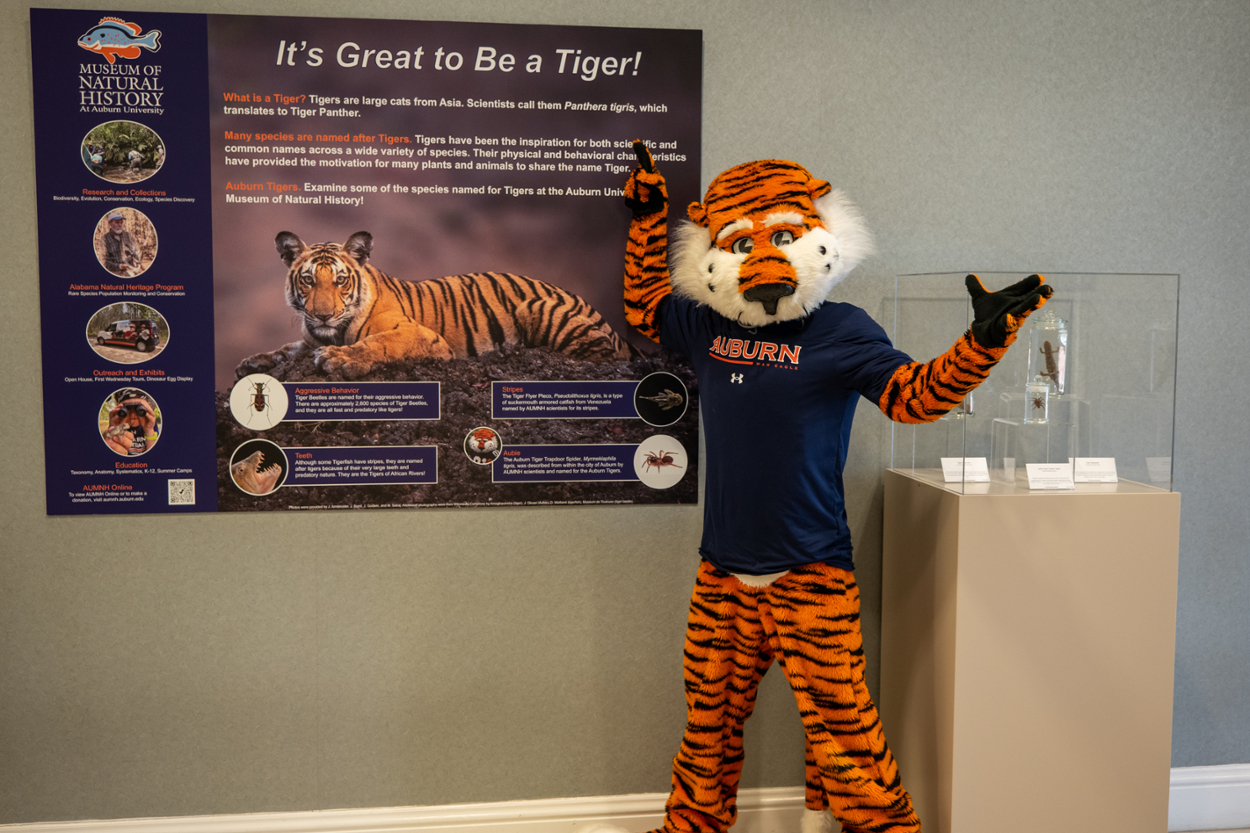
Students from the Department of Biological Sciences have teamed up with Tigers for Tigers, a national coalition that joins academic institutions that have a tiger mascot to help spread awareness of the survival challenges tigers face, including habitat destruction, poaching and pet trade.
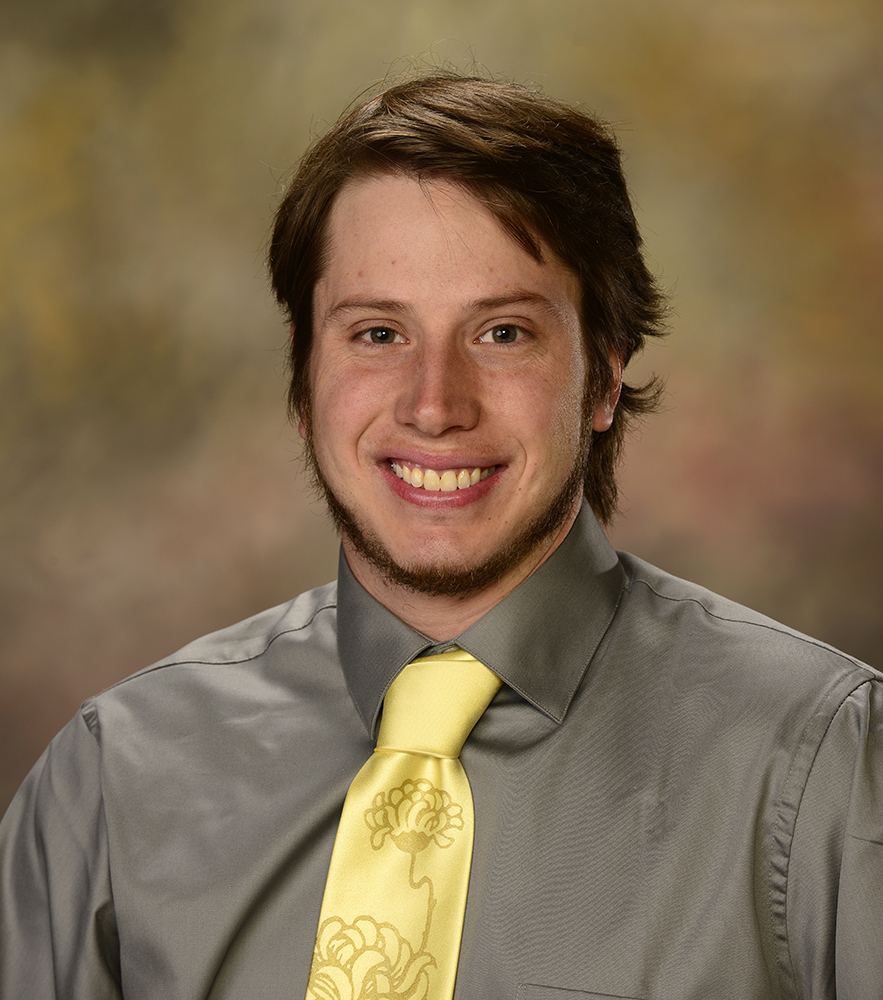
Justin Havird, a 2014 doctoral graduate of the Department of Biological Sciences, has been selected as a winner of the Graduate School’s Distinguished Dissertation Awards.
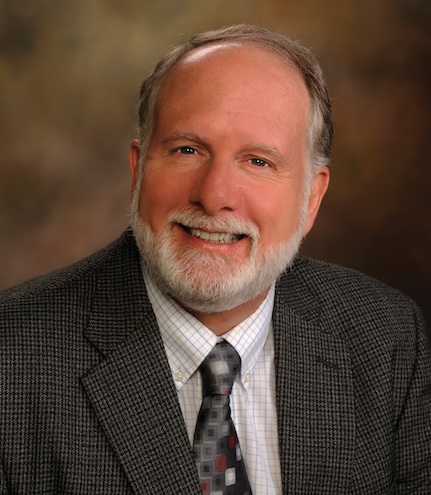
Jack Feminella, professor and chair of the Department of Biological Sciences, was appointed to succeed Vince Cammarata as COSAM's associate dean for academic affairs.
Assistant Professor Wendy Hood of the Department of Biological Sciences received a five-year, $1,032,465 CAREER Award from the National Science Foundation for her proposal, “Effects of mitohormesis on reproduction and longevity.” The Faculty Early Career Development, or CAREER, Program is a foundation-wide activity that offers the National Science Foundation's most prestigious awards in support of junior faculty who exemplify the role of teacher-scholars through outstanding research, excellent education and the integration of education and research within the context of the mission of their organizations.
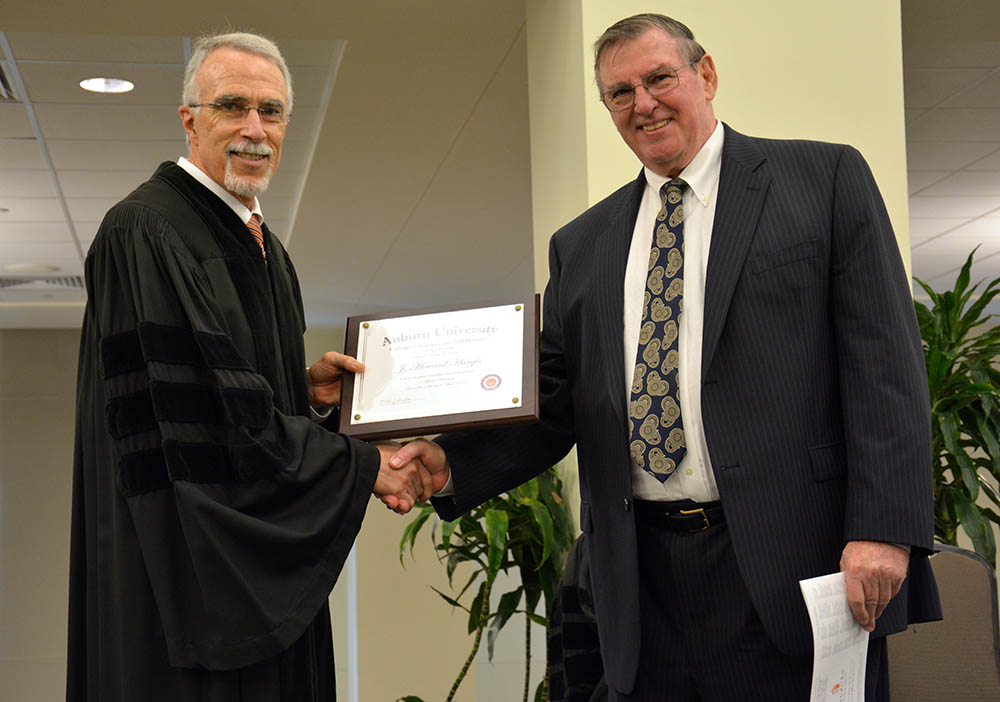
COSAM awarded top students and faculty at the annual Honors Convocation on April 25. This year, the convocation was held in honor of Howard Hargis, former head of the Department of Chemistry and Biochemistry. Hargis retired in 2004 after 34 years as a professor at Auburn. During the ceremony, students were recognized for outstanding academic achievement for the 2014-2015 academic year.
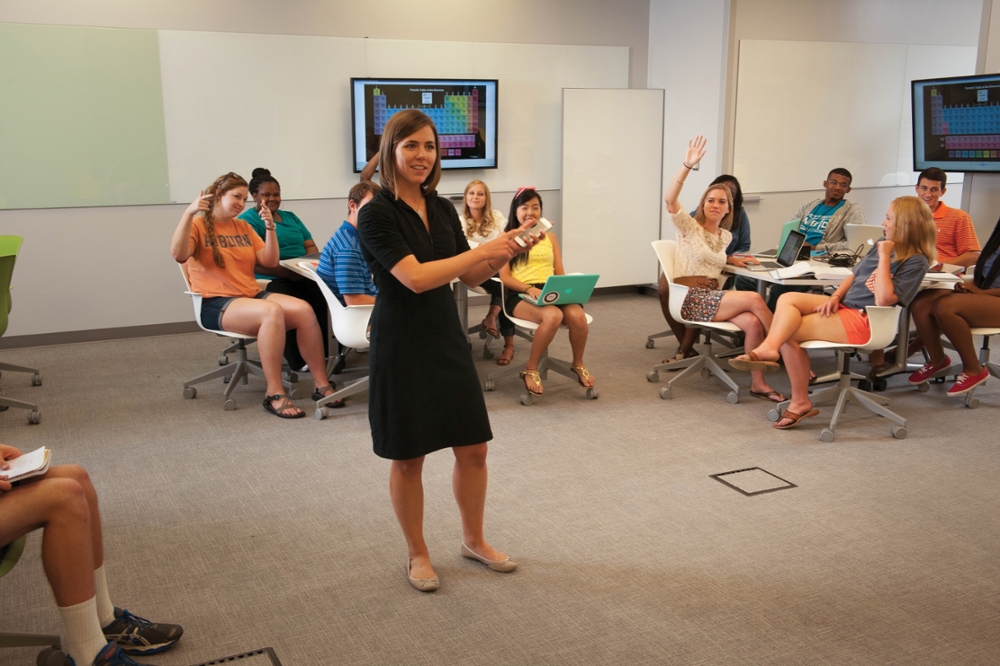
Auburn University's College of Sciences and Mathematics is "flipping the classroom" as part of an innovative way to teach Auburn students through a newly constructed Engaged in Active Student Learning, or EASL, classroom. Working with the Office of the Provost, the college is leading Auburn's effort on the unusual design since all Auburn students must take core classes in the college prior to graduating. "In contrast to traditional classrooms where faculty teach 'at' students, often in stadium-style rooms, this room was designed to encourage teacher-student interactions, and student-student collaborations, two aspects which are known to lead to improved learning outcomes," said COSAM Dean Nicholas Giordano. "COSAM faculty spent many months preparing to use the EASL classroom as effectively as possible in their teaching, and the new space was ready to use at the beginning of the fall 2014 semester."
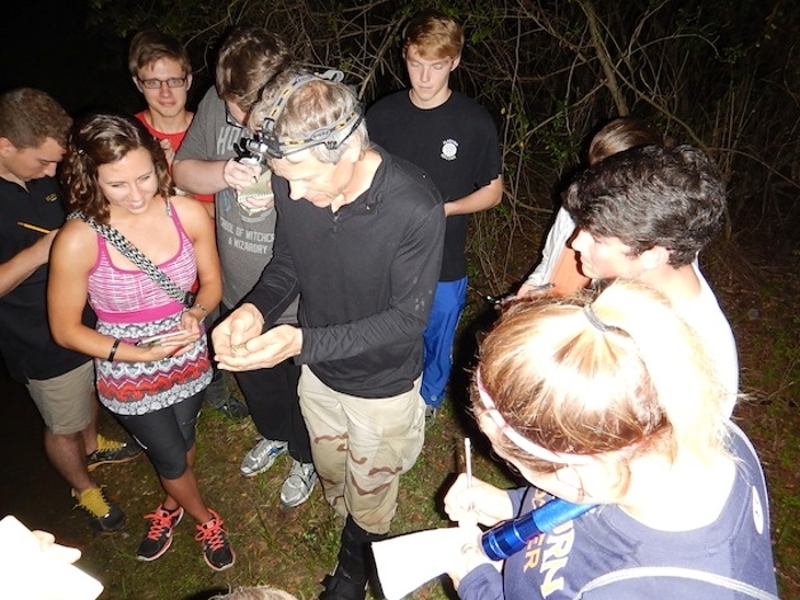
SCB and Honors Biology hold night swamp walk
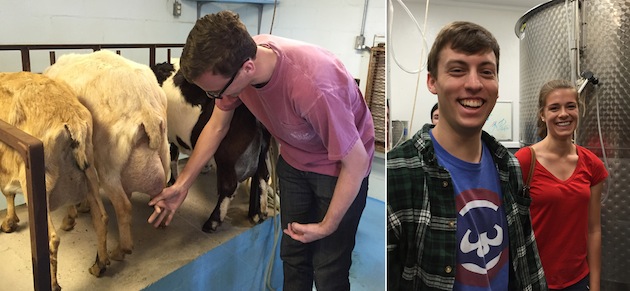
Microbiology Club hosts Cheese and Wine Field Trip!
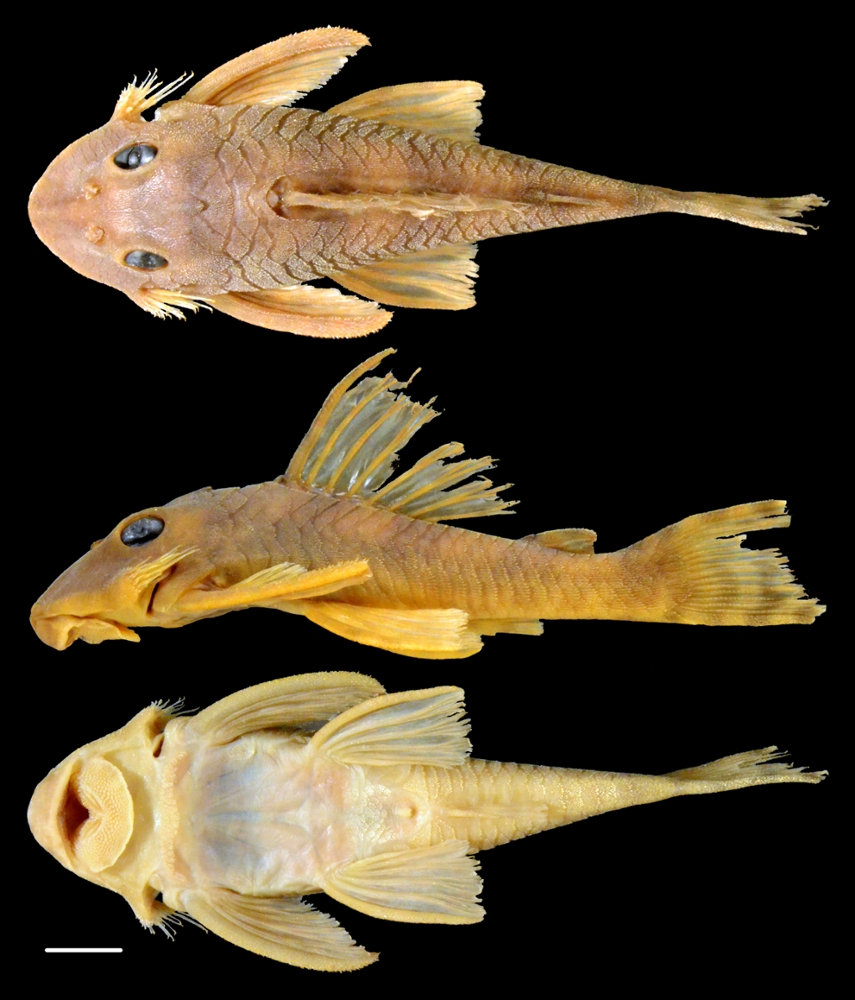
Jonathan Armbruster, biological sciences professor and curator of fishes for the Auburn University Museum of Natural History, has named a previously unknown species of catfish in honor of the enigmatic Star Wars fan favorite, Greedo. The suckermouth armored catfish, Peckoltia greedoi, was found along the Gurupi River in Brazil and is known physically for its large, dark eyes, sucker mouth and protruding bristles. Armbruster, along with David Werneke, Milton Tan and Chris Hamilton, all of the Department of Biological Sciences, were examining the specimen for characteristics when they made the connection.
The Auburn University Museum of Natural History and the Department of Biological Sciences have a new annual scholarship program, Excellence in Environmental Sciences.
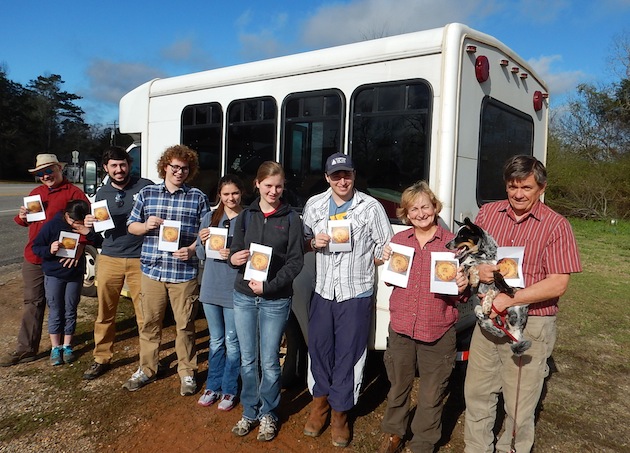
A small but mighty combined force of 5 students from our AU Society for Conservation Biology chapter and Honors Biology (BIOL 1037) traveled to Haines Island Park (Monroe Co. AL) to help the Alabama Plant Conservation Alliance control invasive plants. The event took place on March 14 (3/14/15), National Pi Day, when the date and time shortly following 9:26:53 would represent the value of Pi. We commemorated that moment by taking a group photo with everyone holding a photo of a Pi pie! Besides interesting biological findings, we helped control much invasive privet at the park. And of course during lunch we enjoyed some pie for dessert!
Once again it’s time to start thinking about your entries for the annual Davis Arboretum Photo Contest! It’s your photographs that give us the amazing selection of images to choose from for our Arboretum calendar. The entries will be on display in Biggin Hall from April 17th – April 26th. The awards will be announced on our website and hung on the photos on Friday, April 24th.
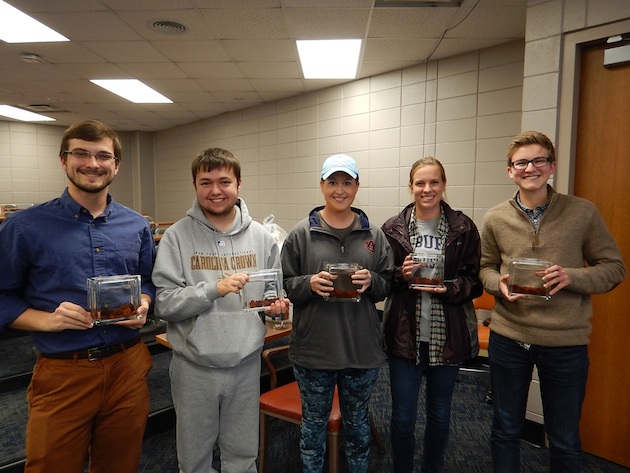
Biology Clubs hold the 2nd Biology Trivia Night!
From May 11-15, the Department of Biological Sciences will offer a "Bioinformatics Bootcamp" where instructors Scott Santos, Les Goertzen and Ken Halanych will introduce participants to bioinformatic tools and computational biology workflows.
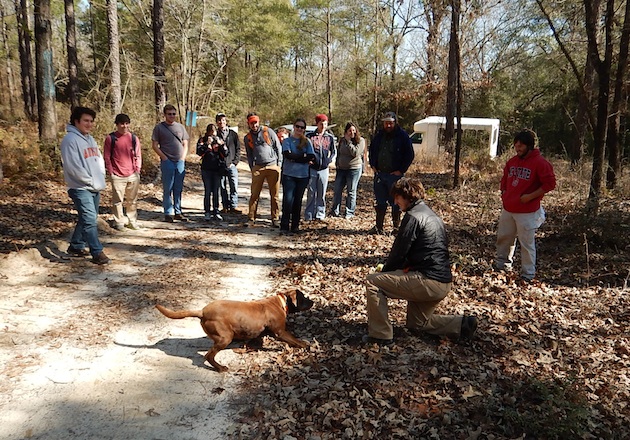
Auburn University’s chapter of the Society for Conservation Biology (SCB) continued its involvement with the Alabama Indigo Snake Reintroduction Project on Saturday, February 14, 2015. The hope was that we could find some snakes basking around the gopher tortoise burrows that they use as homes in winter. We were especially hoping to find juvenile snakes, as that would indicate the reintroduced population is starting to reproduce. SCB members were joined by some students from the Honors Organismal Biology class so that we had a good sized crowd of 10 students.
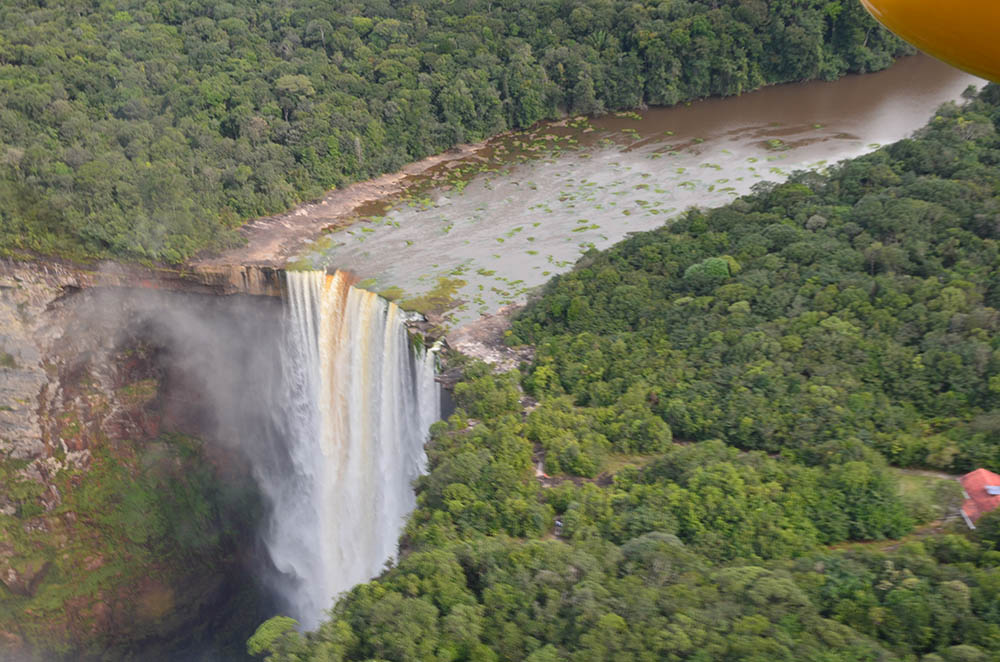
Jonathan Armbruster, of the Department of Biological Sciences, received a grant from the Coypu Foundation Trust to study the fish fauna of the upper Ireng River in Guyana, a country in Northern South America formerly known as British Guiana. Armbruster is currently studying when fishes moved into or became isolated within the high Pakaraima Mountains and the diversity of fishes there.
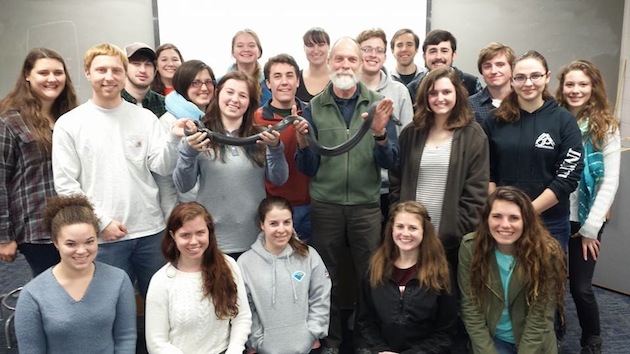
The February meeting of the AU Society for Conservation Biology featured Jim Godwin talking about the indigo snake reintroduction project. Members got to meet a 6 foot long snake and are invited to participate in field work at Conecuh National Forest on Feb. 14 and Mar. 3 (both Saturdays). We also heard about plans to restart our Tigers 4 Tigers Committee, as well as plans for other Spring Semester activities.
Richard Mariita, a graduate student in the Department of Biological Sciences, won 2nd place at the National Science Foundation's Experimental Program to Stimulate Competitive Research (EPSCoR) Science and Technology Open House in Montgomery. Mariita presented his poster, "Seasonal Variability in the Diversity of Microbial Assemblages and Antibiotic Resistance Determinants of an Estuary System."
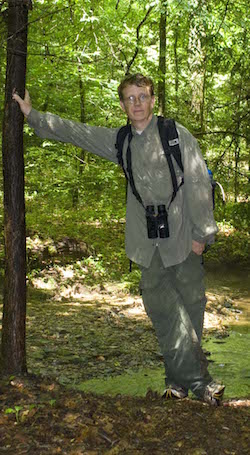
Two ornithologists familiar to readers of BirdWatching magazine received high honors from the American Ornithologists’ Union (AOU) recently. One of them is AU DBS's Dr. Geoff Hill.
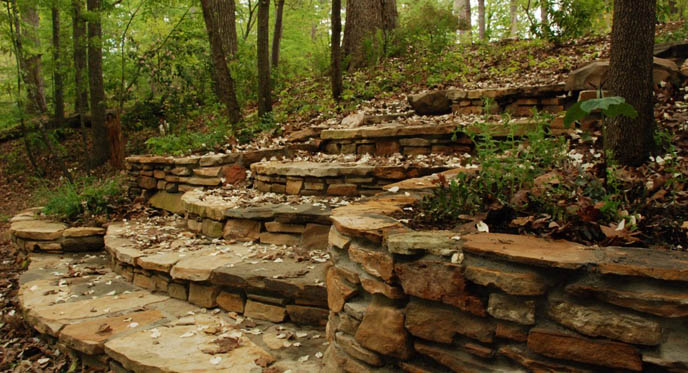
The Donald E. Davis Arboretum was recently listed in as one of the “50 Most Stunning University Gardens and Arboretums.” Listed at number 35, the Davis Arboretum is home to more than 650 species of plants native to the Southeastern United States. Auburn’s geographic position at the Fall Line, where the rocky uplands of Alabama meet the sandy coastal plains, allows the Davis Arboretum to display a diverse collection of plants that flourish both north and south of the Fall Line.
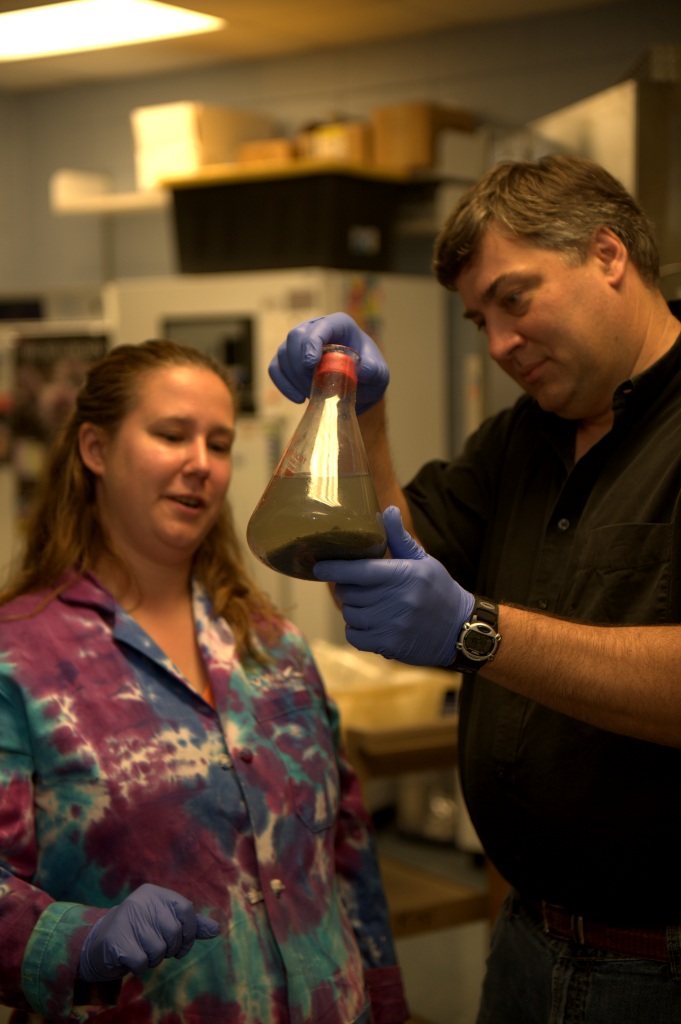
AUBURN UNIVERSITY – The results are in on Deepwater Horizon oil spill research conducted by an Auburn University postdoctoral researcher, and her study indicates microscopic animals at the base of the food web that were harmed during the 2010 oil spill have recovered. The researcher, Pamela Brannock of the Department of Biological Sciences in Auburn’s College of Sciences and Mathematics, or COSAM, together with a team from Auburn Professor Kenneth Halanych’s lab and the University of Texas San Antonio, gathered and analyzed sediment samples taken before and after the oil reached Dauphin Island. The samples provided a basis for comparison to assess how the microscopic communities of marine invertebrates that live between the sand grains, or meiofauna, fared the oil spill.
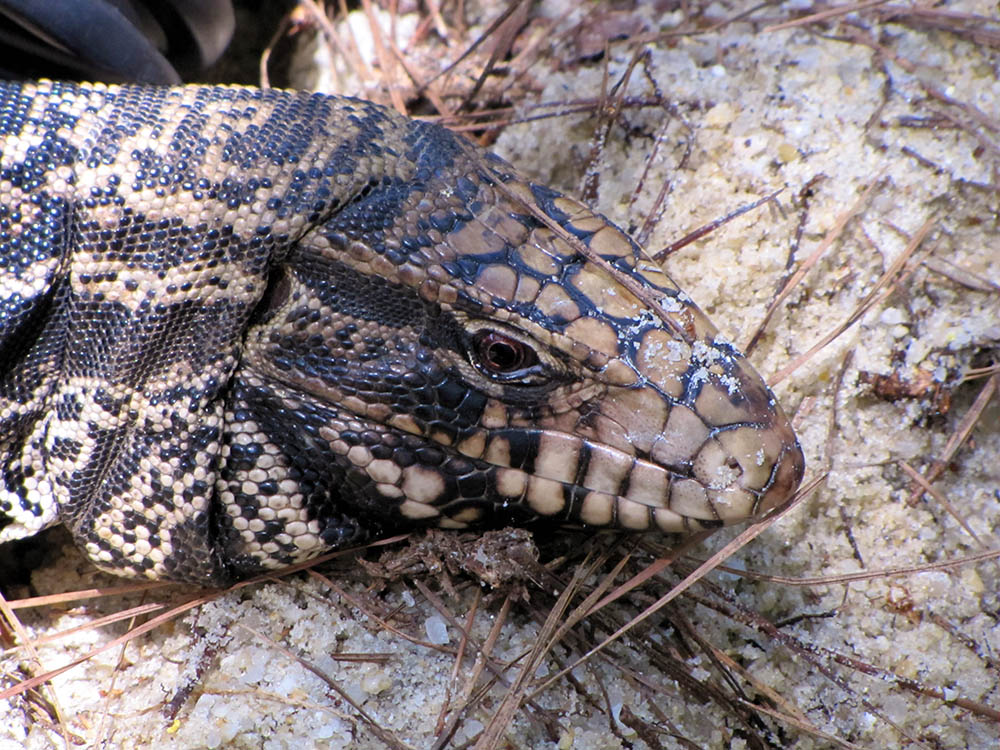
AUBURN UNIVERSITY – Alabama could potentially be the new home of the Argentine Black and White Tegu, a large predatory lizard reaching 4 feet in length and more than 10 pounds. The tegus, native to South America, have made their way to southern Florida where they are rapidly flourishing. The lizards are known to eat small mammals, birds and most importantly, other reptile eggs, which presents a threat to alligators and the rare gopher tortoise, both native to the Southeast.
The Auburn University Museum of Natural History held an open house on Saturday, Nov. 8, providing an opportunity for the community to meet the curators and explore the more than 1 million specimens found in the museum’s eight collections.
Researchers from the Molette Biology Laboratory for Environmental and Climate Change Studies recently published a paper in Current Biology. The paper, titled “Phylogenomic Resolution of the Hemichordate and Echinoderm Clade,” includes work by authors Scott Santos, associate professor of Biological Sciences, Damien Waits, a graduate student in biological sciences, and Kenneth Halanych, the Stewart Schneller Endowed Chair in the Department of Biological Sciences.
Professor Robert Boyd of the Department of Biological Sciences is co-editor of a new book that was recently published, “Plant Ecology and Evolution in Harsh Environments.” The book provides updated coverage on how plants respond to stressful environments and includes chapters on challenges such as climate change and how plants can be used to clean up pollutants. The 426-page book is for botanists and ecologists who are studying how plants evolve and adapt to stress, and provides some full-color photographs and illustrations, as well as the most up-to-date field research. In total, the book has 16 chapters with 46 contributing authors and was written primarily by teams of international experts.
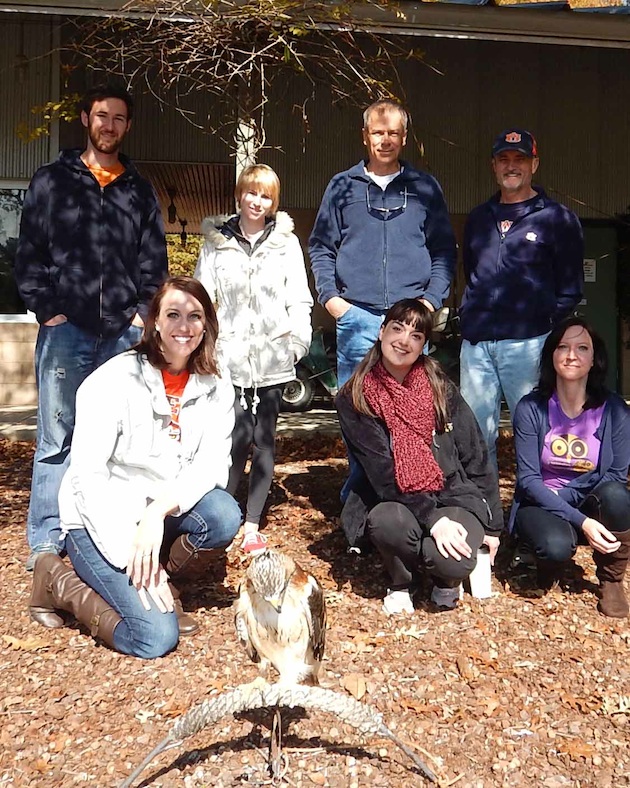
SCB gets behind-the-scenes tour of AU Raptor Center
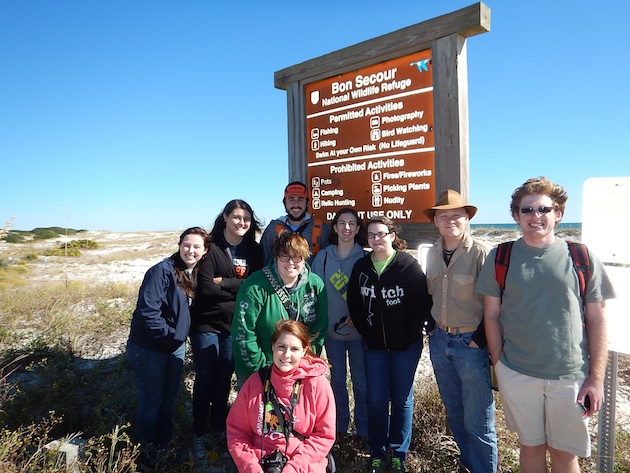
Nine SCB members and faculty advisor Dr. Bob Boyd traveled to southern Alabama from Friday October 31, 2014 to Sunday, November 2, 2014. After traveling down to Splinter Hill Bog on Friday night to get us close to the coast for the next day, our first stop Saturday morning was at the Gulf Coast Zoo in Gulf Shores. We began with a short formal animal show put on by a zoo education specialist, and then AU alum and former SCB member Jessica Larson (who has worked at the zoo for the past 2 years) met us and gave us a guided tour of the zoo and its inhabitants (including a chance to meet up-close some young lemurs and young Eurasian lynx). She also told us about internships at the zoo and how interested students can obtain these to get experience in the field.
Dr. James Barbaree (AU DBS) in USA Today and NY Times on disease transmission
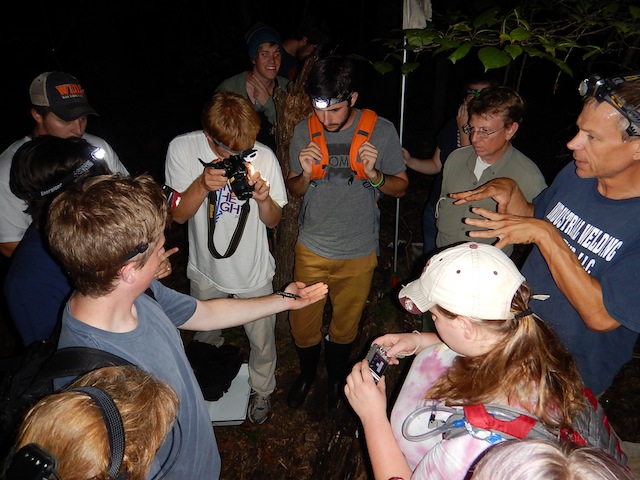
On the warm night of September 16, 18 students and 4 DBS faculty and staff explored a wetland in Tuskegee National Forest. Led by Ecology Coordinator Shawn Jacobsen, we found reptiles, amphibians, fish, spiders, and many other invertebrates during our several-hour exploration of a bottomland forest and associated ponds. Black-lighting arranged by Entomology M.S. student (and former SCB President) Scott Clem brought in a large number of insects: during the trip representatives from over 30 insect families were found. Overall a great learning experience for students interested in Alabama’s biodiversity!
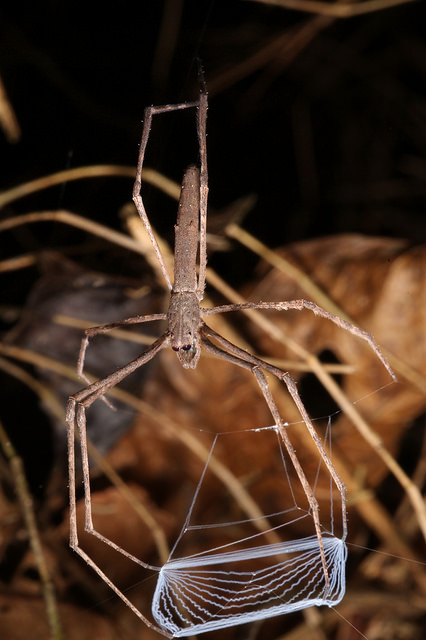
AUBURN UNIVERSITY – A group of Auburn researchers has published a study that could overturn some long-held paradigms regarding spider web evolution. Because of similarities in behaviors associated with web construction and the complicated nature of the webs, it has long been thought that all orb-weaving spiders shared a common ancestor. The study shows that spiders that weave orb-shaped webs are not all closely related and that the orb web was likely not the pinnacle of web evolution.
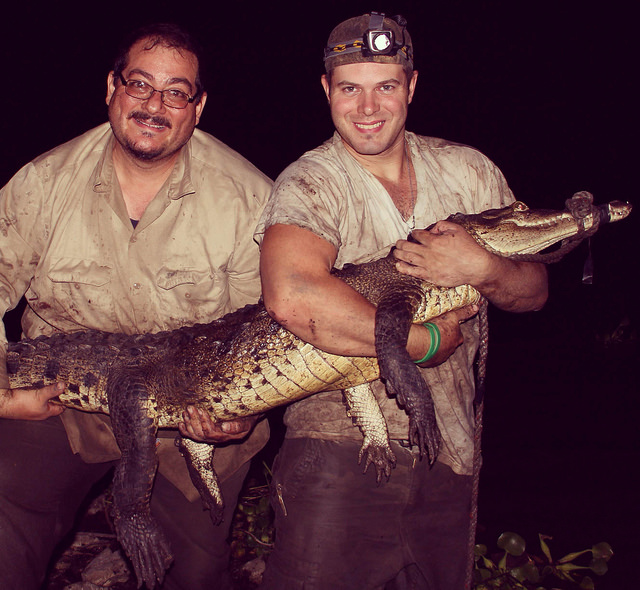
An Auburn graduate student and former "Gator Boy" who wrestled with alligators in Eufaula continues his research in Costa Rica; this time, with crocodiles. "In terms of behavior, crocodiles seem to be a lot gnarlier than alligators," said Chris Murray, a member of the Craig Guyer lab in the Department of Biological Sciences at Auburn University, who is investigating the physiological and ecological factors that affect crocodilians within that country. "They're larger, and don't tire out nearly as fast, if ever, in some instances. They have a lot of fight and they're more nimble and flexible than your average alligator." He is seeking solutions for crocodile population issues identified by a Costa Rican commission that studies the animals.
The "AU in Swazilnad" program takes students to Swaziland and South Africa. Students live and work at camps in some the region’s best nature reserves. The purpose of the course is to provide students with an opportunity for hands-on learning in one of the most diverse and complex ecosystems on the planet.
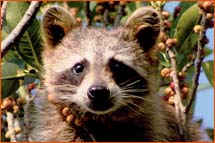
Biological Sciences Professor Troy Best co-authored a new book titled, "Mammals of Alabama." Best wrote the book with the late Auburn University Professor of Biological Sciences Julian Dusi, and it is the first and only exhaustive guidebook to Alabama's diverse mammalian fauna. Written for anyone with an interest in mammalian diversity within the state, the book serves as a guide to species identification and includes hundreds of photos and fun facts.
Dr. Wendy Hood’s research on the milk composition in the naked-rat and Hood and Dr. Amy Skibiel’s research on evolution of milk composition were recently featured in Science News, Smithsonian Magazine, SPLASH! Milk Science Update, and the blog Mammals Suck…Milk!
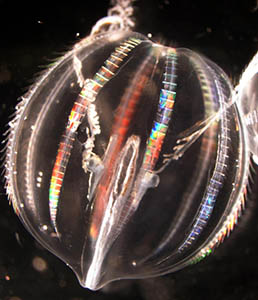
For more than a century, researchers have believed that sponges represented the earliest living lineages of the animal tree. Thanks to modern genomic sequencing techniques, scientists in Auburn's College of Sciences and Mathematics discovered that ctenophores, or comb jellies, are actually at the base of the animal kingdom. The research results have been published in the journal Nature and can be read at this link. "The placement of comb jellies at the base of the animal tree rewrites some of our very basic understanding of how animals first evolved on this planet," said Kenneth Halanych, a professor in the Department of Biological Sciences at Auburn. "The new genomic data overturns 150 years of scientific theories about the early evolution of animals." Halanych and the team of scientists, including Kevin Kocot, postdoctoral scholar in the Department of Biological Sciences at Auburn, along with an international team of scientists led by Leonid Moroz, Distinguished Professor in the Department of Neuroscience at the University of Florida, have studied the complete genome of a comb jelly, Pleurobrachia bachei, known as the "Pacific sea gooseberry." They were able to show that the species is remarkably distinct from other animals in that the genetic mechanisms used in ctenophore nerves and muscles are different from those seen in other animals.
From May 19-23 Auburn will host 31 researchers representing nine institutions in the U.S., Canada and Germany participating in a genomic analysis workshop or “Bioinformatics Bootcamp”. Initiated by the NSF-funded WormNet2 grant, the workshop will train participants in various aspects of next-generation DNA sequencing data manipulation including genome mapping, assembly, annotation and phylogenomic analyses.
The Georgia and Alabama Plant Conservation Alliances met jointly for the first time May 1-2, on the Auburn campus. The meeting highlighted local efforts toward addressing plant conservation issues in both Alabama and Georgia and featured guest speakers from Atlanta Botanical Gardens, the Georgia Plant Conservation Alliance, the Alabama Plant Conservation Alliance and the Auburn University Donald E. Davis Arboretum.

AUBURN UNIVERSITY – Auburn University and the Southeastern Conference announced today that Professor Geoffrey Hill of the College of Sciences and Mathematics has been honored with the SEC’s Auburn University Faculty Achievement Award for 2013-2014. “The 2014 SEC Faculty Achievement Award winners are some of our nation’s most accomplished instructors, researchers and scholars,” said Dr. Jay Gogue, President of Auburn University and President of the Southeastern Conference. “It is my great pleasure to preside over an intercollegiate athletics conference that not only recognizes their work, but strives to support it as well.” Hill, an Alumni Professor in the Department of Biological Sciences and curator of birds for the Auburn University Museum of Natural History, will receive a $5,000 honorarium and represent Auburn as the university’s nominee for the SEC Professor of the Year. The SEC Professor of the Year will be selected from 14 nominees representing each of the SEC universities.
Our department’s Marine Biology Club, Microbiology Club, and Society for Conservation Biology Chapter collaborated on a 3-club overnight field trip to the Tennessee Aquarium in Chattanooga. Faculty advisors, Tony Moss, Mark Liles, and Bob Boyd (along with faculty member Sharon Roberts) arranged for a unique field trip.
Auburn Biological Sciences students were tired but happy at the end of the day following their trip out on the R/V Alabama Discovery out of Dauphin Island Sea Lab.
The Donald E. Davis Arboretum took part in a collaborative publication with the Jule Collins Smith Museum of Fine Art, a book titled, "Audubon in the Arboretum: A Field Guide." The book showcases works by Audubon along with a detailed description of the plants featured in each print. Readers will gain insight into the natural world Audubon encountered, and the publication coincides with the openings of the exhibition "Audubon in the Arboretum" at the museum and the Audubon Trail in the Davis Arboretum. Readers can tour the museum's exhibition of Audubon plates and take a walking tour of the Audubon trail at the Davis Arboretum, which features the plants in each plate. The book was published by the Jule Collins Smith Museum of Fine Art, with research support from the Auburn University Libraries, the Donald E. Davis Arboretum and COSAM.
On November 9-10 four SCB members and faculty advisor Dr. Bob Boyd traveled to Conecuh National Forest to assist with the Eastern Indigo Snake Reintroduction Project. This collaborative project (involving AU and a number of partners) seeks to re-establish this snake into Alabama after a 50-year absence.
In a reprise of last year’s successful Gulf Coast Field Trip, 7 SCB members traveled to the Gulf Shores area Oct. 18-20. Leaving in the late afternoon on Friday, we spent the night in The Nature Conservancy’s Splinter Hill Bog house in South Alabama. On Saturday morning, we drove to Gulf Shores to visit the Gulf Coast Zoo, hosted by former AU student and SCB member Jessica Larson who now works at the zoo as a keeper.
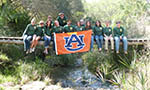
“Warning!” reads the course description, “Mega-mammals, crocodiles, snakes, thorns, baboons, etc. may be abundant at many of the sites. Please be very careful!” The course, Field Biology and Ecology, provides one of the latest study abroad opportunities offered at Auburn University. Last summer during the inaugural course, 10 Auburn students ventured to Swaziland and South Africa for a once-in-a-lifetime, hands-on, research experience, guided by Biological Sciences professors Troy Best and Michael Wooten.
A four credit hour course in Plant Gene Expression (BIOL 5320/ 6320) will be offered during 2014 spring semester on Tue and Thu afternoon from 3.30 to 4.45 PM . This is a an undergraduate / graduate level course that will be offered every alternate year. This course does not have a laboratory component associated with it.
On a beautiful Fall Saturday (September 28), 4 SCB student members traveled to Callaway Gardens in Pine Mountain Georgia accompanied by advisor Bob Boyd and DBS faculty member and SCB supporter Sharon Roberts.
On Saturday, September 21, BioSci’s own Dr. Sharon Hermann led a tour of campus sites that are being used as demonstration areas for restoration of longleaf pine forests. Two hardy students braved the rainy conditions to learn from her expertise as a Restoration Ecologist.
Under an almost full moon, Auburn University’s chapter of the Society for Conservation Biology (SCB) took a nighttime stroll in swamps at Tuskegee National Forest after our second meeting of the semester (September 17).
Auburn University’s chapter of the Society for Conservation Biology (SCB) invited Wild Animal Safari (of Pine Mountain, GA) to bring some animals to COSAM’s Open House on Aug. 28, 2013 to help advertise our group and its activities. Safari staff brought a serval, a young hyena, a blue and gold macaw, a hedgehog, two lizards (a gecko native to New Caledonia and a lizard from Australia), and a baby pig to the event.
Professor emeritus of biological sciences James Bradley recently published the book, "Brutes or Angels: Human Possibility in the Age of Biotechnology." The book includes basic information on an array of new technologies in the life sciences and the ethical issues raised by each. Bradley means for the book ito facilitate informed decision-making about the personal use of biotechnologies and the formulation of public policies governing their development and use. Ten biotechnologies that impact humans are considered: stem cell research, embryo selection, human genomics, gene therapies, human reproductive cloning, age retardation, cognition enhancement, the engineering of nonhuman organisms, nanobiology and synthetic biology. For more information about Bradley, go to this website.
Justin C. Havird and Scott R. Santos, both of the Department of Biological Sciences, are the recipients of a two-year grant from the National Science Foundation's Division of Environmental Biology. The research proposal is titled, "Assessing evolution of euryhalinity in anchialine shrimps," and the funding will allow Havird and Santos to further investigate the evolution of the molecular mechanisms of osmoregulation in shrimp species from coastal ponds and pools. According to Havird, the molecular mechanisms of ionic and salt regulation in crustaceans have only been characterized for a narrow range of species, mainly crabs with a marine ancestry.
Jason Bond, professor of biological sciences and director of the Auburn University Museum of Natural History, received a three-year, $548,000 grant from the National Science Foundation's Division of Environmental Biology for his research proposal titled, "Millipede Systematics: Developing phylogenomic, classification, and taxonomic resources for the future." The grant funding will allow Bond to conduct research on millipedes which are in the arthropod class Diplopoda, comprising some 12,000 described species distributed worldwide in nearly every biome. According to Bond, the group has a deep evolutionary history that includes some of the first terrestrial animals, dating from the mid-Silurian over 400 million years ago. Despite their ecological importance as decomposers in forests, wealth of diversity with an estimated 20,000 to 80,000 species, and prominence as chemical warriors owing to their vast array of defense secretions, the group is woefully understudied. Bond and his team will revise the current ordinal and family-level classification systems using a modern phylogenomic framework based on next-generation sequence data and then employ these data to explore the evolution of chemical defense secretions and their precursors.
Narendra Singh, professor of biological sciences, has been awarded a Fulbright grant to teach and conduct research in India from August to December 2013 at SRM University. Singh's research and teaching involves the molecular biology of stress tolerance in plants, genetic manipulation of higher fungi, and edible vaccines that can be mixed with feed to ward off diseases that cause massive damage to the poultry industry. In India, he will teach and co-teach graduate courses in plant molecular biology and biotechnology, and offer a senior seminar course for undergraduate students. He plans to focus his research on the elucidation of mechanism of action of a plant protein he discovered in 1985 and named osmotin.
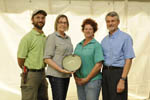
The Donald E. Davis Arboretum received a Spirit of Sustainability Award from the Auburn University Office of Sustainability. Winners were announced at the first annual Spirit of Sustainability Awards ceremony on April 16. The campus-wide awards program was established to recognize Auburn University students, faculty, staff and alumni that exemplify the Auburn spirit by demonstrating accomplishments promoting sustainability on campus or in the community at large. Over the past several years, the arboretum has committed to educating the campus community and the public about the relationship between land use, land cover and the impacts of stormwater runoff. The arboretum implemented numerous low-impact development practices, including an integrated system of pervious parking and walkways, small- and large-scale rainwater harvesting systems, rain gardens, an innovative network of underground stormwater detention, and a self-guided Water Tour of these innovations.
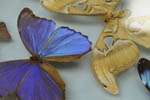
On Friday, April 19, the College of Sciences and Mathematics hosted a ribbon cutting ceremony commemorating the opening of the new Biodiversity Learning Center. Construction of the Biodiversity Learning Center was made possible by a $3.5 million bond, and the 15,000 square-foot facility is located between Funchess Hall and Rouse Life Sciences Building on campus. The Biodiversity Learning Center is the new home of Auburn University's Museum of Natural History. The museum includes hundreds of thousands of specimens representing the rich history of Alabama, the Southeast and beyond. For more than 25 years the museum collection was located in Funchess Hall and the Physiology Building on campus, and Auburn has maintained natural history collections for more than 50 years. The Biodiversity Learning Center represents years of dedication and planning by supporters of COSAM, including faculty, staff, administration and alumni.
The Arboretum staff was honored at the Spirit of Sustainability Awards ceremony on Tuesday April 16, where they were recognized for their many activities and programs that promote sustainability. Curator Dee Smith (on right in photo) and staff members Patrick Thompson (on left in photo) and Teri Briggs (center) received a custom-designed ceramic bowl from Office of Sustainability Director Mike Kensler and Program Manager Matt Williams. Among other programs, the Arboretum has been involved with stormwater management demonstrations and collaborative projects over a number of years and with a wide range of campus partners.
Auburn University’s chapter of the Society for Conservation Biology (SCB) took a nighttime stroll in swamps at Tuskegee National Forest after our last meeting of the semester (April 8). Led by Ecology Lab Coordinator Shawn “Gator” Jacobsen and DBS faculty member Debbie Folkerts, 16 members identified frog calls, observed the eyeshine of spiders, found a variety of other invertebrate species both aquatic and terrestrial, and otherwise explored the nocturnal world for several hours on a warm spring evening.
Due to an unforeseen emergency, it is with deepest regrets that COSAM must postpone the Celebrating Biodiversity with E.O. Wilson event that was scheduled for the evening of April 10th at the Hotel at Auburn University and Dixon Conference Center.
Auburn University’s chapter of the Society for Conservation Biology (SCB) held its February meeting on the 28th, and the 27 members in attendance were treated to a display of animals by DBS graduate students Jimmy and Sierra Stiles. The Stiles use their collection of animals for conservation education, and brought an assortment of salamanders, frogs/toads, turtles, lizards and snakes (plus a baby alligator) to the meeting. Jimmy and Sierra regaled the group with stories about the conservation significance of the collection, and we discussed our plans to for a workday weekend in March at Conecuh National Forest.
Auburn University’s chapter of the Society for Conservation Biology (SCB) continued to volunteer to aid the Indigo Snake reintroduction effort in Conecuh National Forest. A small but dedicated band (4 students plus faculty advisor Boyd) helped Dr. Craig Guyer and his lab group remove snake pens that had been installed several years ago on the national forest for experimental purposes but had now outlived their usefulness. Despite very cool weather, during the 2 days on the site we almost completely removed hundreds of t-posts and hundreds of meters of hardware cloth fencing to help prepare the site for a prescribed burn during the coming months.
Auburn University’s chapter of the Society for Conservation Biology (SCB) joined in the Parkerson Mill Creek Showdown on the morning of Saturday, February 23. The event combined our 8 SCB members (see photo) with volunteers from the Davis Arboretum staff, Facilities Management, the Department of Horticulture, the AU Office of Sustainability, the Alabama Cooperative Extension System, and the Alabama Invasive Plant Council. We spent several hours clearing invasive plants from the banks of Parkerson Mill Creek behind the McWhorter Center, and then enjoyed a chili lunch provided by the sponsoring groups.
The 3 academic clubs in the Department of Biological Sciences, Marine Biology Club, Microbiology Club, and the Society for Conservation Biology, recently held a Biology Trivia Contest! Seen here are the winners of the trivia contest holding up their prizes. The grand prize awarded was a “Volcano Shrimp Ecocube” donated by Professor Scott R. Santos. Six teams participated in two evenings and competed in answering questions in 10 subject categories. Further events that combine the interests of all 3 academic clubs in Biology are planned for future years.
Kenneth Halanych, alumni professor and former coordinator of the marine biology program in the Department of Biological Sciences, is the inaugural recipient of the Stewart W. Schneller Chair, which was established by friends, alumni, students and colleagues in honor of Schneller. A dinner was held recognizing Halanych and Stewart Schneller, former dean of COSAM, on Nov. 5, 2012.
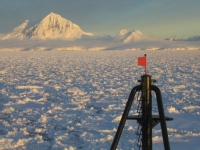
On Jan. 1, a team of scientists from Auburn University's College of Sciences and Mathematics will embark on a research cruise to one of the world's most secluded and mysterious places, Antarctica. The voyage will last approximately six weeks, during which time the team will explore the genetic diversity of marine organisms found in the waters surrounding Earth's southernmost continent.
Auburn University’s chapter of the Society for Conservation Biology (SCB) visited caves in Jackson County Alabama for the third year in a row October 20-21, 2012. Led by Jim Godwin of the Alabama Natural Heritage Program, 9 members visited 5 caves on Saturday, seeing cave salamanders, cave crayfish, cave crickets, bats, and Allegheny woodrats (among other sights). On Sunday, we visited the Nature Conservancy’s Keel Mountain Preserve to see the federally endangered plant, Morefield’s Leatherflower, before returning to Auburn via the Talladega Scenic Drive to enjoy the fall foliage.
Auburn University’s chapter of the Society for Conservation Biology (SCB) had its first-ever two-night field trip Sept. 28-30, 2012. Ten members left Auburn late Friday afternoon and drove to the Nature Conservancy’s Splinter Hill Bog, where we spent the night in their house located right on the Preserve. The next morning we drove to Gulf Shores to visit the Gulf Coast Zoo (where AU alum and former SCB member Jessica Larson now works). After lunch, we met with Dr. Mike Wooten of our department at Bon Secour National Wildlife Refuge to tour the beach and dunes, which are habitat for the federally-endangered Alabama Beach Mouse (found nowhere else in the world). We returned to the Splinter Hill house to spend the night, and then spent Sunday morning touring the pitcher plant bogs of the reserve to round out a very full weekend of conservation-oriented activities!
Auburn University’s chapter of the Society for Conservation Biology (SCB) invited Wild Animal Safari (of Pine Mountain, GA) to bring some animals to COSAM’s Open House on Aug. 29, 2012 to help advertise our group and its activities. Safari staff brought a serval, a Burmese python, a tarantula, a blue and gold macaw, a spiny-tailed lizard, and a baby pygmy goat to the event. There was great interest from staff and students, and even Aubie posed (or played in the case of the serval) with some of the animals. Anyone interested in joining SCB can contact our President, Scott Clem (csc0013@tigermail.auburn.edu).
Auburn University’s chapter of the Society for Conservation Biology (SCB) continued its involvement with the Alabama Indigo Snake Reintroduction Project on Saturday, May 5, 2012. Eight members traveled to Conecuh National Forest to be present at the release of 33 snakes into the study area. We were met by Jim Godwin, a zoologist with the Alabama Natural Heritage Program and member of the indigo snake recovery team.
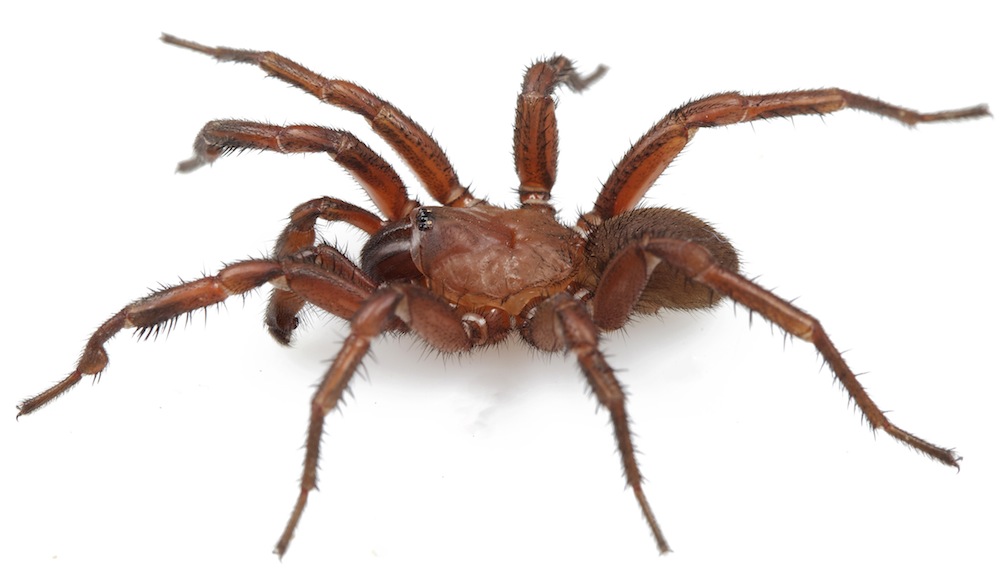
Researchers at Auburn University reported the discovery a new trapdoor spider species from a well-developed housing subdivision in the heart of the city of Auburn, Ala. Myrmekiaphila tigris, affectionately referred to as the Auburn Tiger Trapdoor spider, is named in honor of Auburn University’s costumed Tiger mascot, Aubie.
Eight members of Auburn University’s chapter of the Society for Conservation Biology (SCB) joined Dr. Sharon Hermann of DBS and Dr. John Kush from Forestry and Wildlife Sciences for several hours of alien plant removal on Sunday April 22 (Earth Day 2012). The group enjoyed surprisingly cool weather and got a lot of plant removal done on a site on campus that is being restored to its native longleaf pine habitat type.
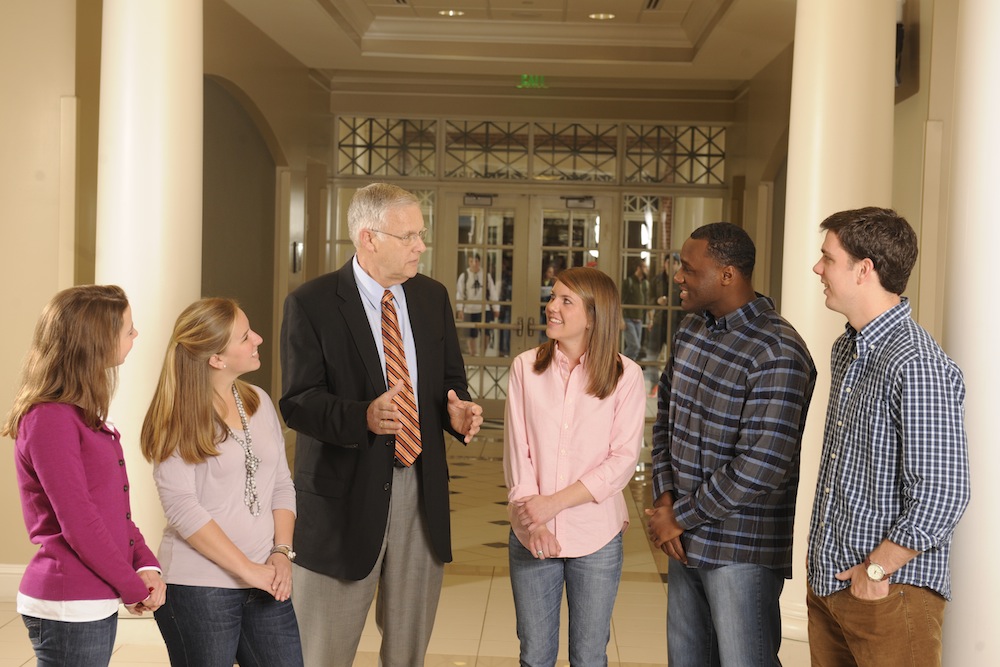
Lawrence Wit, associate dean for academic affairs for the College of Sciences and Mathematics, has been selected to receive one of two, 2012 Gerald and Emily Leischuck Endowed Presidential Award for Excellence in Teaching. The award is a prestigious honor which recognizes those faculty members who demonstrate effective and innovative teaching methods, and a continuing commitment to student success through advising and mentoring inside and outside the classroom. The award carries a $10,000 stipend for each recipient. Emeritus senior administrators, Gerald and Emily Leischuck, established the endowment in 2005 to recognize the university’s teachers, and Auburn presented the first Leischuck Endowed Presidential Awards the same year.
Department of Biological sciences graduate students Alex Bentz, Nicole Garrison and Rebecca Koch each won a prestigious National Science Foundation Graduate Research Fellowship. The fellowship is the oldest fellowship of its kind and has a long history of recipients achieving high academic and professional success. GRFP fellows often become life-long scientific leaders and educators. Bentz's mentor is assistant professor Wendy Hood; Garrison is being mentored by professor Jason Bond; Koch's mentor is professor Geoff Hill.
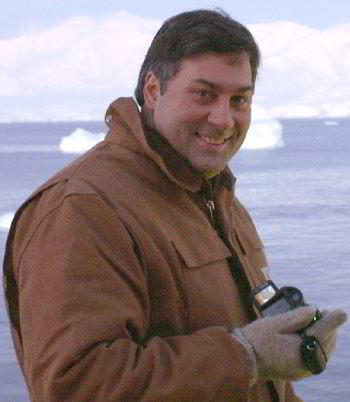
Ken Halanych, professor of biological sciences, has been awarded a National Science Foundation grant along with his collaborator, Craig Smith of the University of Hawaii. The combined $800,576 of funding will begin in September of 2012 and allow Halanych and Smith, along with collaborators from five different countries, to continue their research on the diversity of deep-sea organisms.
Paul Bergen, a senior in COSAM double majoring in microbiology and German, has been awarded a Fulbright Scholarship to study in Germany for the 2012-13 academic year. At the Technical University of Munich, he will continue to pursue his research in microbiology."Paul is an inquisitive and engaging young man with a range of interests and activities that go well beyond the lab and range from the study of German politics, culture and language to being an active member of Auburn's nationally recognized mock trial team," said Paul Harris, associate director of the Auburn Honors College. "He will gain so much from his classes and interactions with German students and faculty and he will represent himself, Auburn University and the United States with distinction.
Populations of the rusty blackbird, a once-abundant North American species, have declined drastically in recent years, and Auburn University researchers say climate change is to blame. That’s the finding of graduate students Chris McClure, Brian Rolek and Kenneth McDonald published recently in the scientific journal Ecology and Evolution. Under the direction of ornithology professor Geoffrey Hill, McClure, Rolek and McDonald studied the blackbird decline and wrote the paper “Climate change and the decline of a once common bird.” The group analyzed rusty blackbird breeding data and climate indices and examined temperature oscillations in the Pacific Ocean, and concluded that climate change does in fact play a major role in the recent decline of the population.
For the past several years, Lesley de Souza has focused her research efforts in a place so remote, it's nearly impossible to access: the Guiana Shield. A mountainous, forested region just north of Brazil, the Shield has no cities, cold drinks or showers. Instead, it welcomes visitors with attractions such as anacondas, piranhas, jaguars, venomous snakes and a tiny fish called a candiru that is rumored to invade humans by swimming up the urethra. de Souza knows that should she ever receive a poisonous snake or spider bite in the field, not much could be done; there is no medic standing by. But for her, the dangers are worth the rewards of researching the area's rich biodiversity.
The copperhead is responsible for more venomous snake bites in the Southeastern U.S. than any other snake, and their populations are increasing. In south Alabama population growth of the copperhead may be due in part to the absence of the once-prevalent eastern indigo snake. “Copperheads used to be a very rare snake to see in south Alabama,” said Professor and Herpetologist with Auburn’s Department of Biological Sciences Craig Guyer. “Now copperheads are the most commonly occurring snake in the region. Eastern indigo snakes eat other snakes, including venomous snakes like copperheads, and the decline of the eastern indigo snake has corresponded to an increase in copperheads.”
The Birmingham Zoo's Indo-Chinese tiger, Kumar, weighs 230 lbs. As a means of monitoring the tiger's overall health, Kumar gets weighed twice a month by trained zoo keepers utilizing a strategic series of hallways and barriers, or holding area, connected to his exhibit. Indeed, all of the Birmingham Zoo's big cats are monitored in this fashion, and the Society for Conservation Biology, or SCB, got a behind-the-scenes look at how the system works.